
BMS Selection and Integration Battery Systems
System-level BMS integration engineered for safety, reliability, and seamless compatibility with battery enclosures, cooling systems, and power electronics interfaces.
What Is BMS Selection and Integration
Battery Management System (BMS) selection and integration is a critical step in building safe and reliable battery systems. It involves choosing the appropriate BMS hardware and ensuring mechanical, thermal, electrical, and communication compatibility within the complete battery system.
We support BMS integration as part of a complete battery engineering process—never treating BMS as an isolated electronic component. If you are building a sealed pack, start from the enclosure: Battery Pack Enclosures & Trays.
Our Role in BMS Integration
We focus on system-level integration—working closely with OEMs, battery integrators, and BMS suppliers to ensure the chosen BMS can be reliably installed and protected inside the physical battery system.
BMS Selection Considerations
We assist customers in evaluating BMS options with the end integration in mind—so the chosen BMS fits the enclosure, cooling, sealing, and harness strategy.
Mechanical Integration into Battery Enclosures
BMS units must be mechanically protected and properly mounted to withstand real duty cycles in EV and industrial environments.
- Dedicated BMS mounting zones inside battery enclosures
- CNC-machined mounting features and brackets
- Vibration-resistant structural design
- Accessibility for service and diagnostics
Thermal Integration with Cooling Systems
Thermal behavior of BMS electronics is often overlooked. We design battery systems where BMS integration considers heat dissipation, isolation, and stable operating temperature under continuous load.
- Proximity to liquid cooling plates
- Heat dissipation paths
- Thermal isolation from hot zones
- Stable temperature under load
- Interface flatness planning
- Thermal pad/contact strategy
- Module-to-plate alignment
Sealing and Environmental Protection
BMS components are sensitive to moisture, dust, and contamination. We integrate BMS with an enclosure-level sealing mindset—especially for outdoor and heavy-duty use cases.
- IP67 sealing design at enclosure level
- Gasket and O-ring groove machining
- Controlled cable and connector sealing interfaces
- Protection against condensation and ingress
Electrical Interface & Cable Management
We coordinate mechanical design with electrical integration requirements to reduce assembly errors and improve serviceability.
- Cable routing and strain relief design
- Connector mounting interfaces
- Space allocation for wiring harnesses
- Grounding and isolation considerations
Structural Protection & Vibration Resistance
In mobile applications, BMS must withstand vibration and shock. We design mounting structures that keep electronics protected through real duty cycles.
Manufacturing & Assembly Support
We support BMS integration through the manufacturing phase to make it manufacturable and repeatable at scale.
Quality Control & Validation
BMS integration quality is validated through dimensional inspection of mounting features, verification of sealing interfaces, assembly checks, traceability, and coordination with system-level testing.
- Mounting feature inspection (fit, clearances)
- Sealing interface verification
- Assembly checks and traceability
- Coordination with system-level tests
Typical Application Scenarios
BMS selection and integration support commonly applies to EV, ESS, and harsh-environment platforms where sealing, vibration, and thermal behavior directly impact uptime.
Project Integration Examples
Representative integration patterns (use your real case photos/renders here).

- BMS mounted inside sealed aluminum enclosure
- Connector sealing interfaces planned
- Cooling interface compatibility
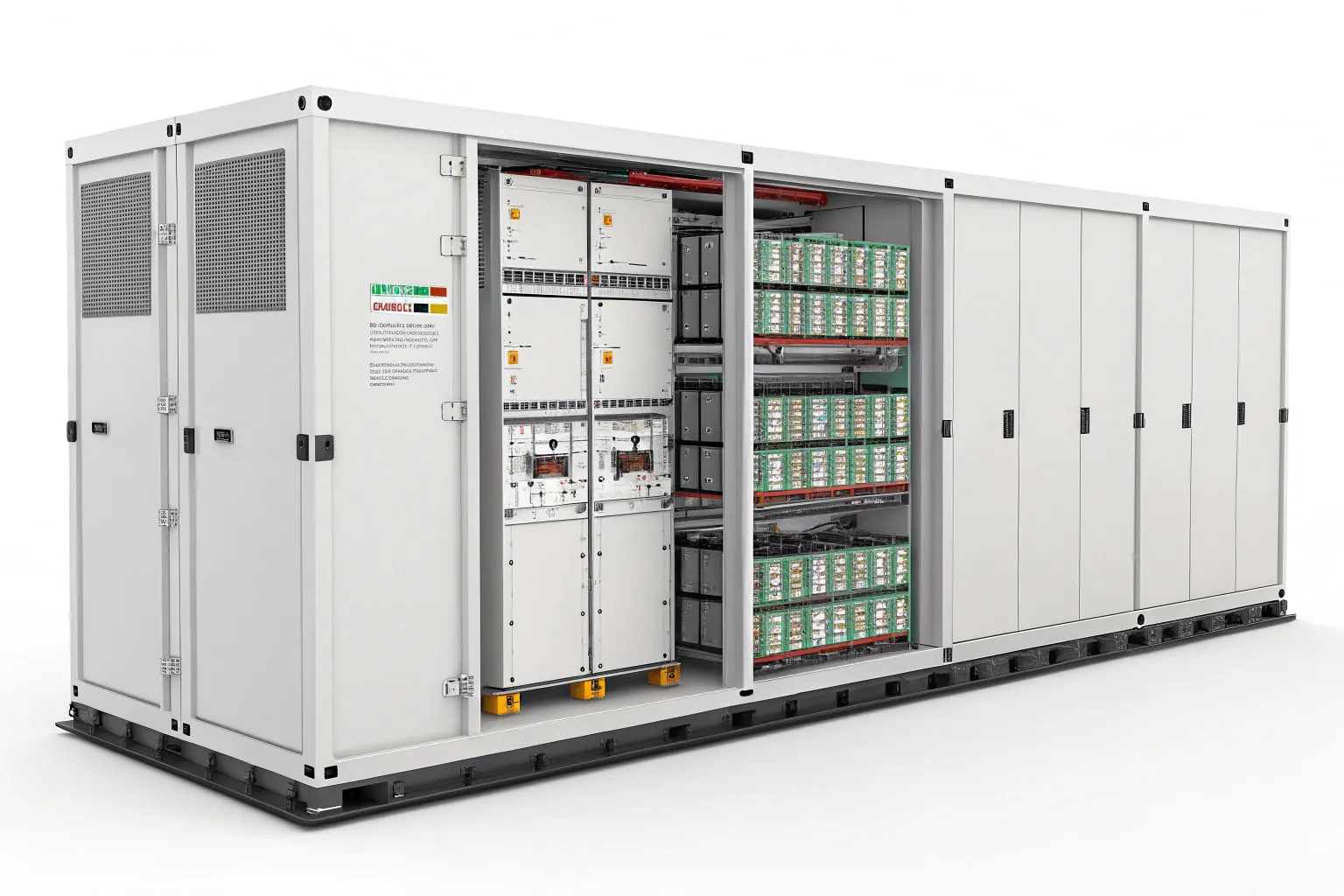
- Centralized BMS integration concept
- Modular enclosure packaging strategy
- Service access planning
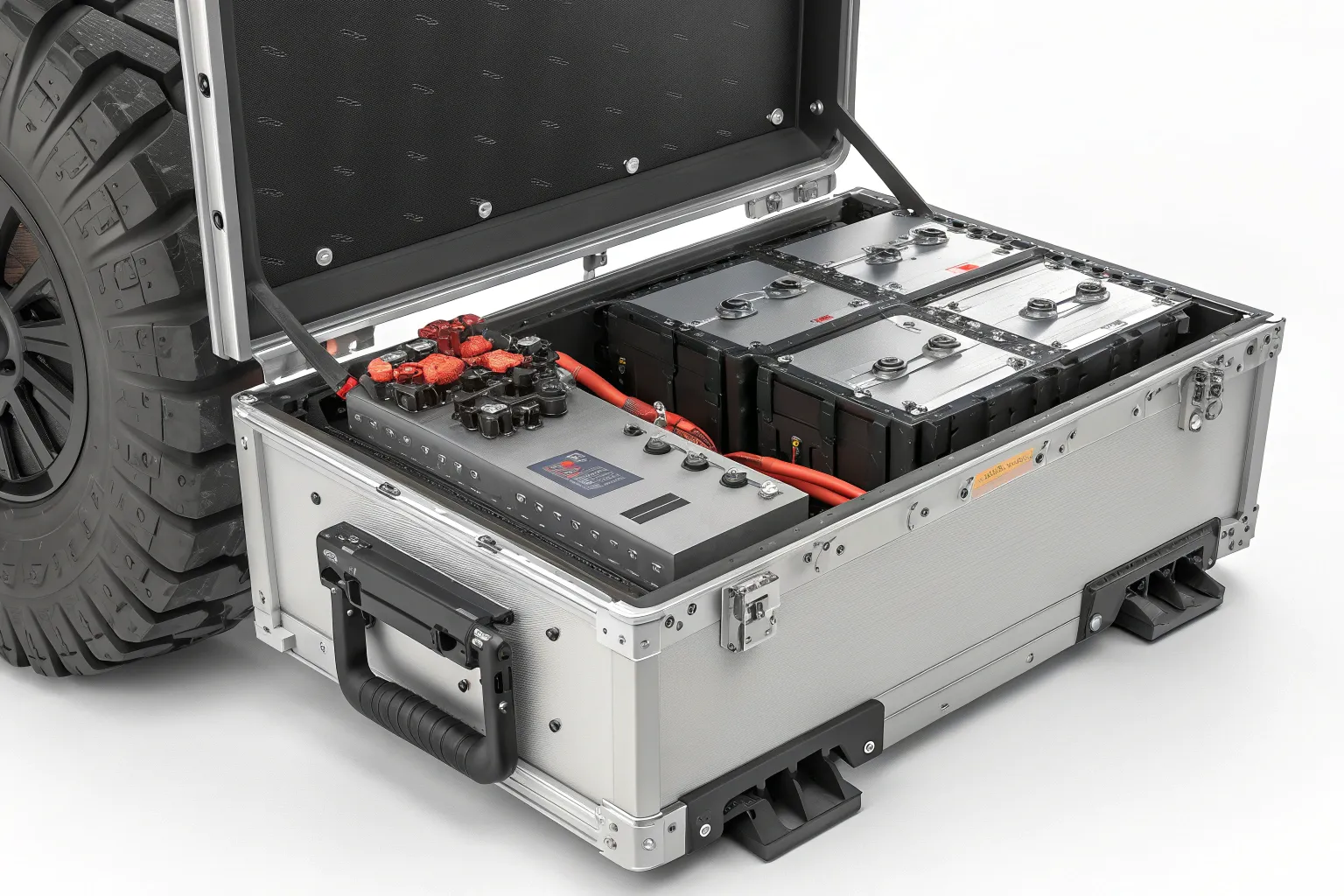
- Vibration-resistant BMS mounting
- Enhanced sealing design
- Harness strain relief and routing
Why Choose Us for BMS Integration
Built around what OEM engineering and procurement teams care about: integration reliability, sealing confidence, manufacturable design, and fast technical response.
Contact & Technical Consultation
Discuss your BMS integration requirements with our engineering team. Upload your system drawings (STEP / DWG / PDF) for technical review.