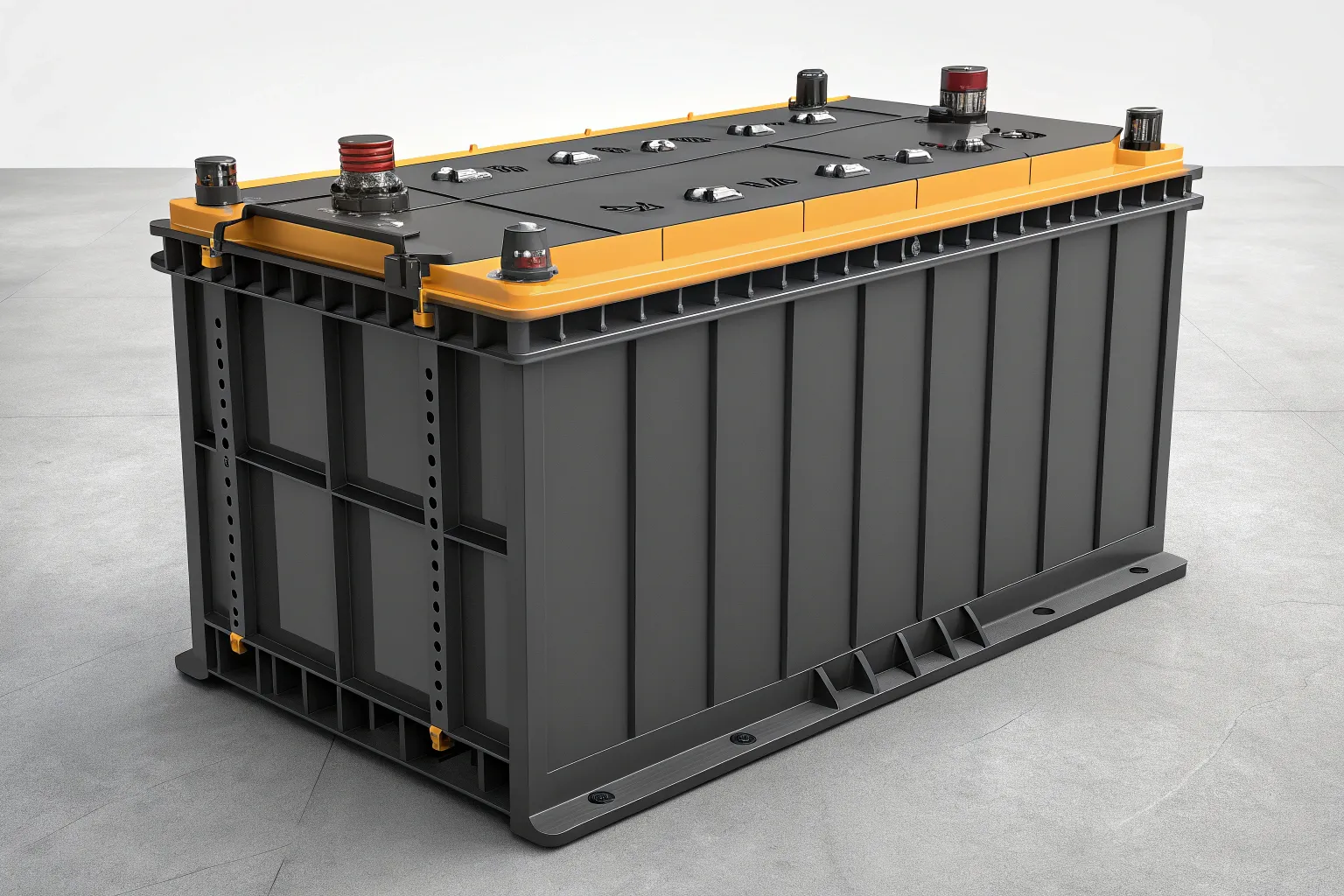
Battery Module Assembly and Testing | EV & Energy Storage Module Validation
Solution · Module-Level Manufacturing & Validation

Battery Module Assembly for EV & Energy Storage Systems

Engineering-driven battery module assembly and validation services designed for safety, consistency, and scalable production.
Assembly Focus
Repeatability
Torque · alignment · consistency
Integration
Electrical + Thermal
Busbar · insulation · cooling interface
Validation
QC Evidence
Records · traceability · checks
Module Validation
Assembly · Integration · QC
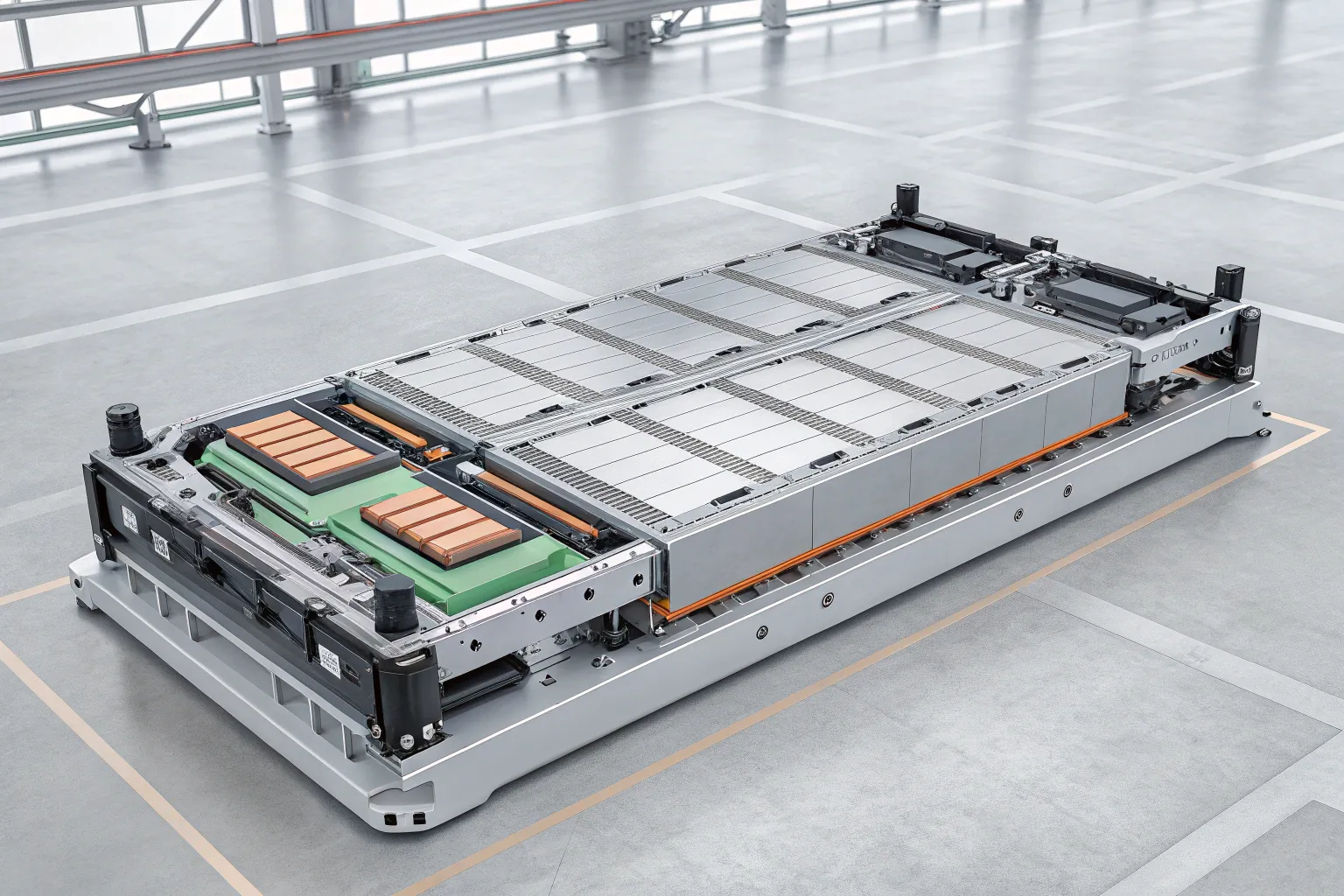
Battery module assembly and testing service
Replace src with your image URL (1600×900 recommended)
Torque
Control
Clearance
Safety
Flatness
Thermal

What Is Battery Module Assembly and Testing

Battery module assembly and testing is the intermediate step between individual battery cells and the complete battery pack. It directly affects safety, reliability, thermal performance, and long-term system stability.

We support module-level assembly and testing as part of a complete battery system manufacturing and integration process.
Safety baseline
Clearance, insulation, consistency and assembly integrity
Thermal performance
Flatness control and interface readiness for cooling
Manufacturability
Repeatable assembly sequence and scalable process flow
Pack readiness
Interfaces aligned with enclosure, BMS and cooling integration
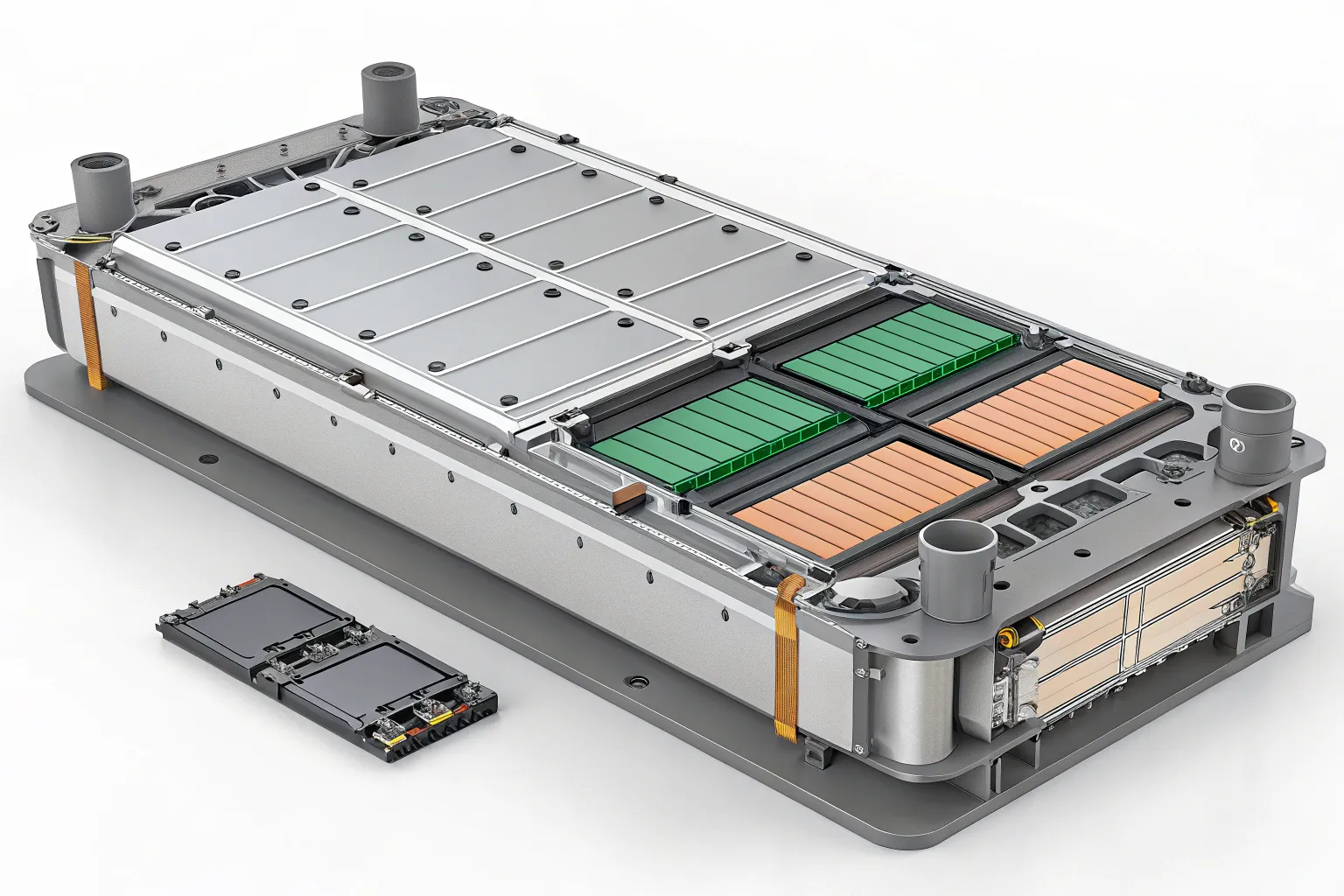
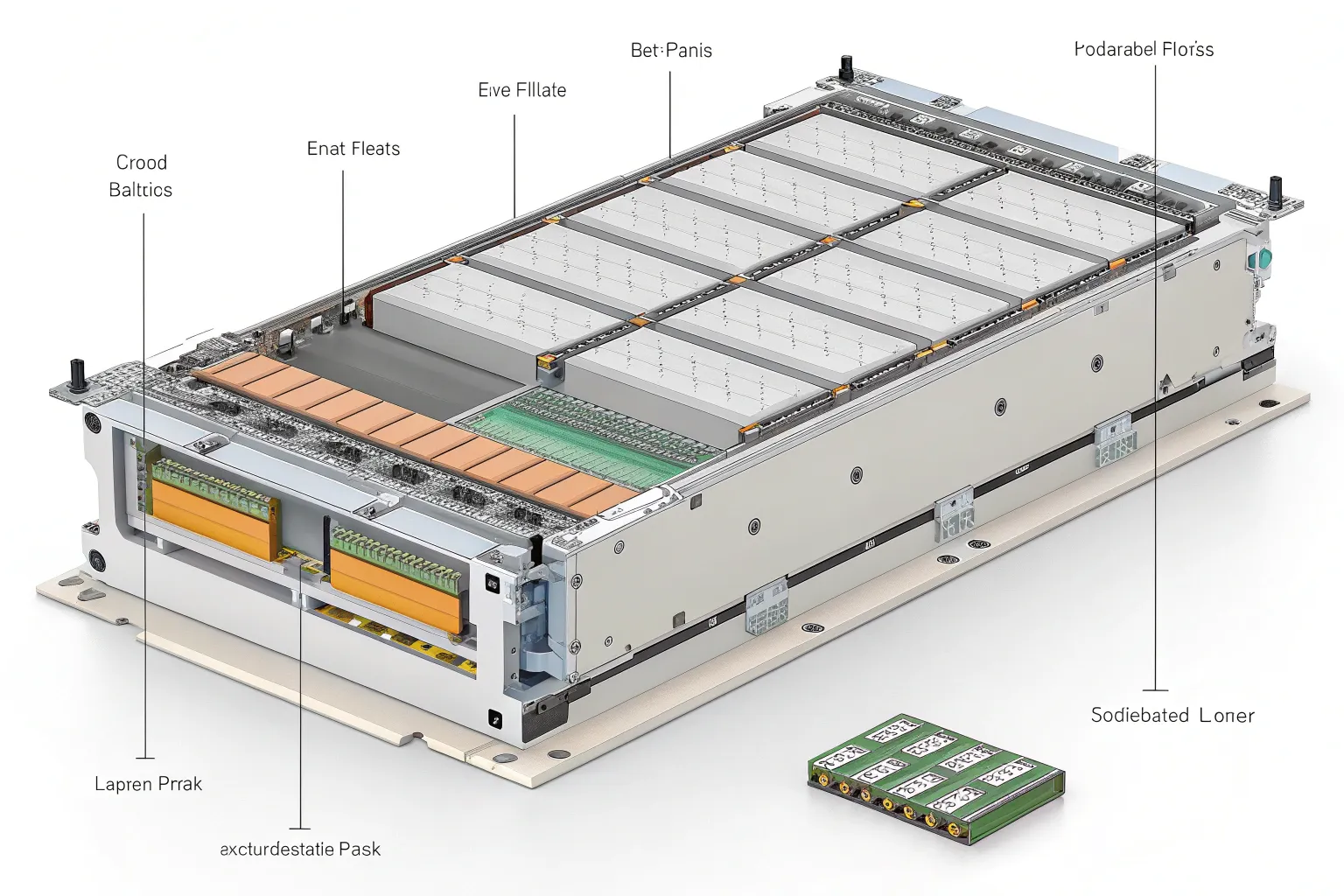
Battery module structure and stack-up
Replace src with your image URL (1600×1000 recommended)
Step
Assembly
Step
Integration
Step
Validation

Our Scope of Battery Module Services

Mechanical, electrical and structural assembly support—built for module consistency and downstream pack integration.
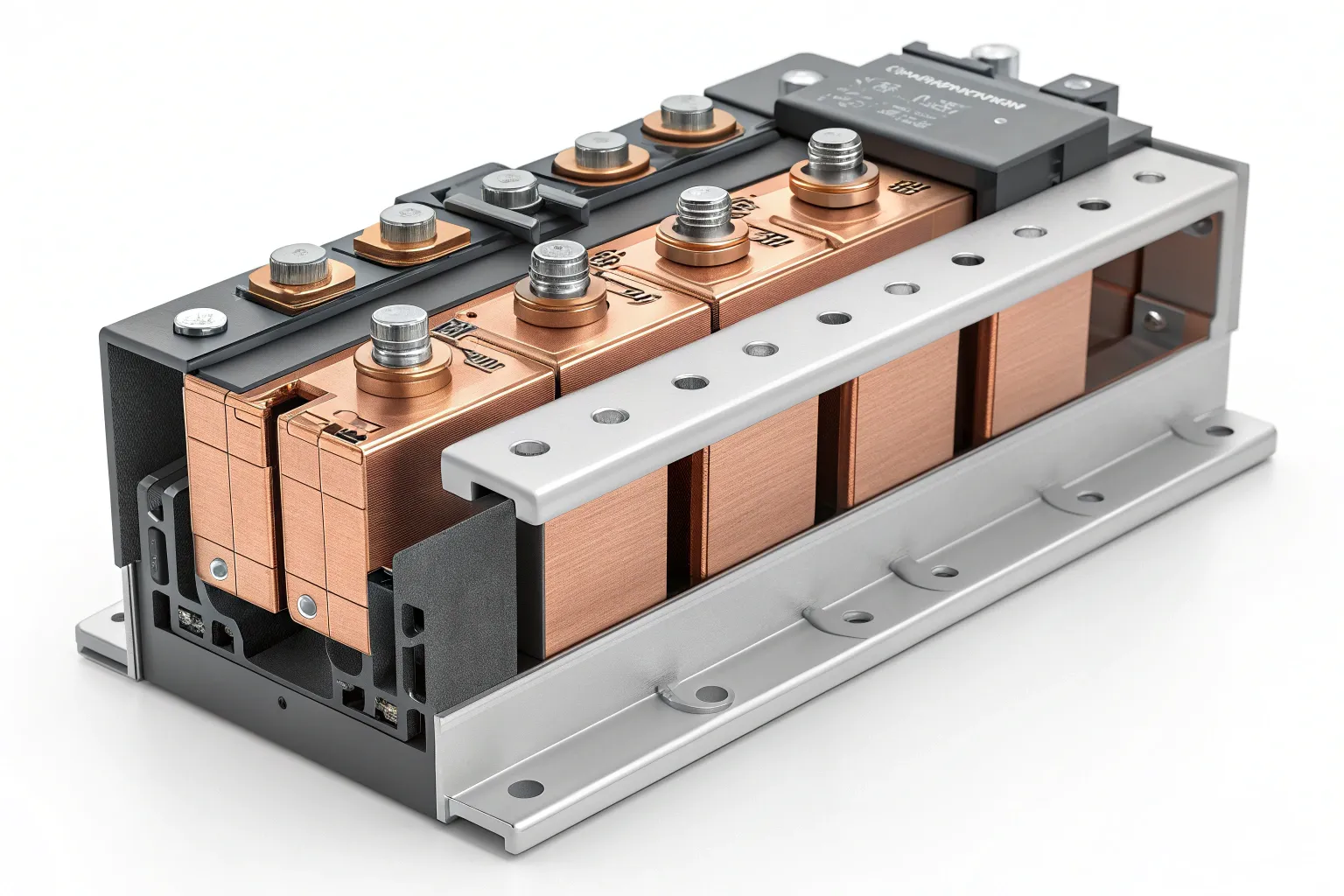
Module mechanical structure assembly
Frames, housings, alignment and fastening logic
Cell fixation & compression integration
Uniform load distribution and stability
Busbar & interconnection support
Clearance, insulation and routing readiness
Thermal interface preparation
Flatness control and cooling compatibility
Image Gallery
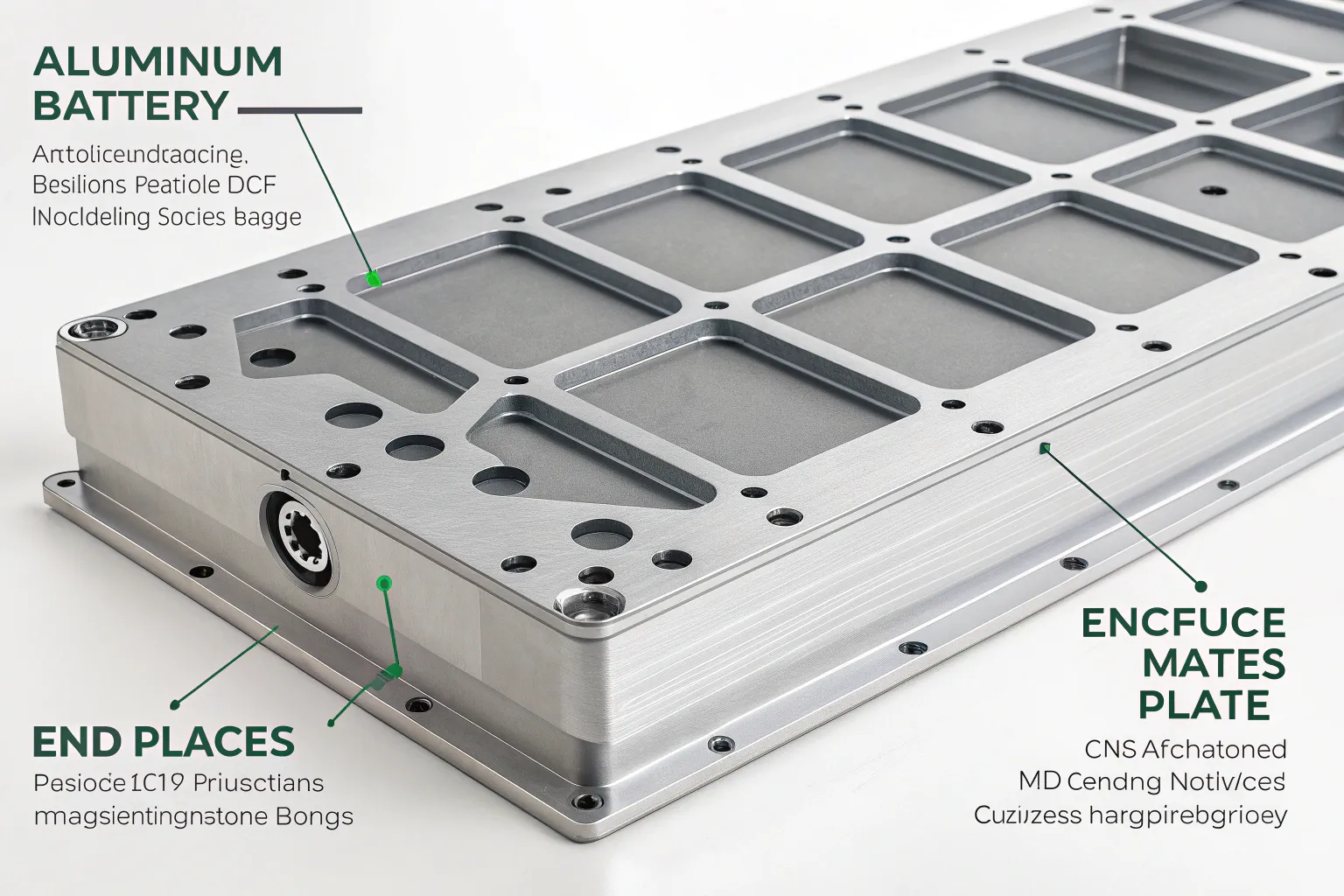
Battery module frame and end plate
Replace src: module frame / end plate
Busbar and insulation detail
Replace src: busbar / insulation
Thermal interface surface for cooling plate
Replace src: thermal interface surface

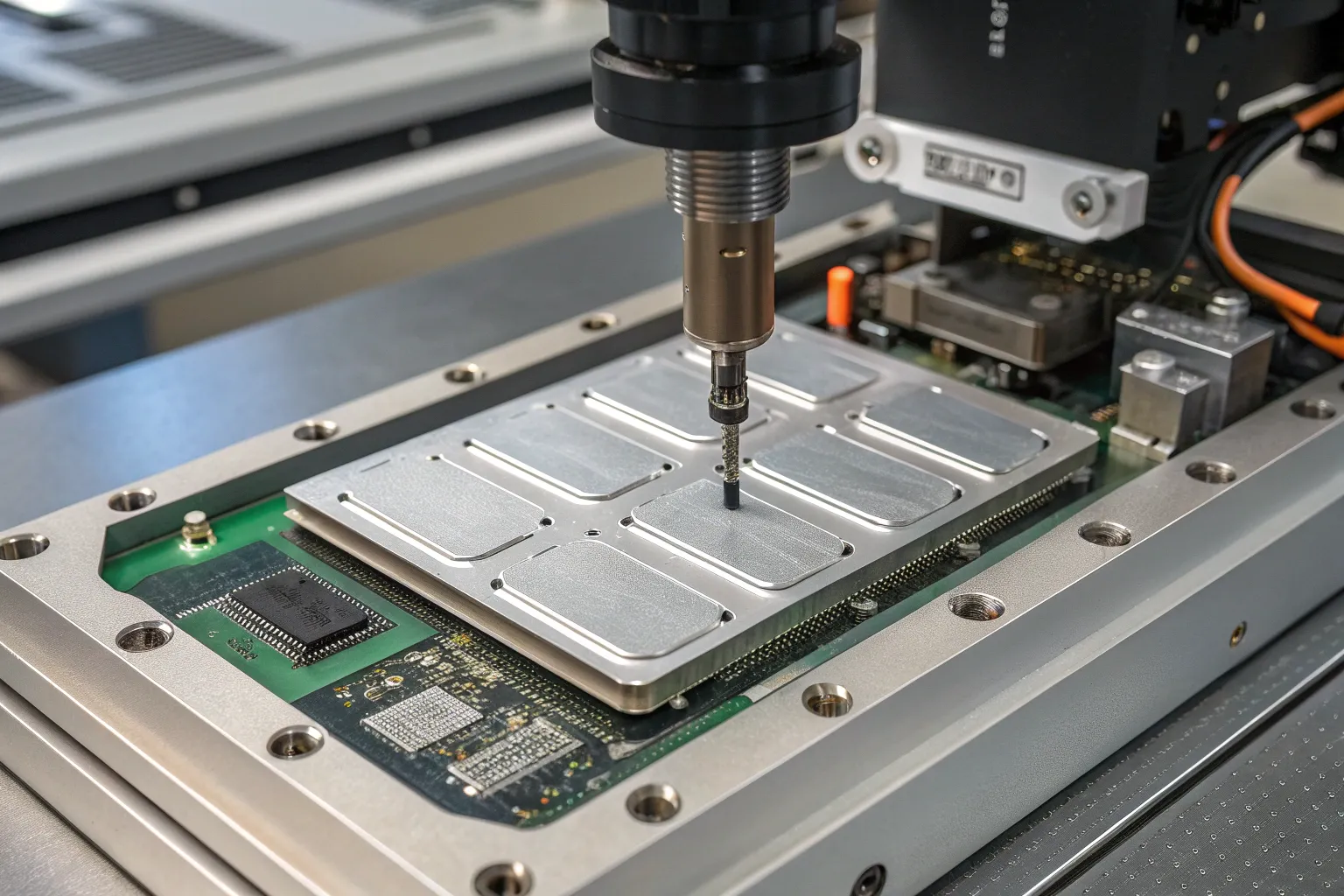
Mechanical Assembly of Battery Modules

Mechanical assembly ensures proper alignment, compression, and protection of battery cells—built for repeatability and vibration resistance.

We support
  • Assembly of module frames and housings
  • Installation of end plates and compression plates
  • Controlled torque fastening
  • Structural alignment and flatness control
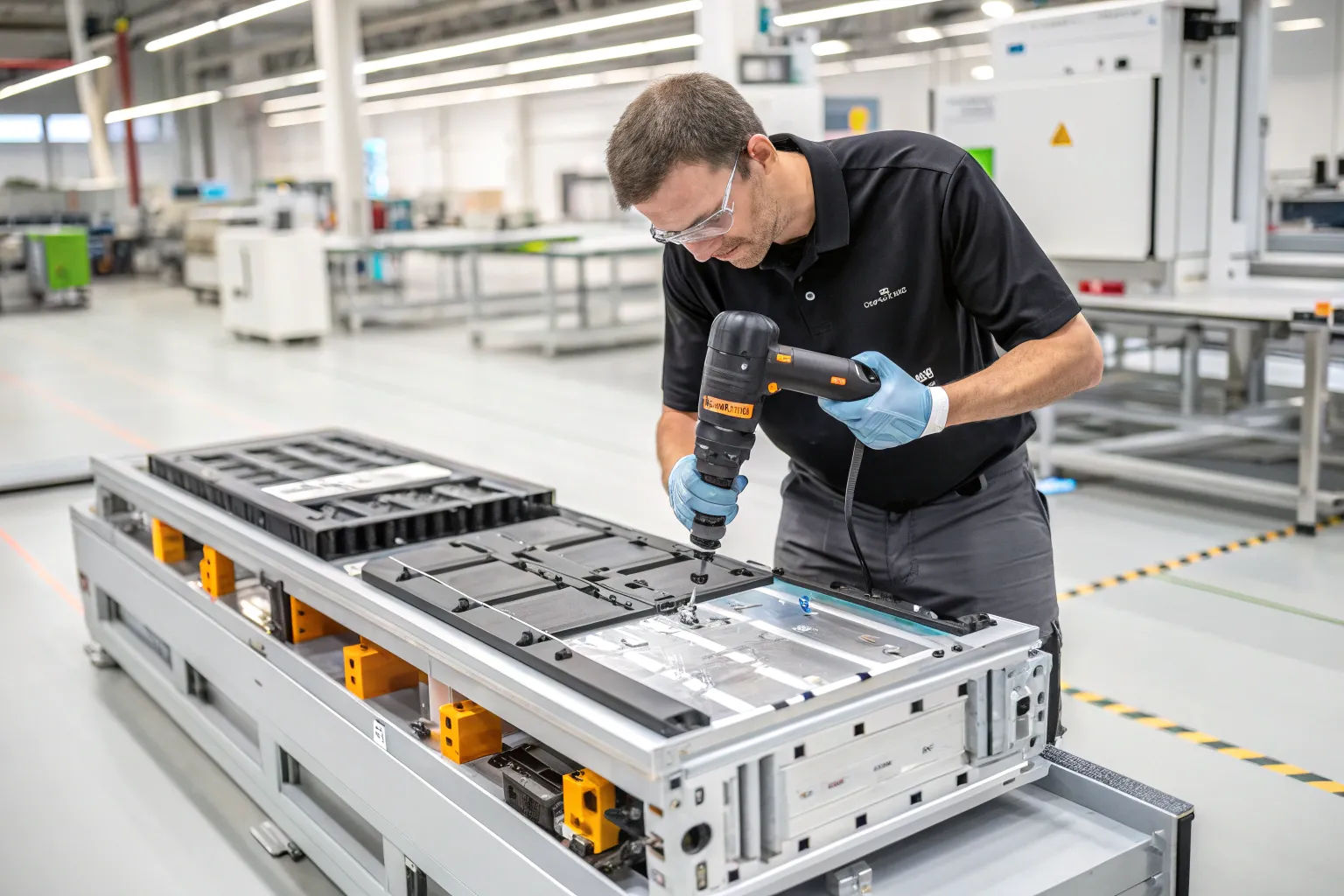
Mechanical assembly station for battery modules
Replace src with your image URL (assembly station / torque tools / fixture)
Control Point
Torque / Fastening
Records improve consistency
Control Point
Alignment / Flatness
Supports thermal contact stability

Cell Fixation and Compression Design

Proper cell fixation prevents movement, swelling and long-term degradation—especially under thermal cycling and vibration.

Assembly considerations
  • Controlled compression forces
  • Uniform load distribution
  • Rigidity under thermal cycling
  • Compatibility with cell formats
Why it matters
  • Stability during transport & operation
  • Lower assembly variation risk
  • Improved pack-level reliability
Image Placeholder
Cell fixation and compression plate layout
Replace src with your image URL (compression plate / module stack layout)
Design Target
Uniform Pressure
Avoid stress concentration
Design Target
Serviceability
Maintenance-friendly access

Electrical Integration at Module Level

Module-level electrical preparation supports safer assembly and cleaner downstream pack integration. Mechanical design is coordinated with electrical requirements to reduce assembly risk.

We support
  • Busbar installation support
  • Insulation and clearance management
  • Routing space for sensing wires
  • Integration readiness for BMS connections
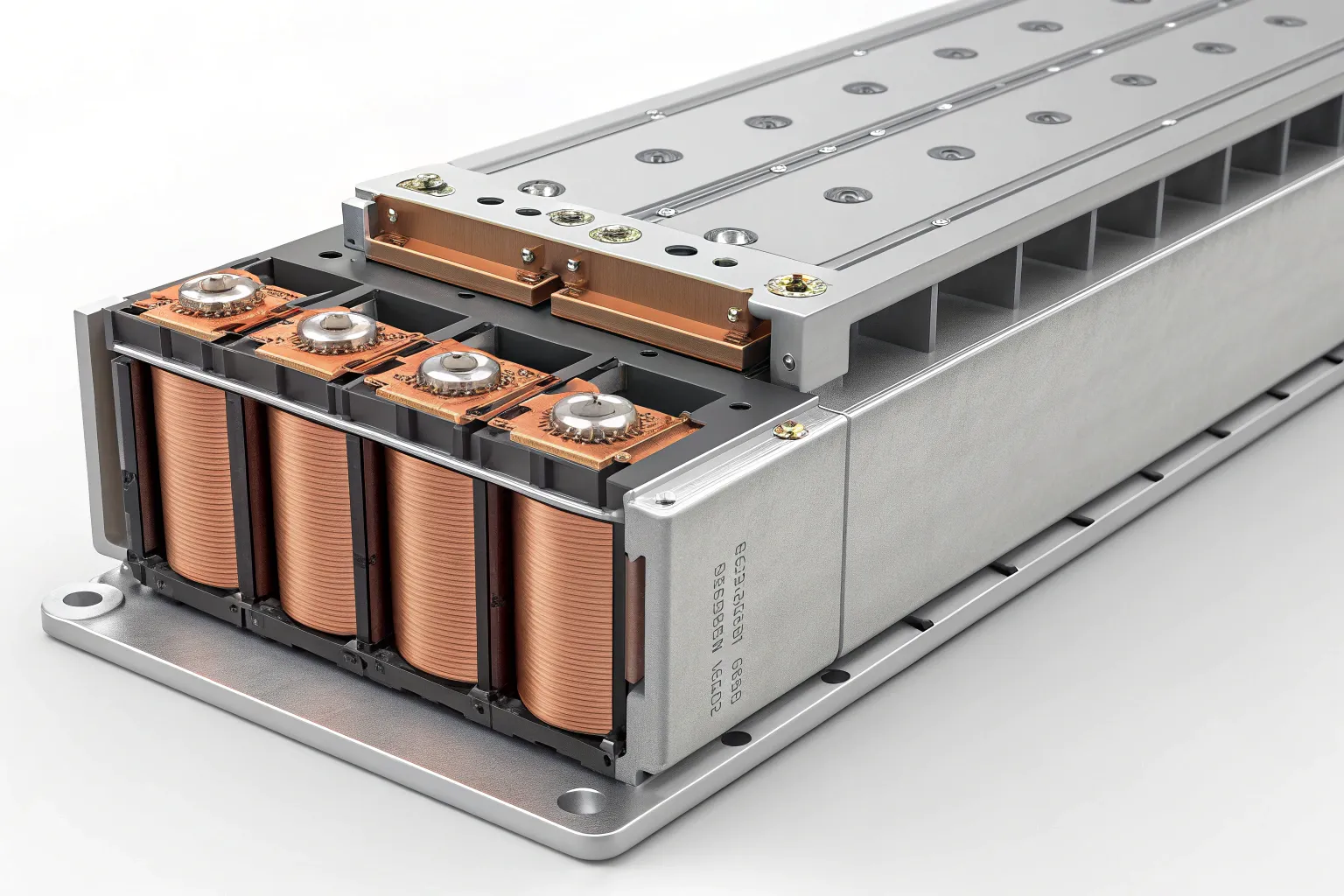
Module-level electrical integration and clearance
Replace src with your image URL (busbar / insulation / routing layout)
Checklist
Clearance & Creepage
Risk control before pack build
Checklist
Harness Readiness
Fewer assembly errors

Thermal Interface Preparation

Thermal management begins at the module level—interface flatness and integration readiness directly impact heat transfer consistency.

We support
  • Interfaces for cooling plates
  • Flatness control for contact surfaces
  • Space allocation for thermal pads
  • Compatibility with liquid cooling
Flatness Control Thermal Pads Module-to-Plate Interface
Thermal interface preparation for cooling plates
Replace src with your image URL (flatness check / module contact surface / cooling integration)
Thermal Target
Stable Contact
Consistent heat transfer
Thermal Target
Assembly Tolerance
Fewer surprises at pack build

Sealing and Environmental Considerations

While modules typically sit inside enclosures, debris control and clean interfaces still matter for reliability and downstream pack sealing.

Dust & debris protection
Reduce internal contamination during assembly
Interface control
Controlled surfaces for pack-level sealing features
IP67 compatibility
Aligned with sealed pack design philosophy
Recommended pairing
If your end goal is a sealed pack, consider enclosure-level sealing and verification approaches on: FSW Welded Battery Enclosure and contact us for interface review.

Manufacturing Process Flow

A controlled and repeatable flow for prototype and series production—built around in-process checks and pack readiness.
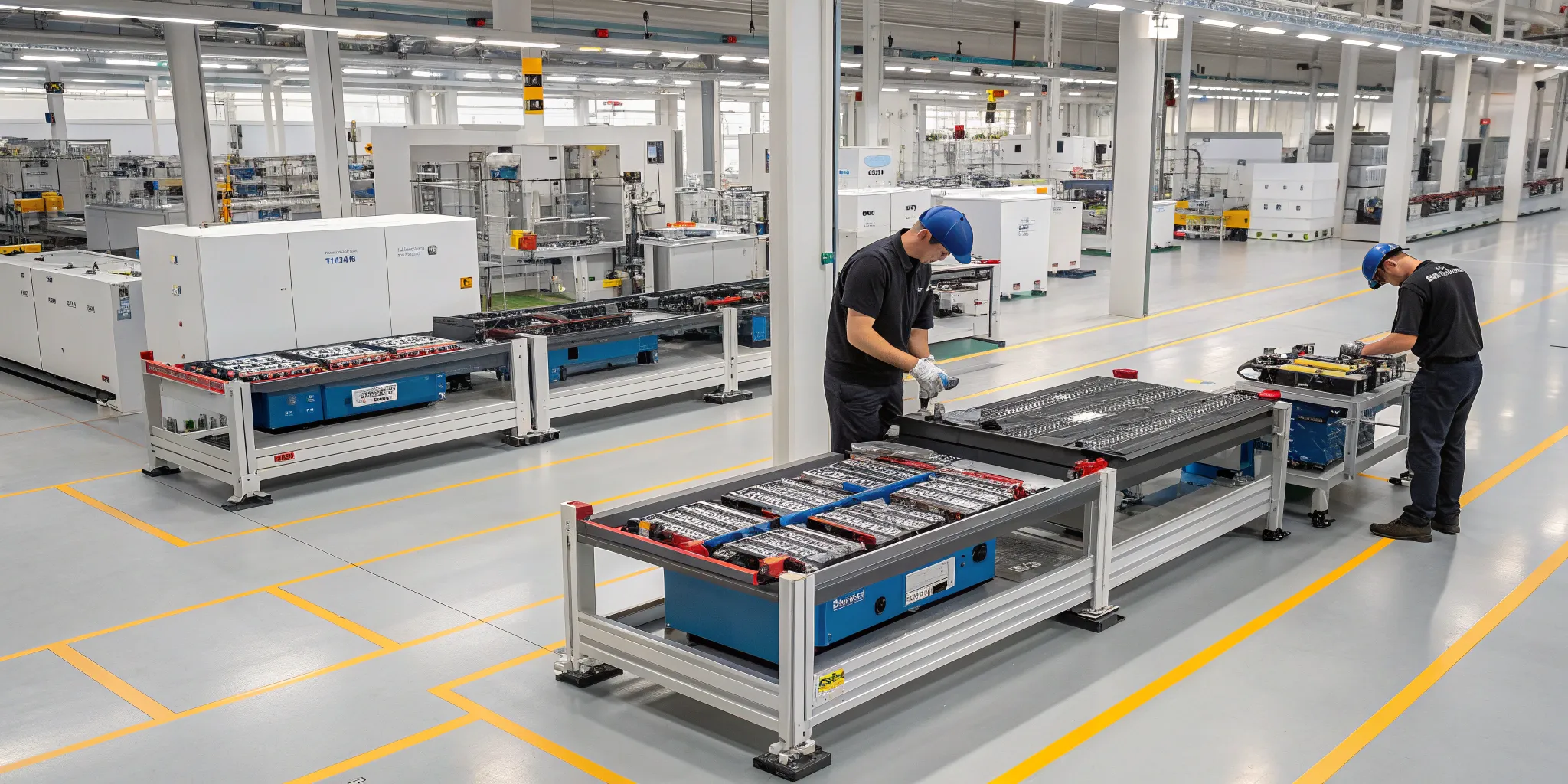
Battery module assembly process flow
Replace src with your image URL (workcell layout / process diagram / line photo)
Step 01
Incoming inspection
Step 02
Mechanical assembly
Step 03
Dimensional verification
Step 04
Electrical readiness
Step 05
In-process QC

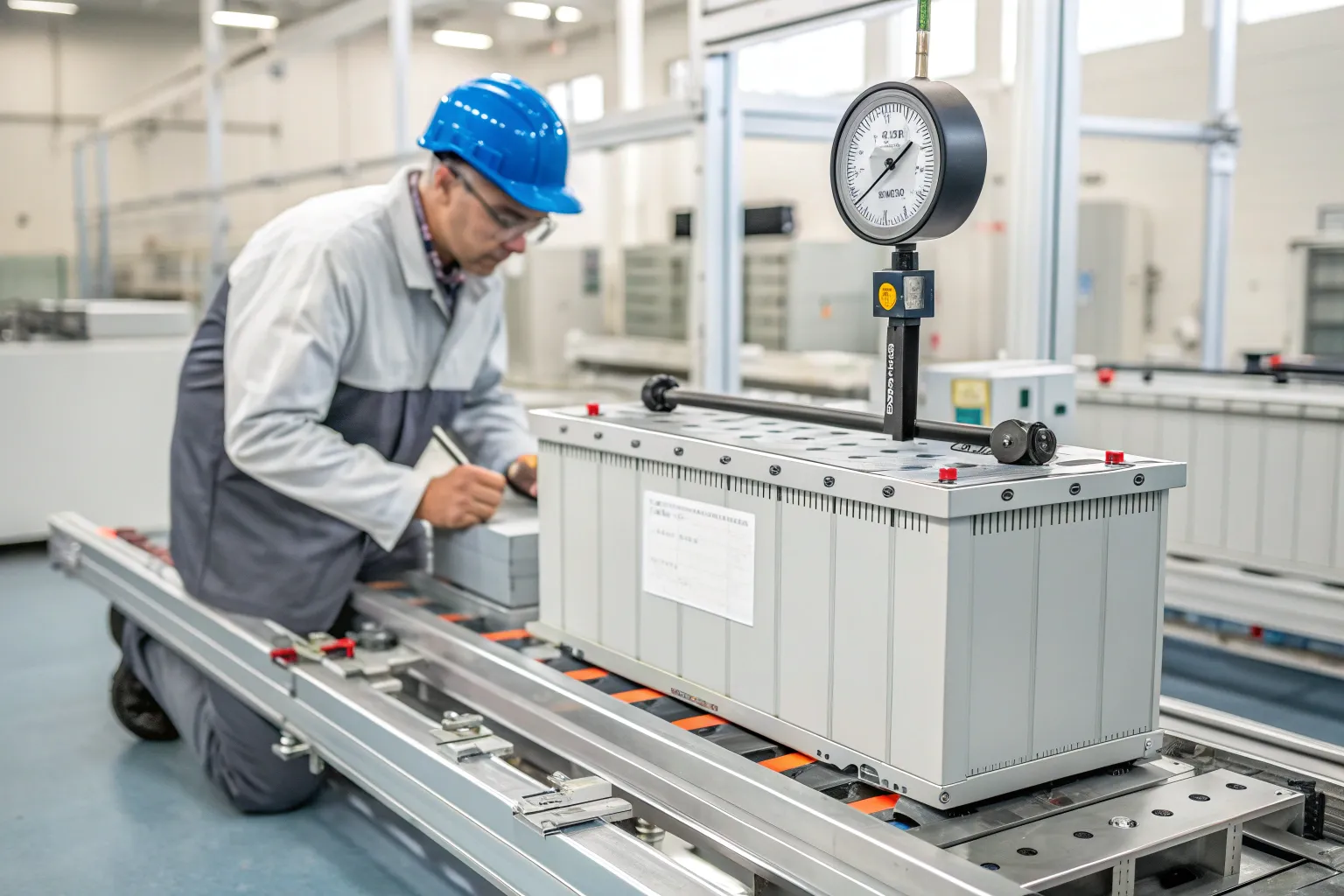
Testing Strategy at Module Level

Module testing focuses on consistency and assembly integrity—not just electrical performance. Scope is customized based on project requirements.

Typical testing includes
  • Dimensional inspection
  • Mechanical integrity checks
  • Insulation and clearance verification
  • Assembly consistency validation
Battery module testing and inspection evidence
Replace src with your image URL (inspection fixture / report screenshot / QC documentation)
Evidence
Inspection summary
Key dimensions as applicable
Evidence
Process records
Torque / assembly checkpoints

Quality Control and Traceability

Quality control is integrated throughout the module assembly process—designed to reduce integration risk before pack build and certification.

We support
  • Material traceability
  • Assembly process documentation
  • Torque and fastening records
  • Inspection and validation records
What we deliver
Assembly checklist
Critical checkpoints for consistency
Traceability pack
Batch + process identification
Validation evidence
Inspection & record alignment

Compatibility with Battery Pack Integration

Our module approach simplifies pack-level integration by aligning interfaces with enclosures, cooling plates, and service access requirements.

Enclosure alignment
Interfaces match pack enclosure design
Cooling compatibility
Stable thermal interfaces for cooling plates
BMS access
Routing readiness and connection accessibility
Assembly efficiency
Reduces rework and integration risk
If you already have a pack design in progress, send enclosure + cooling references for faster alignment: Battery Pack Enclosures, Cooling Plates, Contact.

Typical Application Scenarios

Module assembly and testing services are applied across EV, ESS, and heavy-duty environments with high reliability demands.

Electric vehicles
Passenger & commercial platforms
Energy storage systems (ESS)
Modular installation & maintenance friendly
Agricultural & construction machinery
Vibration and outdoor environment
Mining & heavy-duty equipment
Shock loads and rough terrain cycles
Marine & inland vessels
Corrosion risk and system stability
Industrial power systems
Serviceability and process control

Example Module Integration Scenarios

Representative module builds for different duty cycles and integration needs.
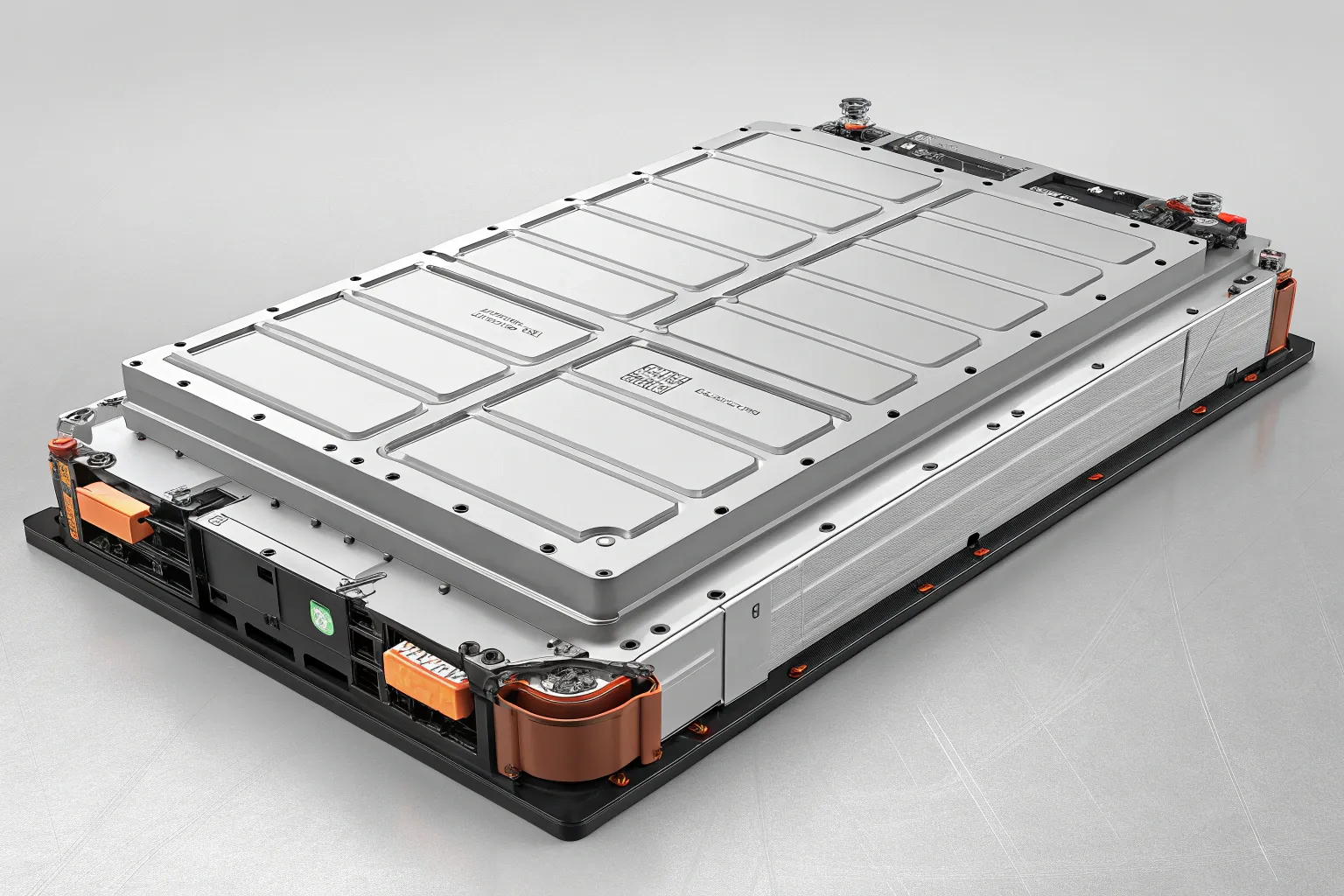
EV battery module example
Replace src: EV module image
EV Battery Module
Structured module with controlled compression and cooling interface readiness.
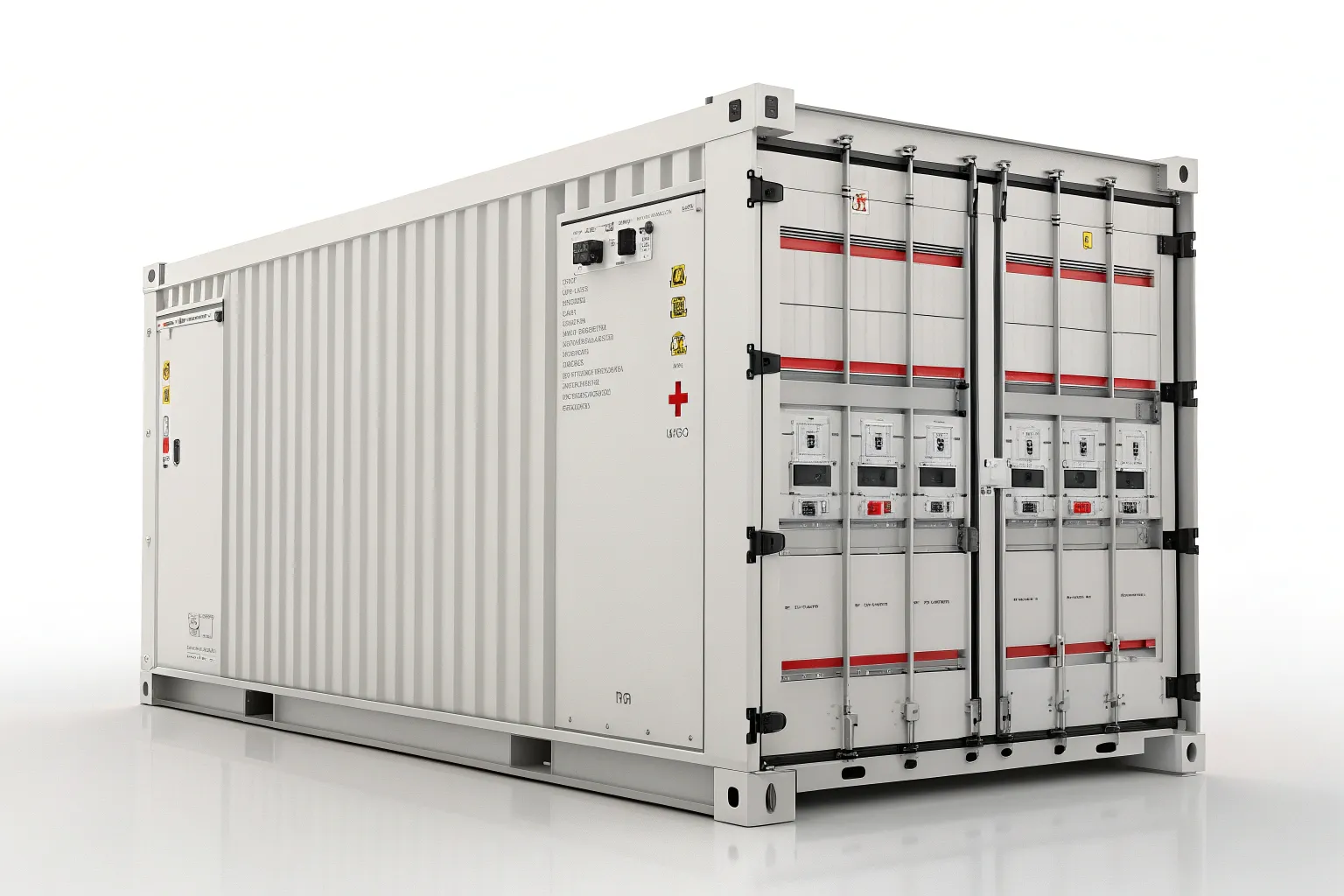
ESS battery module example
Replace src: ESS module image
ESS Battery Module
Modular design optimized for scalable installation and maintenance.
Off-highway equipment battery module example
Replace src: off-highway module image
Off-Highway Equipment Module
Reinforced structure designed for vibration-intensive environments.

Why Choose Us for Battery Module Assembly & Testing

Built around engineering teams’ expectations: manufacturability, interface clarity, process control, and validation evidence.

System-level battery engineering capability
Think module → pack → vehicle/system integration
Strong mechanical & thermal integration experience
Flatness, compression, interfaces for cooling
Manufacturing-oriented design mindset
Repeatability and scalable production planning
Support from prototype to mass production
Pilot programs and stable ramp support
Fast Technical Review
Send these for quicker feedback
1) Module drawings
STEP / DWG / PDF
2) Cell format & constraints
Packaging, compression targets
3) Interfaces
Cooling / BMS / enclosure alignment
Prefer faster routing? Put “Module Assembly & Testing” in your email subject.

Contact & Technical Consultation

Discuss your battery module assembly and testing requirements with our engineering team. Upload your drawings (STEP / DWG / PDF) for technical review.

Email
andrew@sannytelecom.com
Fast response for technical support
Recommended attachments:
  • • Module drawings (STEP / DWG / PDF)
  • • Cell format + constraints
  • • Cooling / BMS / enclosure interfaces
Send Your Request
Include: module constraints, target consistency, expected volume/timeline, and required inspection items.
Tip: If you are also sourcing enclosure/cooling, add links to Battery Pack Enclosures and Cooling Plates in the email body.