
Cell-to-Pack Assembly
Engineering-driven CTP assembly solutions delivering higher energy density, simplified structures, and scalable manufacturing for EV and energy storage applications.
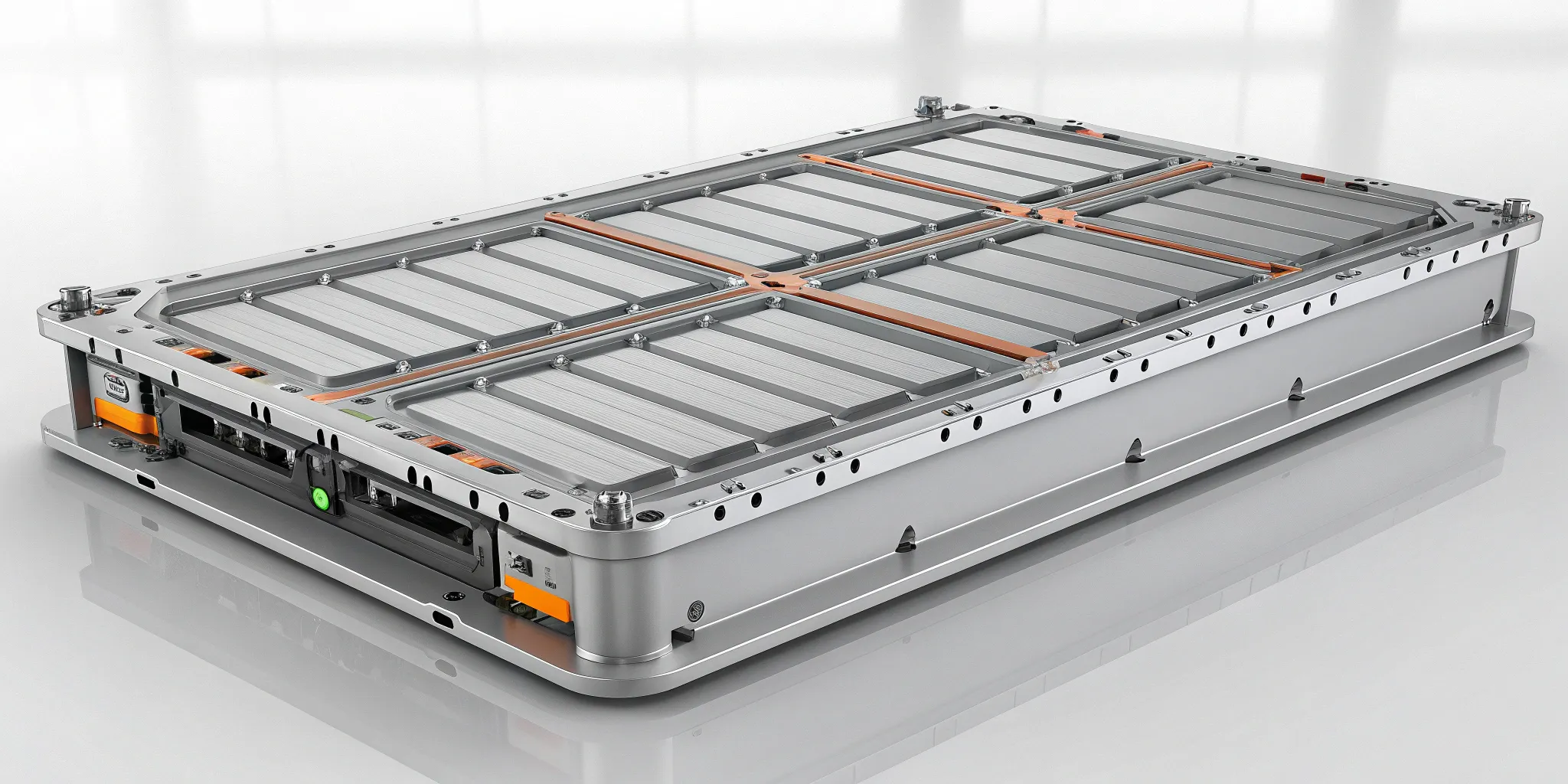
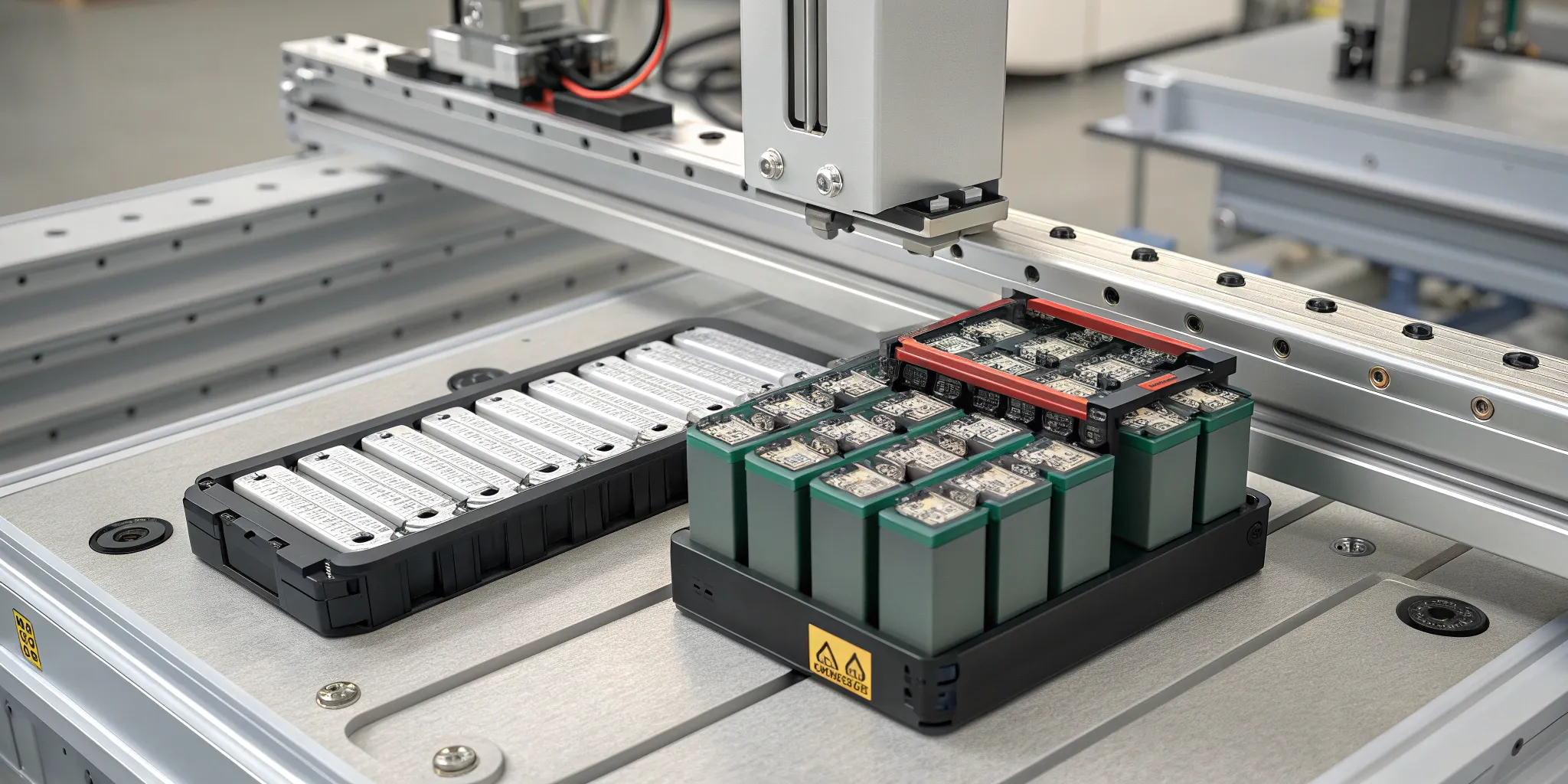
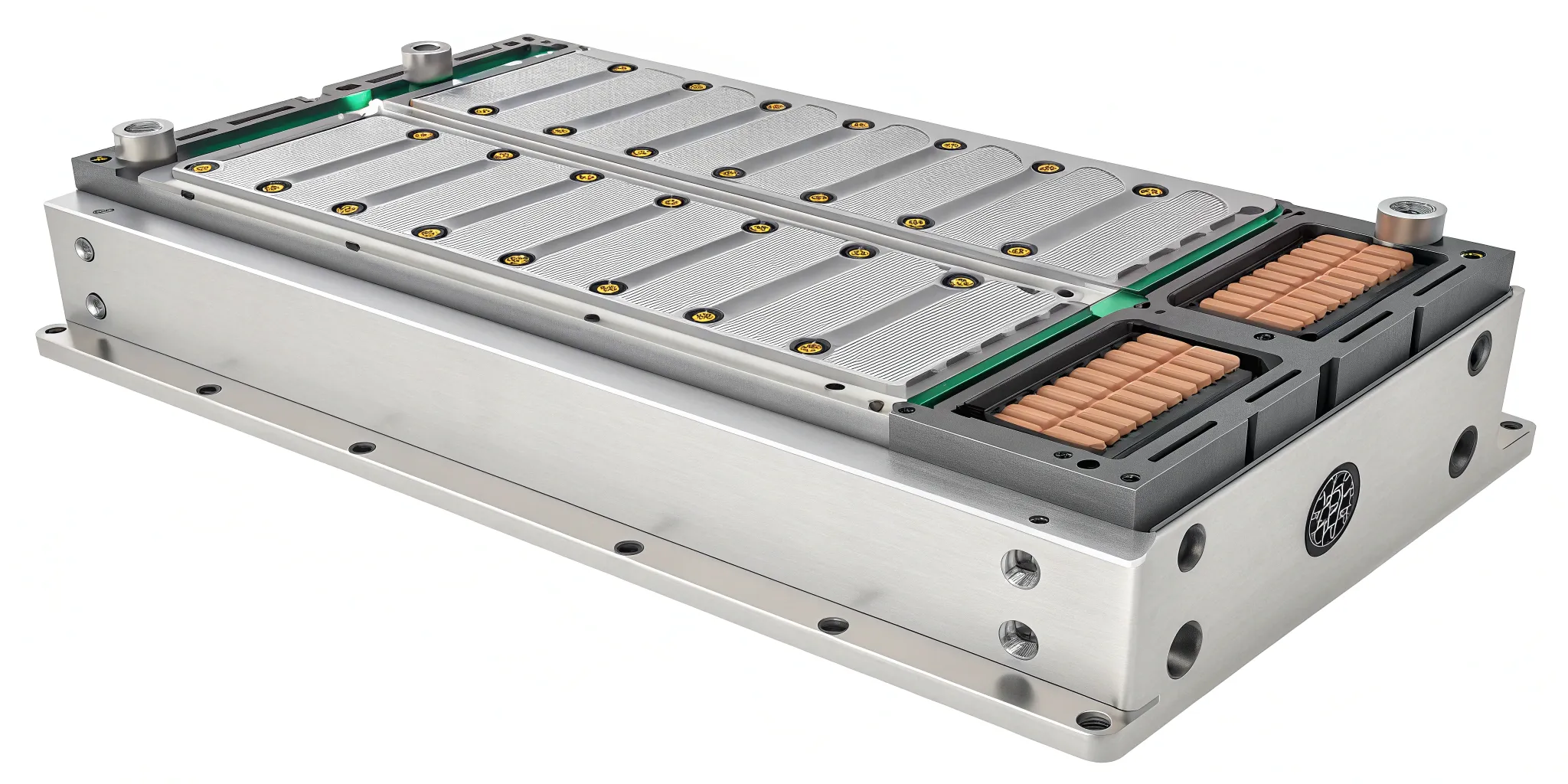
What Is Cell-to-Pack (CTP) Assembly
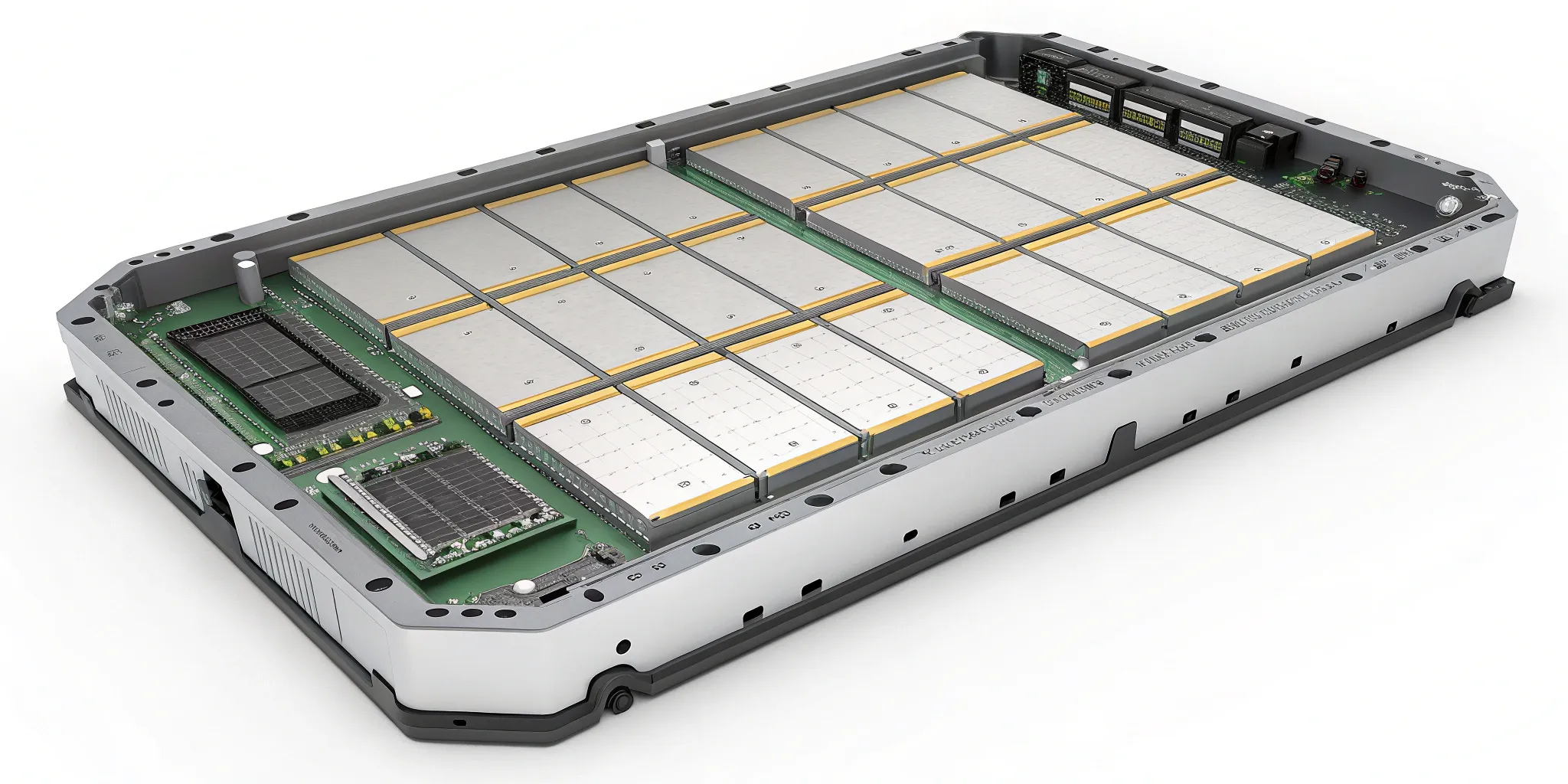
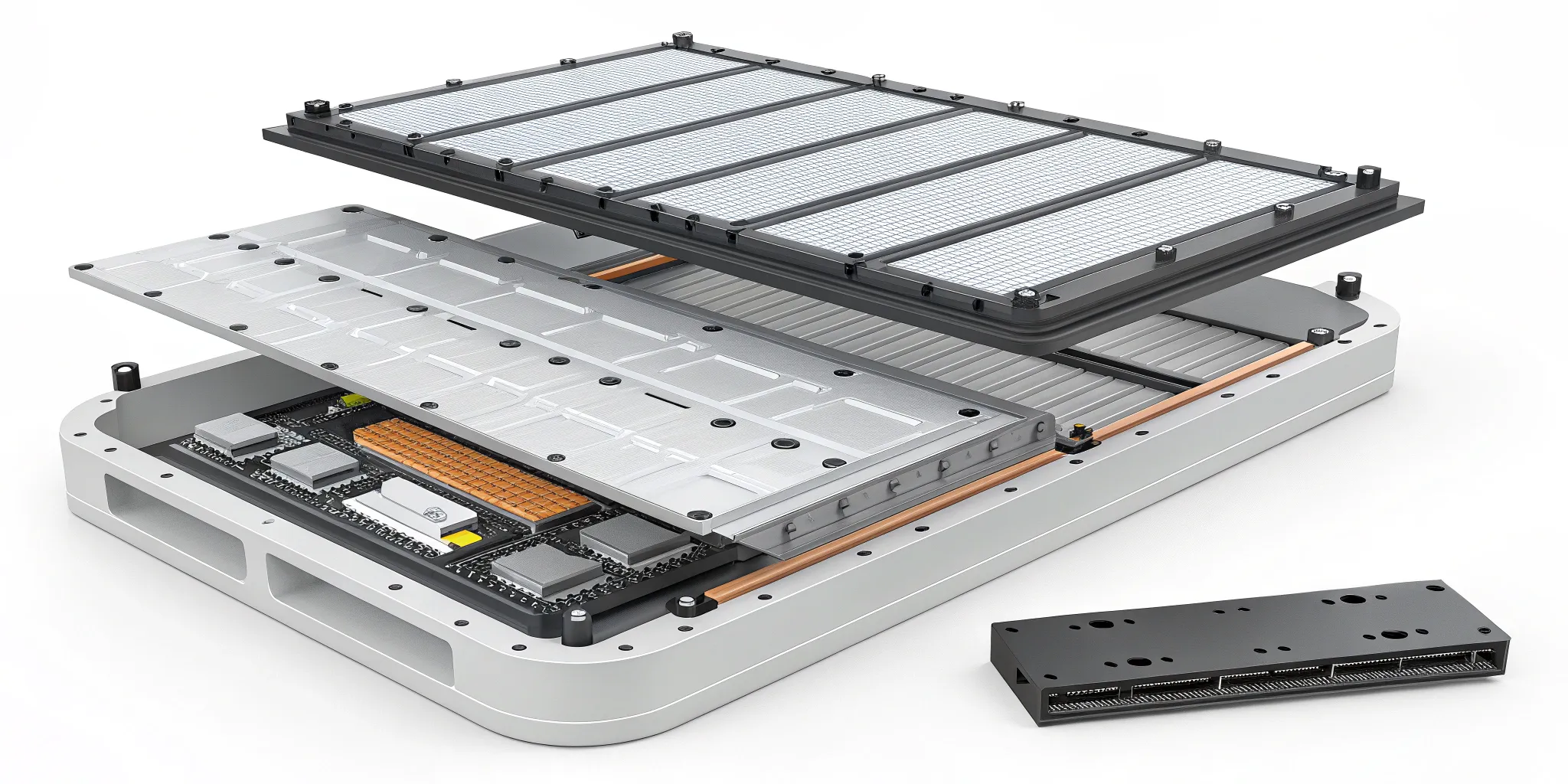
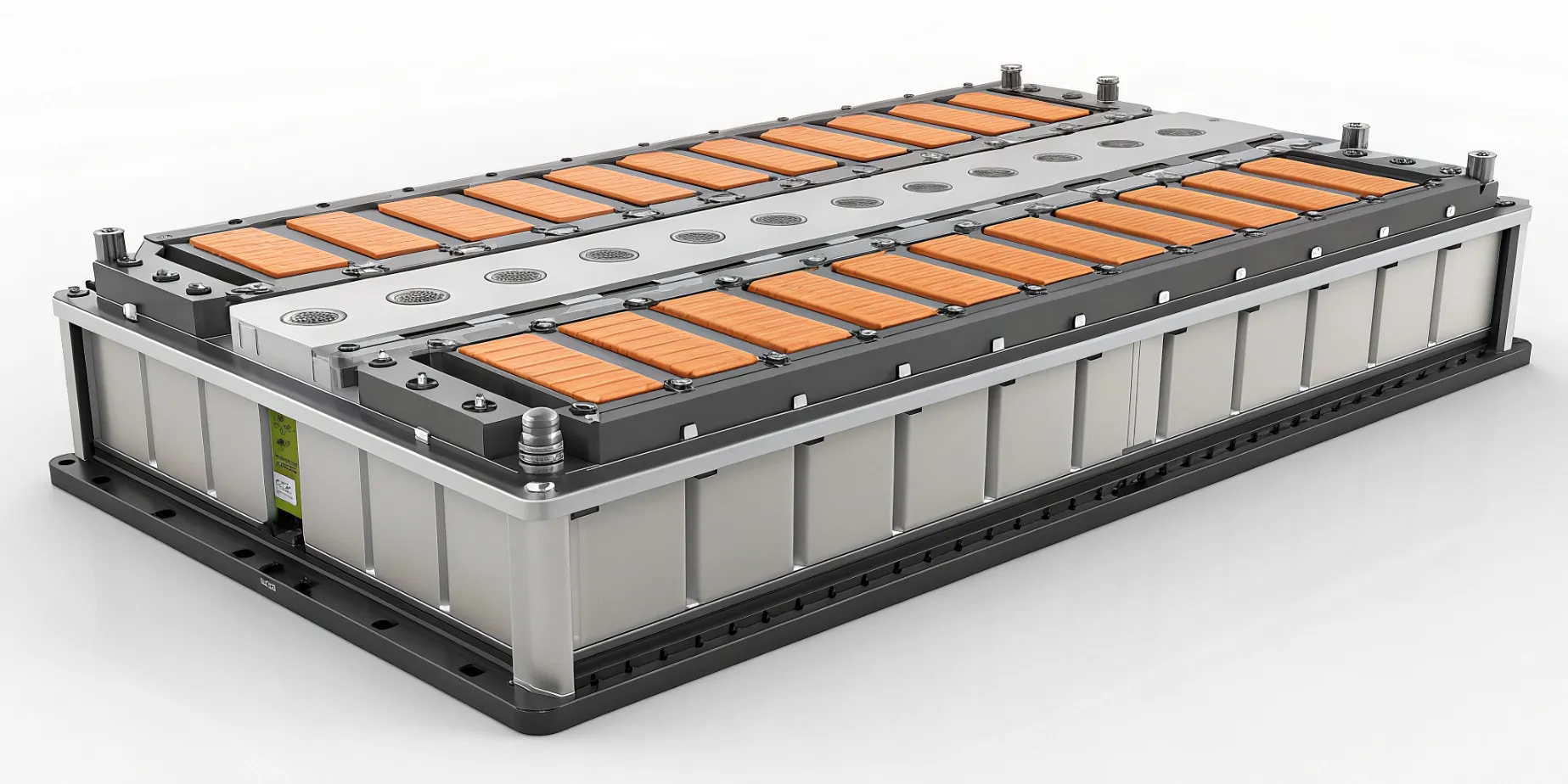
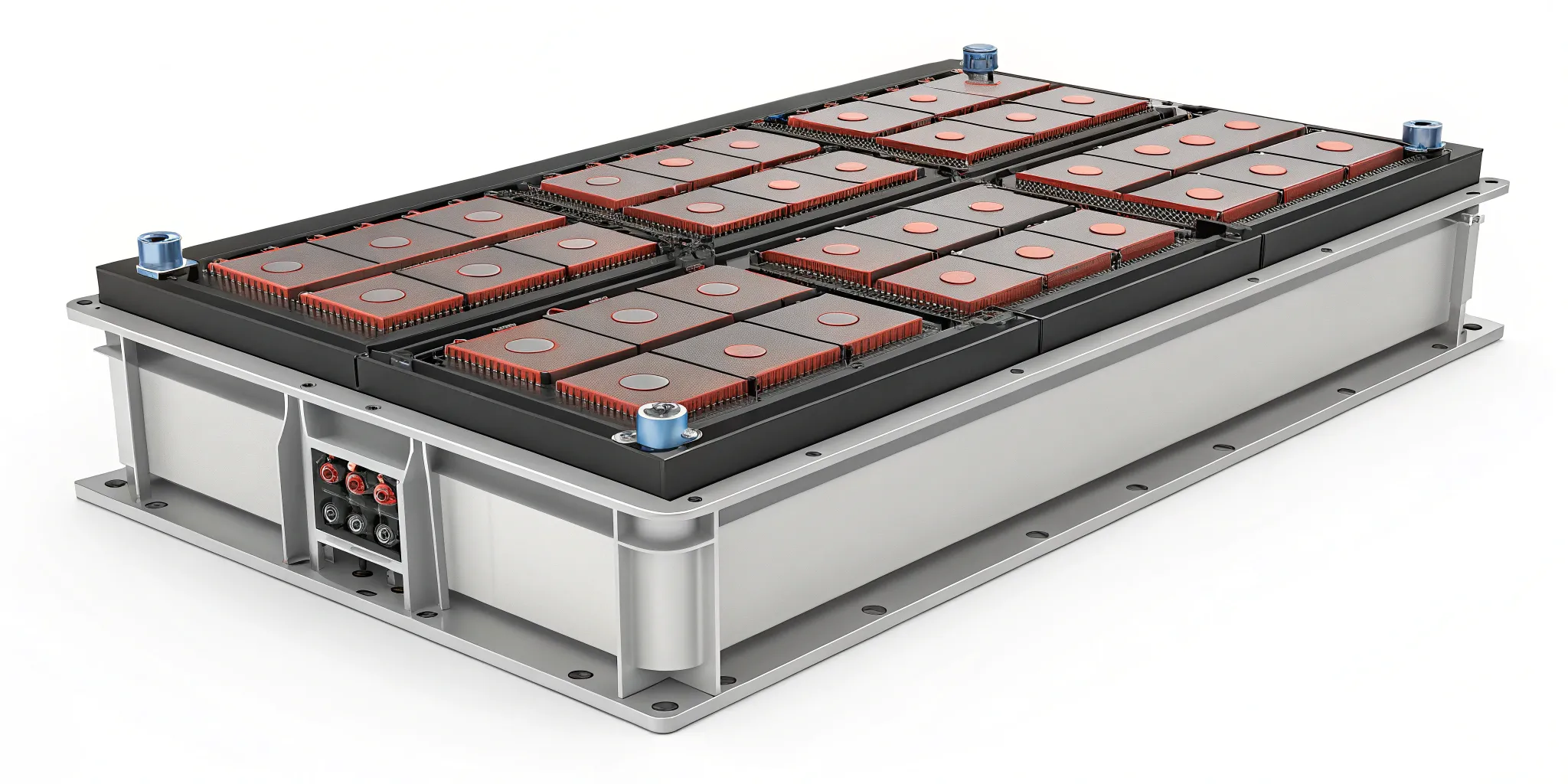
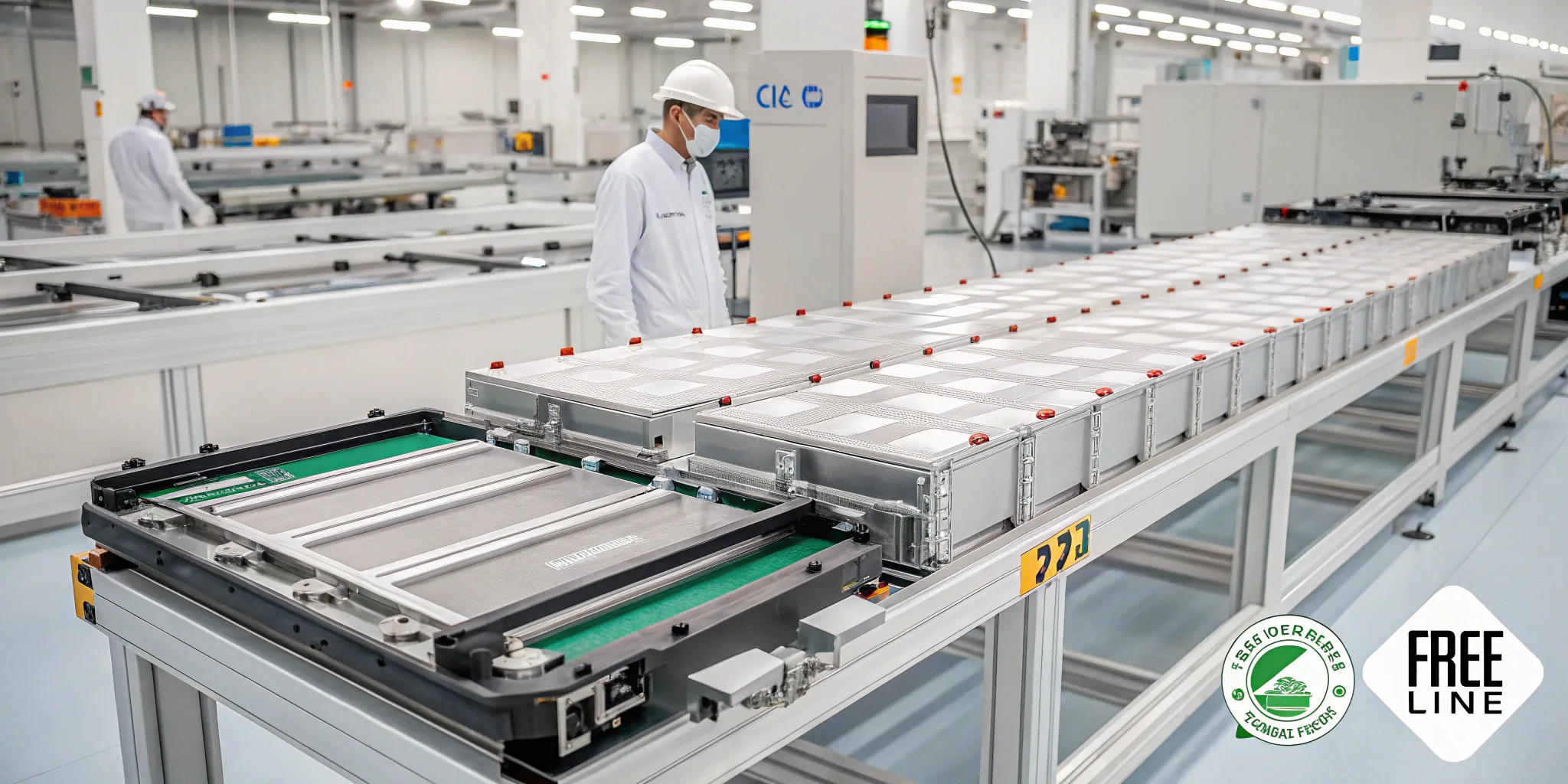
Cell-to-Pack (CTP) is a battery architecture that eliminates traditional modules and integrates cells directly into the battery pack structure. This approach enables higher volumetric energy density, reduced component count, improved structural efficiency, and simplified assembly processes.
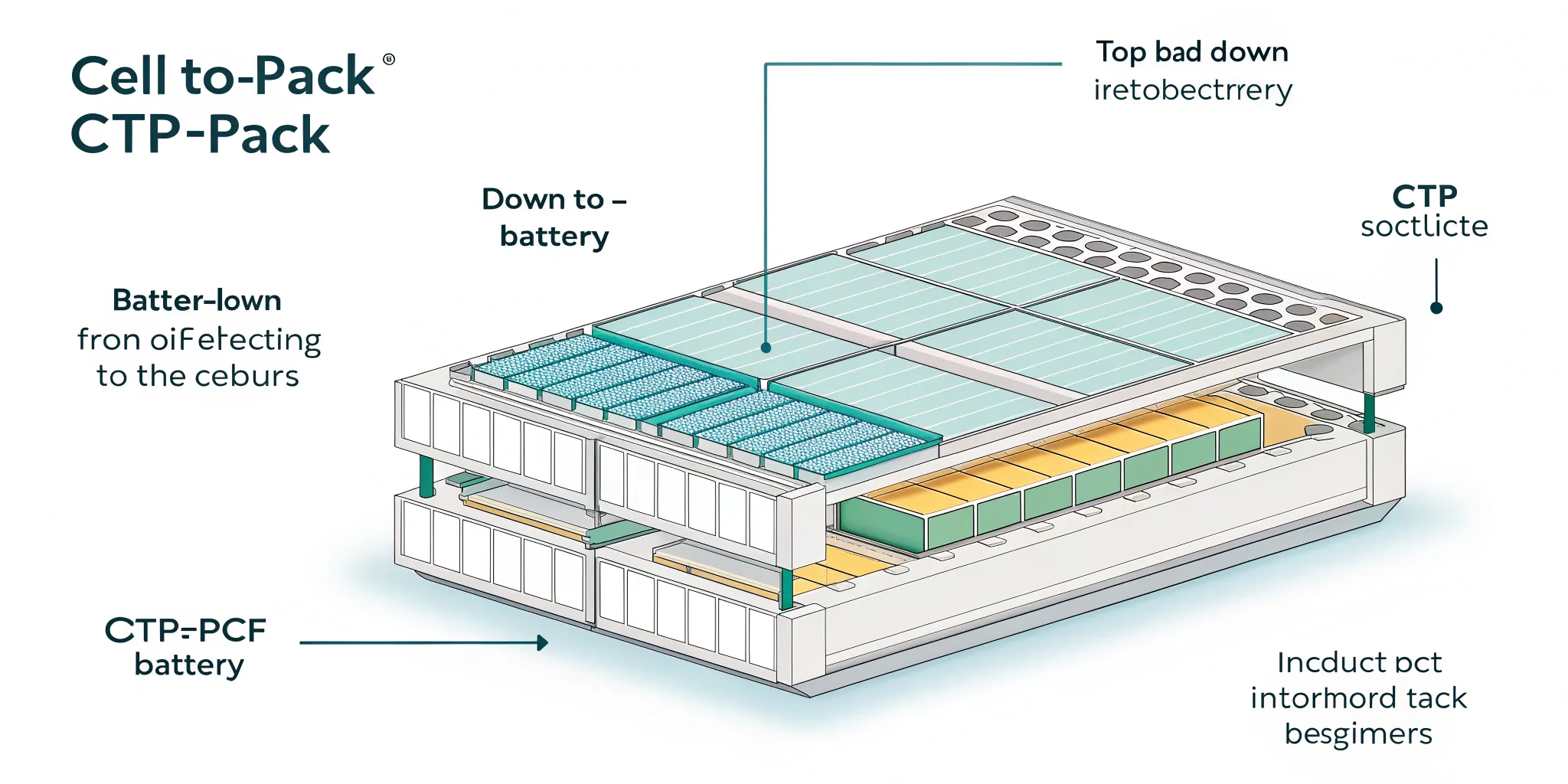
Why OEMs Are Adopting CTP Architecture
CTP is driven by system-level optimization rather than component-level design—maximizing volume usage, reducing structural redundancy, lowering weight, and improving cost efficiency at scale.
Our Role in CTP Assembly
We act as a mechanical and manufacturing integration partner, focusing on how CTP designs can be reliably produced. Our scope covers structural pack architecture support, cell fixation and load management, thermal and sealing integration, and manufacturing-ready process design.
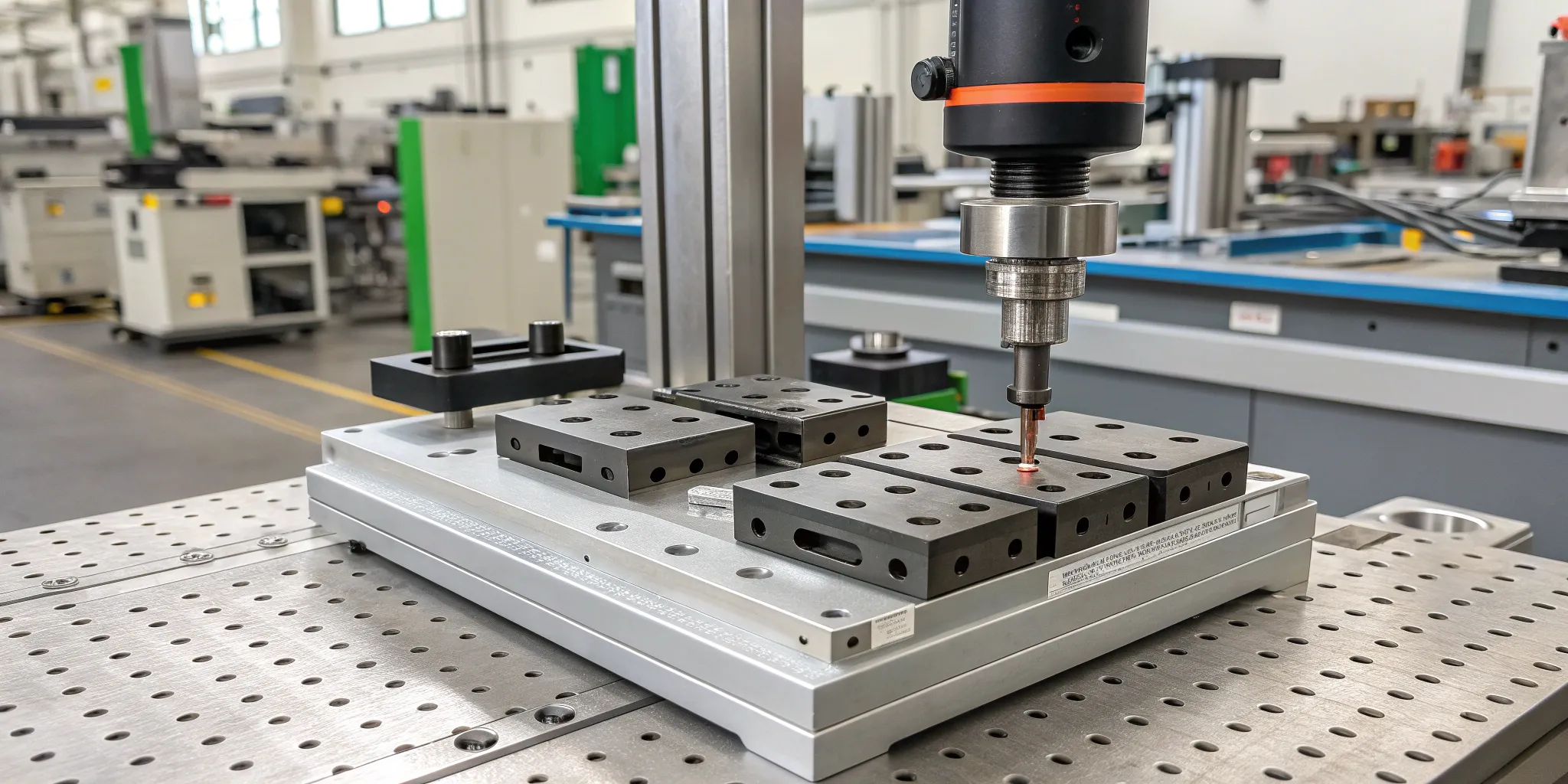
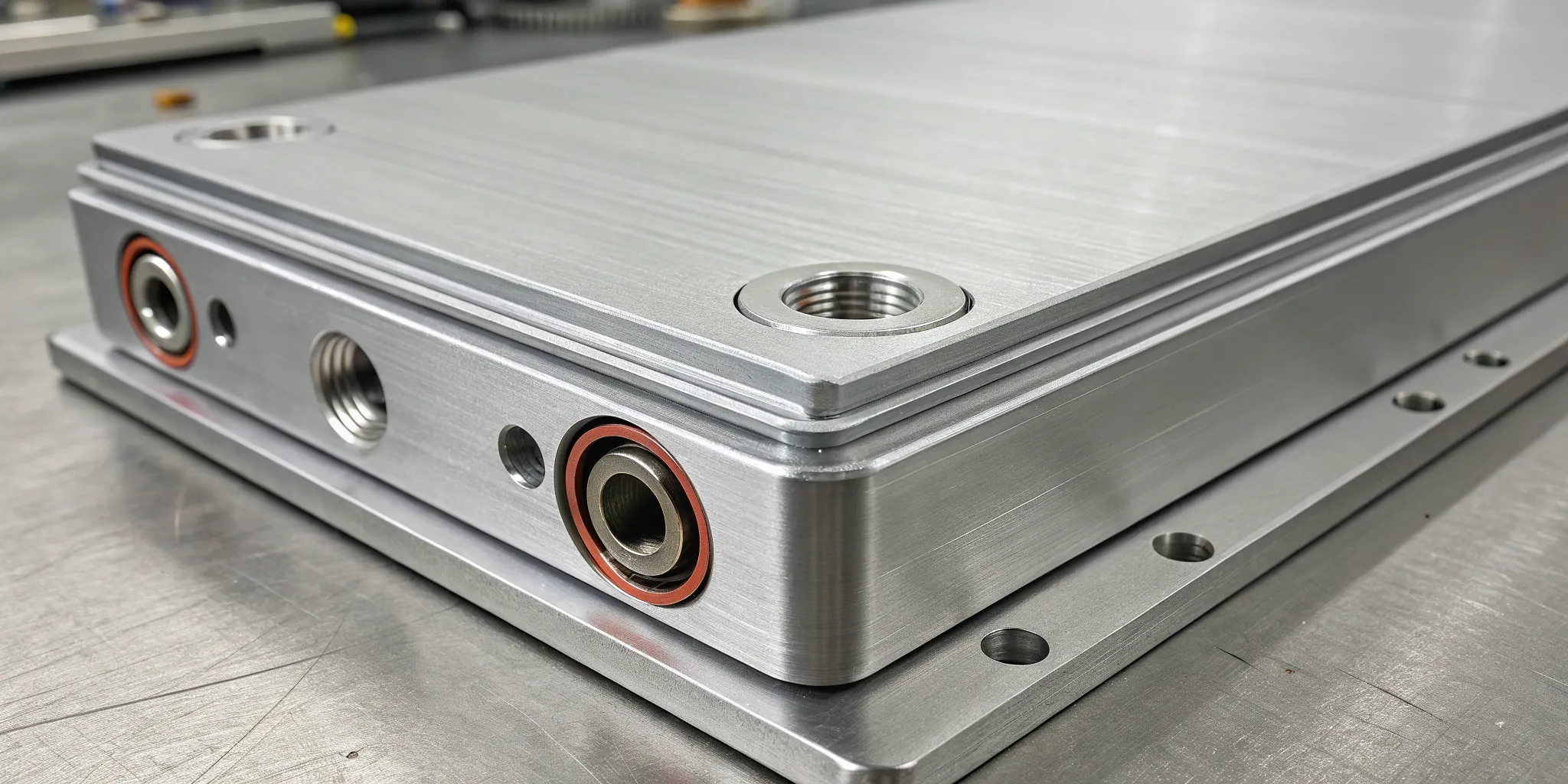
Structural Design in CTP Systems
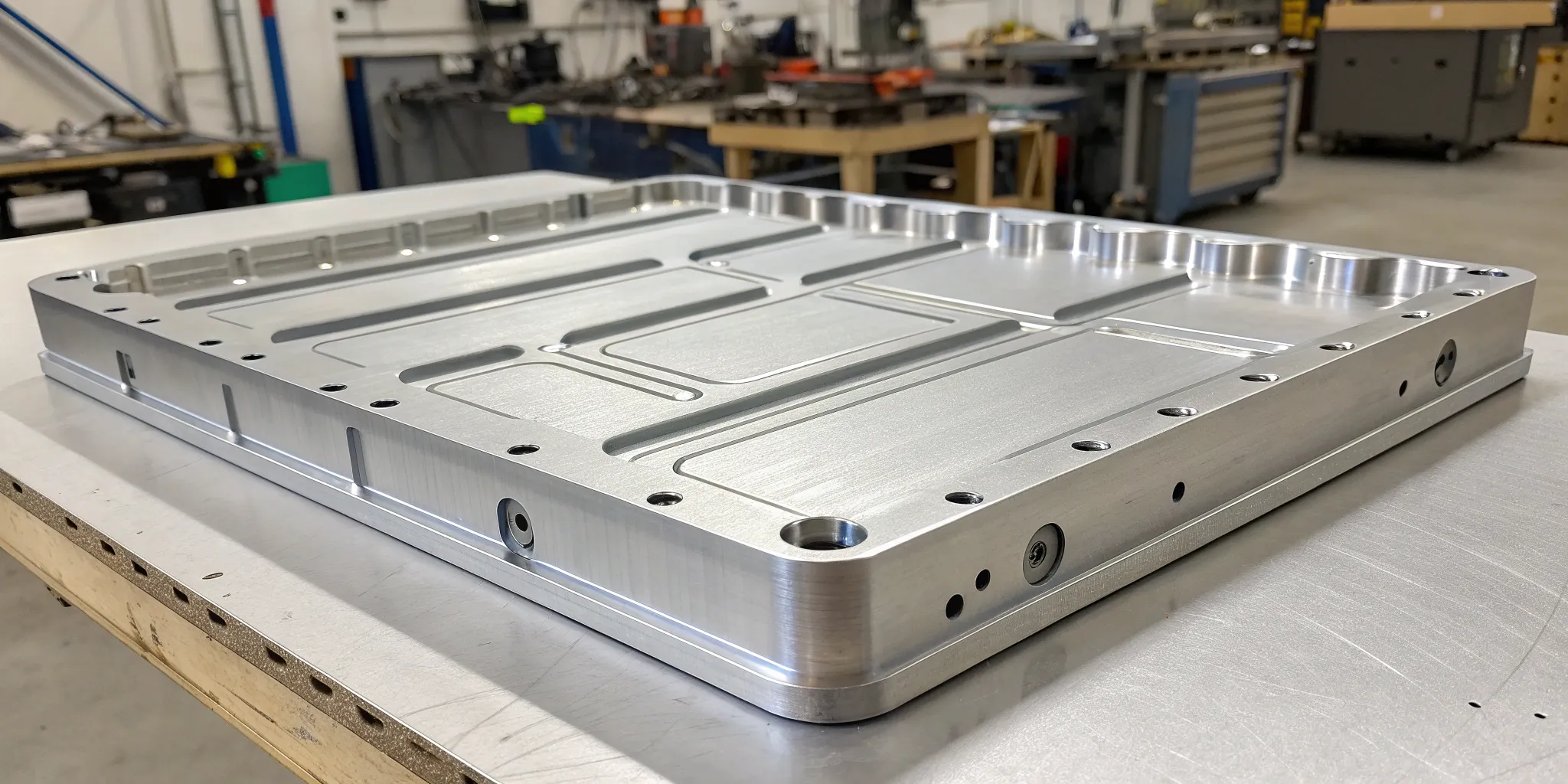
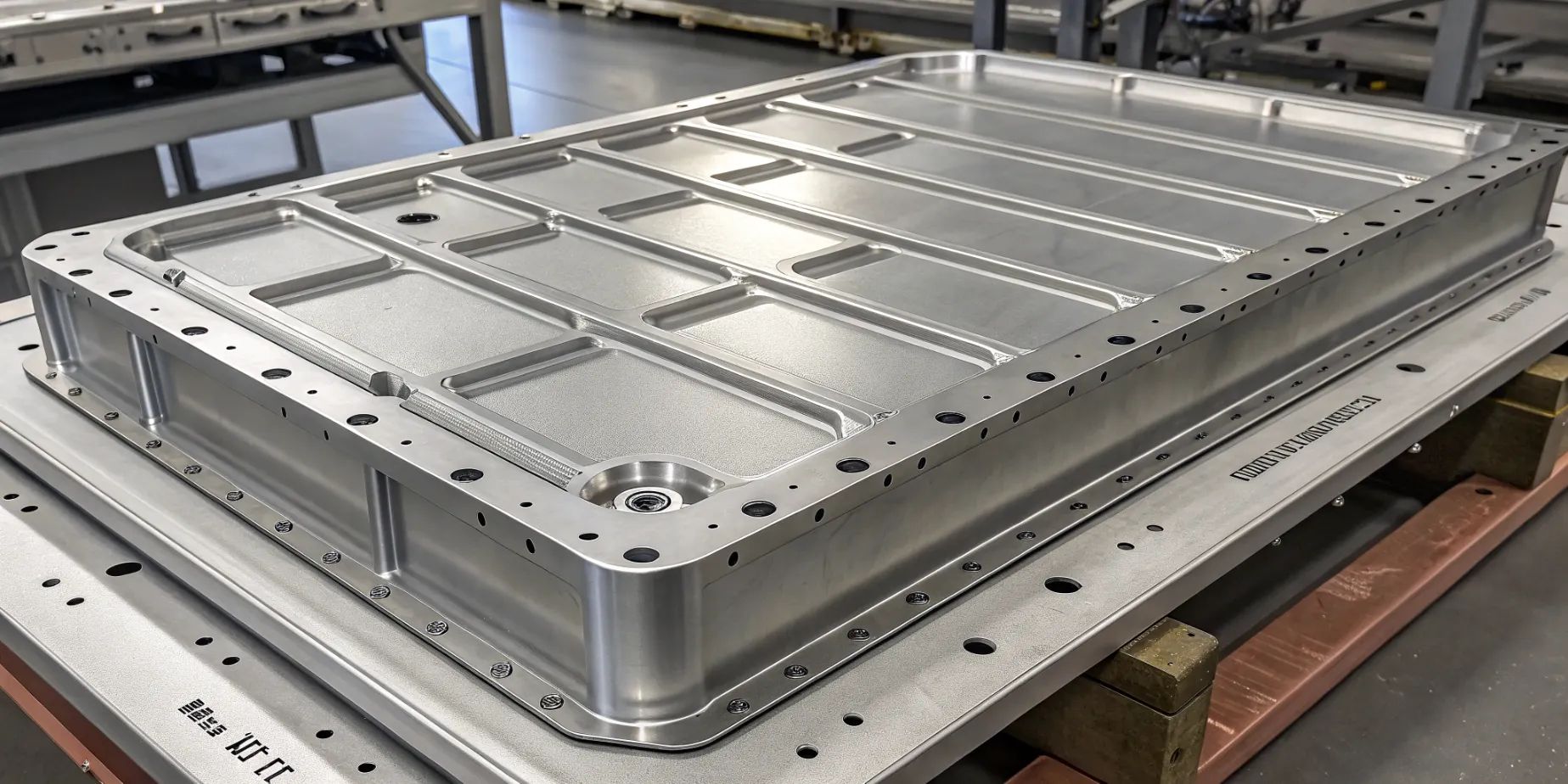
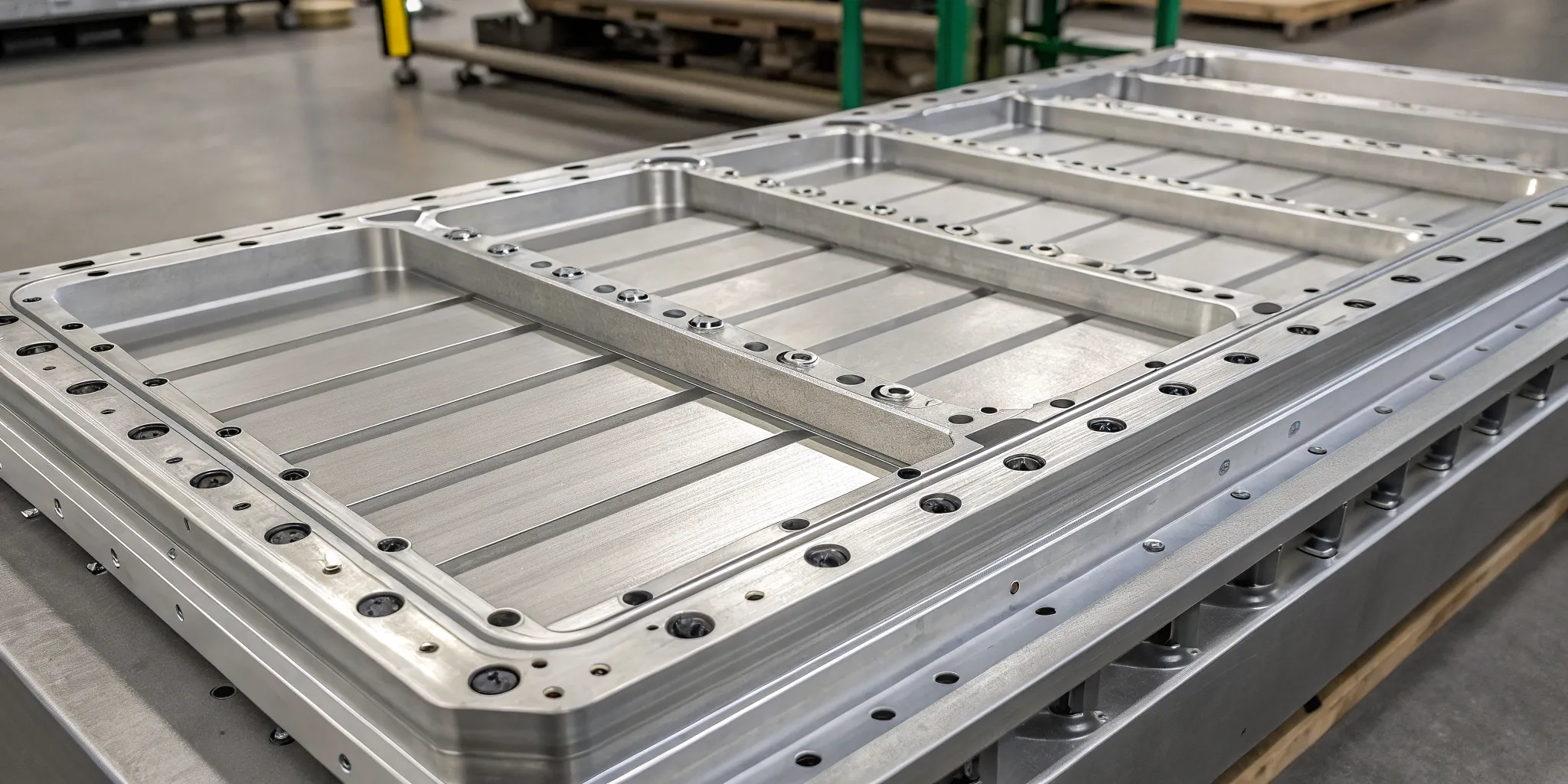
In CTP, the battery pack becomes a load-bearing structure. We support reinforced frames and trays, structural ribs and load paths, controlled deformation behavior, and compatibility with chassis integration.
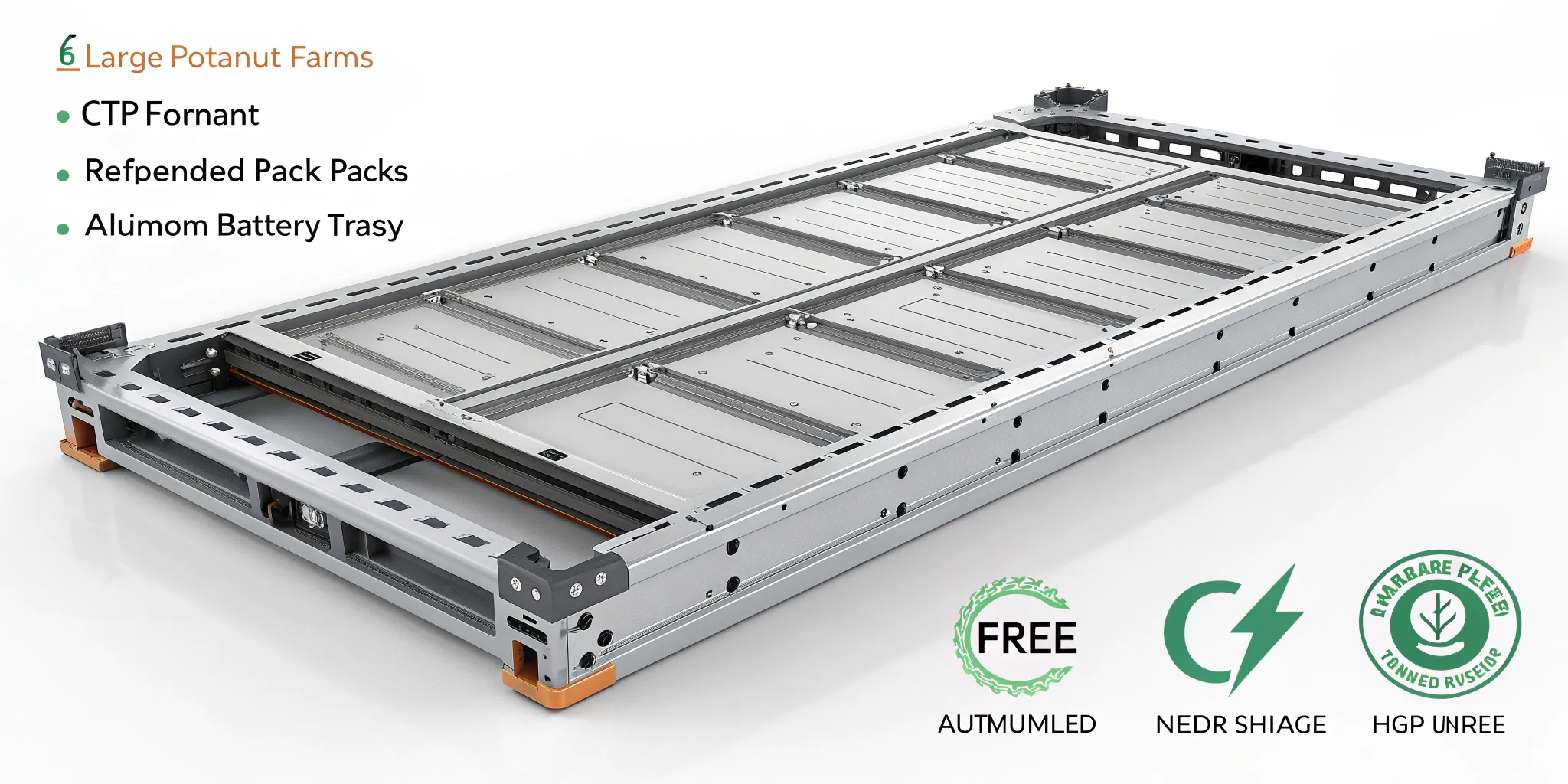
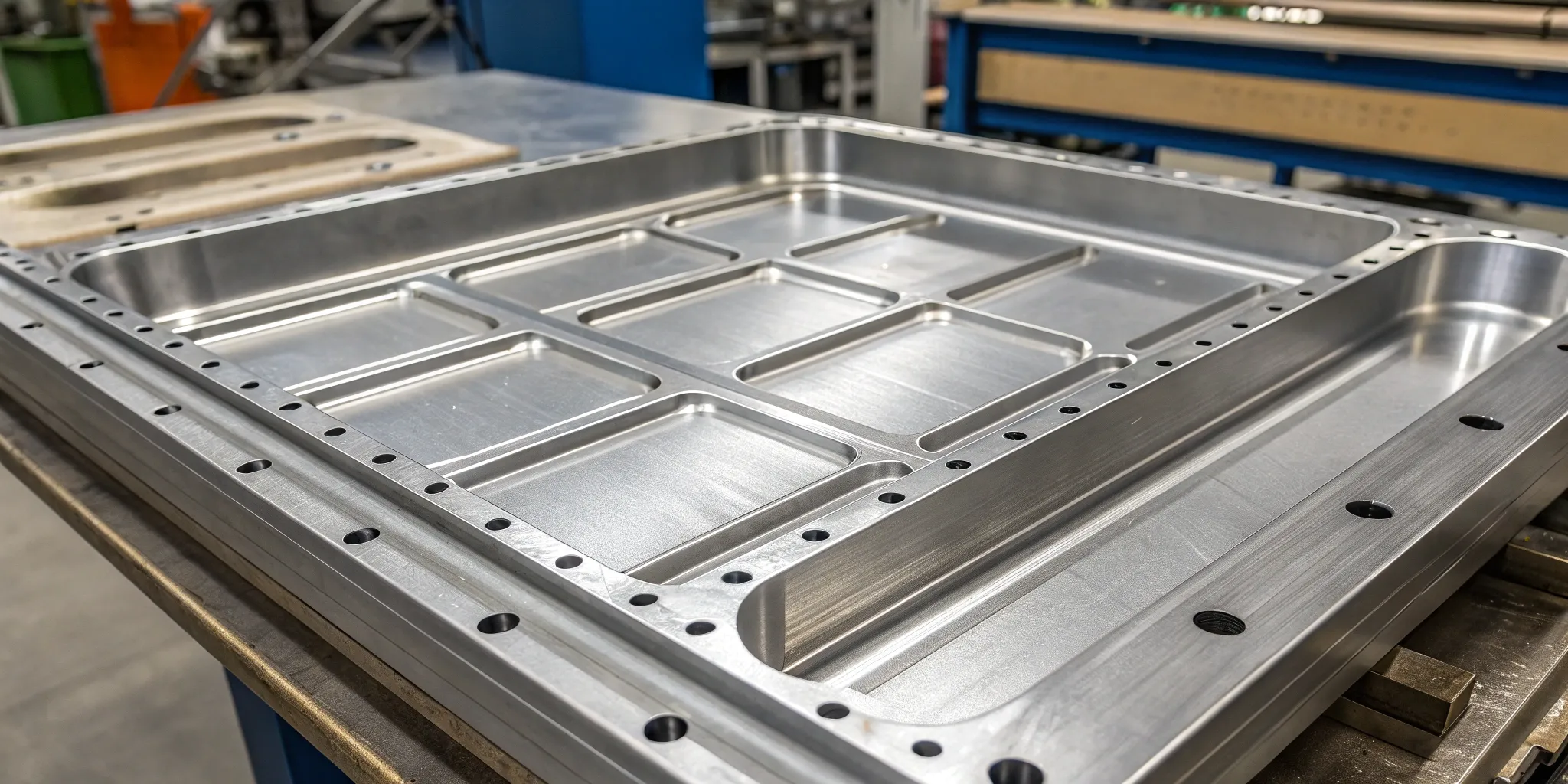
Cell Placement and Fixation Strategy
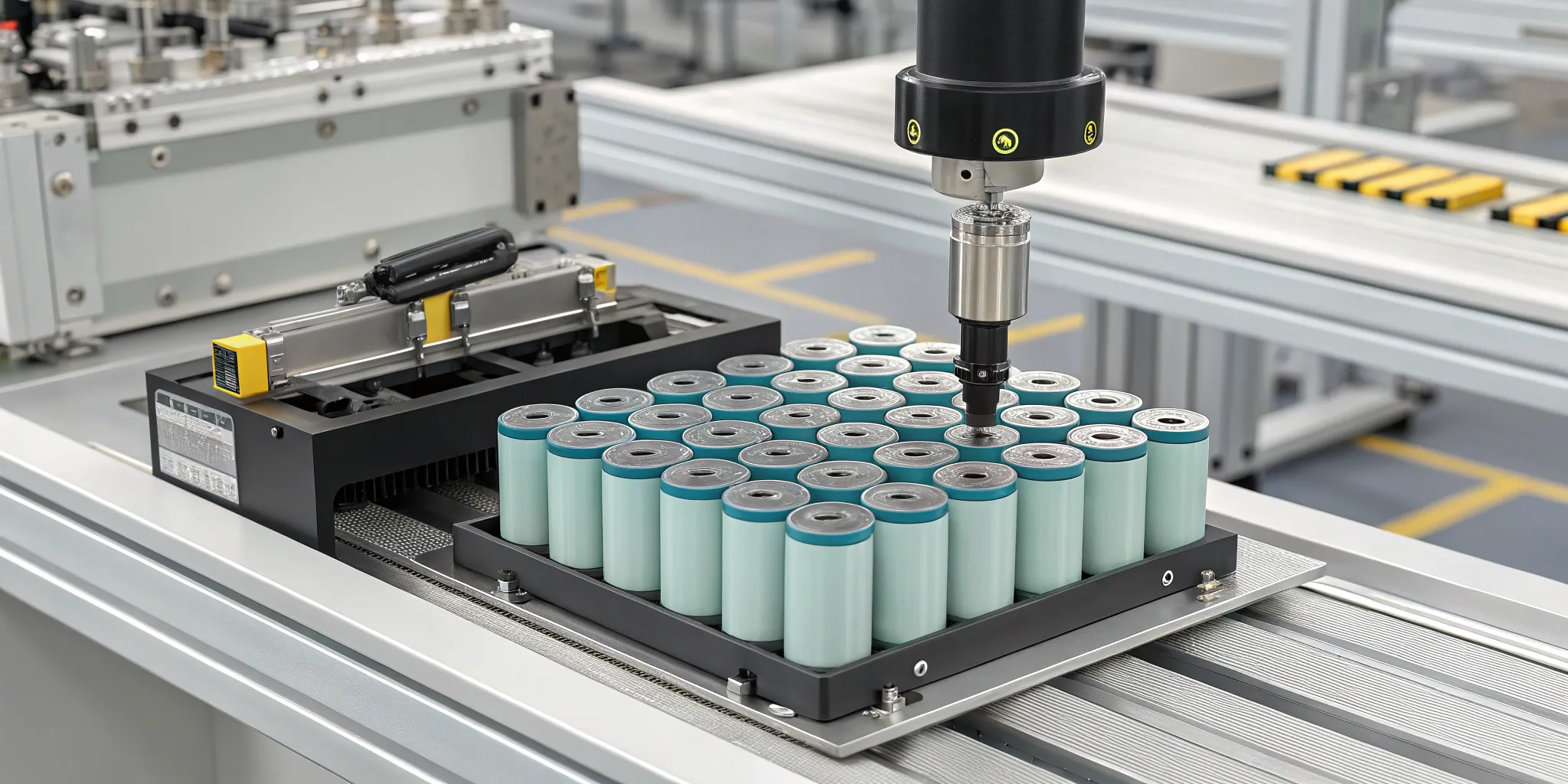
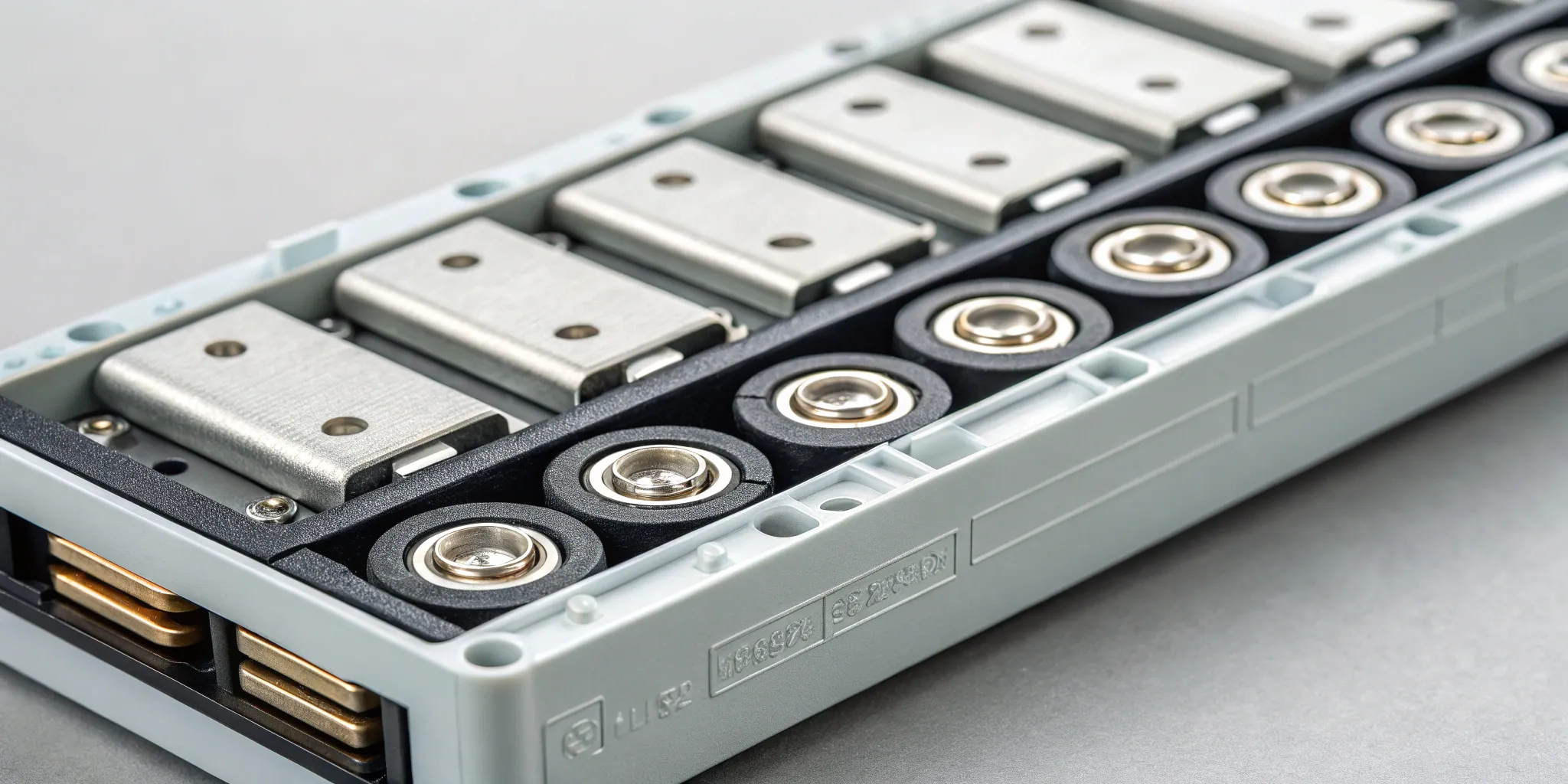
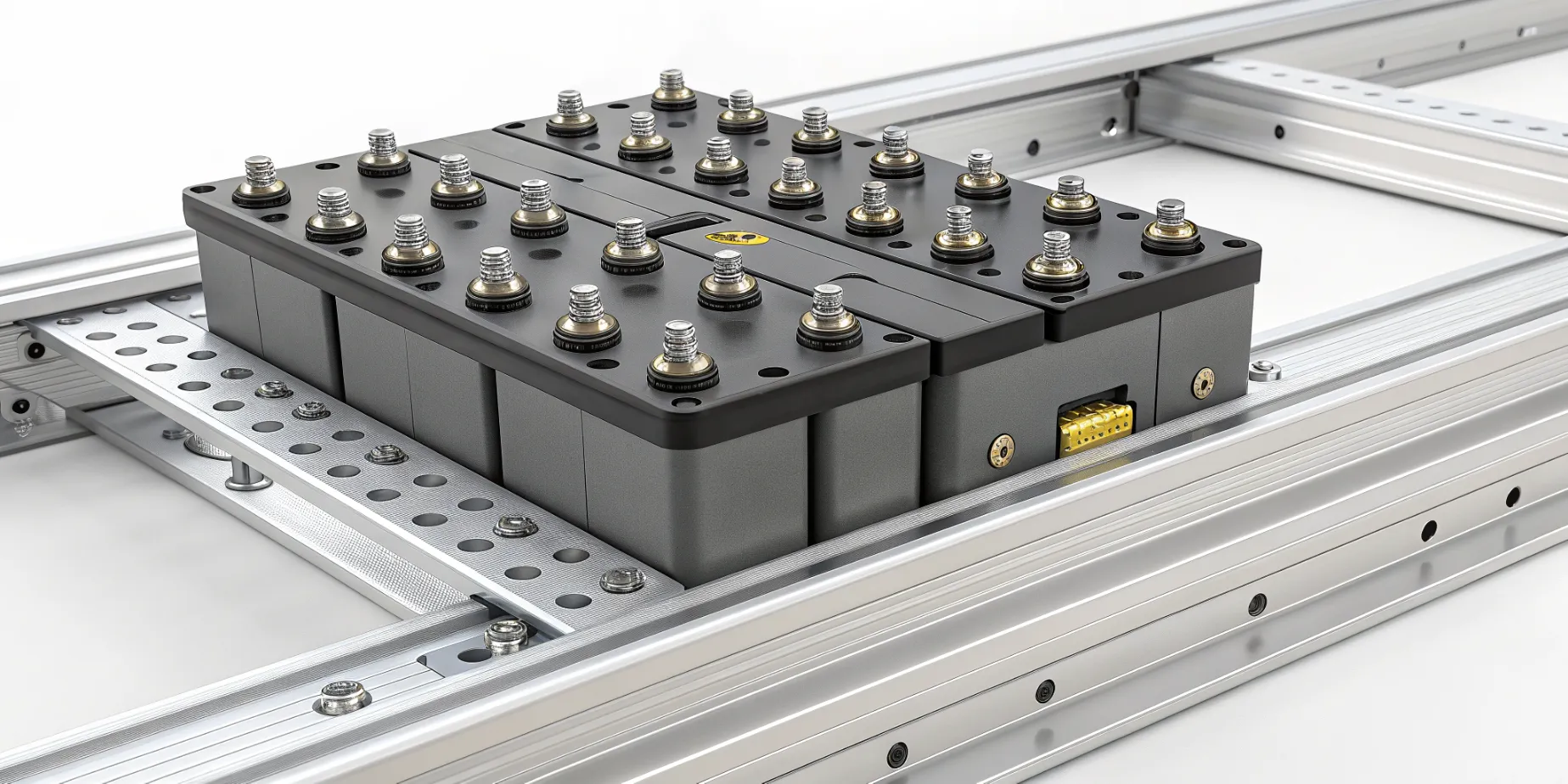
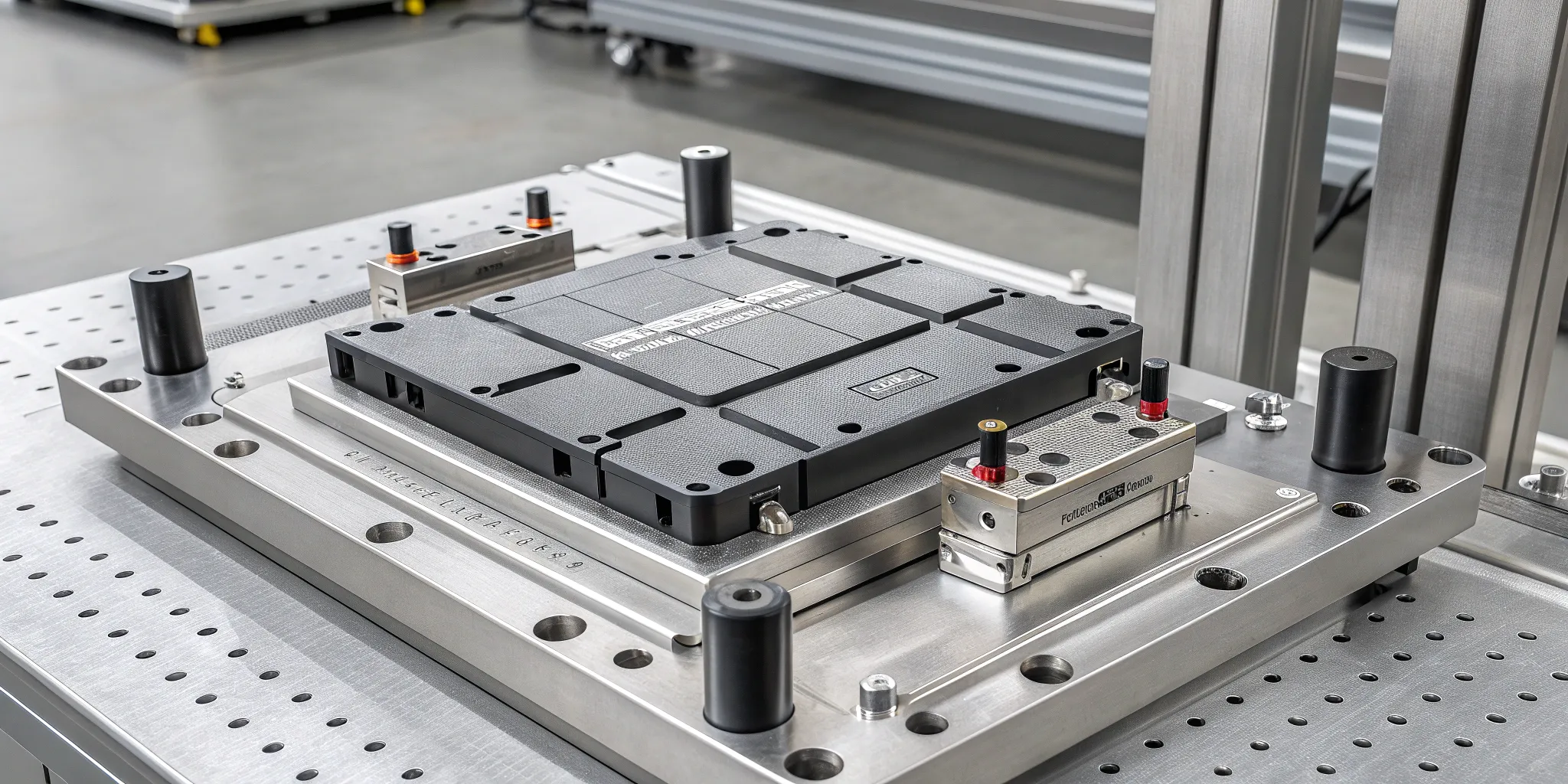
Without modules, cell positioning becomes critical. We support accurate cell alignment and spacing, stable fixation under vibration and shock, accommodation of thermal expansion, and long-term mechanical stability.
Compression and Mechanical Load Control
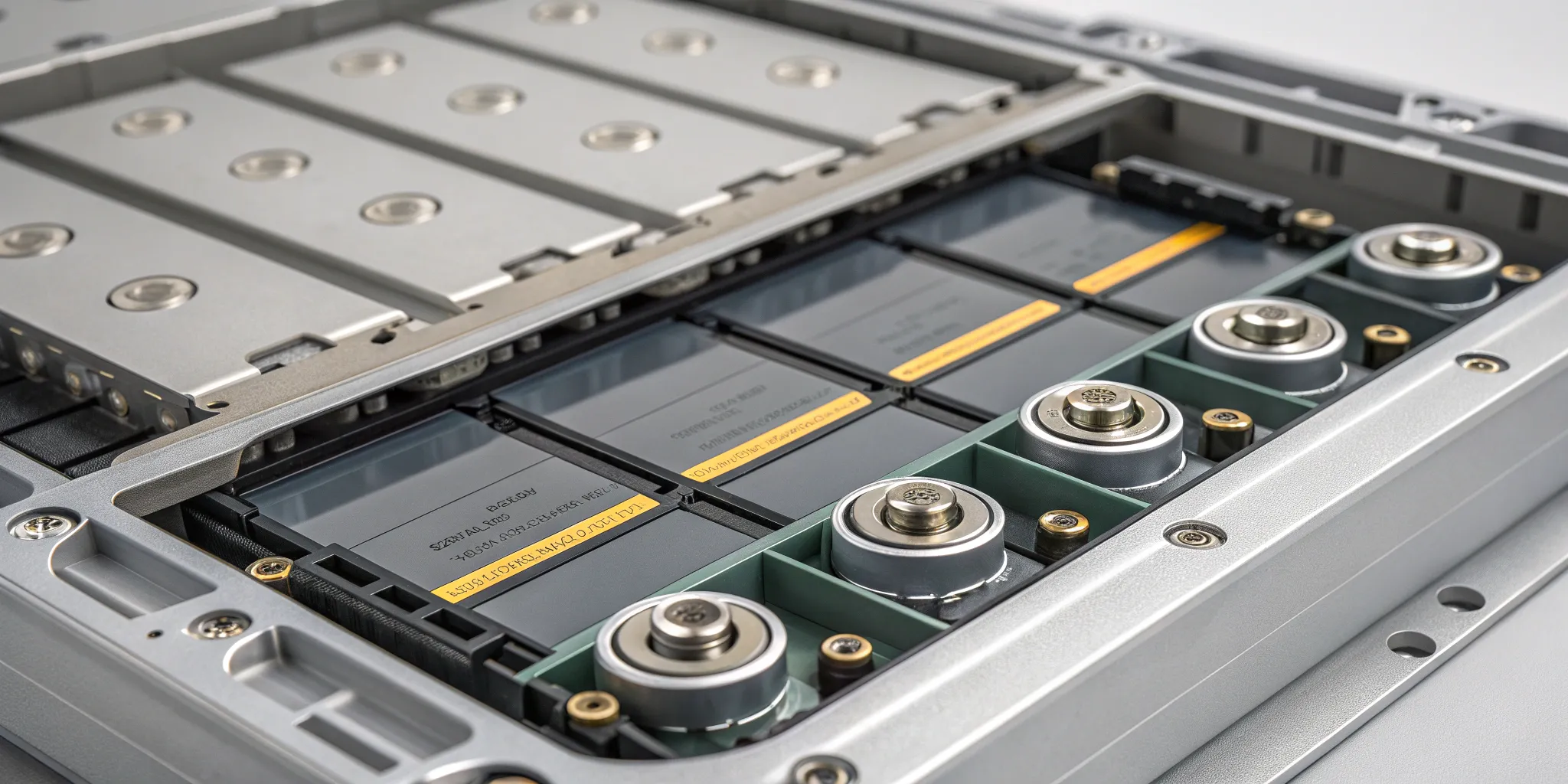
CTP systems require precise load management. We consider uniform compression strategies, avoidance of localized stress, stiffness of pack covers/frames, and durability under cyclic loading.
Thermal Management in CTP Packs
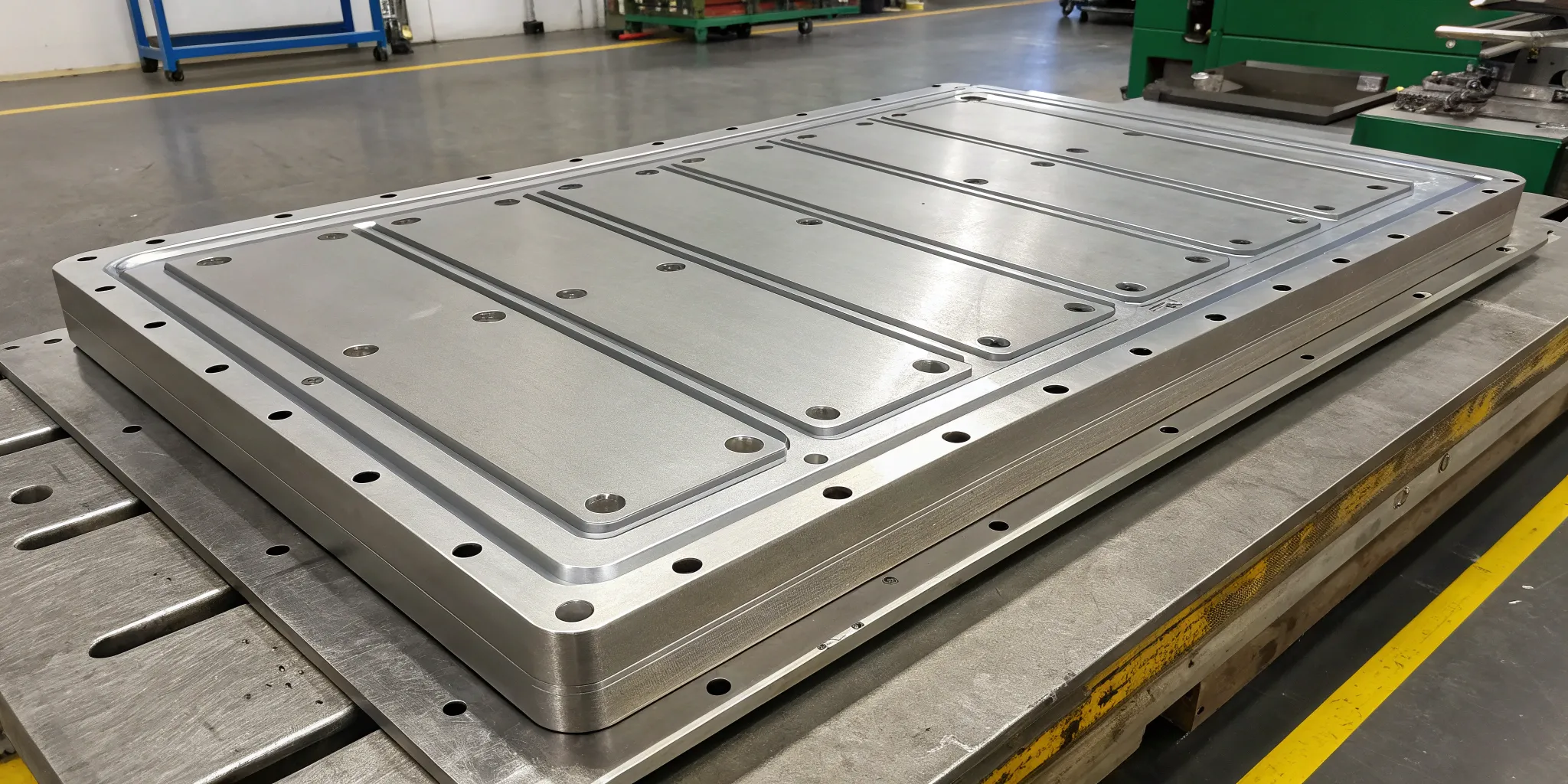
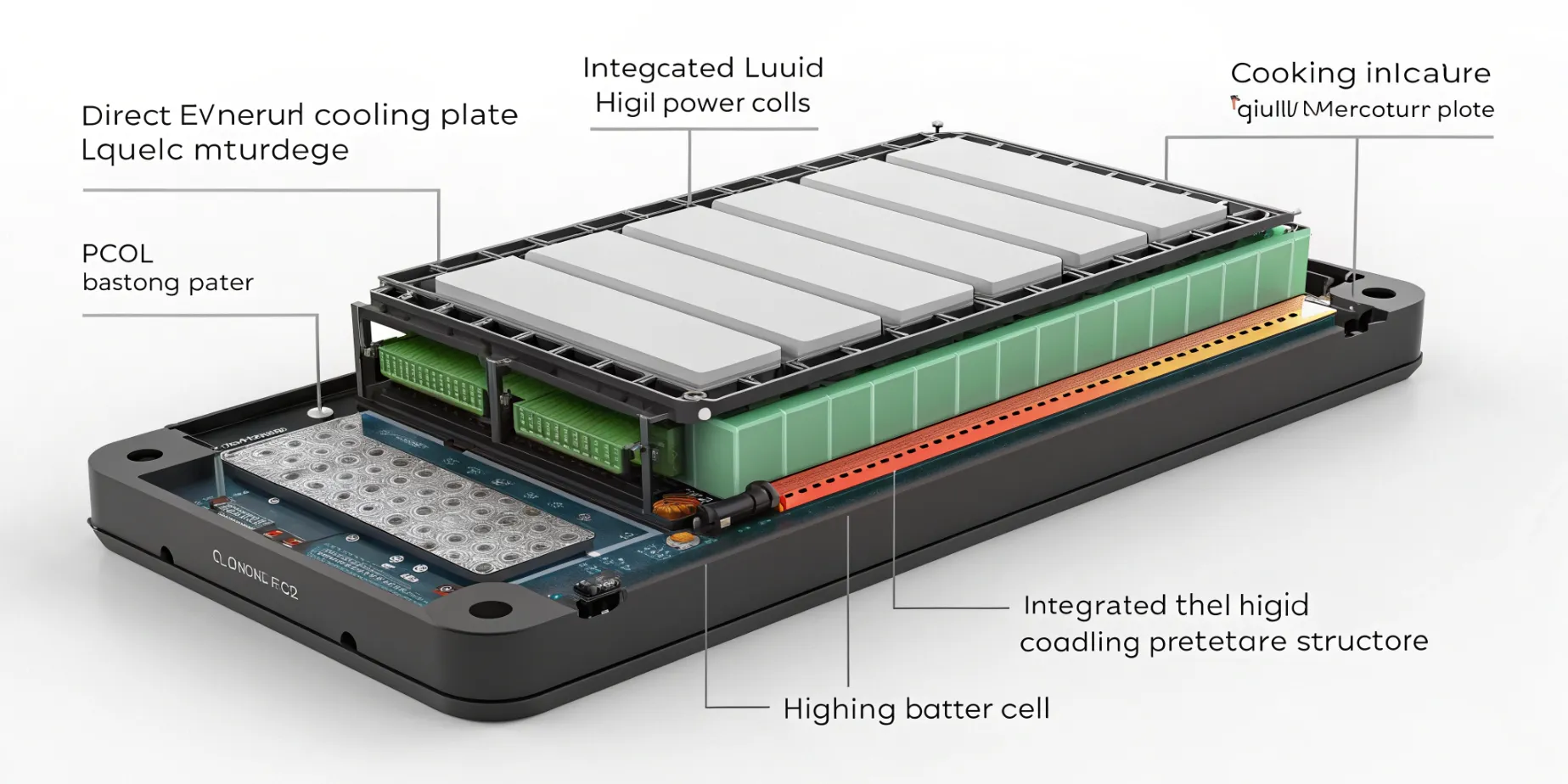
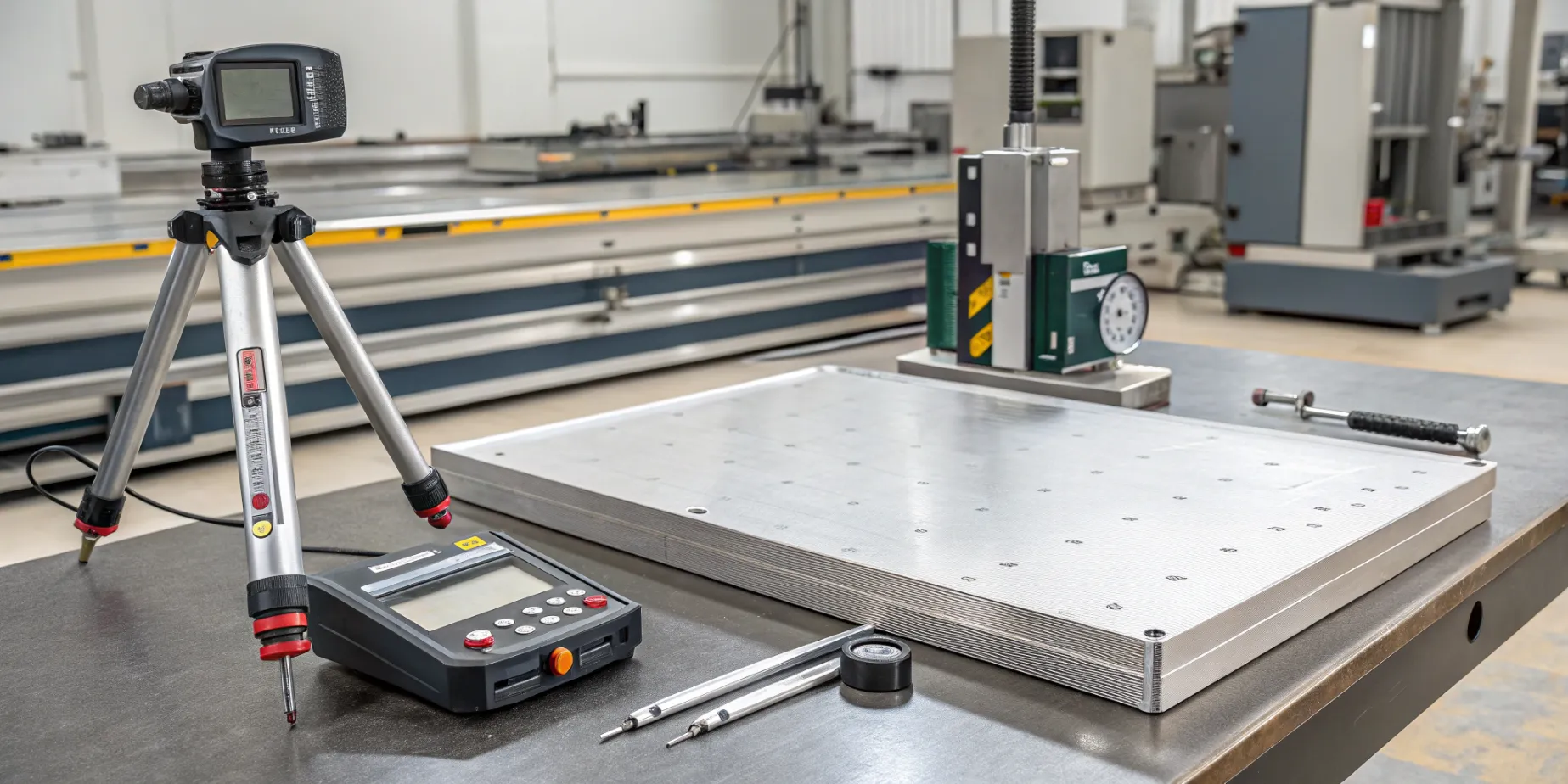
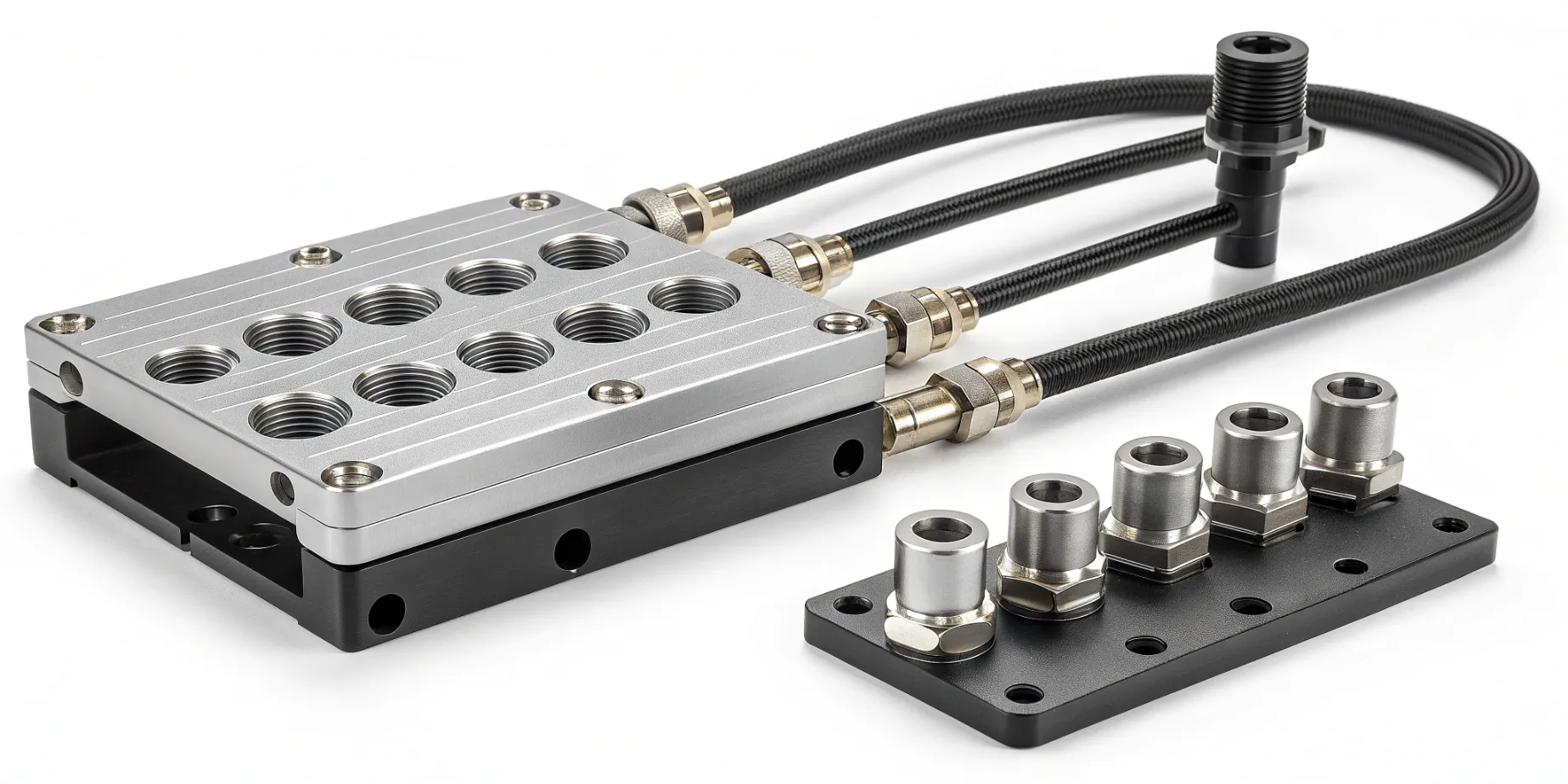
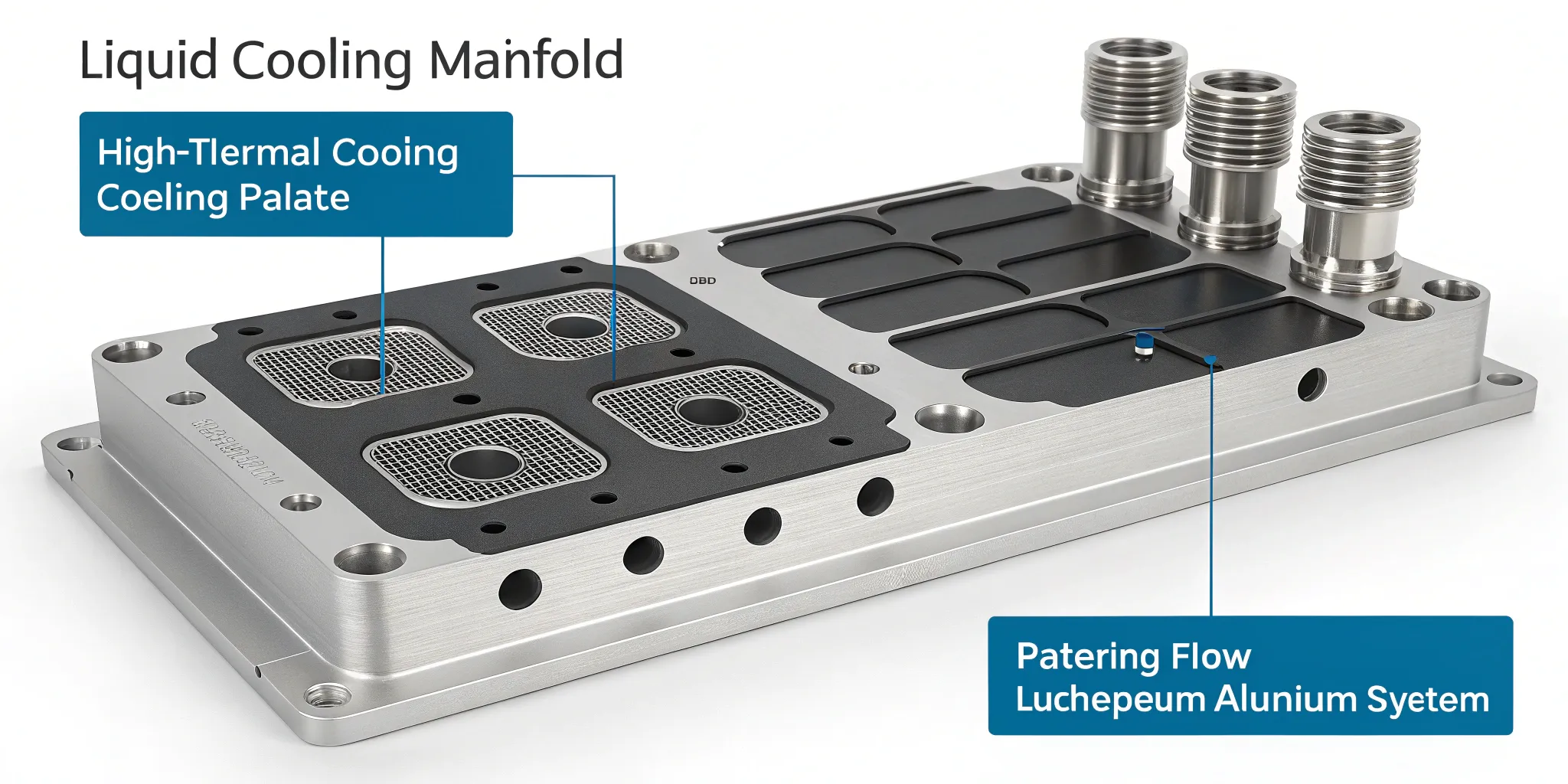
Thermal design is one of the most critical aspects of CTP. We support direct integration of liquid cooling plates, optimized heat transfer paths, flatness control for thermal interfaces, and consistent temperature distribution across cells.
Sealing and Environmental Protection
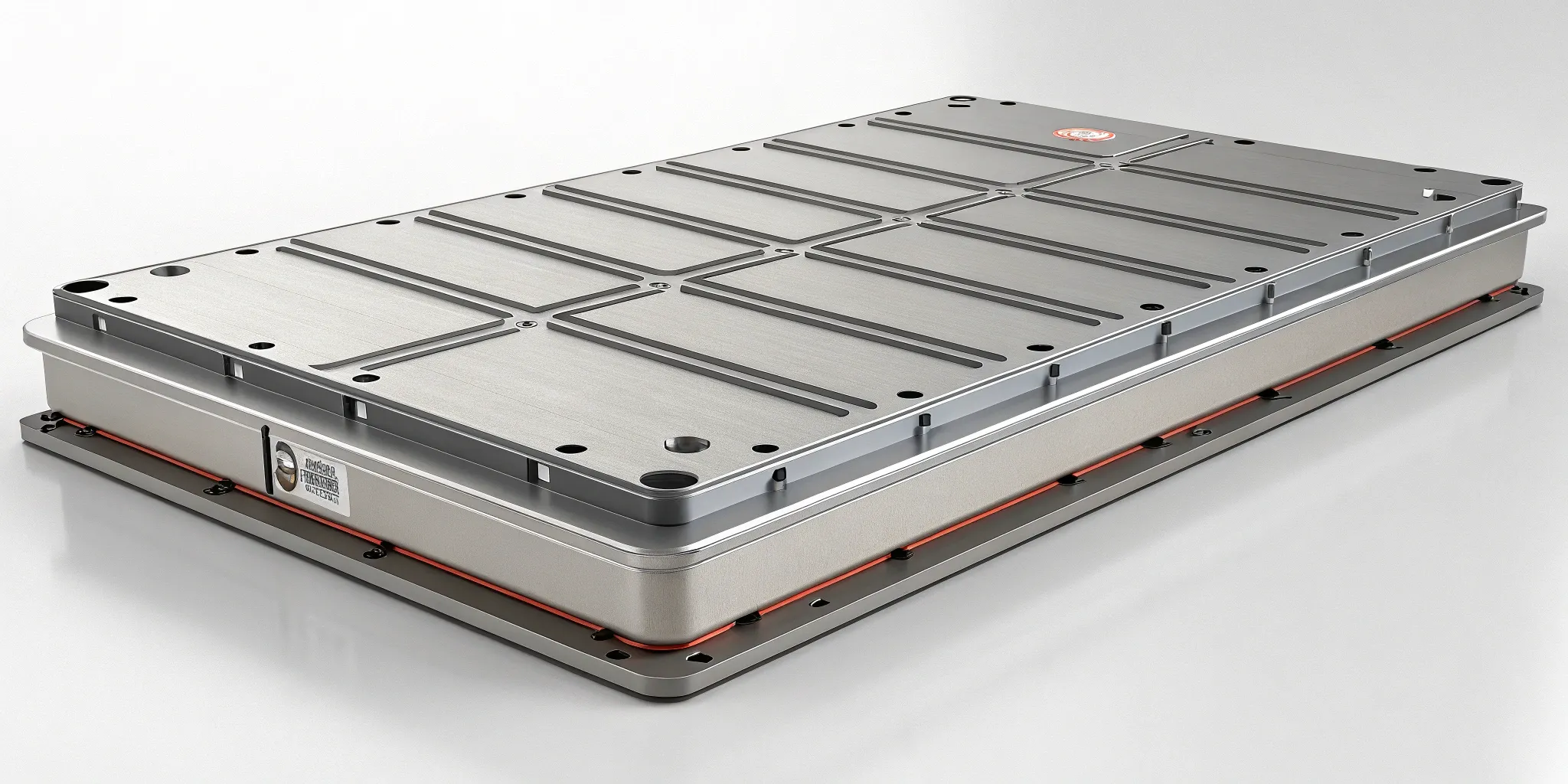
CTP packs often operate as fully sealed systems. We support IP67–IP69K sealing architectures, precision-machined sealing interfaces, vent and pressure equalization features, and long-term protection against moisture and dust.
Electrical Integration Readiness
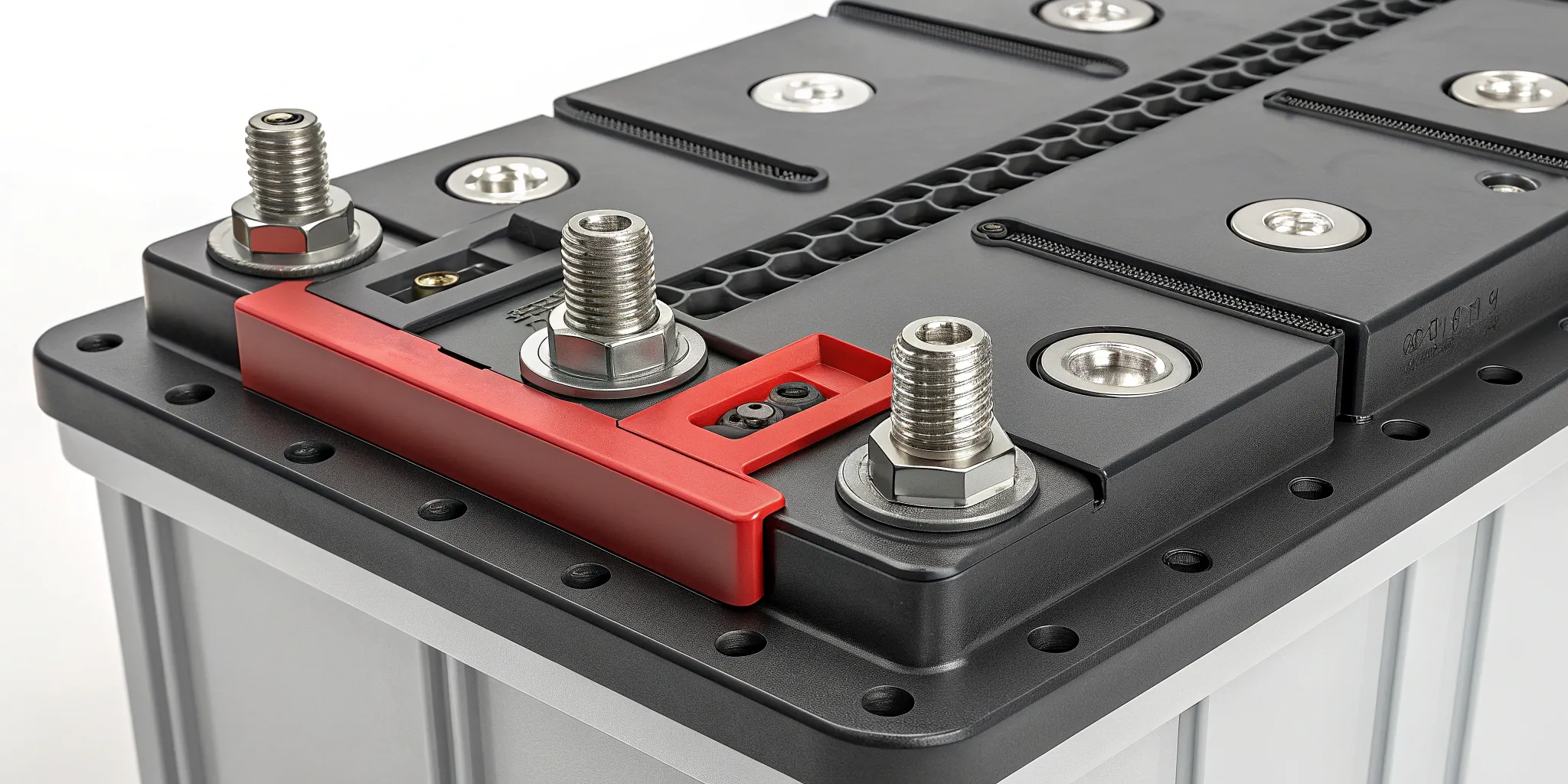
Although electronics may be customer-supplied, mechanical readiness is essential. We support HV cable routing and protection, BMS mounting and interface preparation, clearance and creepage distance considerations, and assembly-friendly electrical layouts.
Manufacturing Process Design for CTP
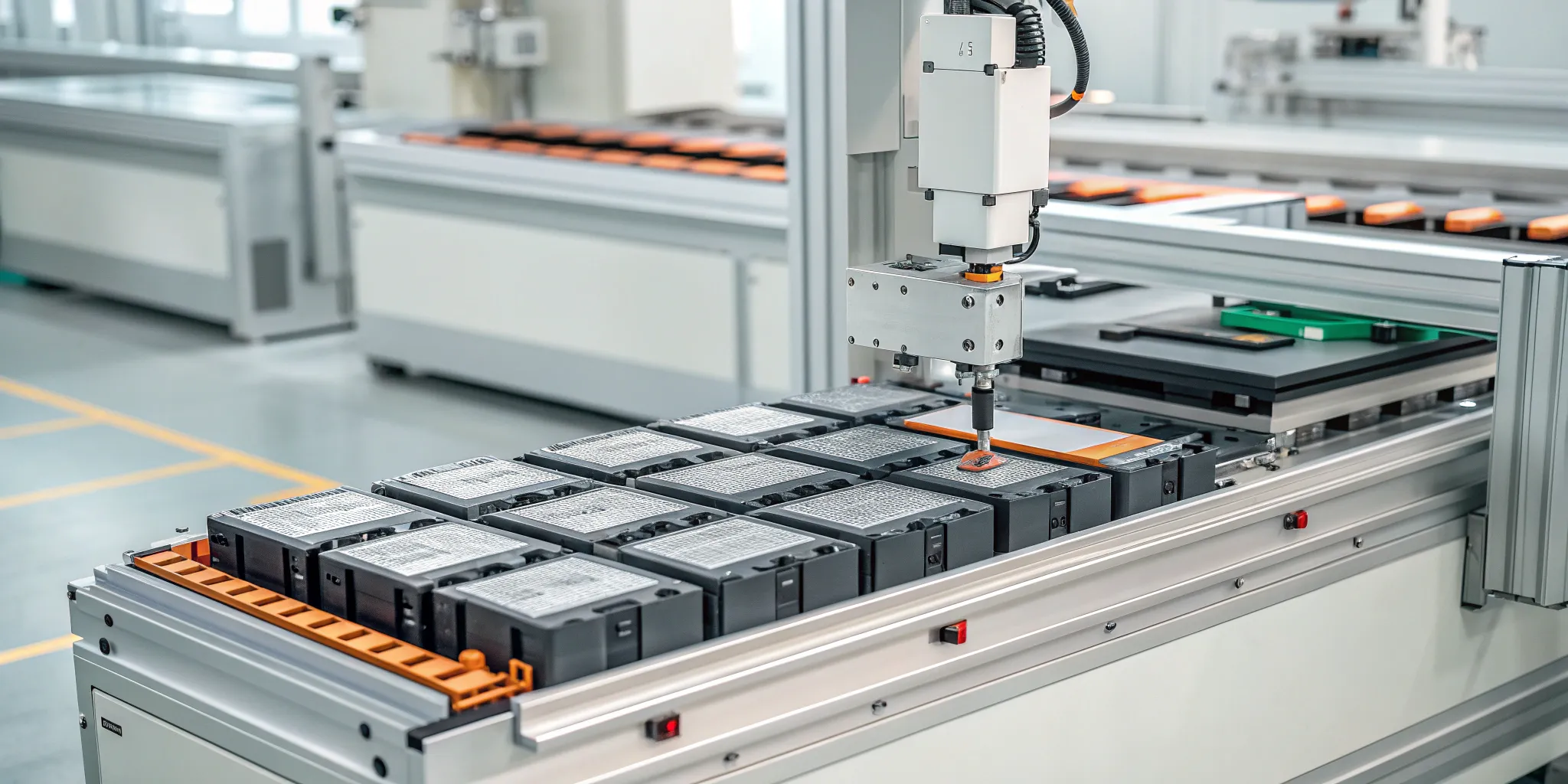
CTP requires a different manufacturing mindset. We design processes around cell loading and positioning sequences, controlled fastening/bonding steps, reduced complexity, and repeatable scalable workflows.
Quality Control and Inspection in CTP Assembly
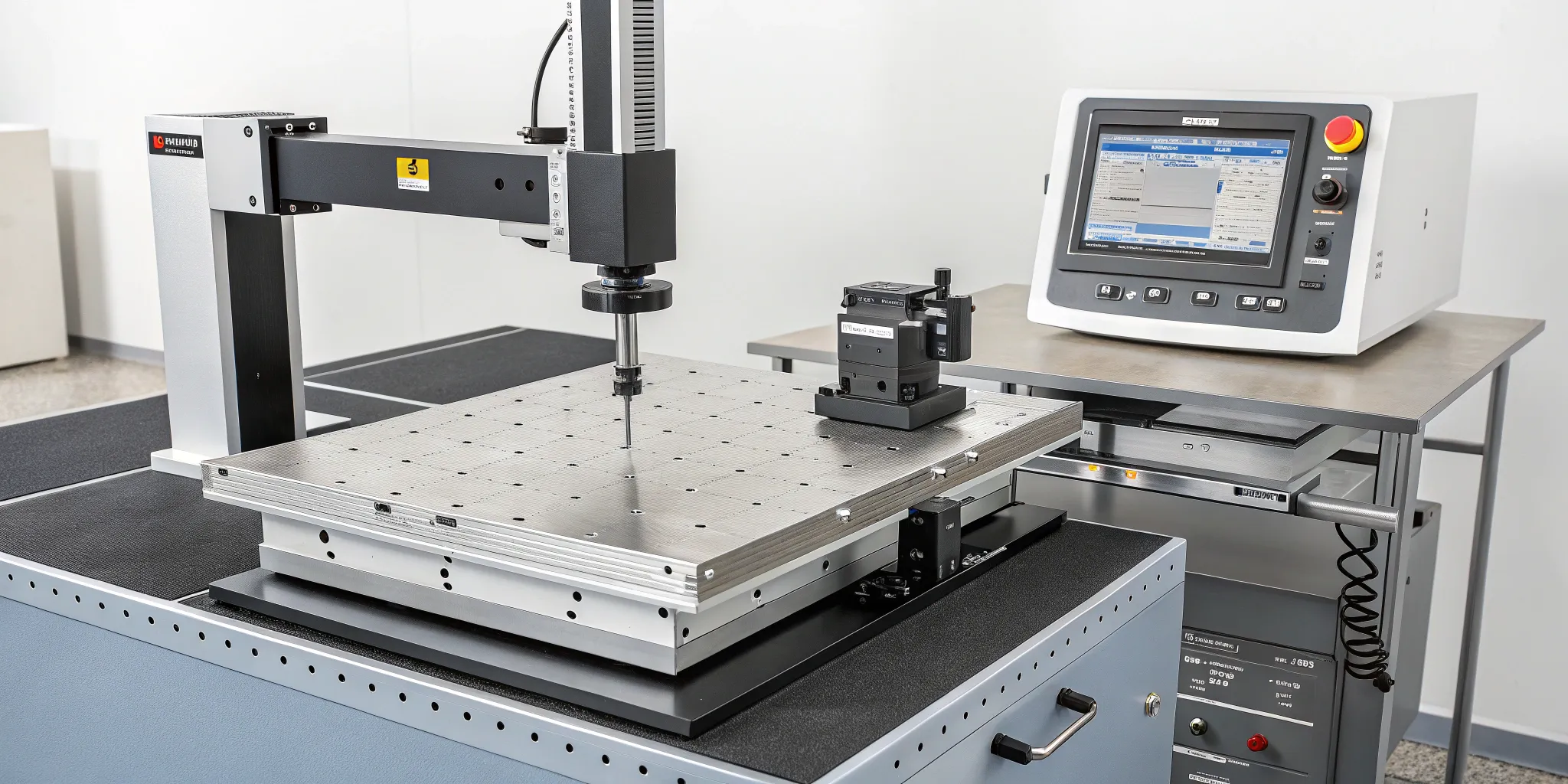
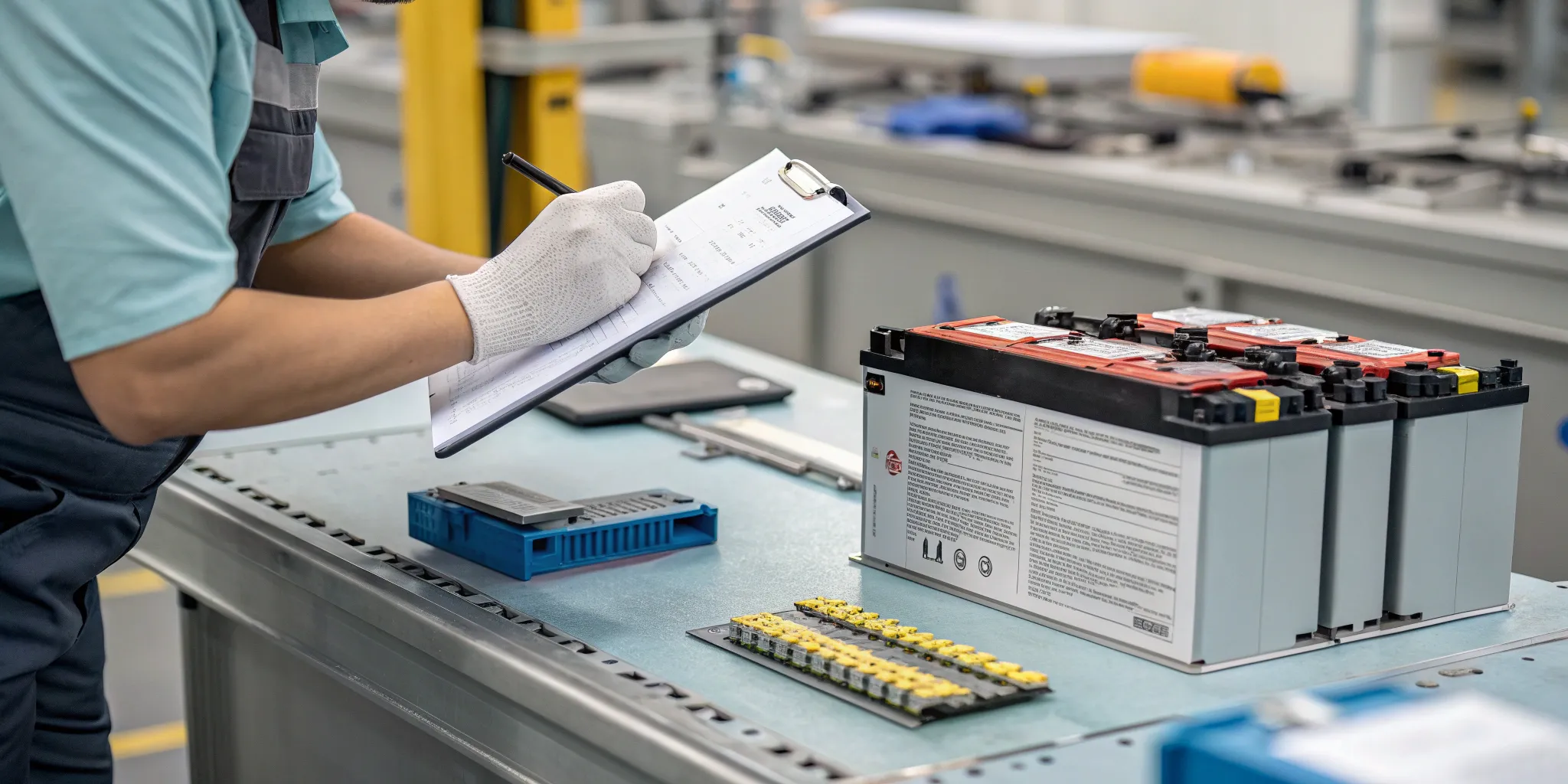
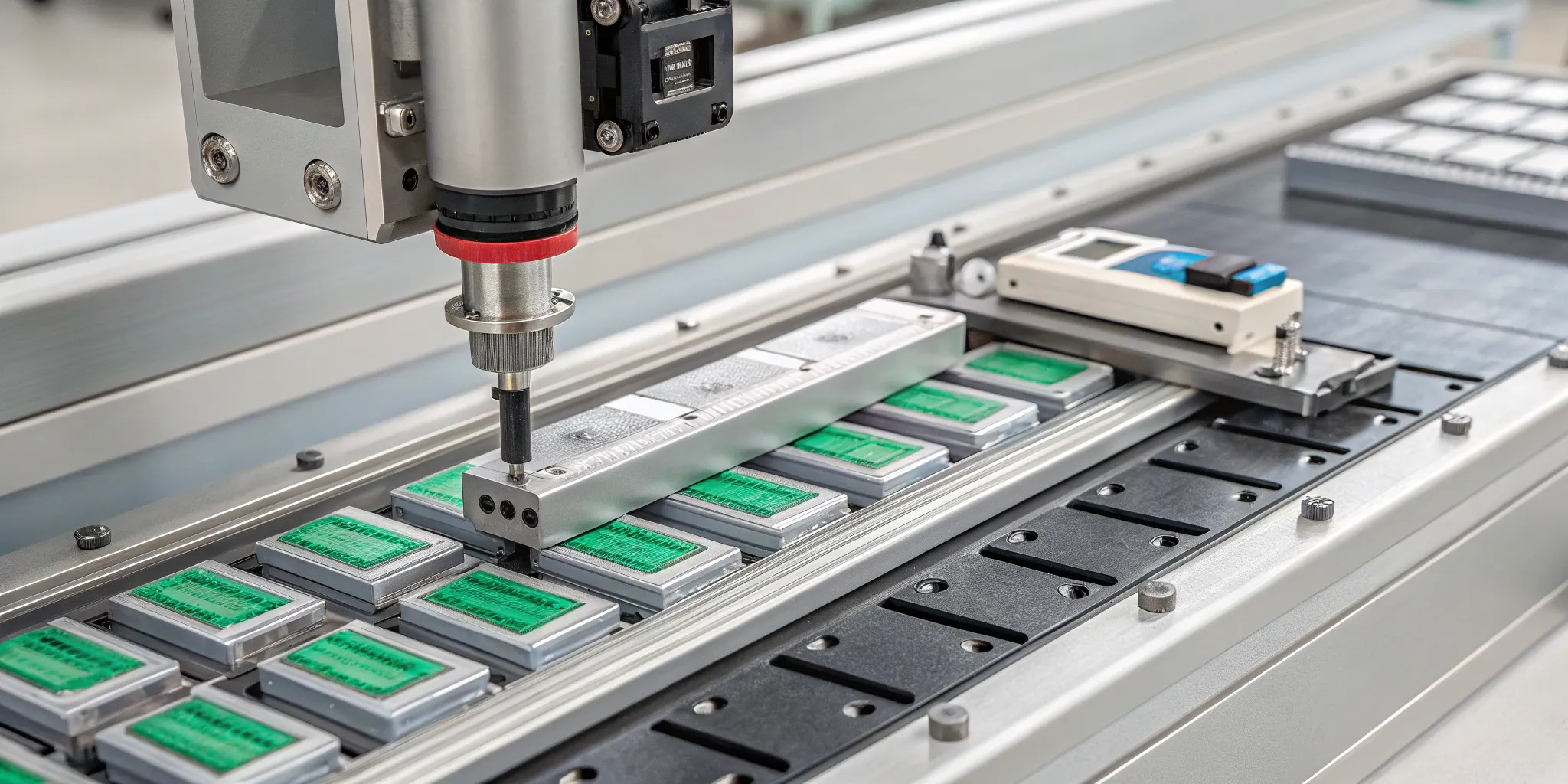
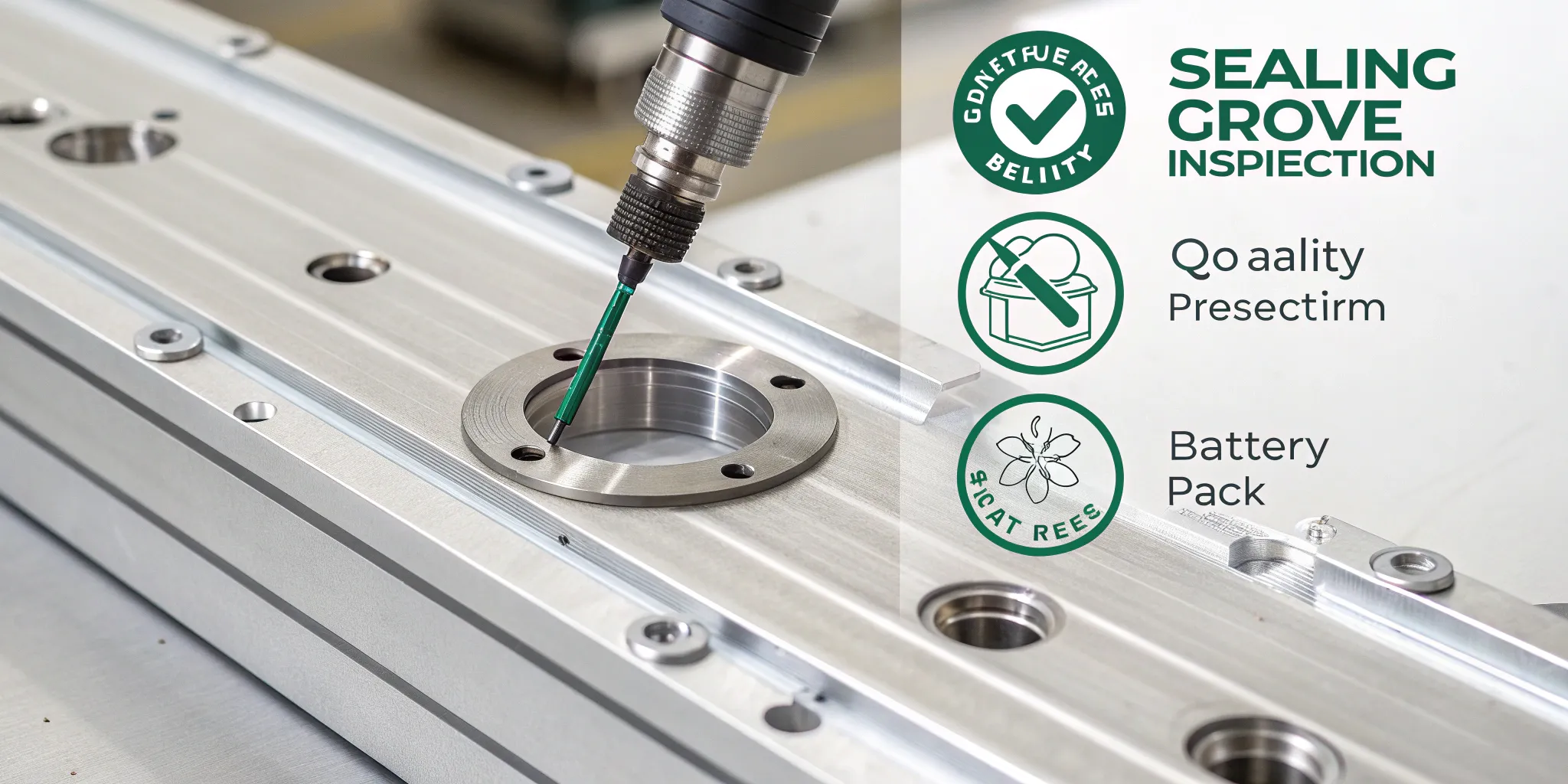
CTP systems demand robust quality control. Typical controls include dimensional verification of pack structures, cell alignment and fixation checks, sealing interface inspection, and process traceability with documentation.
Prototype and Validation Support
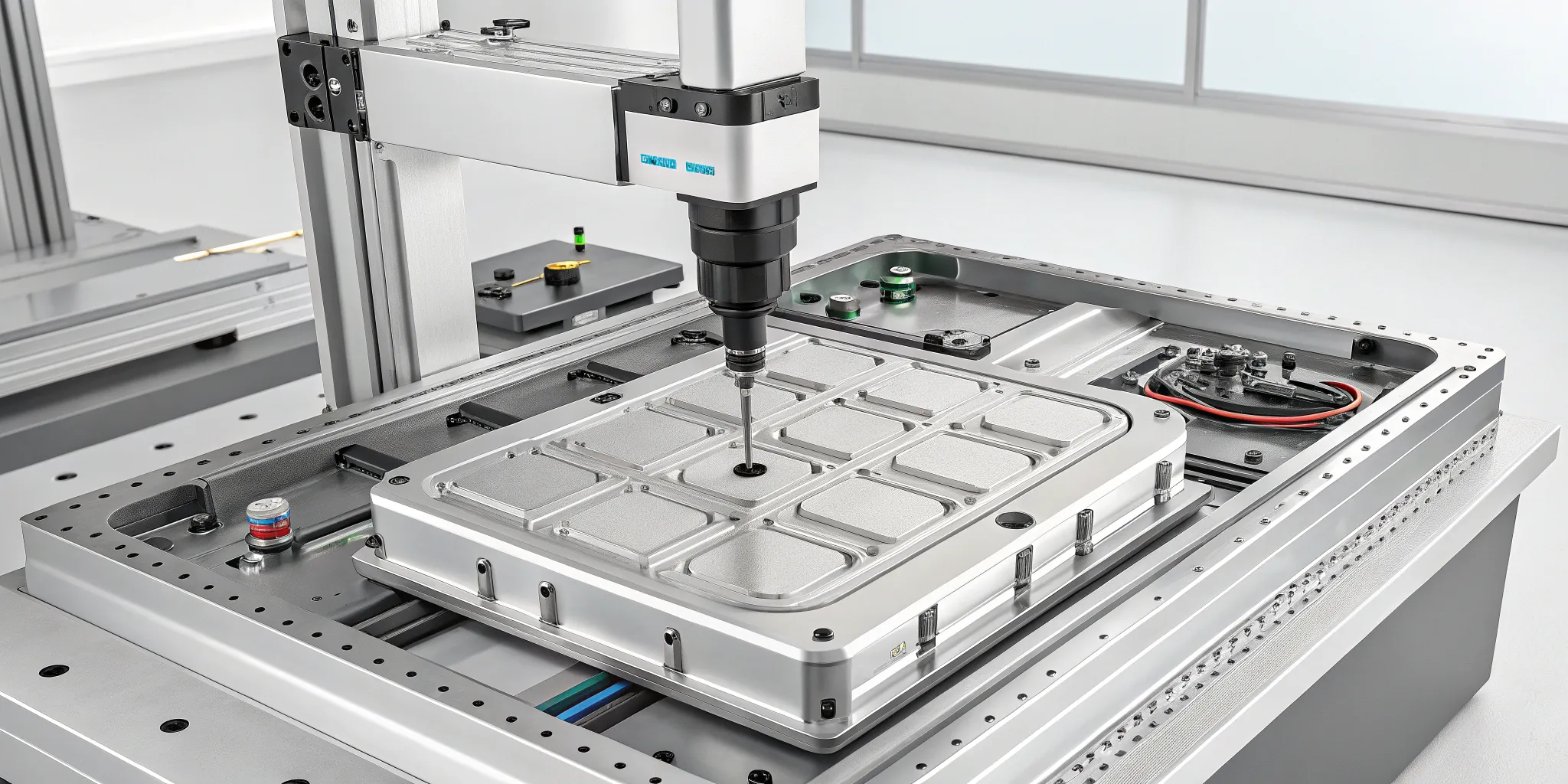
We support early-stage CTP development through prototype CTP pack builds, structural and thermal feasibility evaluation, manufacturing risk assessment, and design feedback for optimization—reducing risk before platform commitment.
Transition to Mass Production
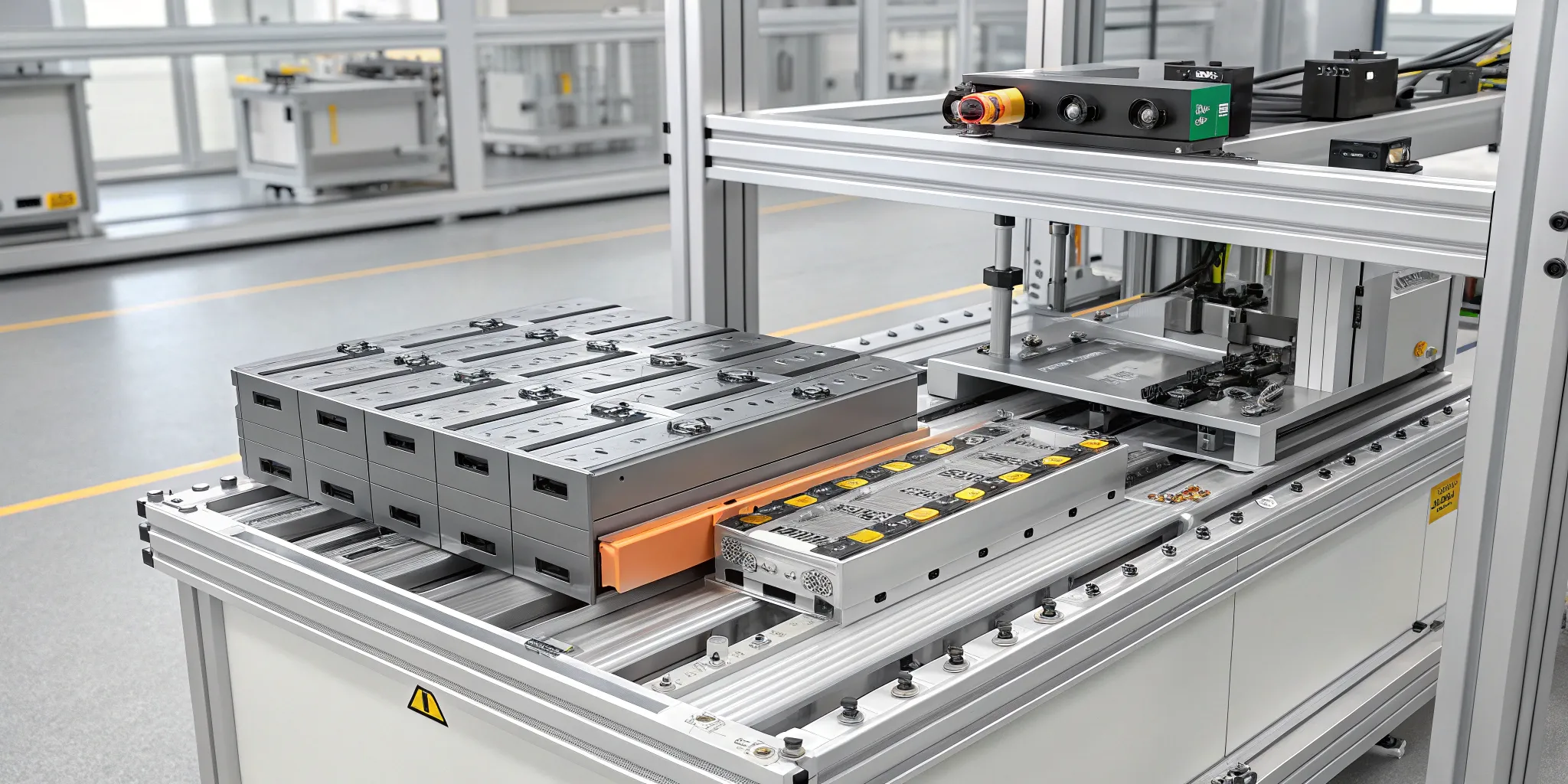
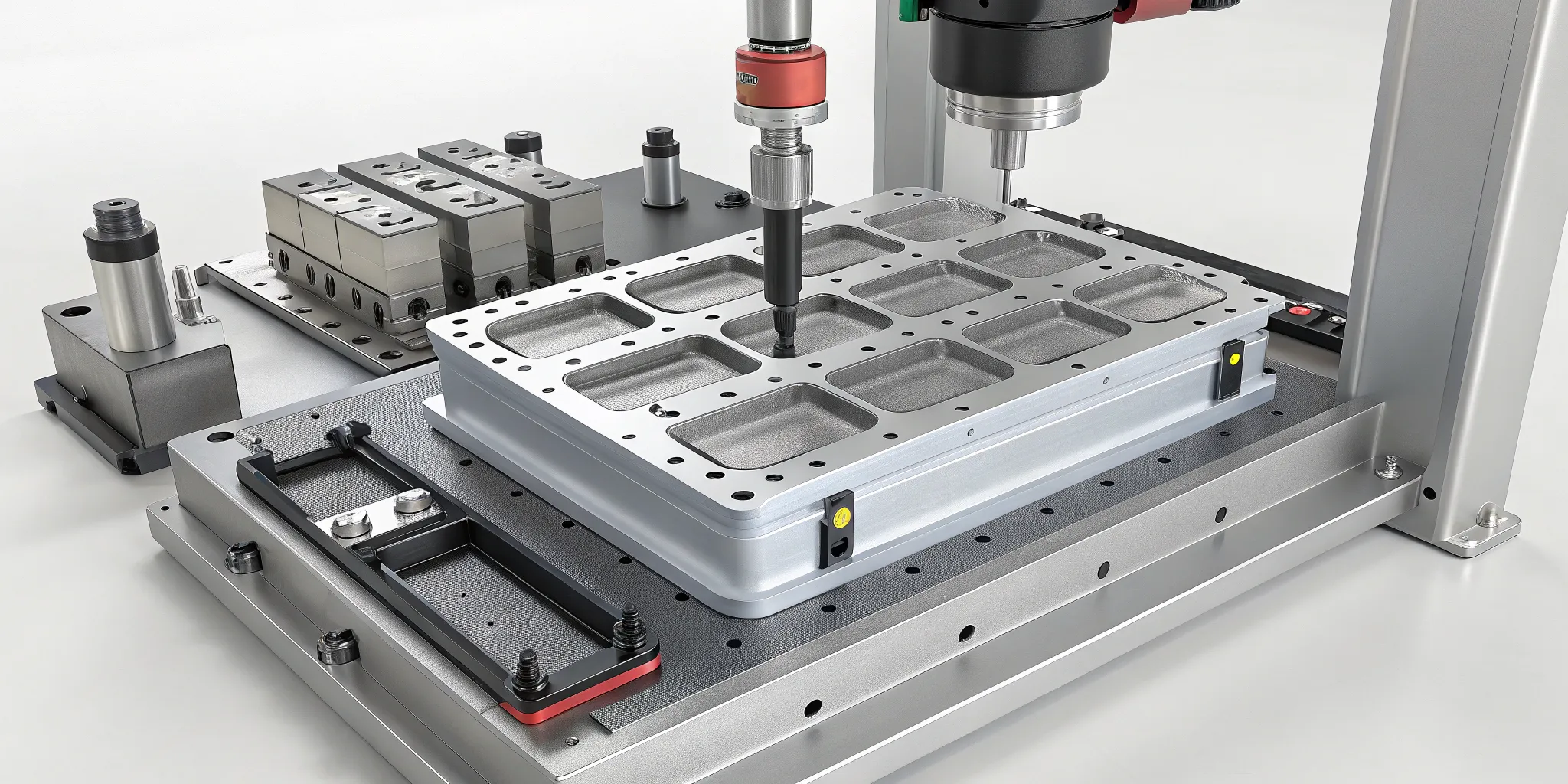
CTP must be manufacturable at scale. We support pilot production runs, process stabilization, fixture and tooling optimization, and capacity planning for volume production.
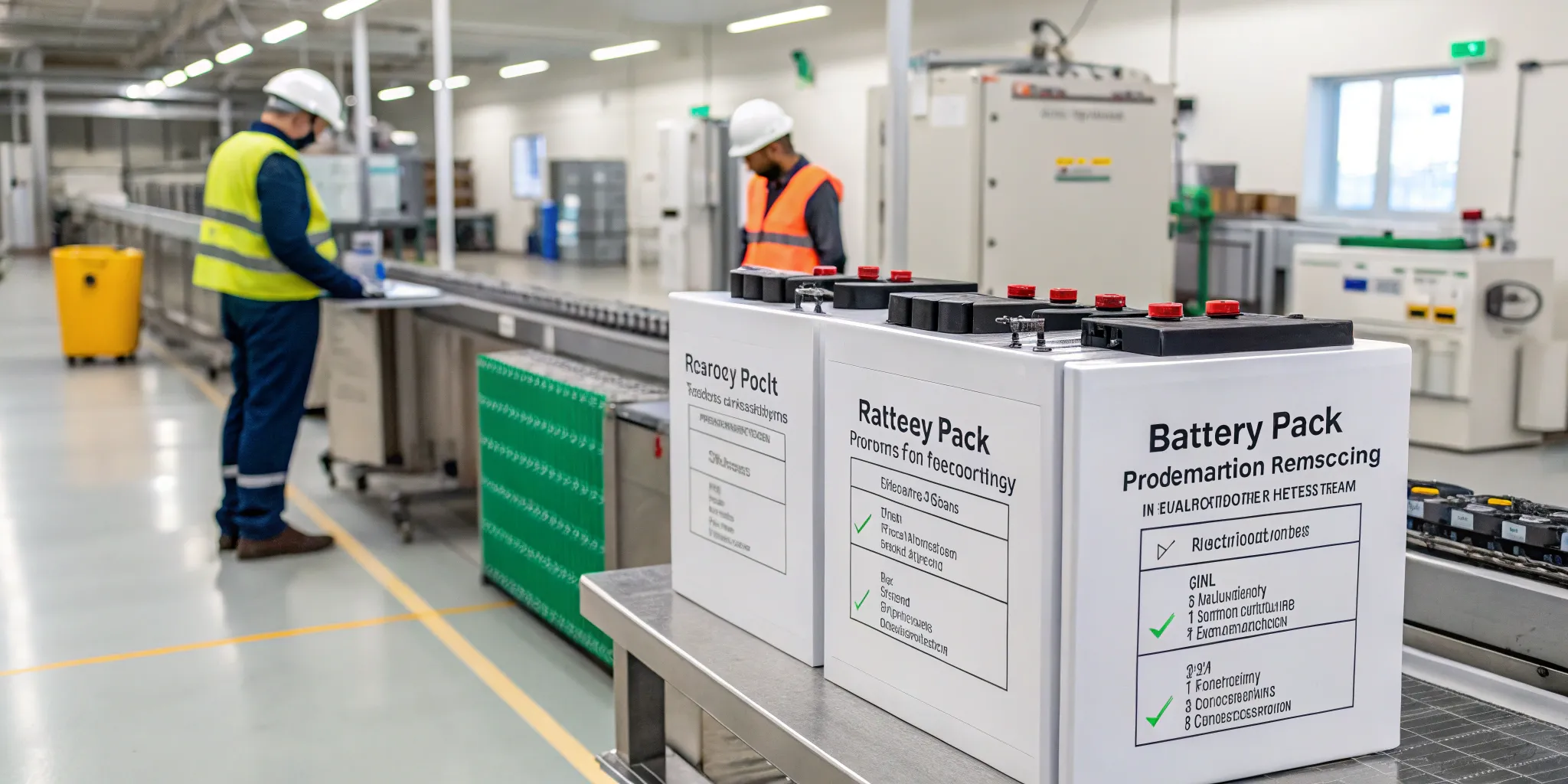
Typical Application Scenarios
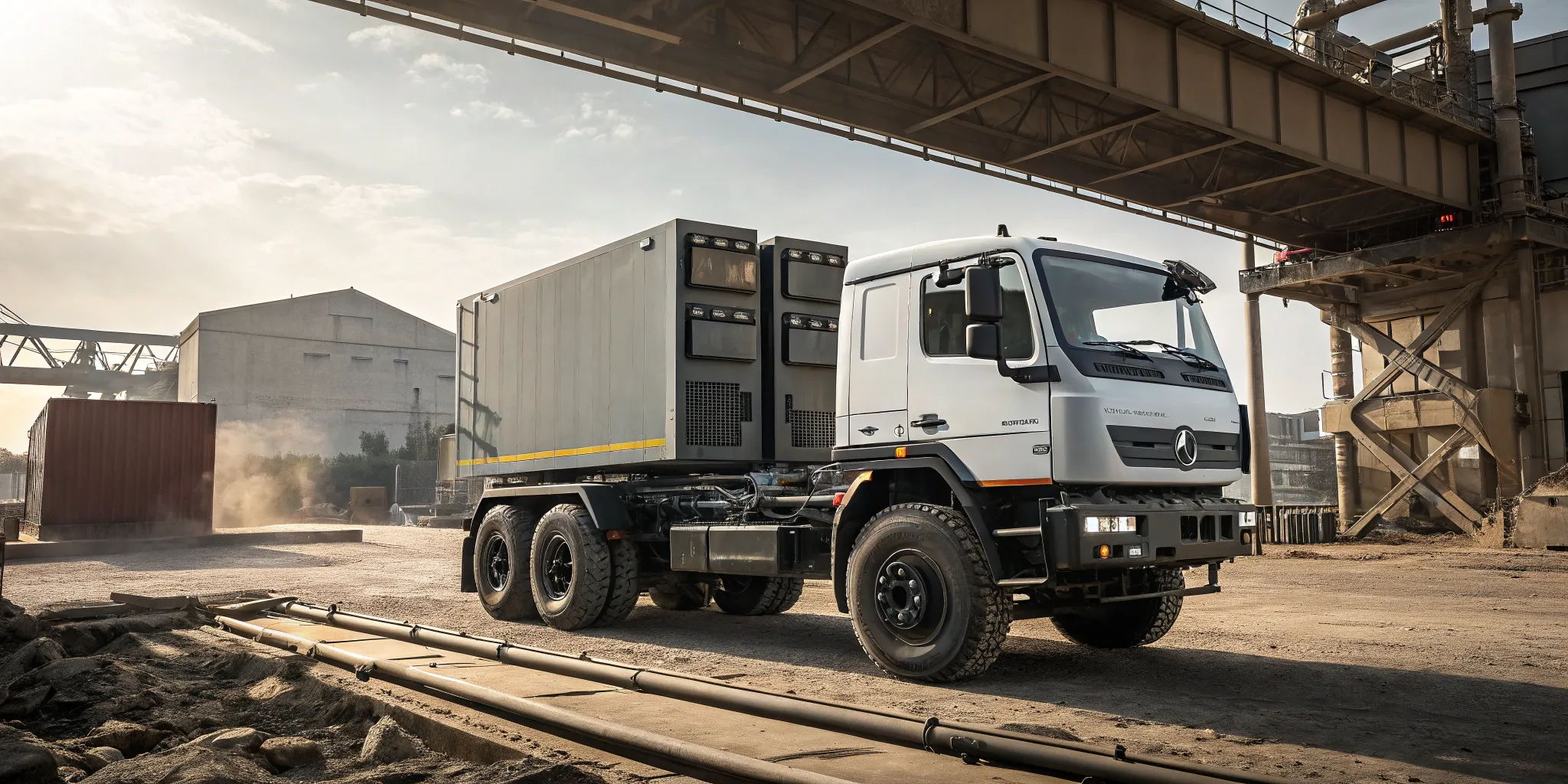
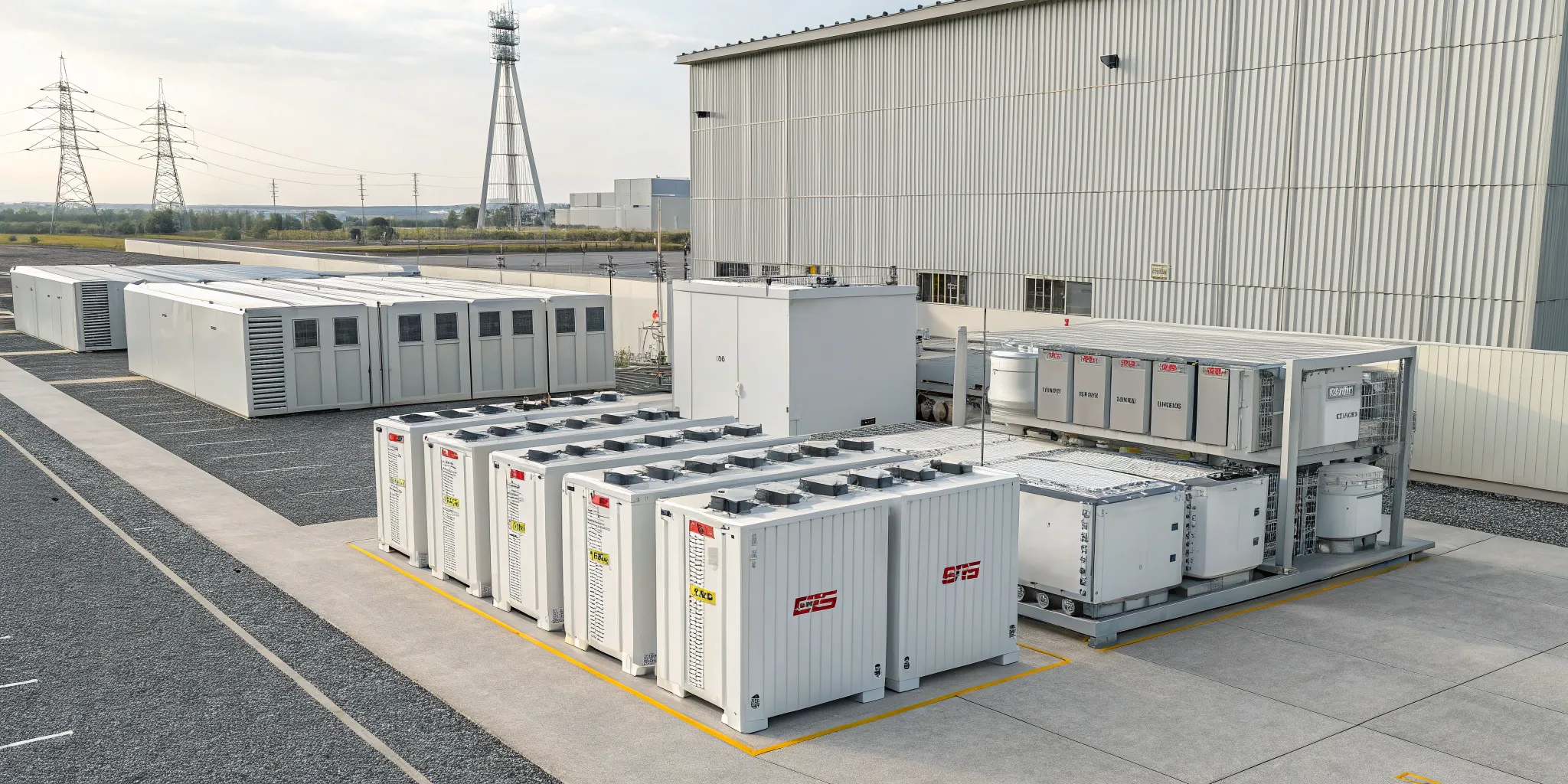
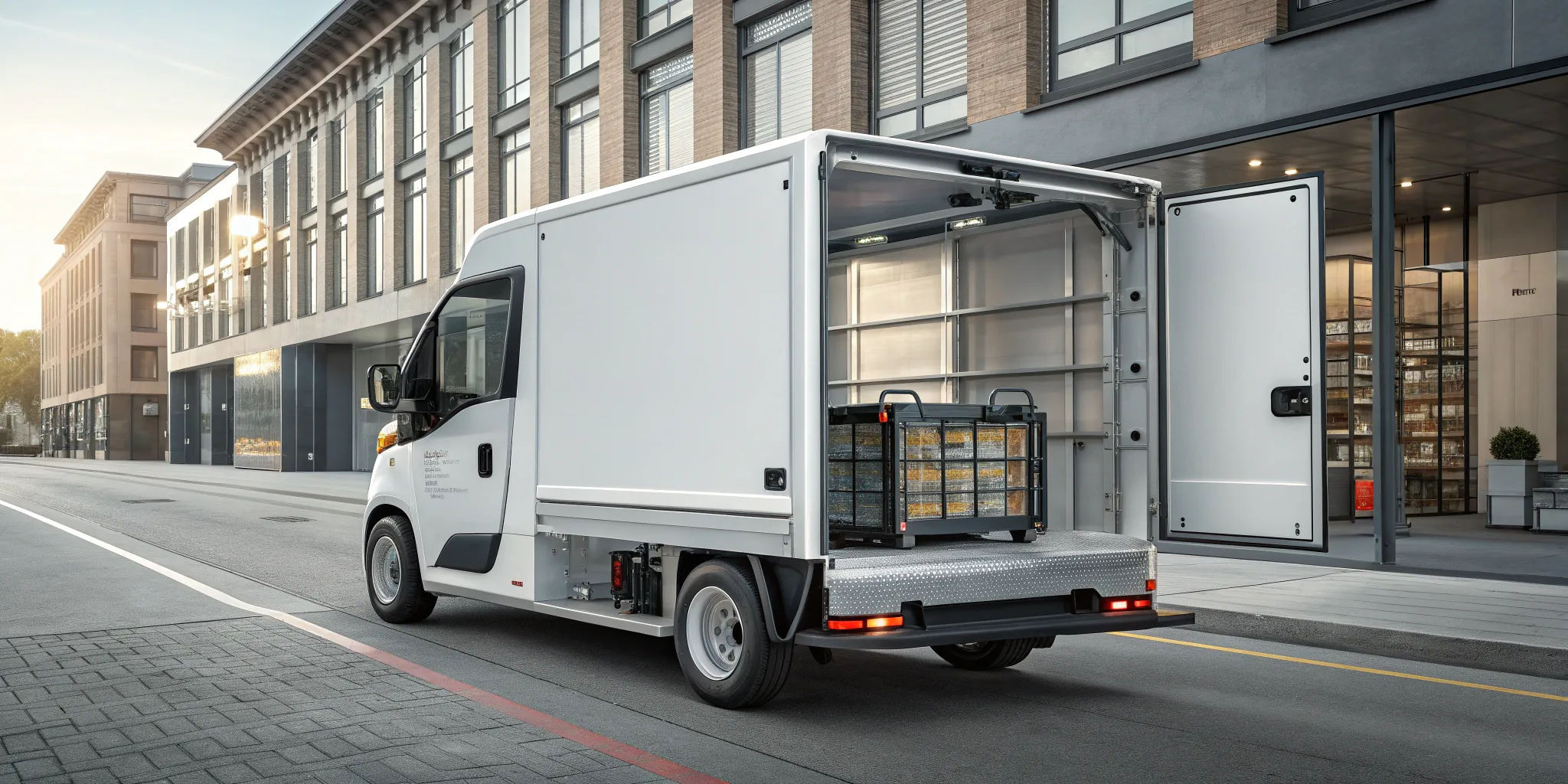
CTP assembly is commonly applied in passenger EVs, commercial/heavy-duty vehicles, ESS systems, industrial electric platforms, and next-generation mobility systems.
Why Choose Us for Cell-to-Pack Assembly
We focus on the mechanical, thermal, and sealing foundation of CTP packs—designed to be manufacturable, repeatable, and scalable.
Contact & Engineering Consultation
Upload your drawings (STEP / DWG / PDF) for structural review, thermal/sealing interface planning, and production workflow evaluation.