
Inland Vessels Battery Systems
High-performance battery housings and thermal management systems engineered for inland waterway vessels. Corrosion-resistant, IP68-rated components for reliable electric propulsion in rivers, canals, and lakes.
Marine Battery Solutions for Inland Waters
Specialized components engineered for the unique challenges of inland waterway navigation, from passenger ferries to cargo barges and recreational vessels.
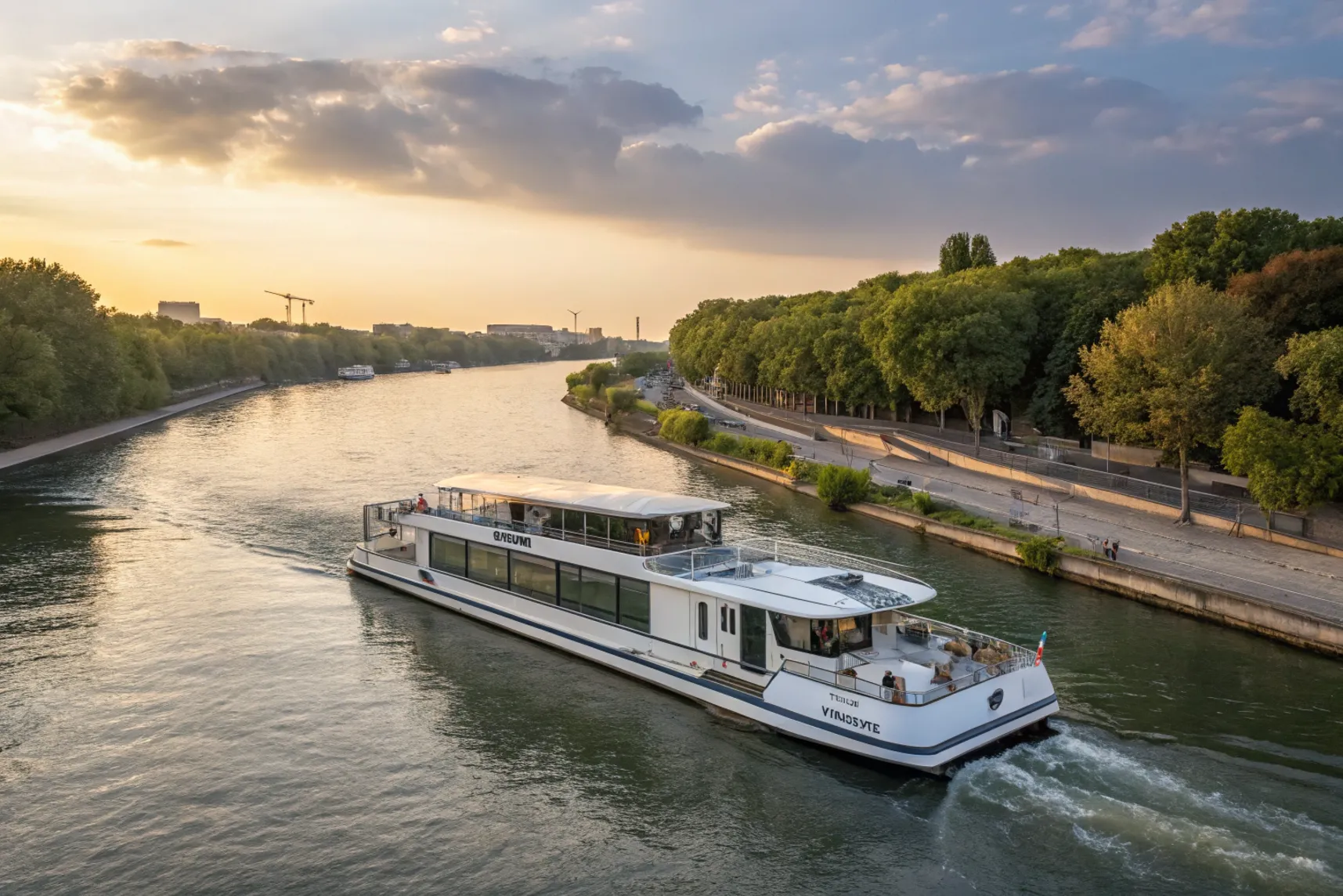
Passenger Ferries
High-capacity battery systems for scheduled passenger transport across rivers and canals. Silent operation enhances passenger comfort.
- 500-2000 kWh Capacity
- Fast Charging Support
- Passenger Safety Certified

Cargo Barges
Heavy-duty battery housings designed for commercial cargo transport. Robust construction withstands industrial marine environments.
- 1000-5000 kWh Systems
- Heavy Load Capacity
- 24/7 Operation Ready
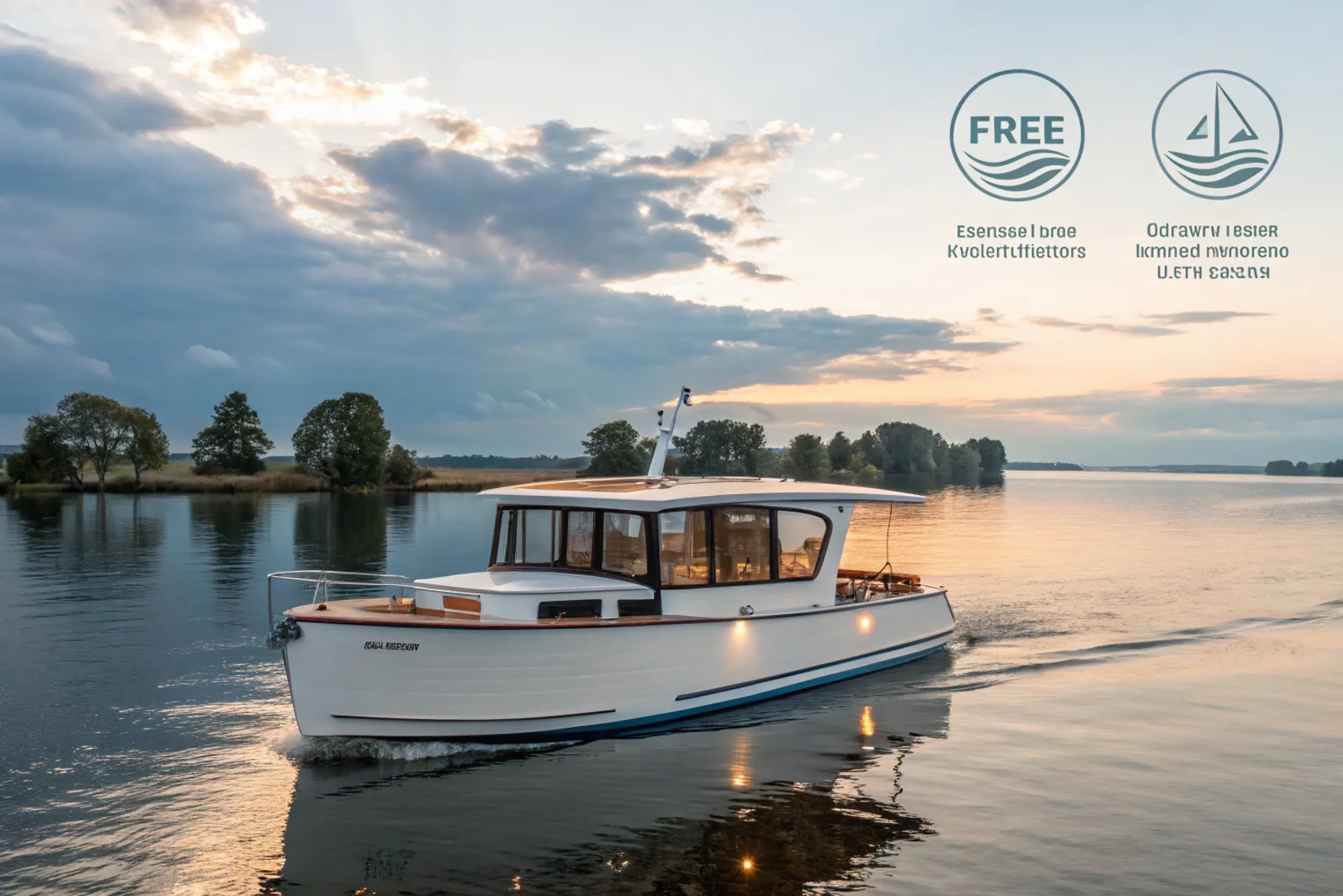
Recreational Yachts
Compact, efficient battery systems for pleasure craft. Lightweight design maximizes range while minimizing space requirements.
- 50-500 kWh Range
- Compact Design
- Luxury Integration
Marine Environment Challenges
Inland waterways present unique challenges requiring specialized engineering solutions for battery systems and thermal management.
Water Ingress Risk
Battery systems must maintain IP68 sealing against water penetration during normal operation and emergency situations.
Corrosion Exposure
Constant moisture, salt spray, and humidity require advanced surface treatments and corrosion-resistant materials.
Temperature Extremes
Marine environments experience wide temperature ranges requiring robust thermal management systems.
Advanced Sealing Technology
FSW welding and precision gasket channels ensure reliable IP68 protection with helium leak testing verification.
Marine-Grade Surface Protection
Specialized anodizing, powder coating, and passivation treatments provide 1000+ hour salt spray resistance.
Robust Thermal Management
Liquid cooling plates with seawater-resistant materials maintain optimal battery temperatures in all conditions.
Marine Battery System Specifications
Engineered to meet the demanding requirements of marine electric propulsion systems with proven reliability and performance.
Environmental Protection
Thermal Performance
Mechanical Properties
Marine-Grade Manufacturing Processes
Specialized manufacturing processes optimized for marine battery systems, ensuring long-term reliability in harsh water environments.
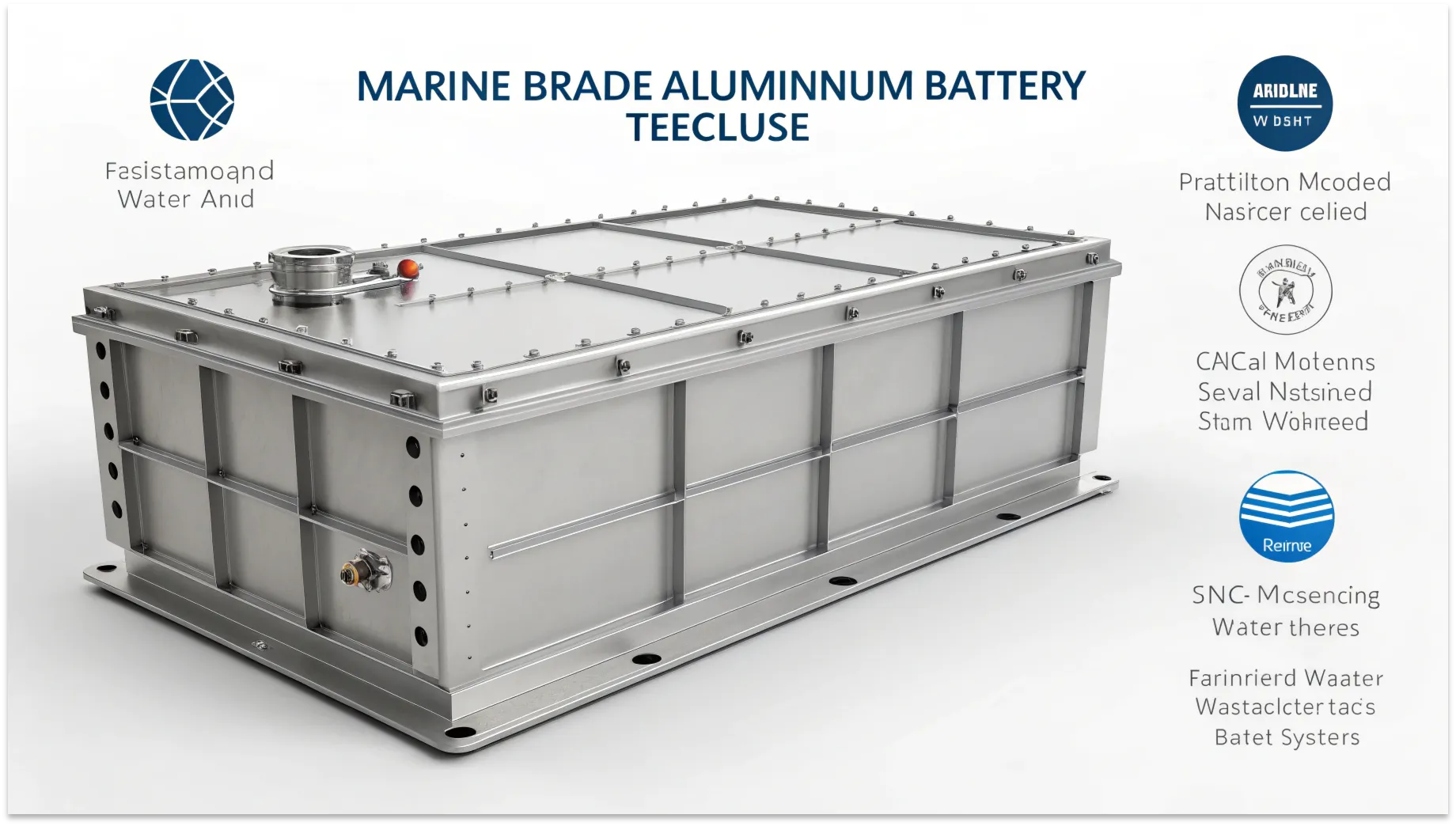
Precision CNC Machining
High-precision aluminum machining for complex battery housing geometries with tight tolerances.
FSW Marine Sealing
Friction stir welding creates continuous, leak-proof seams ideal for marine battery enclosures.
Marine Surface Treatment
Advanced anodizing and coating processes provide superior corrosion resistance for marine environments.
Marine Battery System FAQ
Common questions about marine battery housings and thermal management systems for inland vessels.
What IP rating is required for marine battery systems?
Marine battery systems typically require IP67 or IP68 rating for protection against water ingress. Our systems achieve IP68 with helium leak testing verification to ensure long-term reliability in marine environments.
How do you handle corrosion resistance for saltwater exposure?
We use marine-grade aluminum alloys (5083/6061) with specialized surface treatments including hard anodizing and marine-grade powder coatings. Our components pass 1000+ hour salt spray testing per ASTM B117 standards.
What cooling solutions work best for marine applications?
Liquid cooling systems using seawater-resistant materials provide optimal thermal management. Our cooling plates use corrosion-resistant aluminum alloys with specialized coatings and can utilize engine cooling circuits or dedicated cooling loops.
What are typical delivery times for marine battery housings?
Prototypes: 10-15 days for initial samples. Small batch production (10-100 units): 25-35 days. We maintain expedited processes for marine projects due to seasonal operational requirements of many vessel operators.
Can you customize battery housings for specific vessel requirements?
Yes, we provide full customization including size, mounting interfaces, cooling connections, cable entry points, and integration with vessel monitoring systems. Our engineering team works closely with naval architects and marine engineers.
Ready to Electrify Your Fleet?
Partner with us for reliable, marine-grade battery systems that deliver silent, efficient propulsion for your inland waterway operations.
Marine Certified
IP68 rated & salt spray tested
Silent Operation
Zero emissions & noise reduction
Custom Solutions
Tailored for your vessel requirements