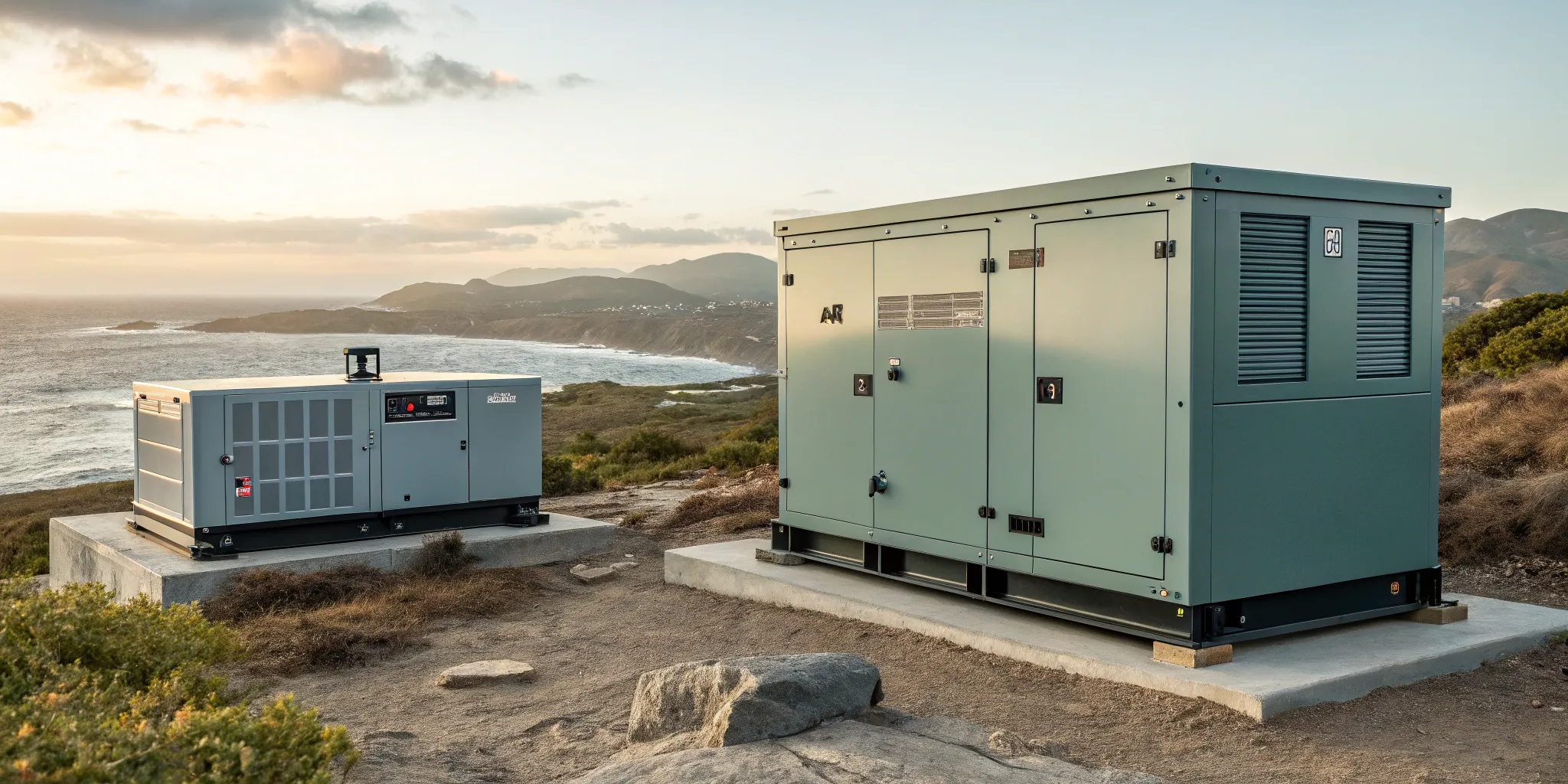
Helium Leak Testing | Leak-tight Validation for Battery & Cooling Systems
Capability · Sealing Validation

Helium Leak Testing

High-sensitivity helium leak testing ensuring sealing reliability for battery enclosures, liquid cooling plates, and high-integrity thermal systems.
Detection
Micro-leaks
NDT, quantitative results
Typical limit
≤ 1×10⁻⁵
mbar·L/s (project-dependent)
Target parts
Sealed
Cooling plates & enclosures
Leak Validation
Helium · Quantitative
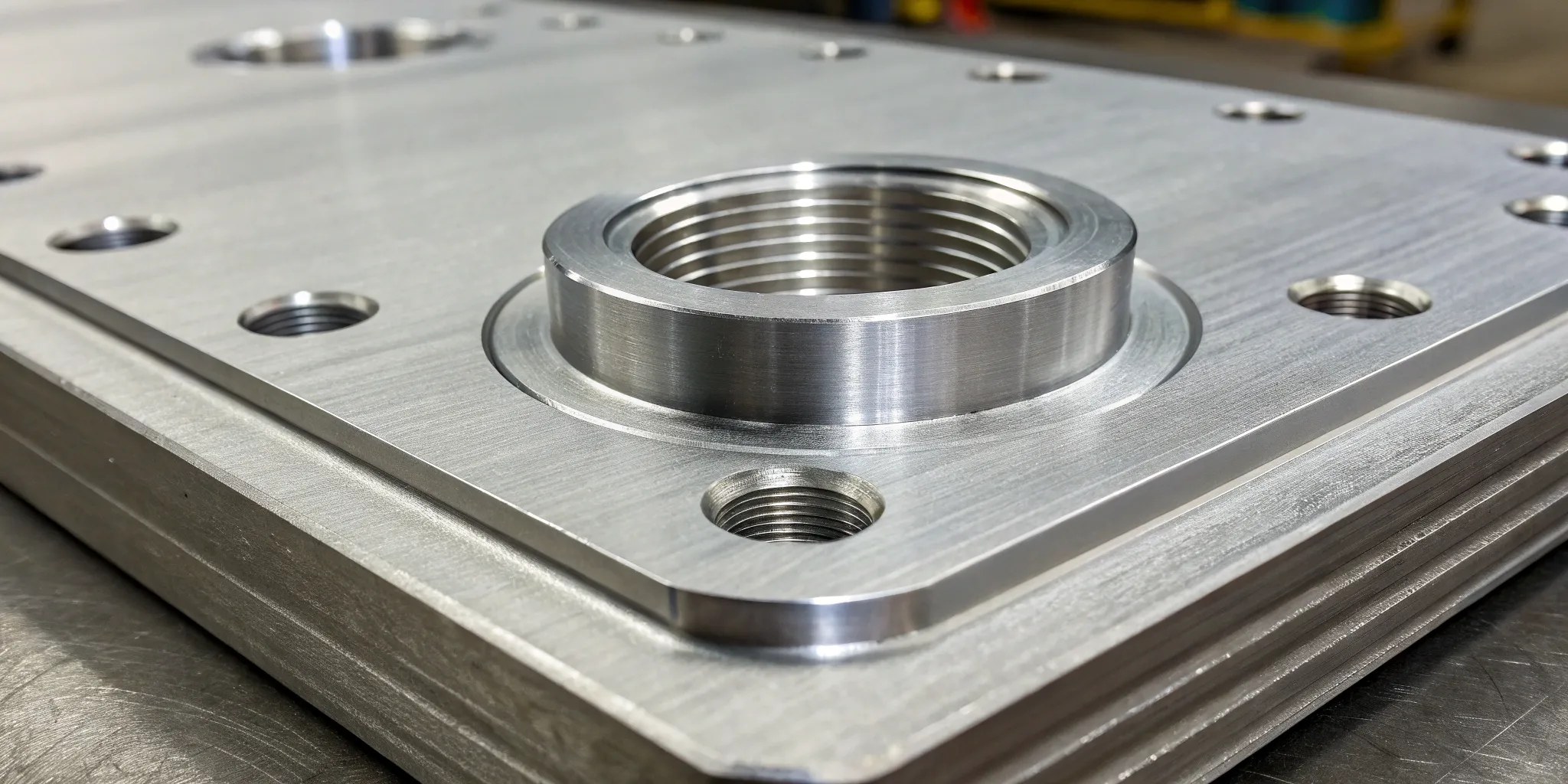
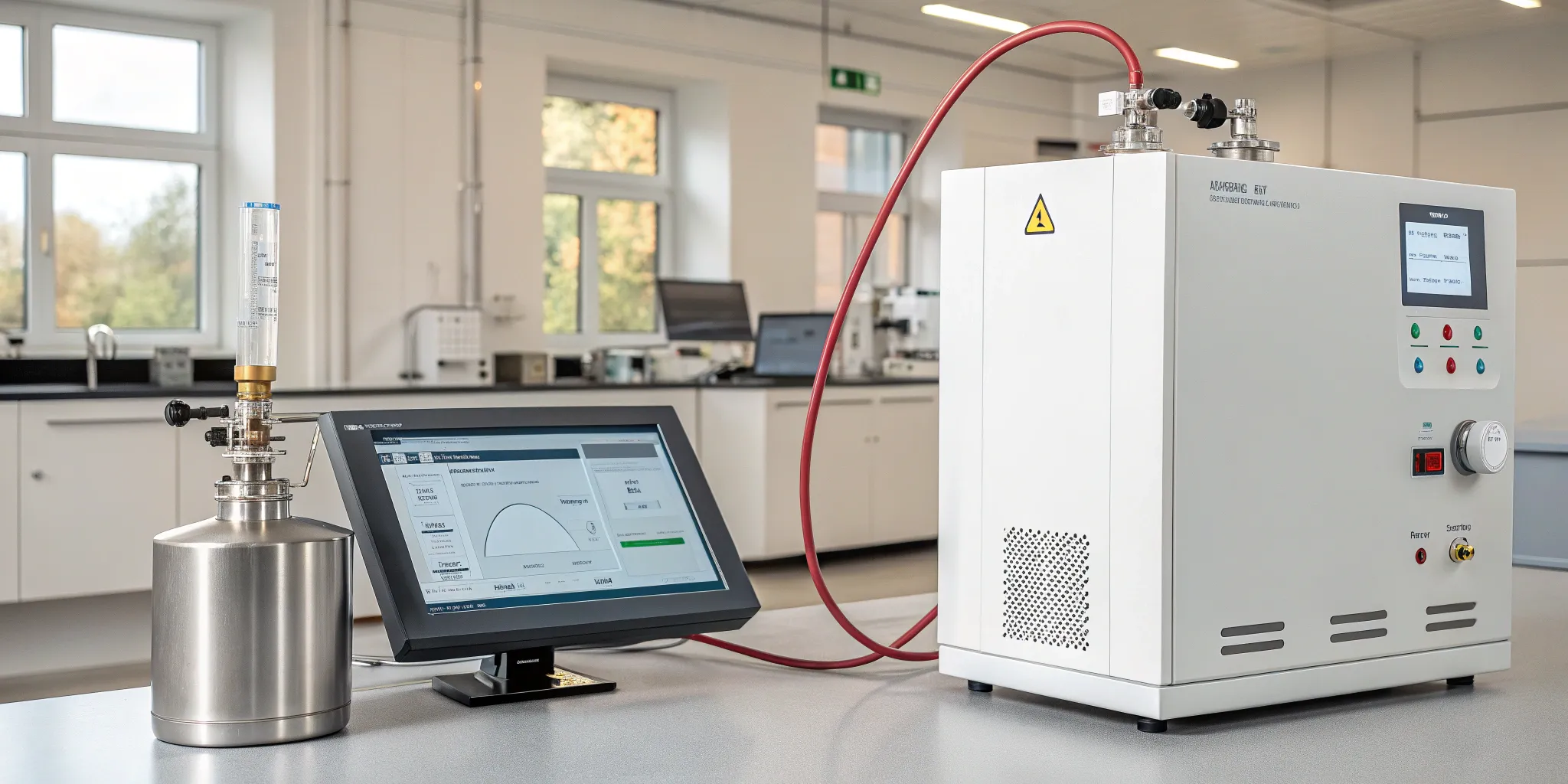
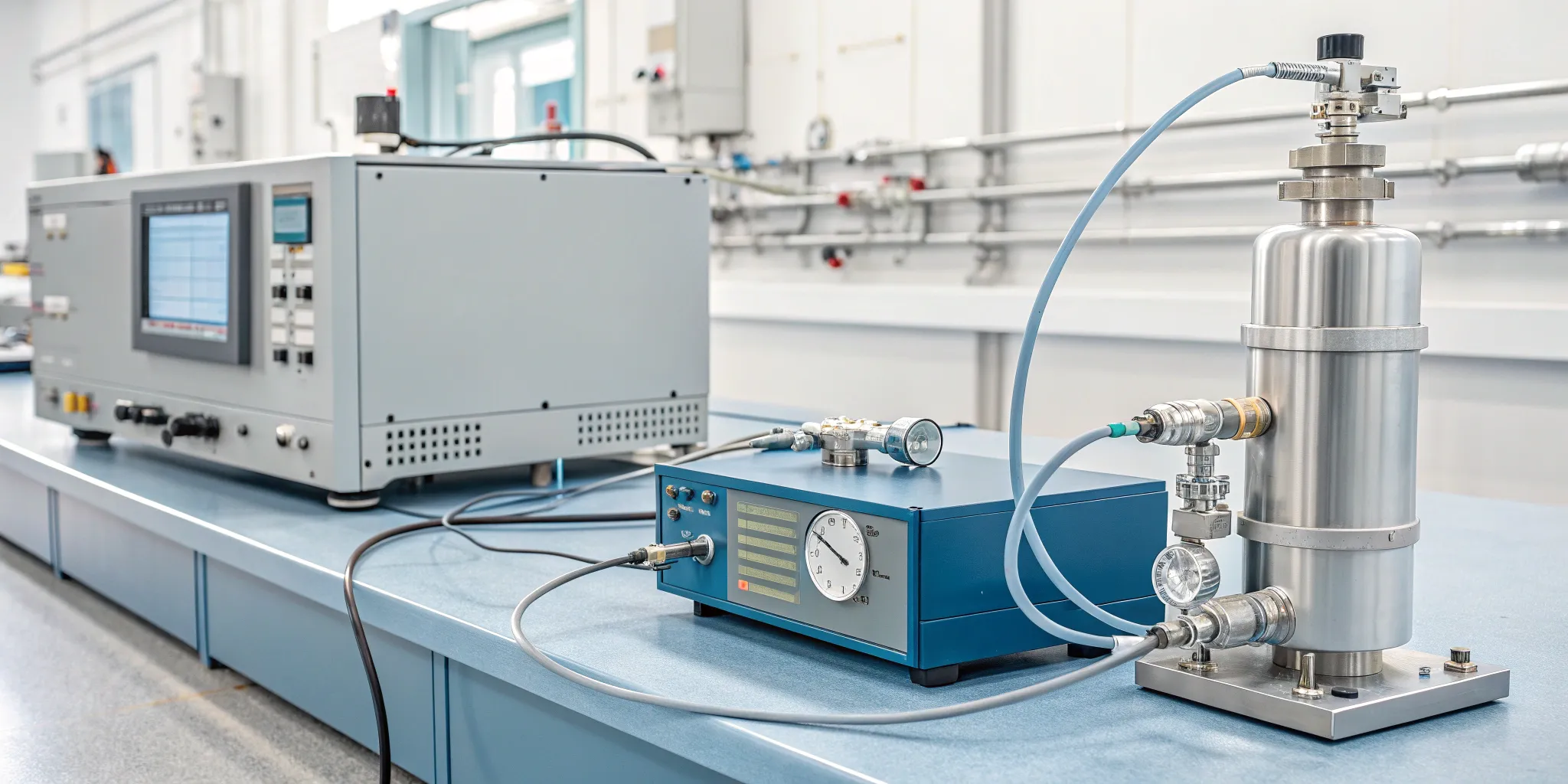
Helium leak testing setup placeholder
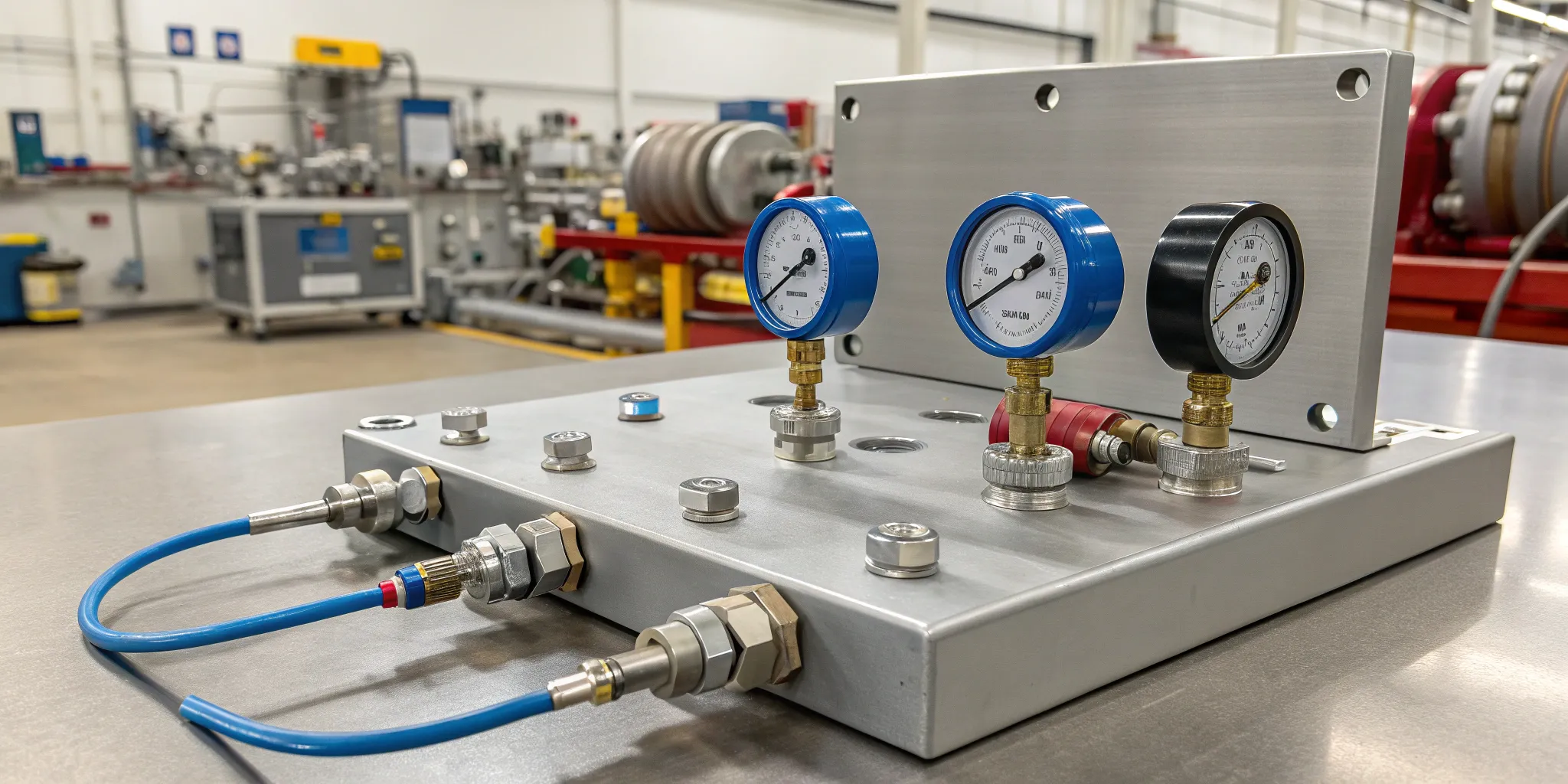
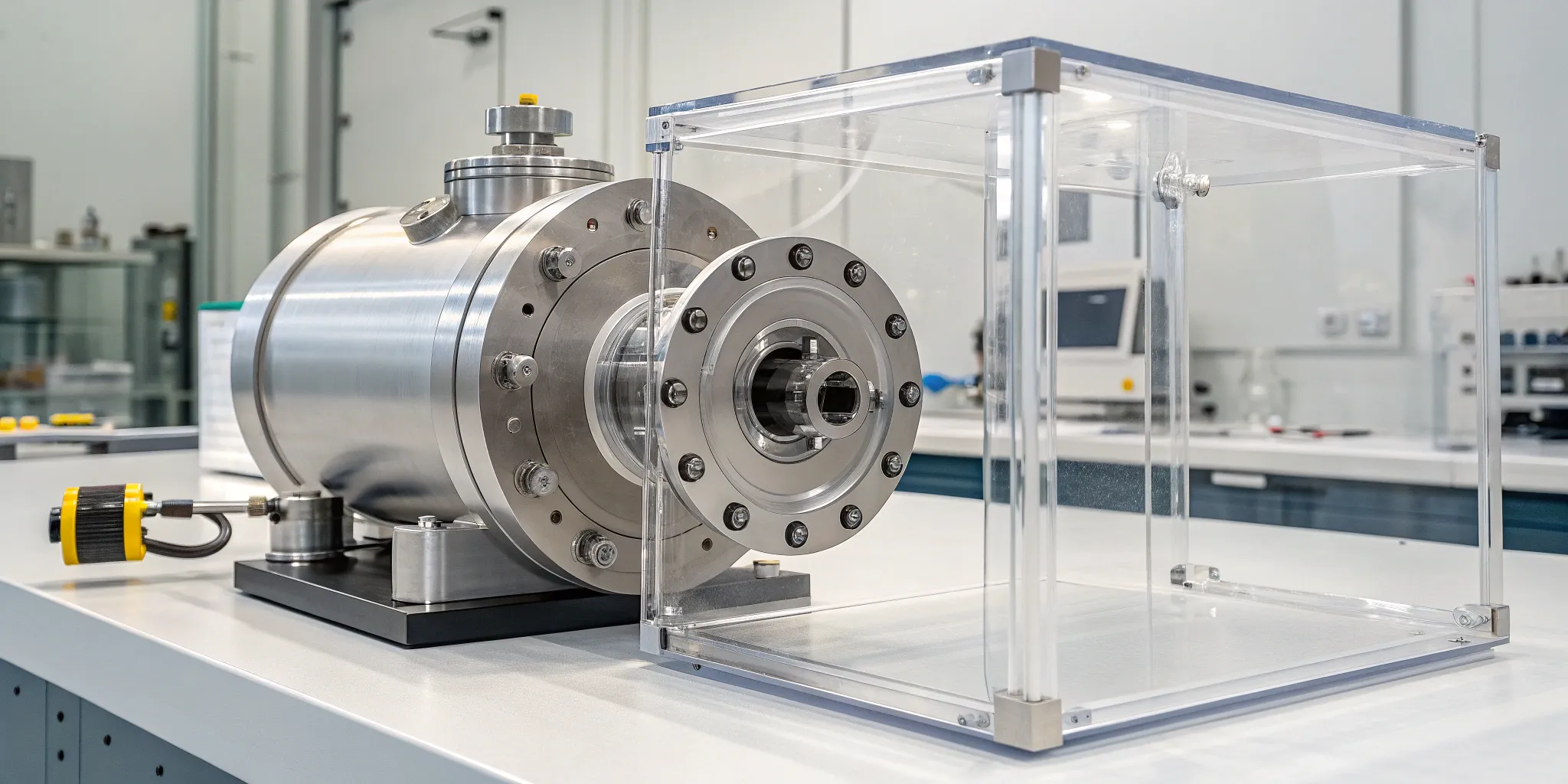
Vacuum chamber fixture placeholder
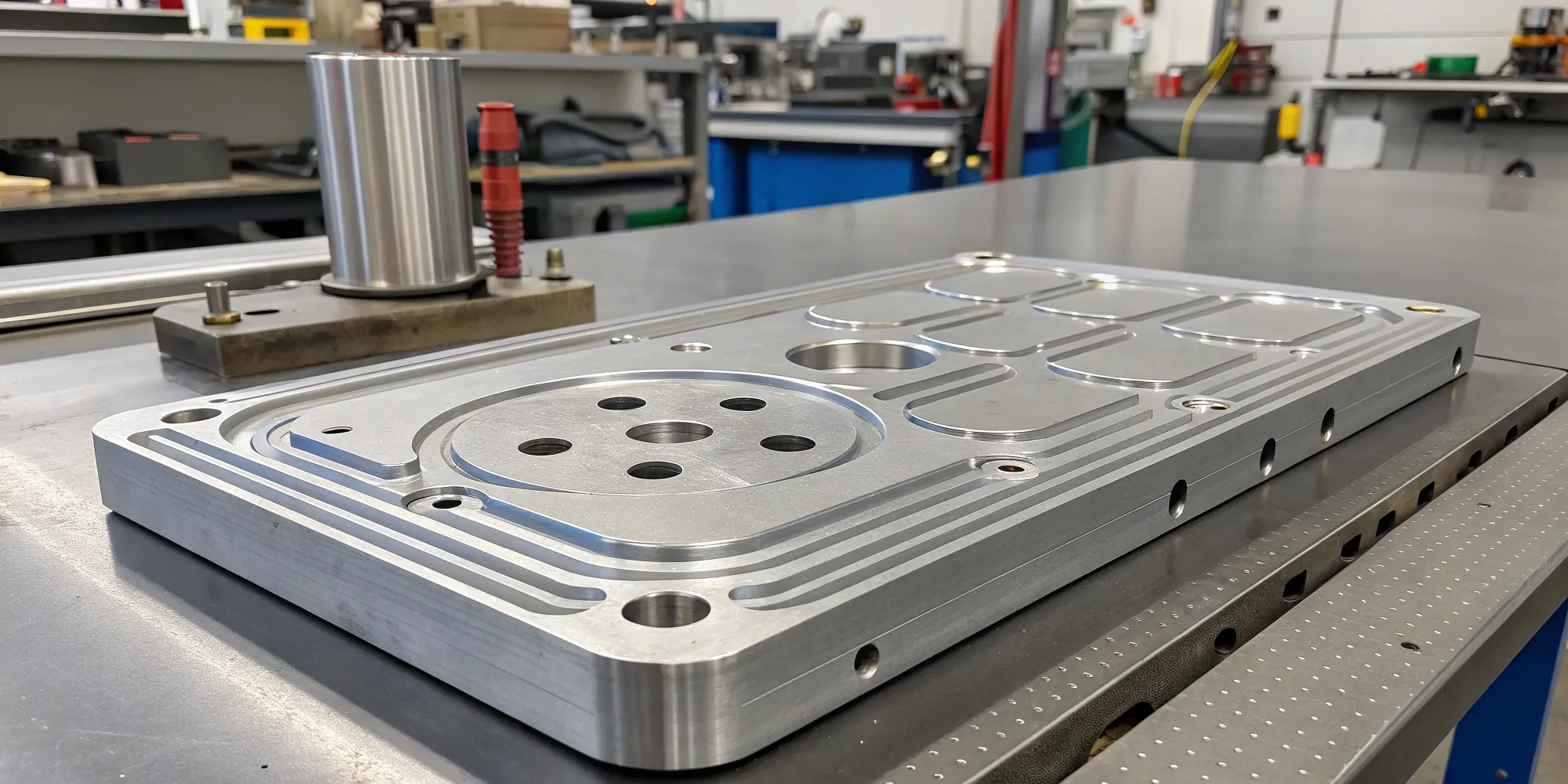
Cooling plate interface placeholder
Method
Vacuum / Sniffer
Metric
mbar·L/s
Output
Records

What Is Helium Leak Testing

Helium leak testing is a high-sensitivity, non-destructive testing method used to detect micro-leaks in sealed components. Compared to air or water testing, helium testing provides much higher detection sensitivity, accurate quantitative leak rate measurement, and reliable validation for safety-critical systems.
Non-destructive
Detect micro-leaks without damaging parts
High sensitivity
Find leaks that air/water tests miss
Quantitative
Measured leak rate in mbar·L/s
Production-ready
Clear pass/fail criteria + records
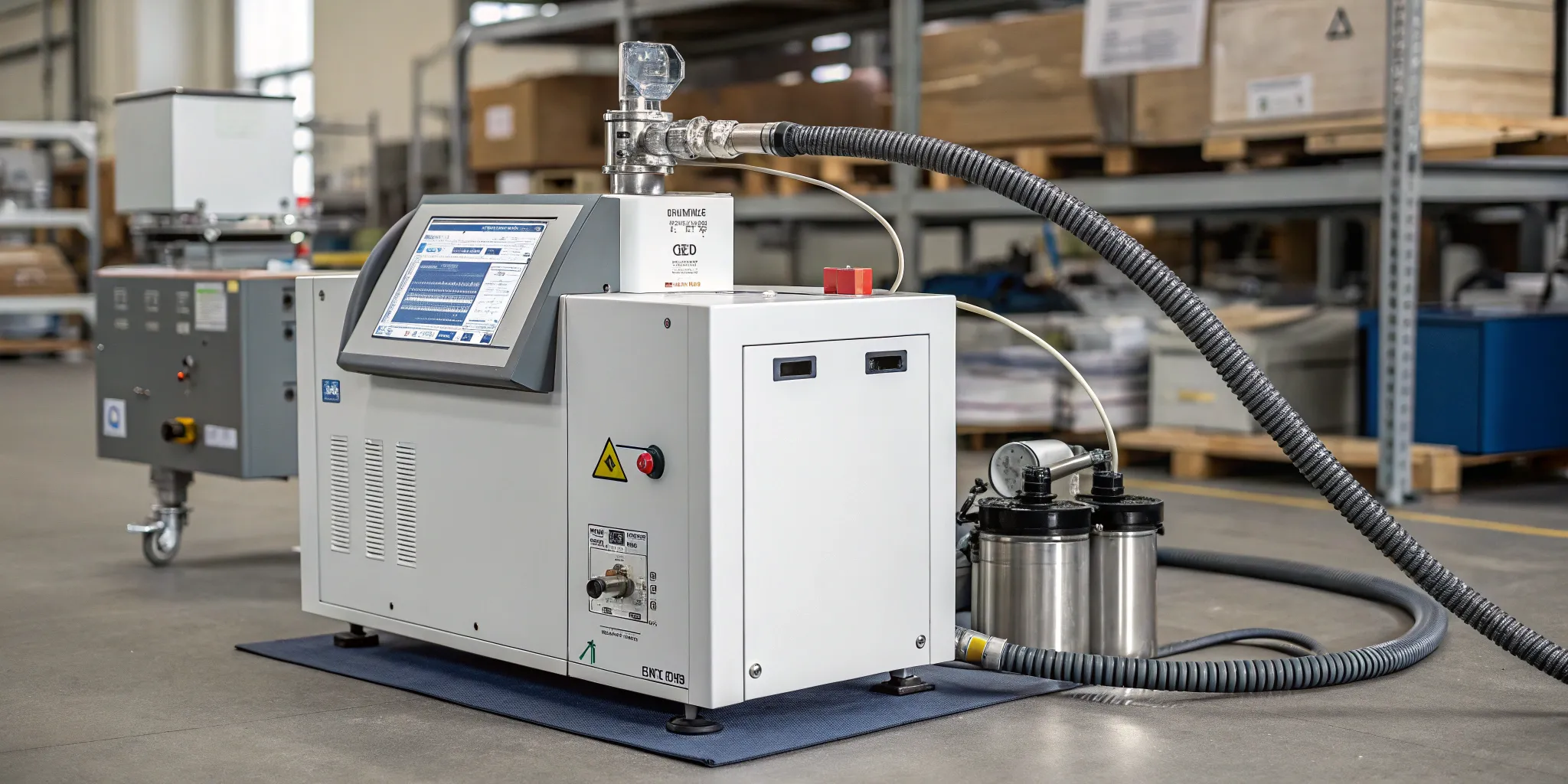
Mass spectrometer equipment placeholder
Image tip
Use a clean photo of the helium leak detector or vacuum chamber to build technical trust.

Why Helium Leak Testing Is Critical for Battery Systems

Battery enclosures and cooling plates must remain sealed throughout their service life. Helium leak testing is the industry-standard method to ensure long-term sealing reliability for safety-critical battery and thermal systems.
Coolant loss
Thermal performance degradation
Moisture ingress
Corrosion & insulation risk
Electrical failure
HV safety and reliability issues
Safety risks
Avoid costly recalls and downtime
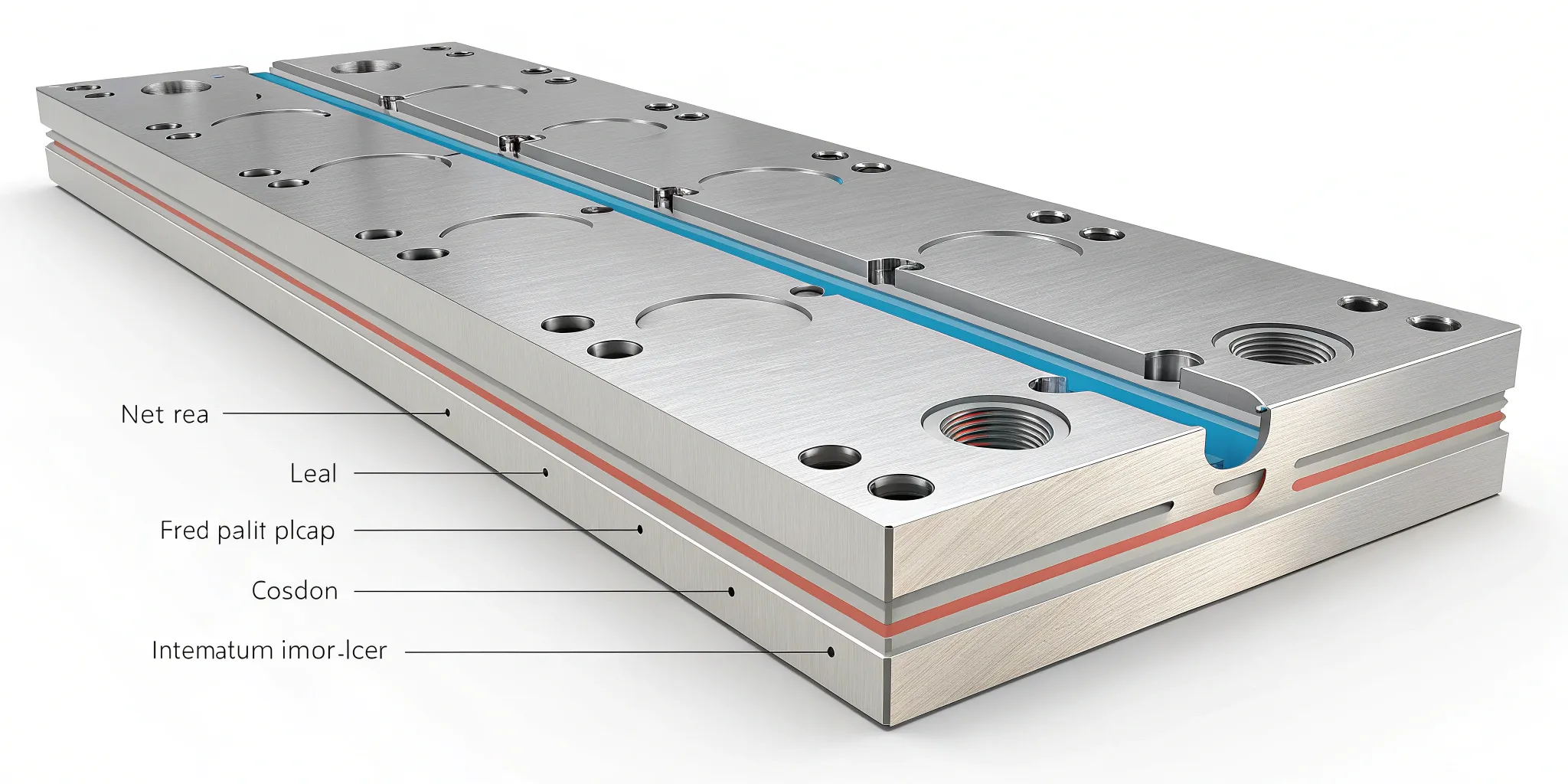
Cooling leak risk placeholder
Suggested: show cooling channel cross-section / ports (non-confidential).
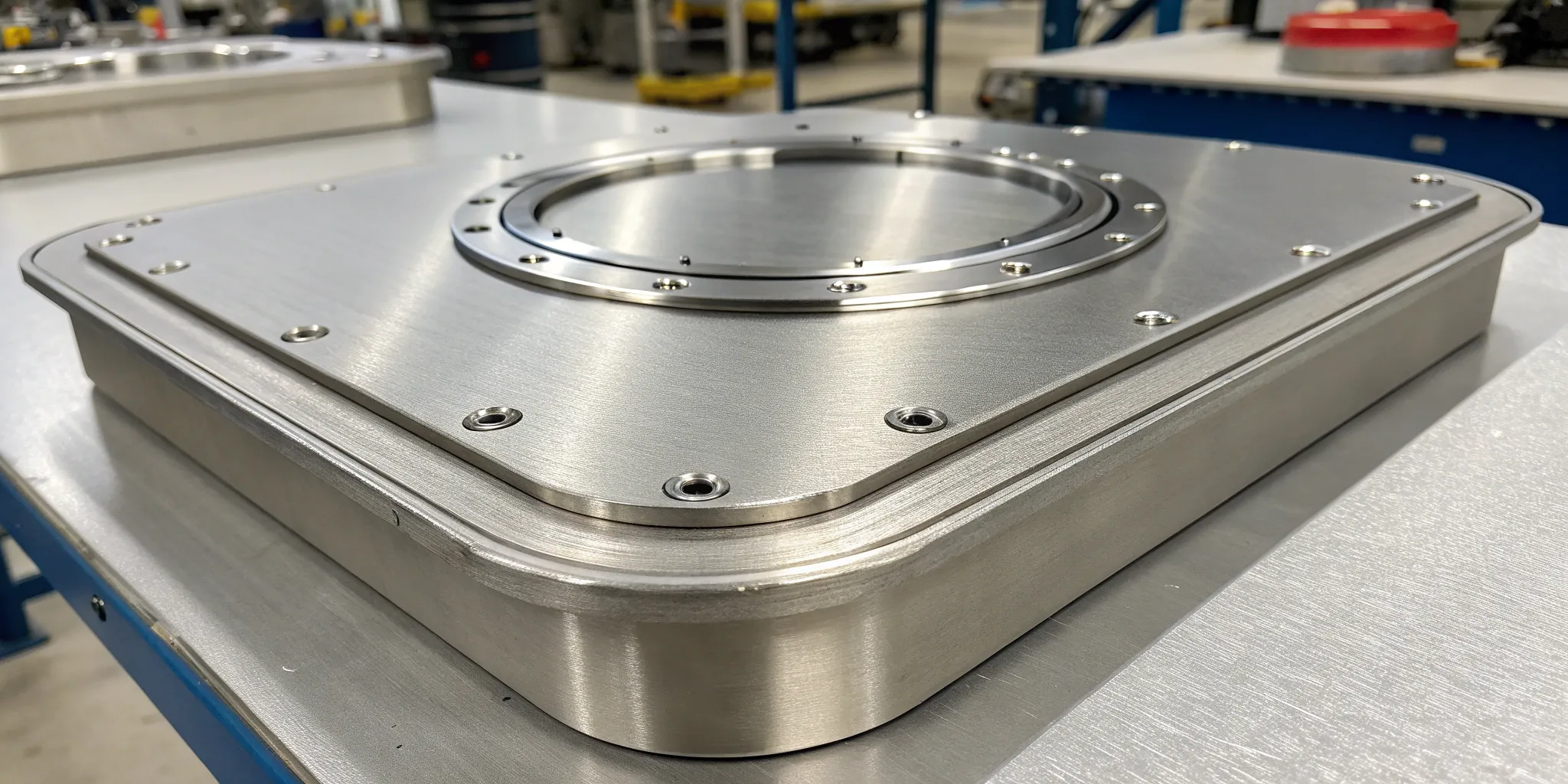
Sealed enclosure interface placeholder
Suggested: gasket or O-ring groove close-up on enclosure lid.
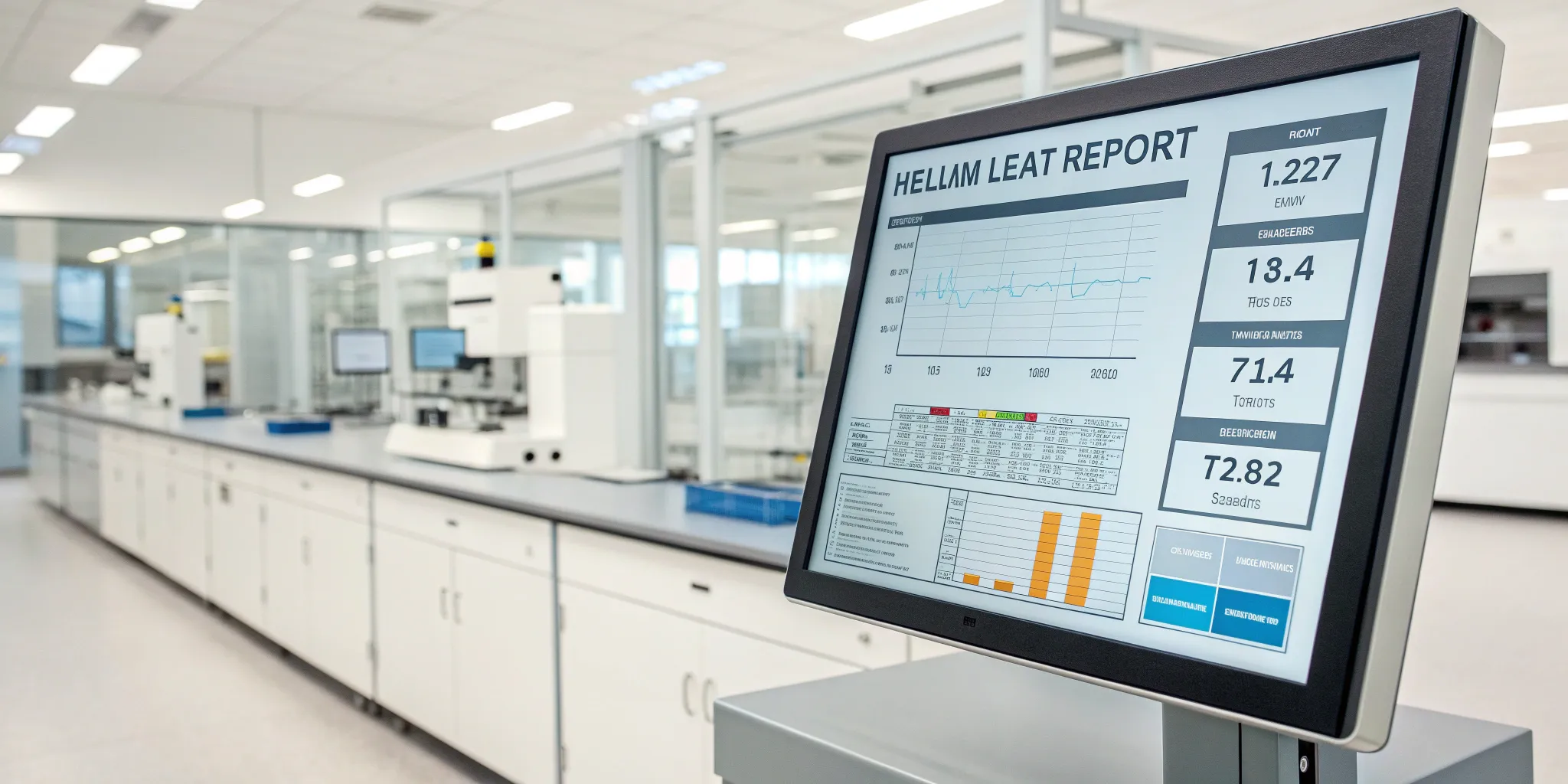
Report snapshot placeholder
Suggested: leak test report snapshot (blur sensitive data).

Our Role in Helium Leak Testing

We provide helium leak testing as part of integrated manufacturing and validation workflows—not as a standalone inspection step. Our work includes method selection, fixture and interface preparation, process integration into production, and result interpretation with documentation.
Test method selection
Choose vacuum / sniffer / pressurized approach based on part design
Fixture & interface prep
Ports, adapters, and sealing surfaces prepared for stable testing
Production integration
Cycle time, staging, and records built into the workflow
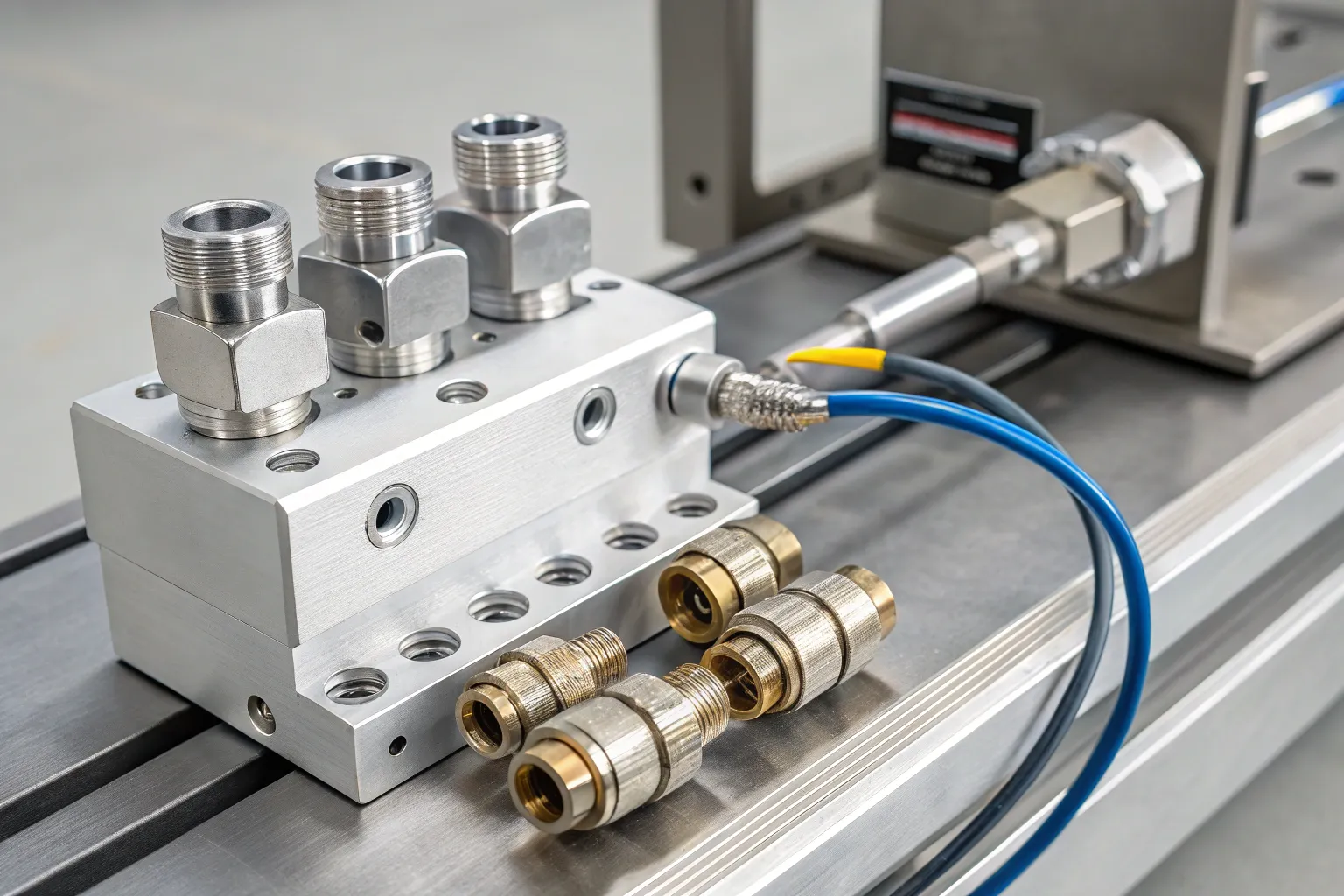
Test fixture placeholder
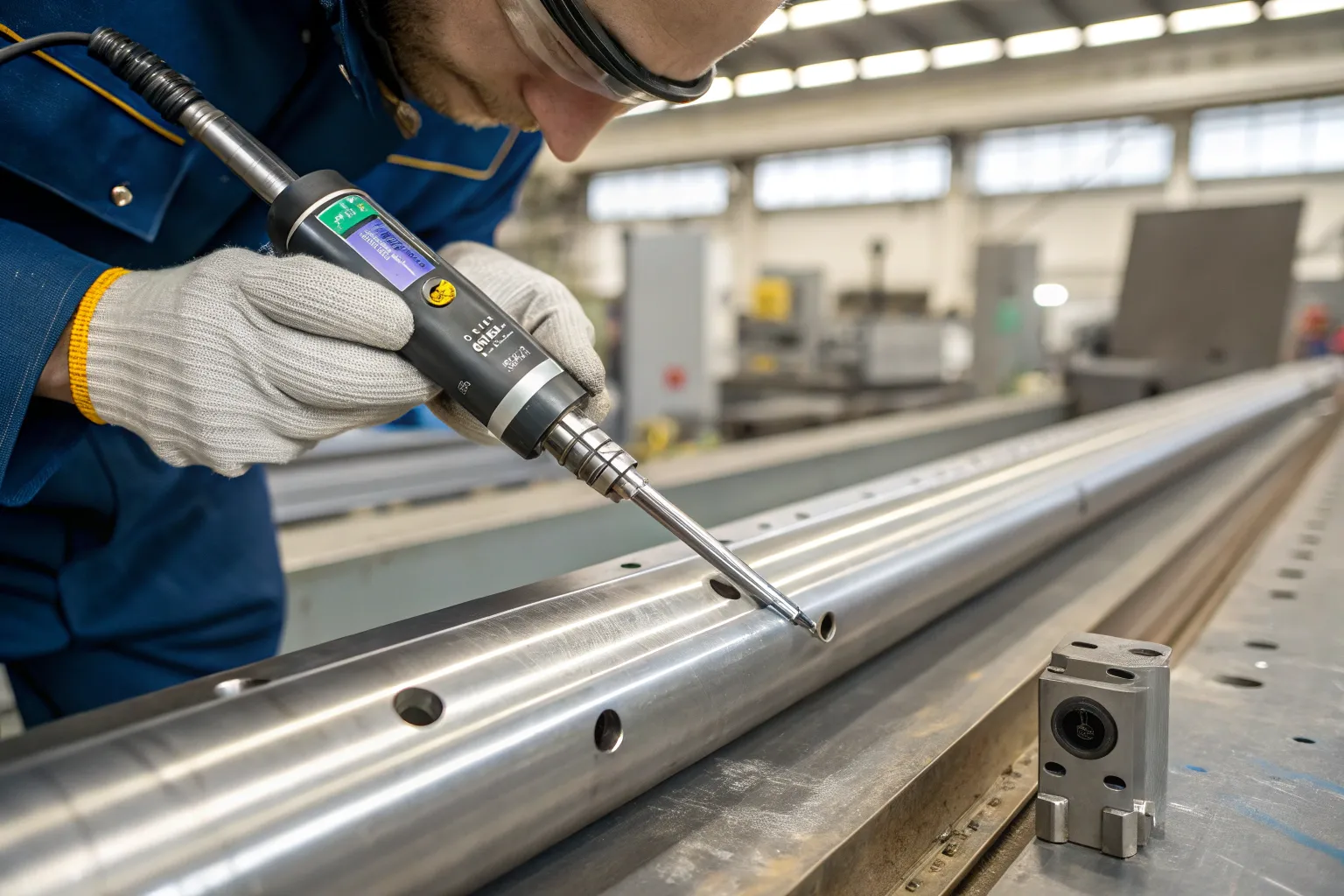
Vacuum chamber detail placeholder Sniffer probe placeholder

Typical Components Tested

Helium leak testing is applied to sealed components with internal channels or cavities—especially cooling plates and sealed enclosures.
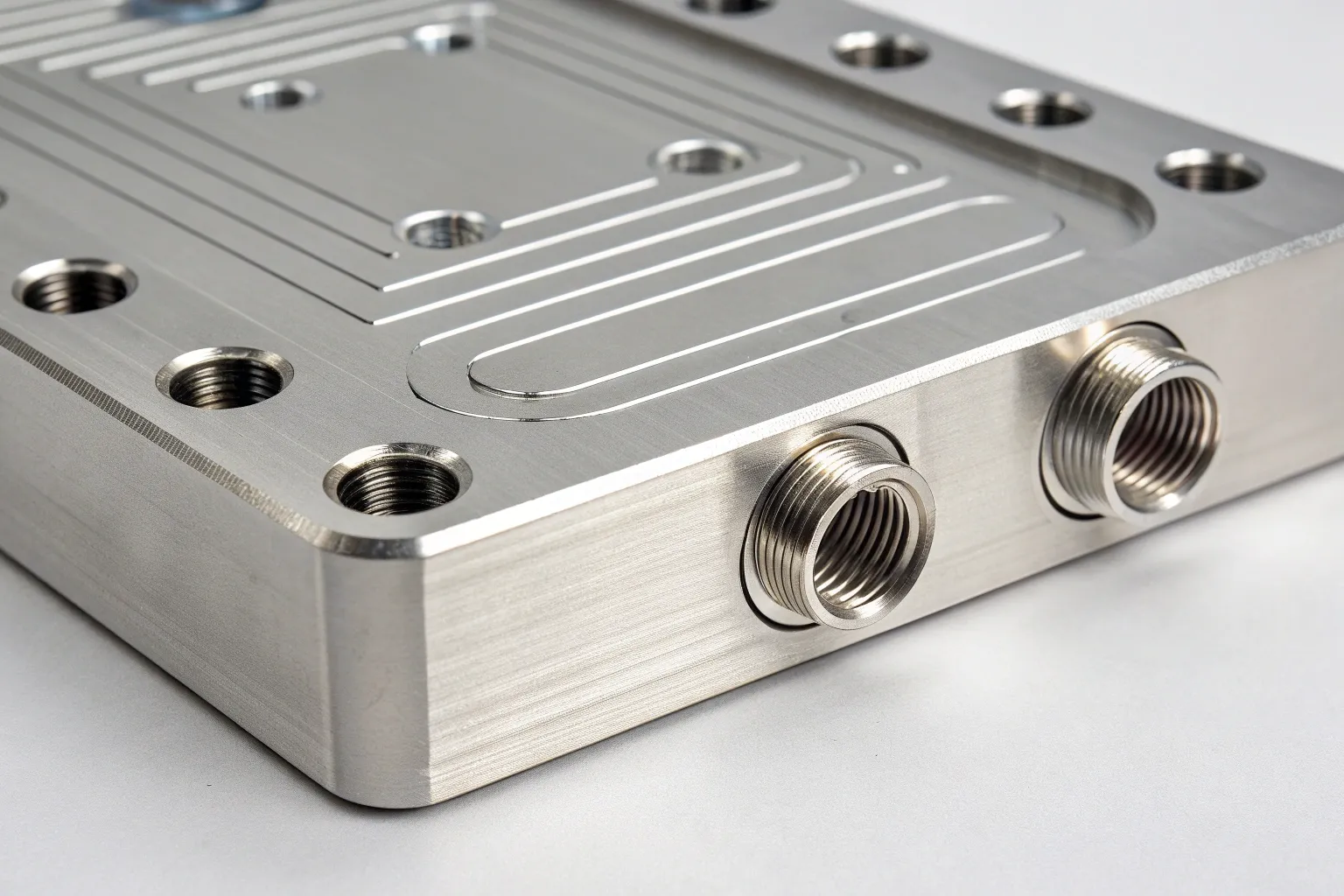
Liquid cooling plates
Internal channels & ports
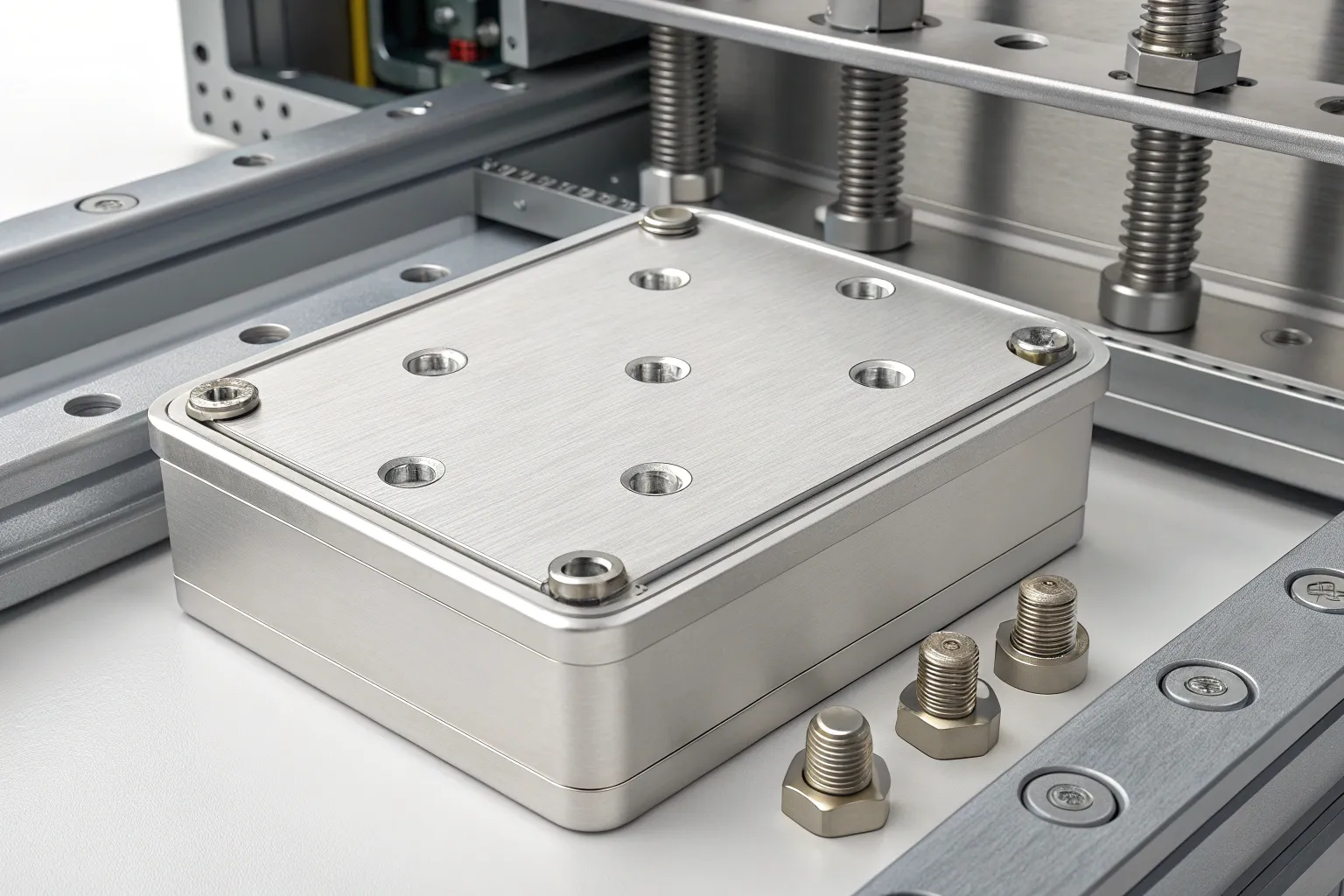
Battery enclosures
Sealed cavities & lid interfaces
Battery trays & frames
Sealed ribs / welded seams
Welded aluminum assemblies
FSW / brazed joints
Thermal components
High-integrity sealing required
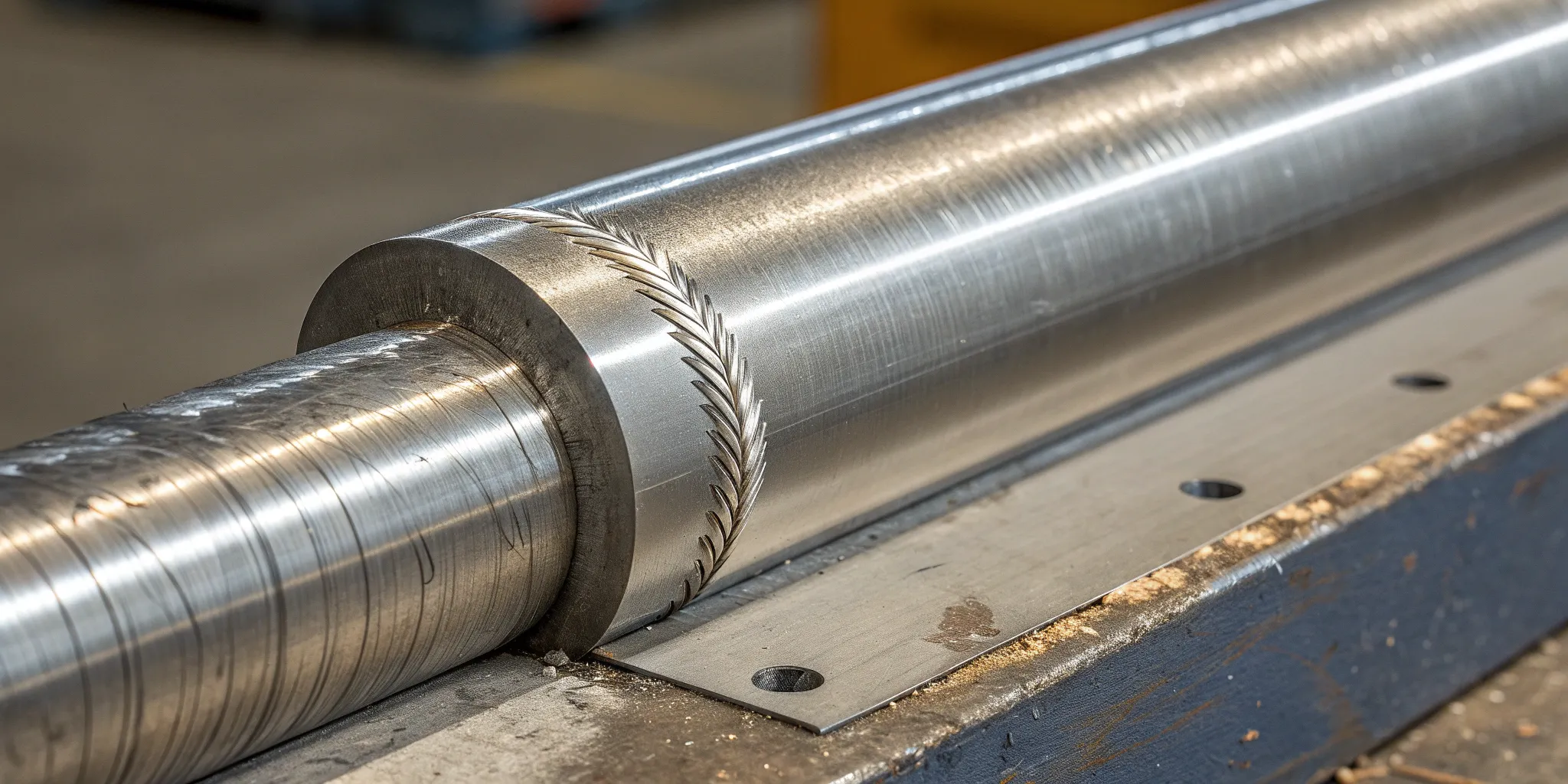
Cooling ports placeholder Enclosure lid interface placeholder Weld seam detail placeholder

Leak Rate Sensitivity and Control

Our testing supports high-sensitivity leak detection, typically down to ≤ 1 × 10⁻⁵ mbar·L/s (project-dependent). This sensitivity is commonly required for liquid cooling systems, long-life sealed enclosures, and automotive / energy storage applications.

Typical target (project-dependent)
≤ 1×10⁻⁵
mbar·L/s
Used for
  • • Cooling channel sealing
  • • Sealed enclosures
  • • Safety-critical systems
Leak rate display placeholder
Image tip
Show a leak rate readout (blur any customer identifiers).

Test Methods and Approaches

Helium leak testing can be performed using different methods depending on component design. We select the approach to balance accuracy, speed, and production efficiency.
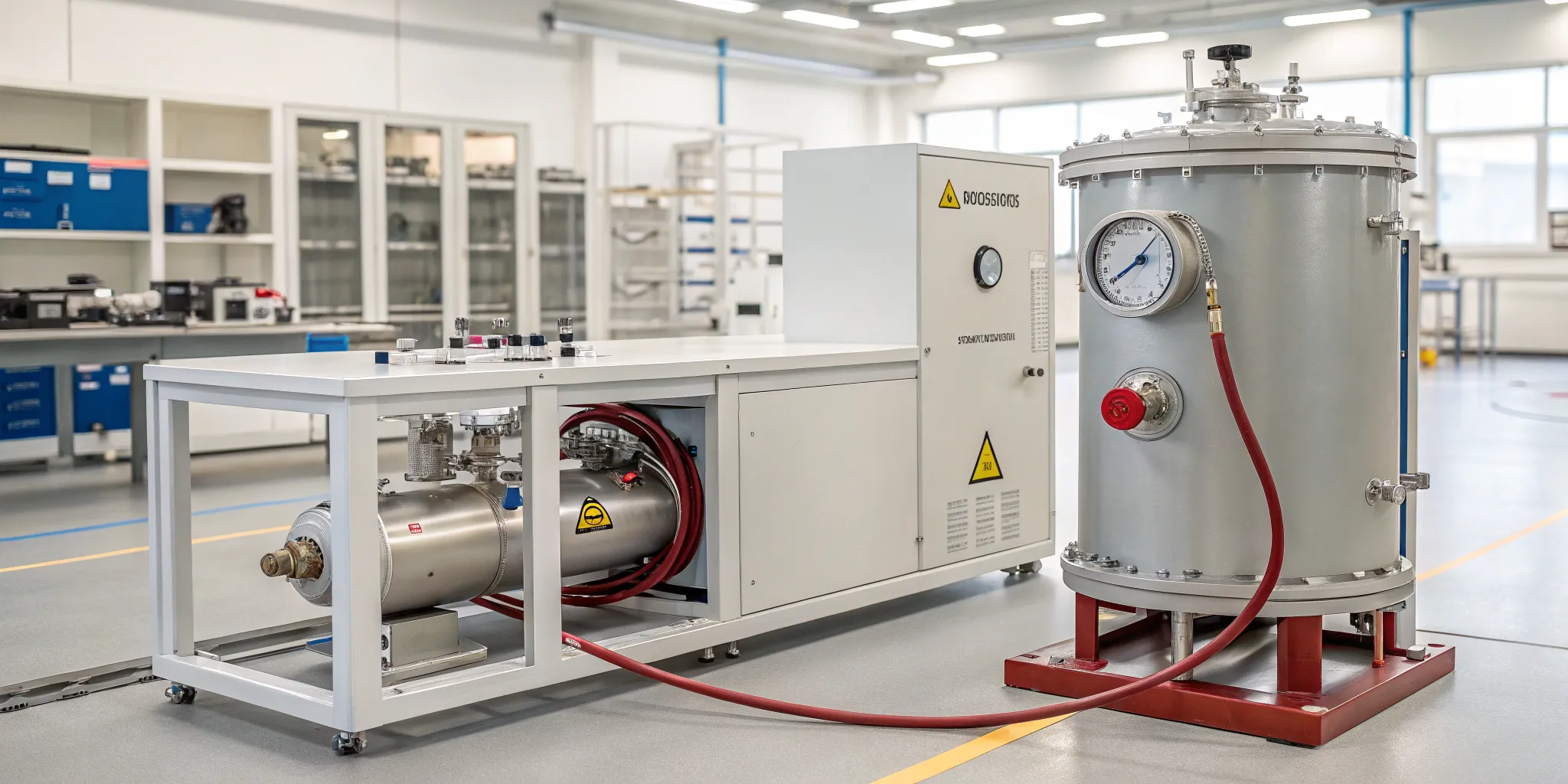
Vacuum chamber testing
High sensitivity
Best for sealed parts requiring quantitative, stable results.
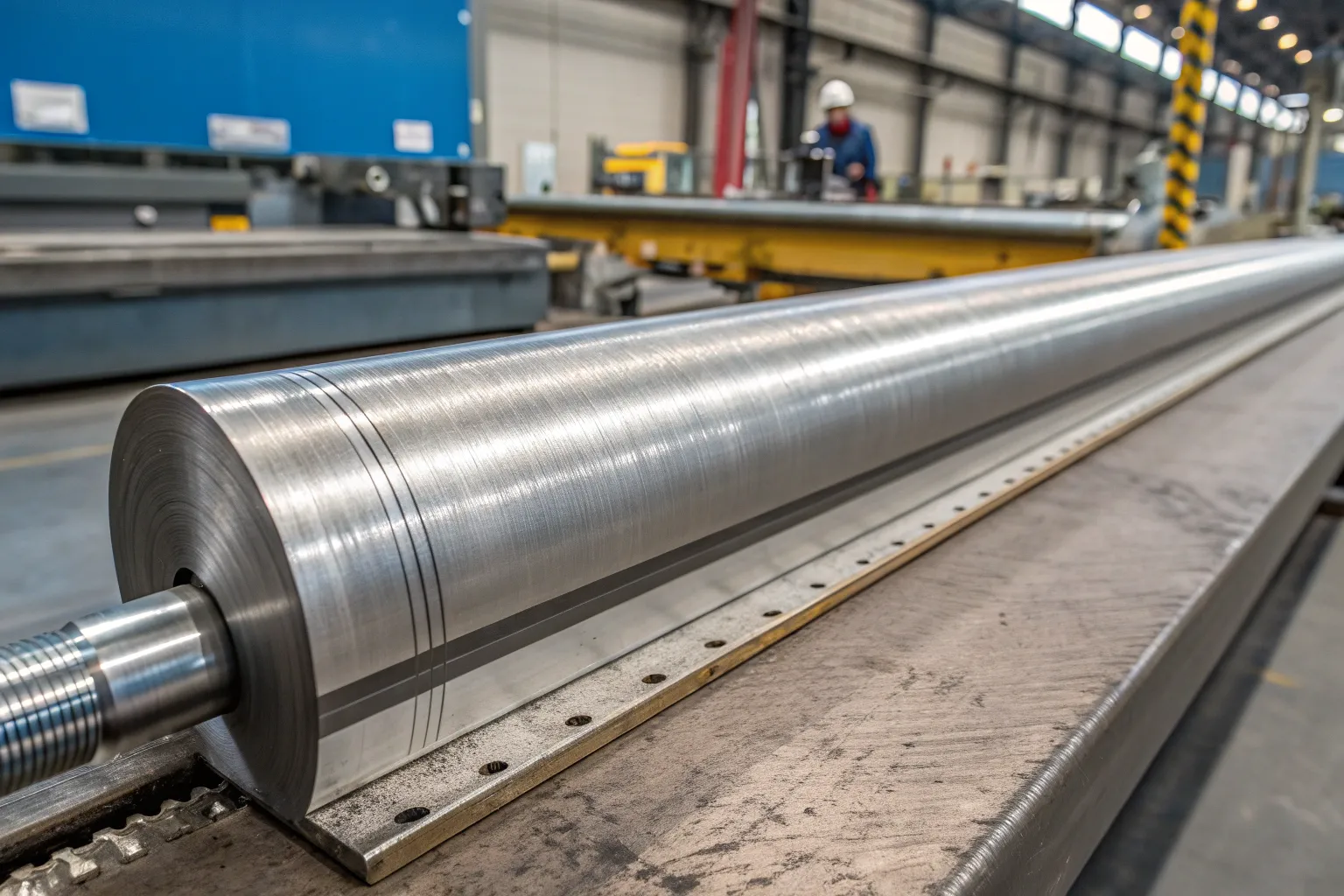
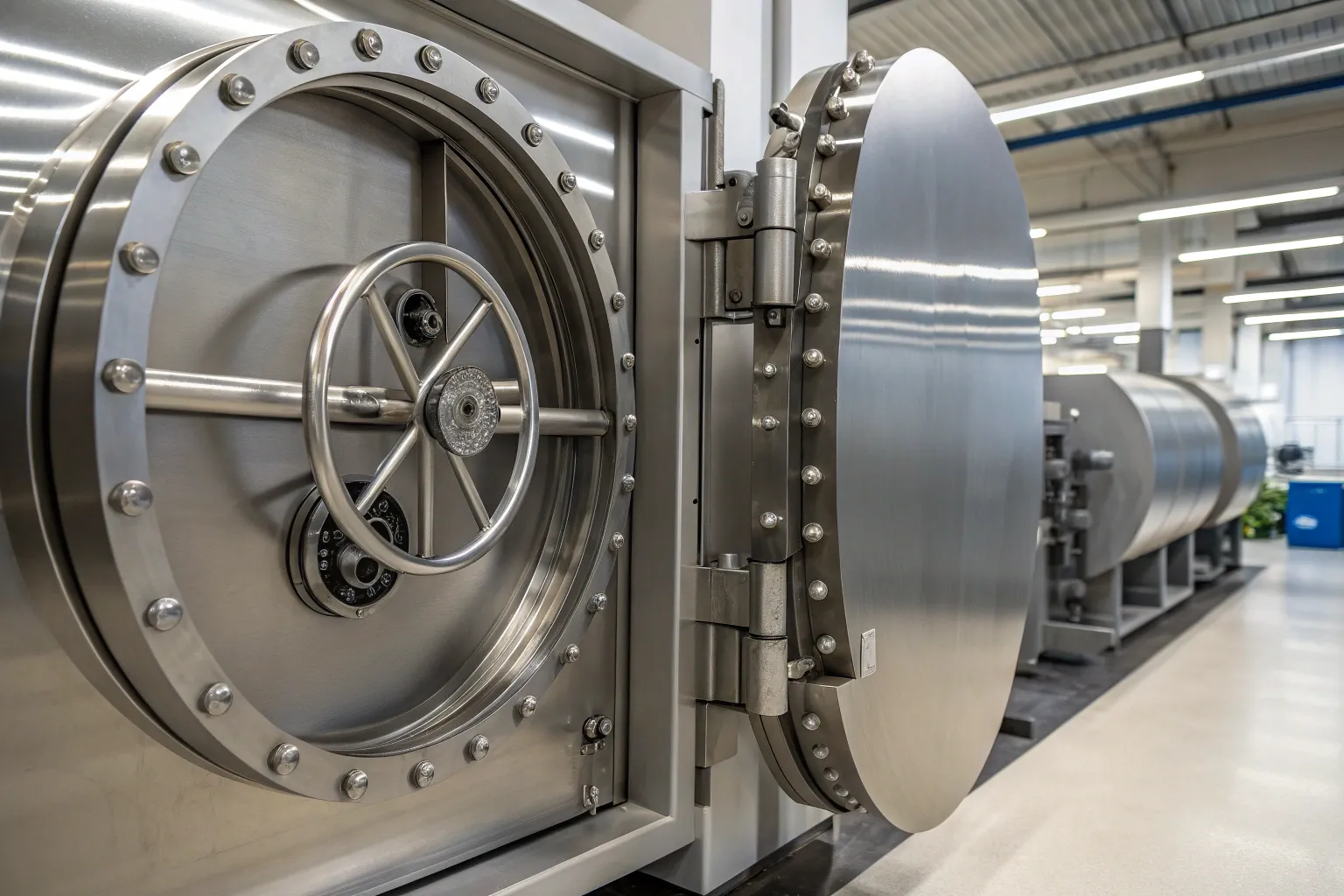
Vacuum chamber placeholder
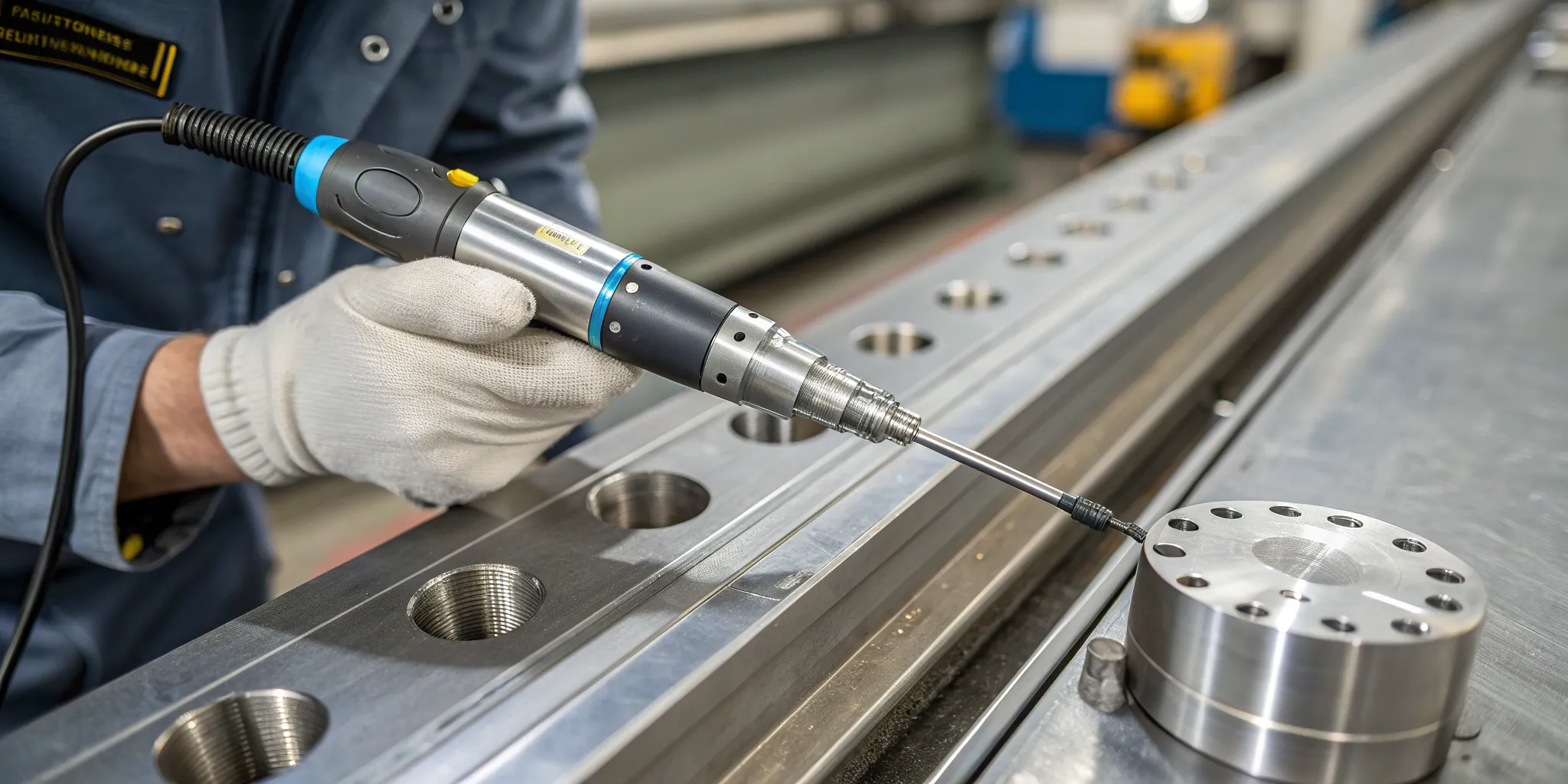
Sniffer testing
Localized
Used for pinpointing leak location and fast troubleshooting.
Sniffer probe placeholder
Pressurized component testing
Flexible
For parts designed to hold pressure; supports production efficiency.
Pressurized fixture placeholder

Integration with Welding and Machining Processes

Helium leak testing is closely linked to manufacturing processes. We coordinate testing with FSW welding, vacuum brazing, and CNC machining of sealing interfaces—so the test validates real production conditions, not isolated samples.
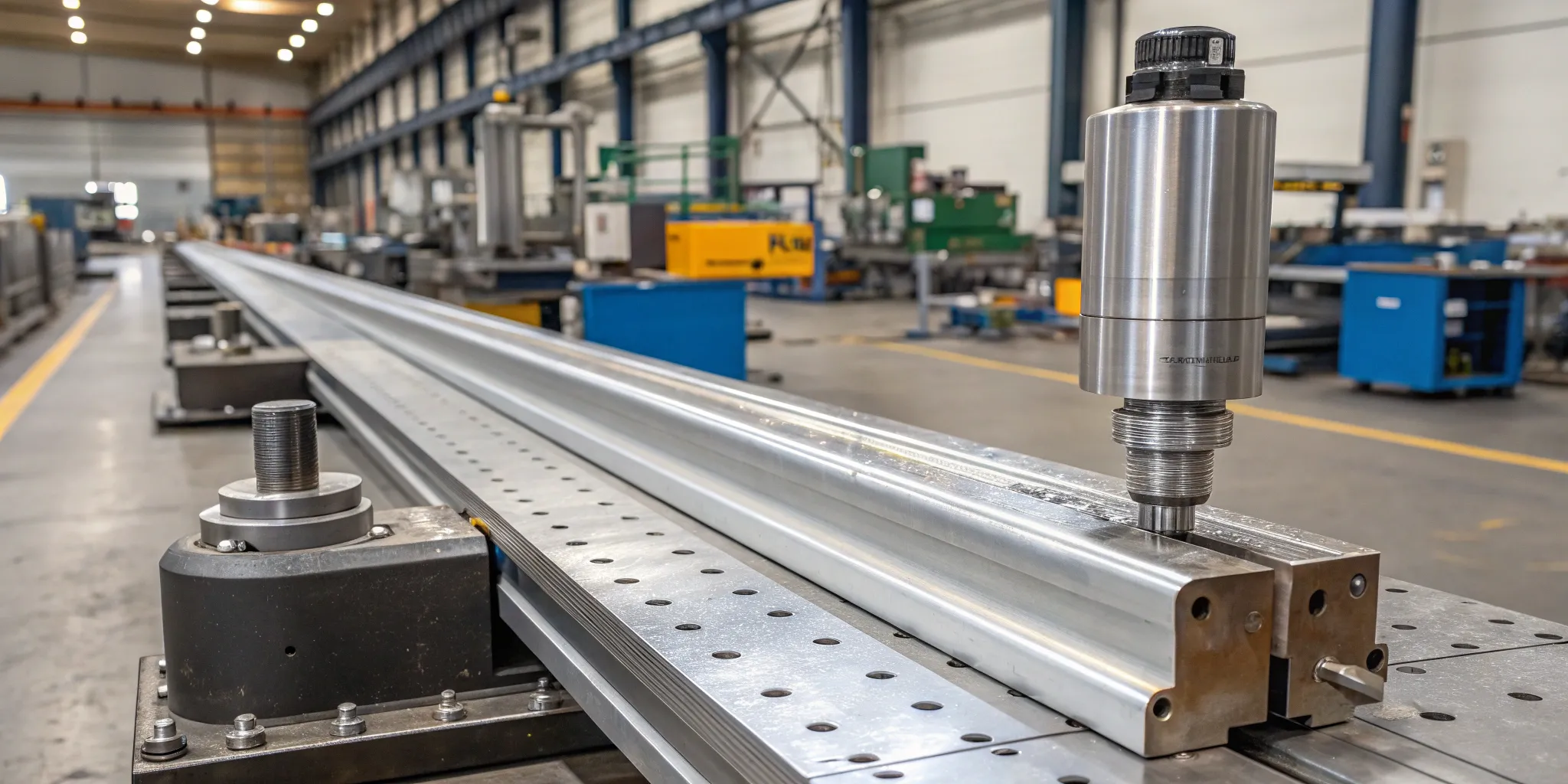
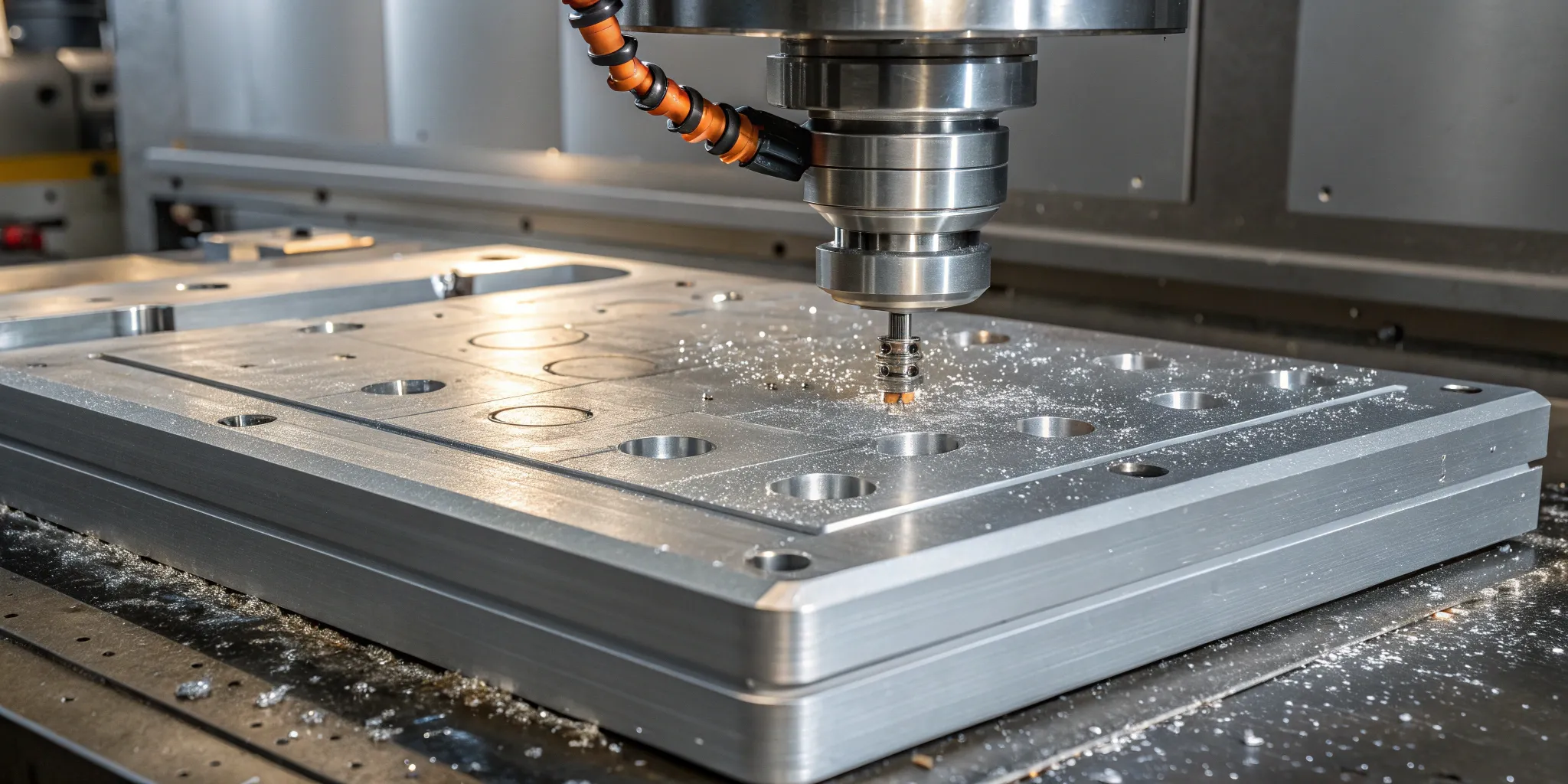
FSW before leak test placeholder
Machined sealing face placeholder Post-braze inspection placeholder

Sealing Interface Design Validation

Leak testing validates the effectiveness of sealing features—gasket grooves, O-rings, weld seams, and brazed joints. Results provide direct feedback for design optimization.
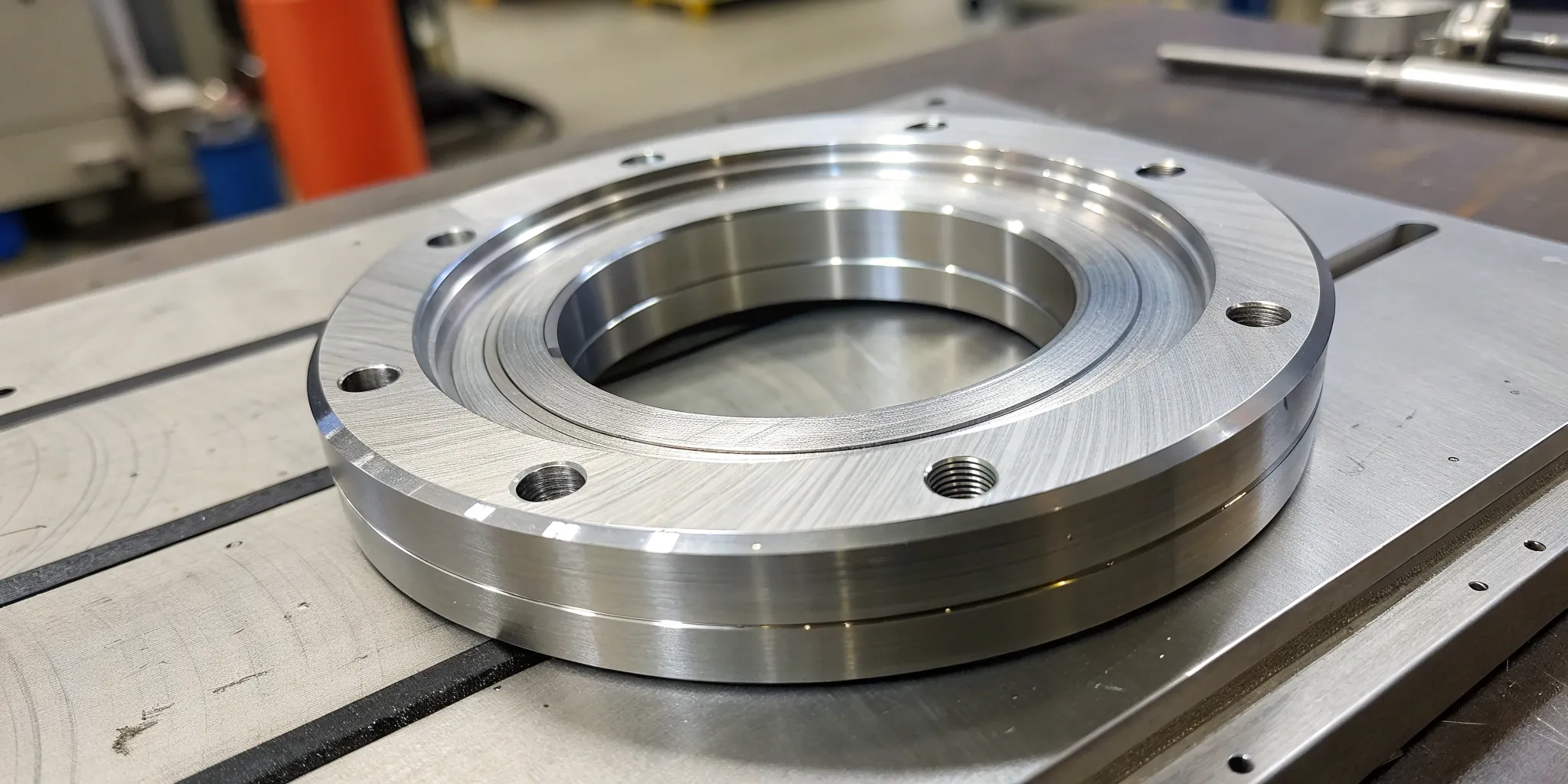
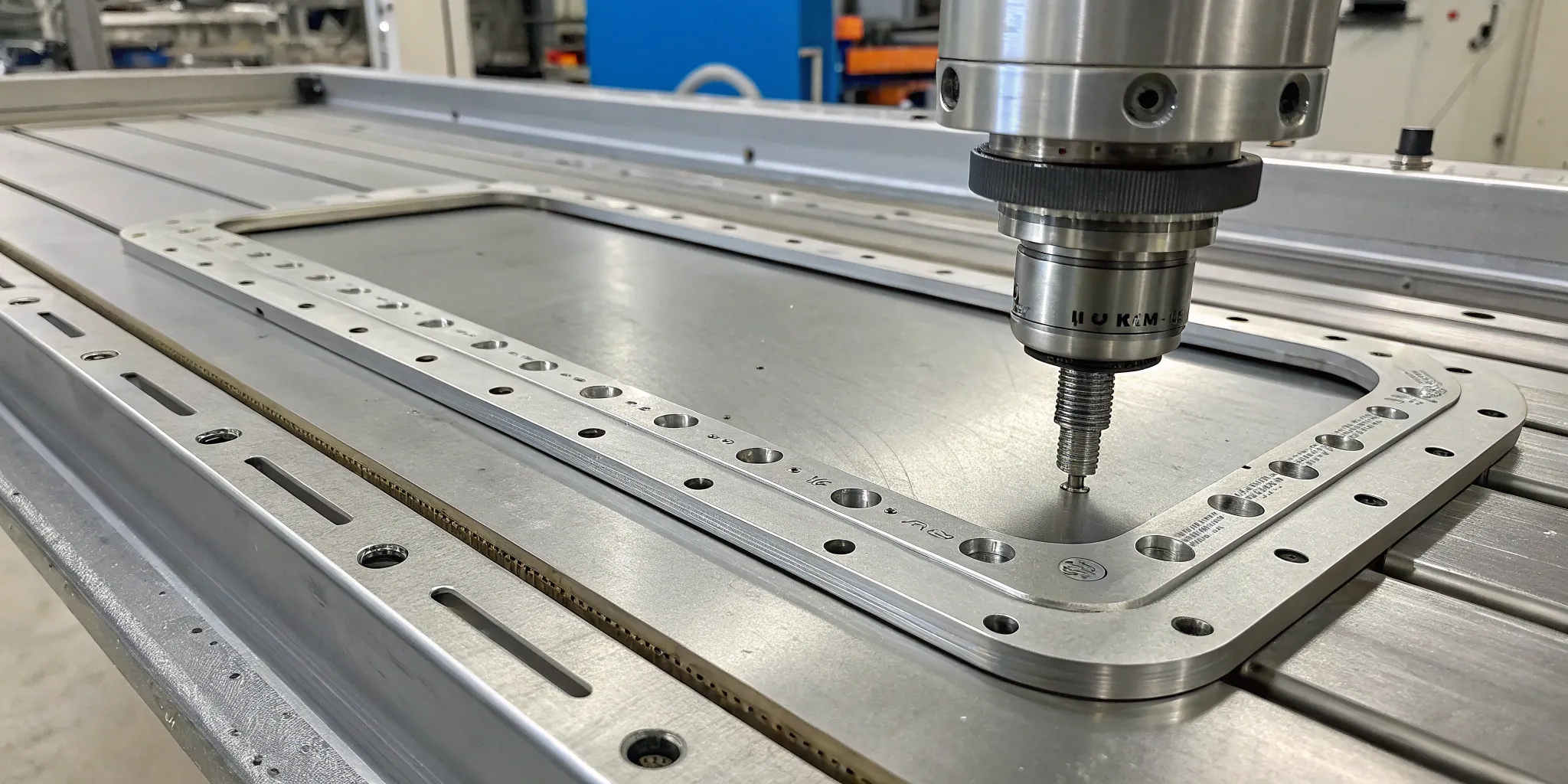
Gasket grooves
Machined accuracy matters
O-ring interfaces
Compression and groove control
Weld seams
FSW / TIG seam integrity
Brazed joints
Channel sealing performance
O-ring groove placeholder Gasket channel placeholder Weld seam macro placeholder

In-Process vs. Final Leak Testing

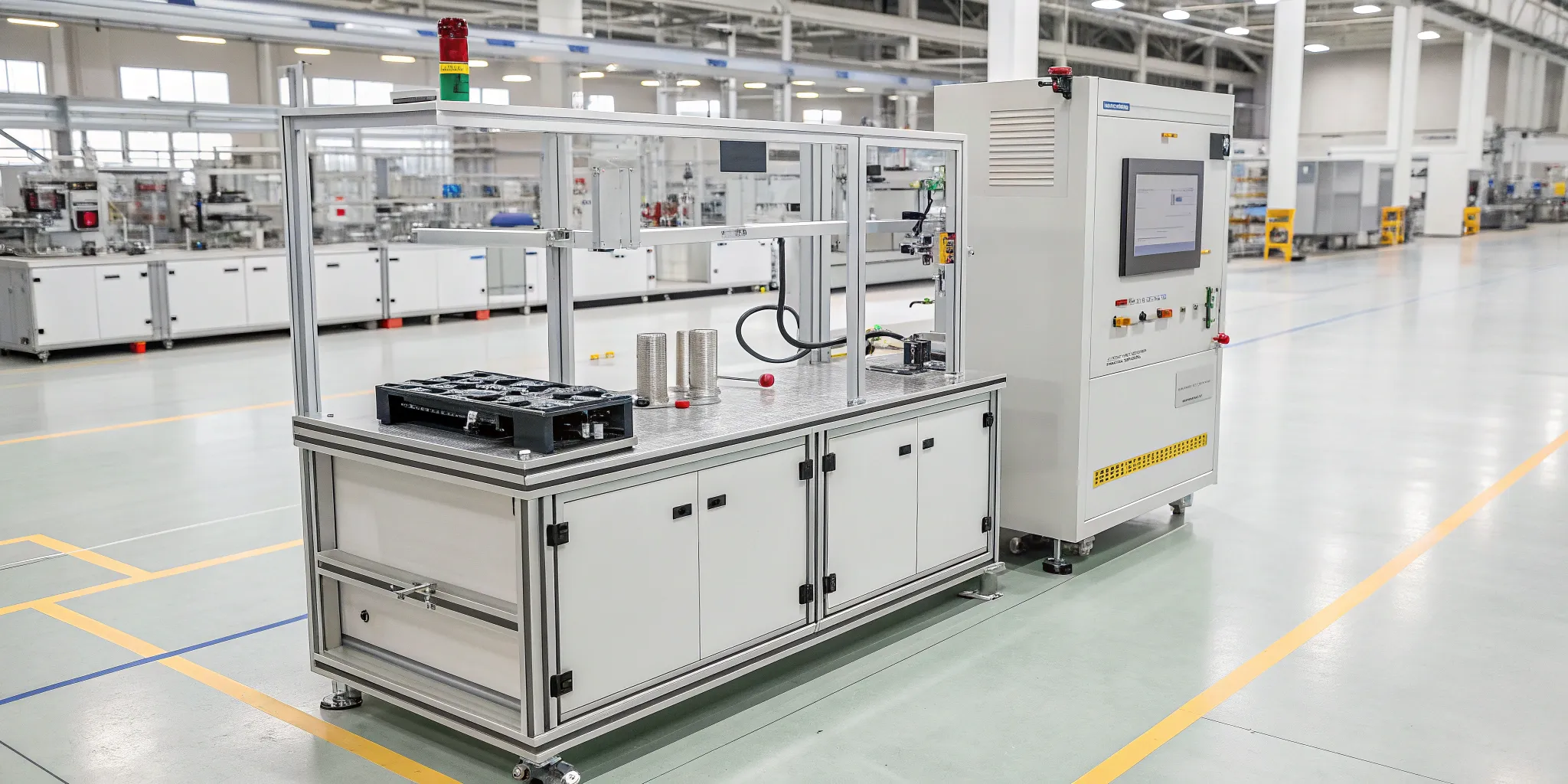
Leak testing can be applied at different production stages. In-process testing after welding or brazing helps identify root causes early, while final testing after full assembly provides end-of-line confidence.
In-process testing
After welding/brazing to catch issues early
Final testing
After assembly to confirm complete sealing
End-of-line test station placeholder
Image tip
Use a “station + fixture + part” image to show mass-production feasibility.

Quality Control and Traceability

Leak testing results are part of the quality system: recorded leak rates, pass/fail criteria, batch-level traceability, and integration with inspection reports—supporting audits and customer validation.
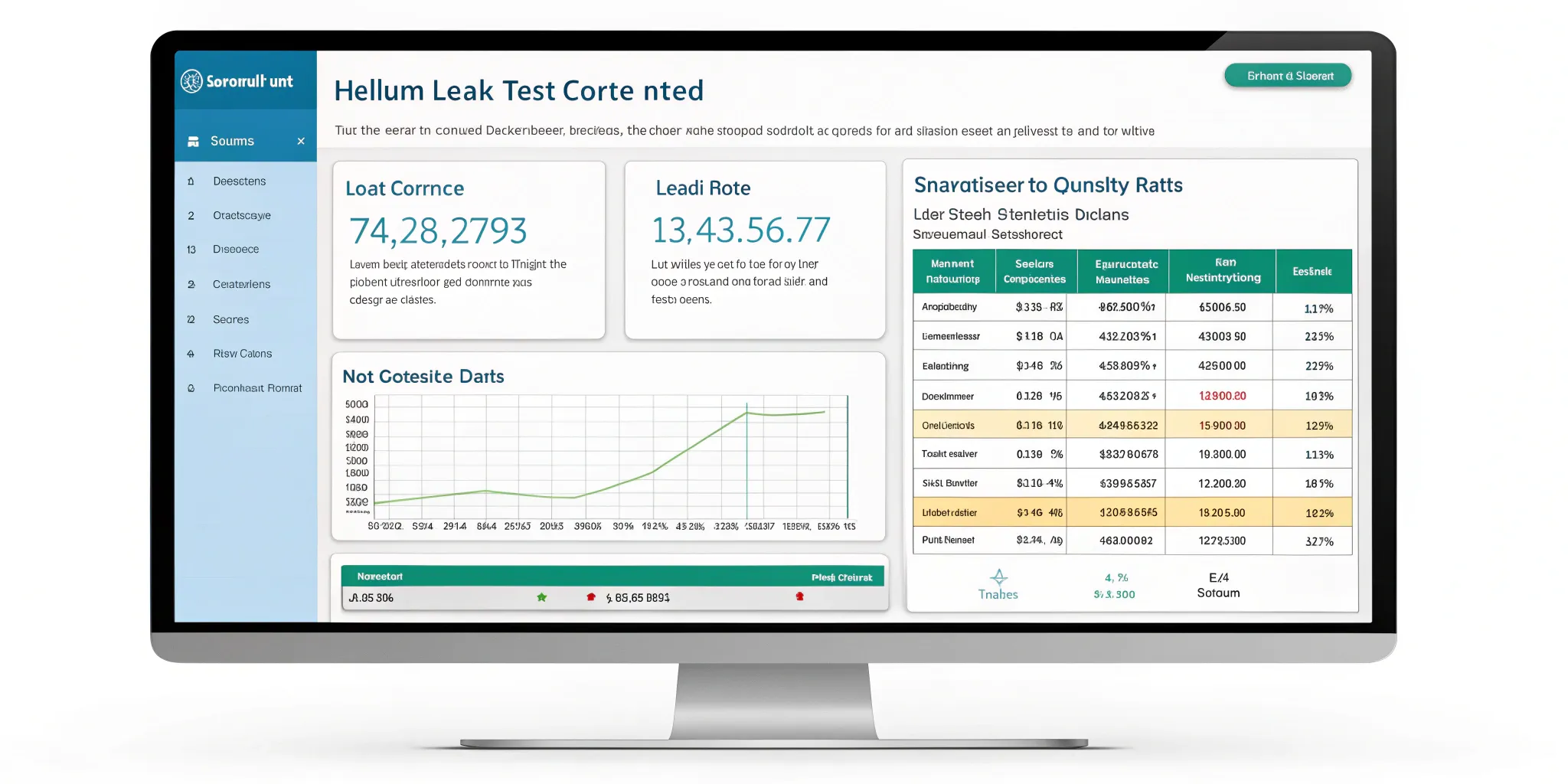
Recorded values
Leak rate data stored per part/batch
Pass/fail criteria
Defined with your project requirements
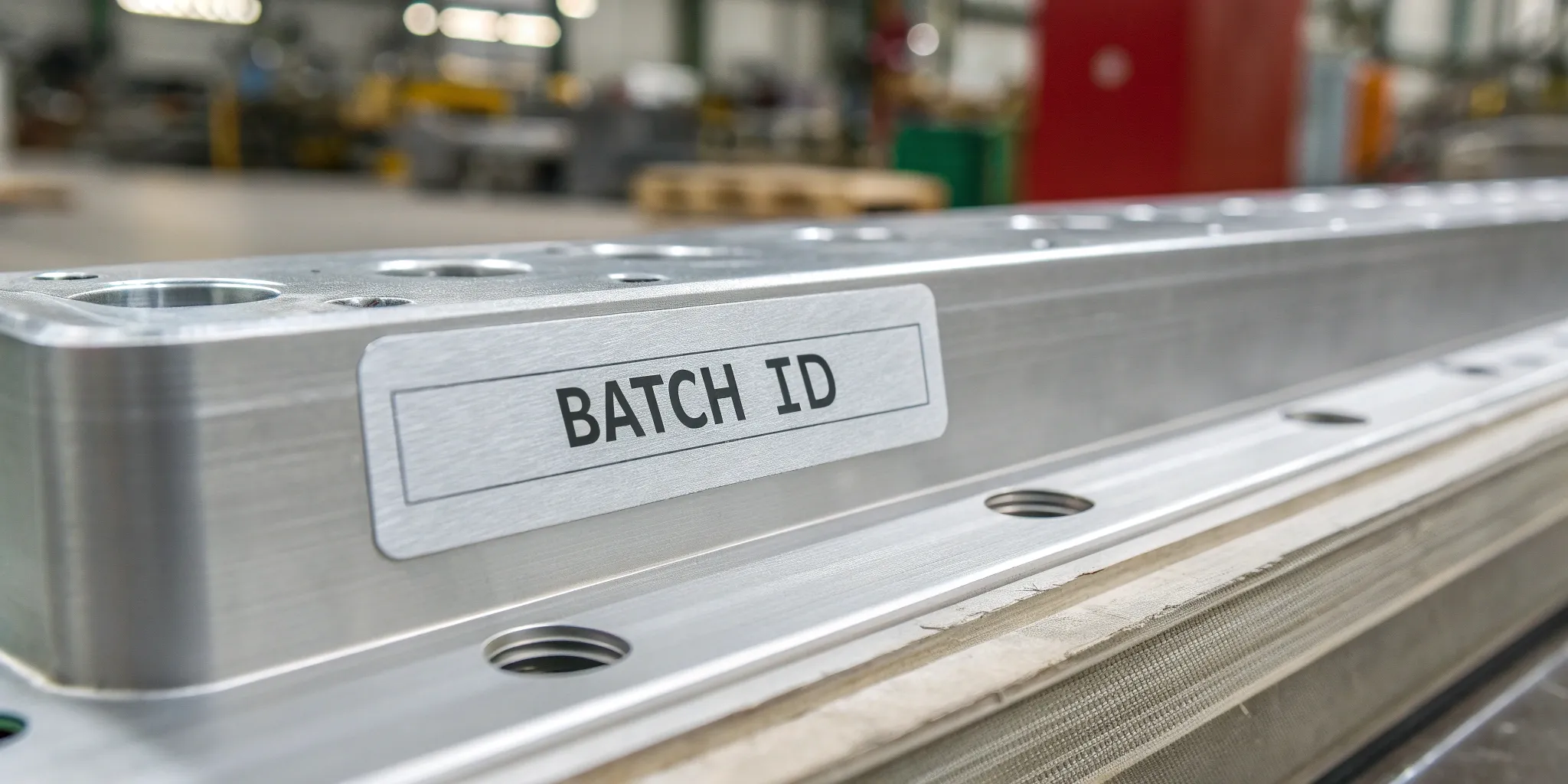
Batch traceability
Link results to production records
Reporting
Inspection packs for validation
Report format placeholder
Suggested: show your report template (blur customer info).
Traceability tag placeholder
Suggested: part label + batch ID to show traceability.

Production Scalability and Throughput

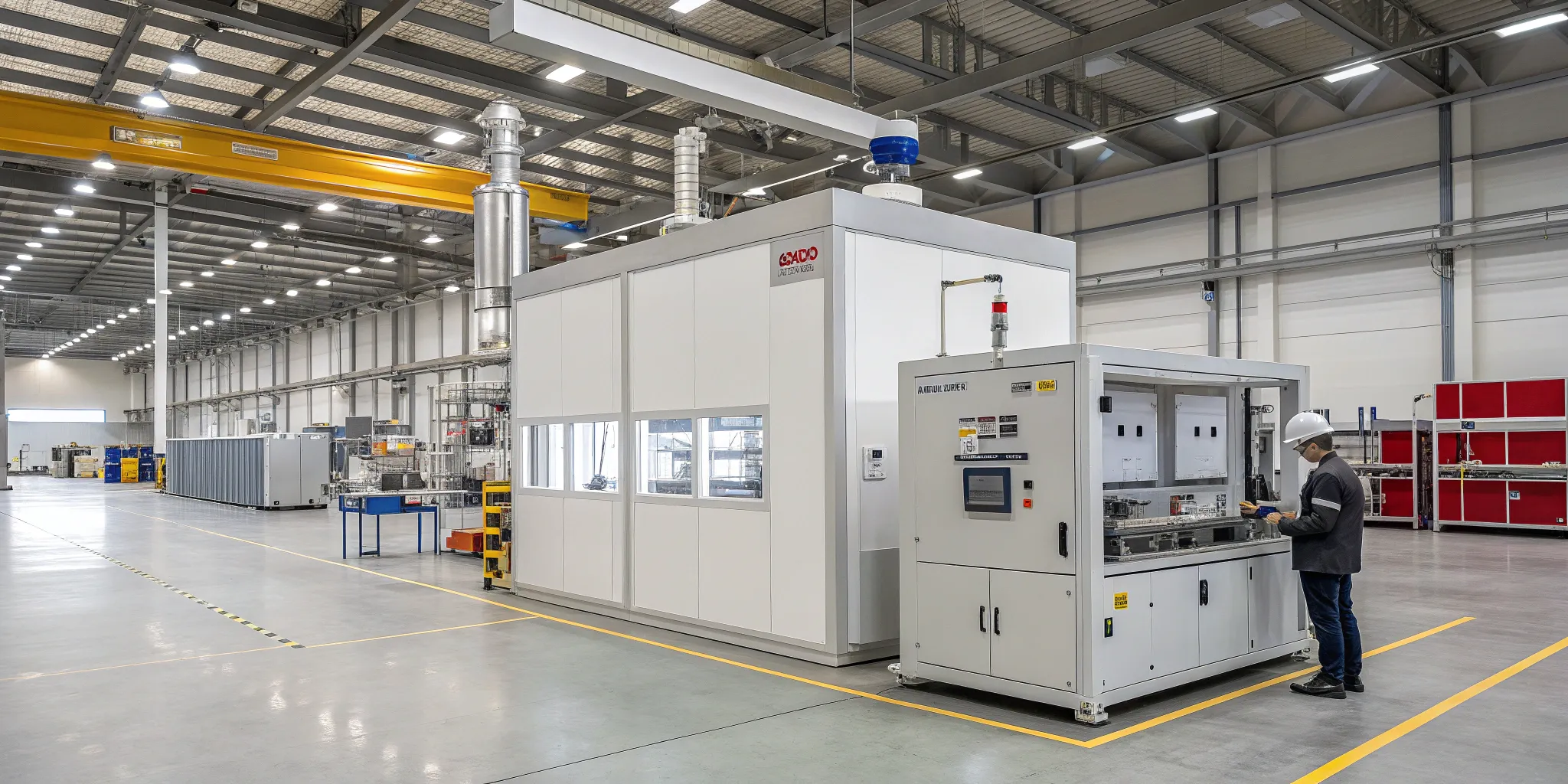
Helium leak testing is designed to support prototype/pilot production and series manufacturing. Workflows are optimized for repeatability, cycle time control, and consistent test conditions.
Repeatable workflows
Stable fixtures and parameters
Cycle time control
Designed for production stations
Consistent conditions
Reduced false fails and drift
Scalable integration
Align with your production line
Production station placeholder
Image tip
Use a wide shot: station + fixture + operator workflow (if allowed).

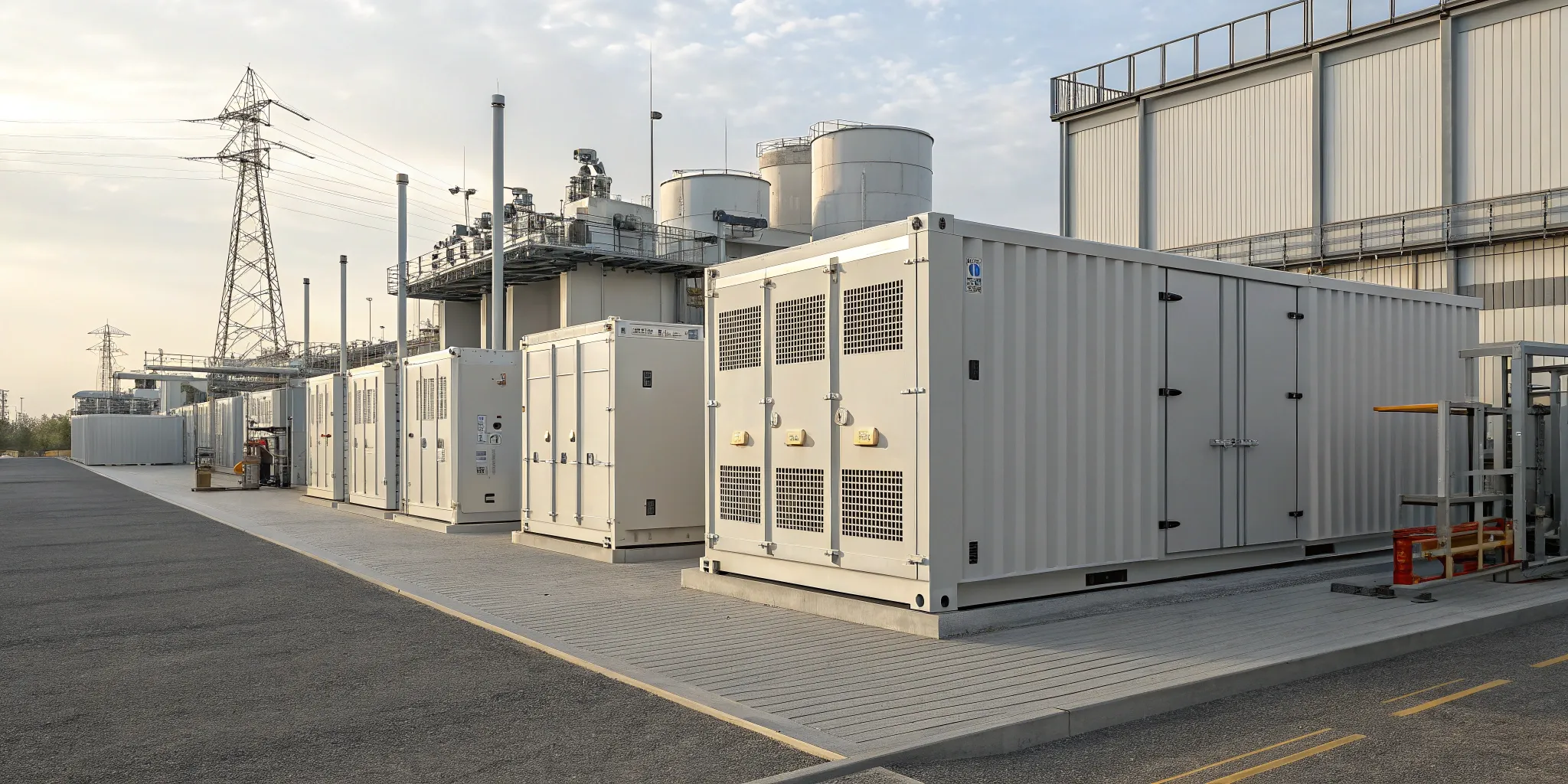
Typical Application Scenarios

Helium leak testing is widely used across EV and ESS systems, heavy-duty vehicles, industrial liquid-cooled components, and marine/outdoor power systems.

EV cooling plates
Leak-tight thermal channels
ESS enclosures
Long-life sealing reliability
Heavy-duty systems
Vibration + harsh env.
Industrial cooling
Stable, repeatable test
Marine/outdoor
Ingress & corrosion risk

Relationship with IP Rating and Environmental Testing

Helium leak testing complements IP testing. Helium detects micro-leaks and quantifies leak rates, while IP tests validate water and dust ingress protection under defined conditions. Together they provide a comprehensive sealing validation strategy.
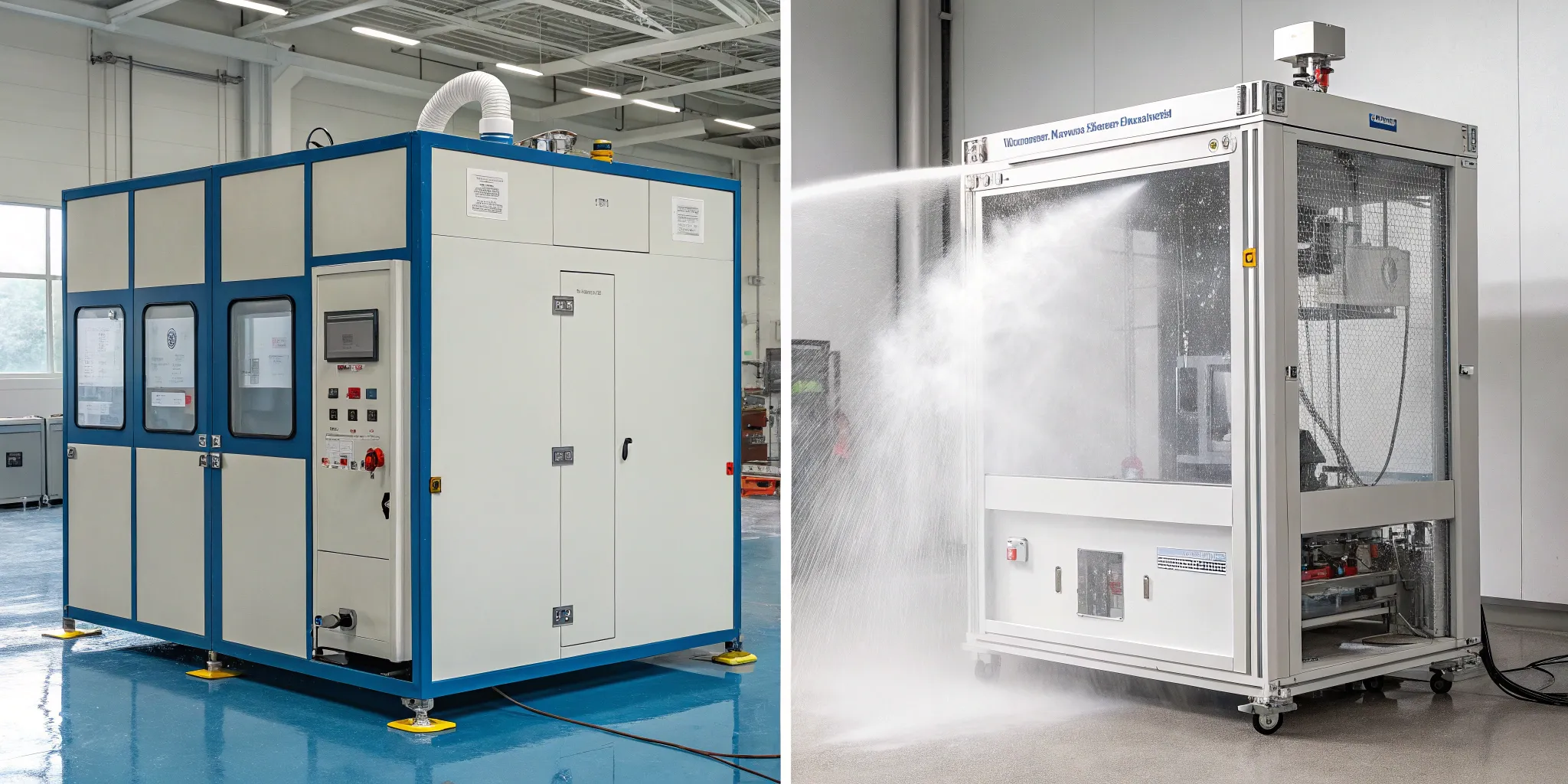
Helium testing
Micro-leaks + quantitative leak rate
IP testing
Ingress protection under water/dust tests
IP testing placeholder
Image tip
One IP test image + one helium station image makes the “two-layer validation” clear.

Why Choose Us for Helium Leak Testing

We combine high-sensitivity detection with manufacturing integration—so leak validation is repeatable, scalable, and supported with clear documentation.

Battery & thermal experience
Sealed enclosures and cooling channels
High-sensitivity capability
Micro-leak detection support
Manufacturing integration
Built into real production workflows
Production-ready throughput
Cycle time and station planning
Documentation & traceability
Clear reports for audits

Contact & Testing Consultation

Upload your drawings (STEP / DWG / PDF) for test method selection, fixture planning, leak criteria definition, and production workflow evaluation.

Email
andrew@sannytelecom.com
Fast response for testing & validation support
Request Testing Support
Suggested info: component type (cooling plate / enclosure), ports, internal volume, target leak rate, quantity, and stage (prototype / mass production).
Tip: Put “component + target leak rate + stage + quantity” in the subject line to speed up evaluation.