
Electronic Housings
Precision-machined and sealed housings for PDU, HV control box, junction boxes, and power electronics— engineered for integration, protection, and scalable production.
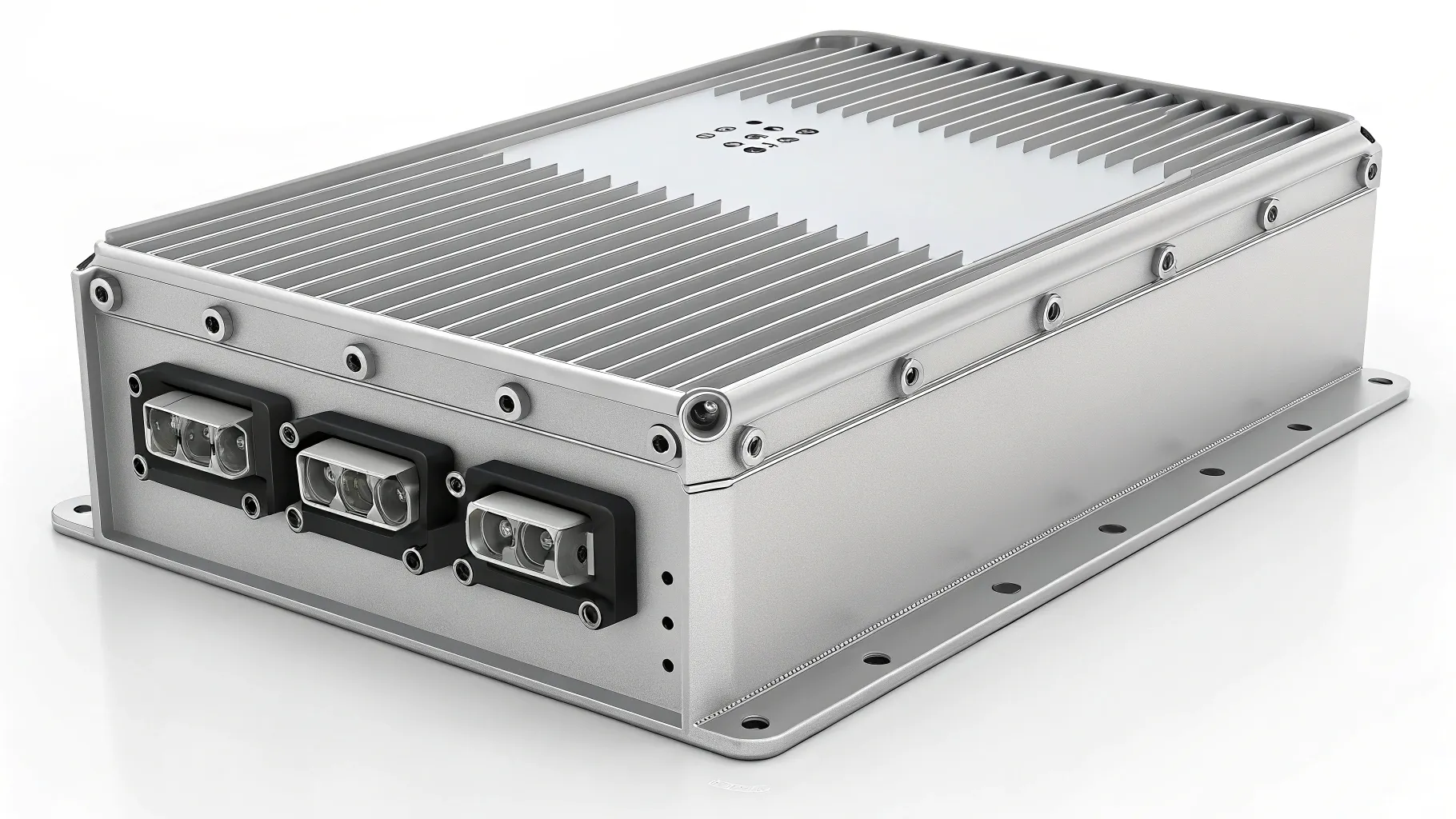
What Are Electronic Housings
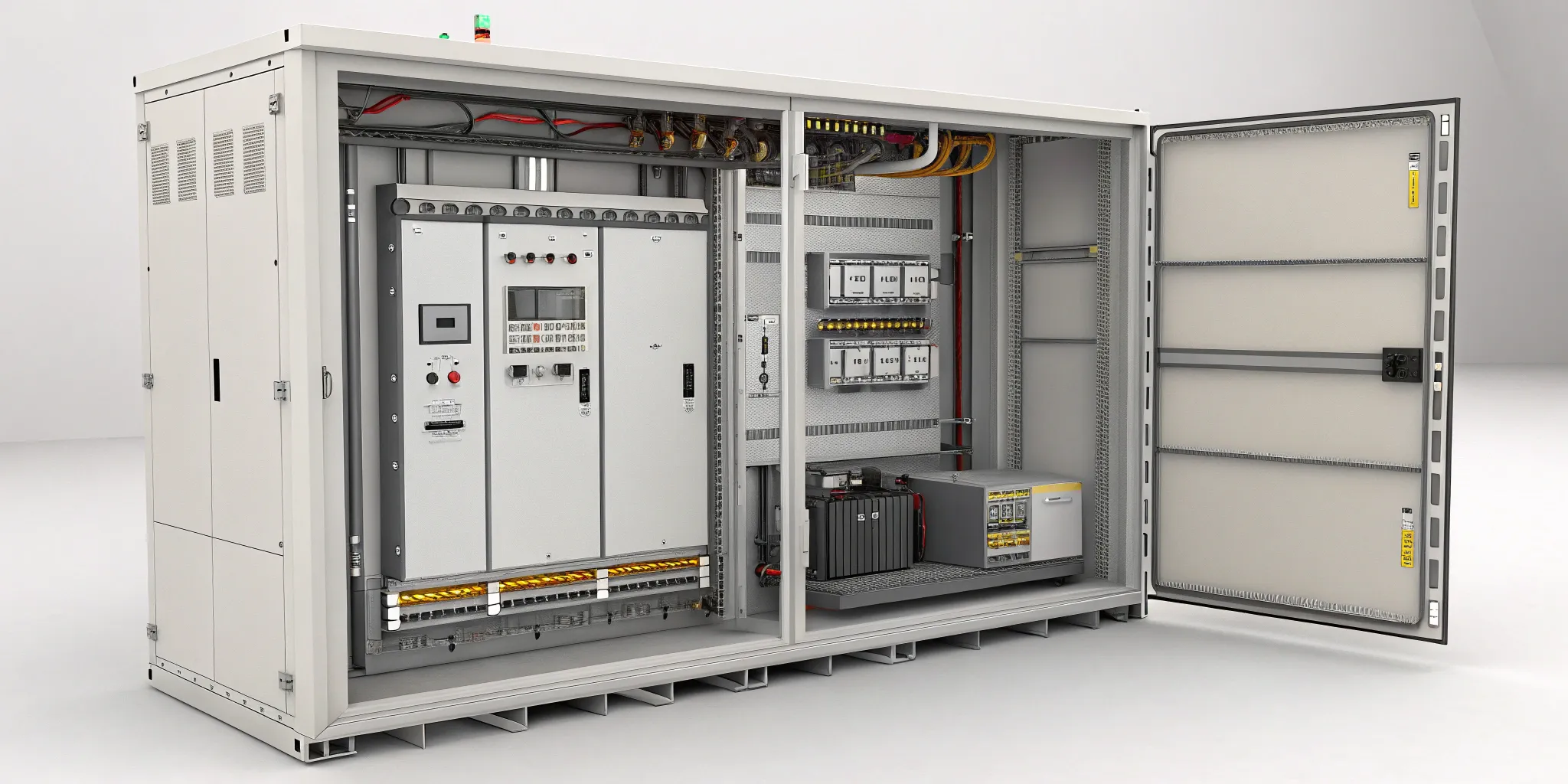
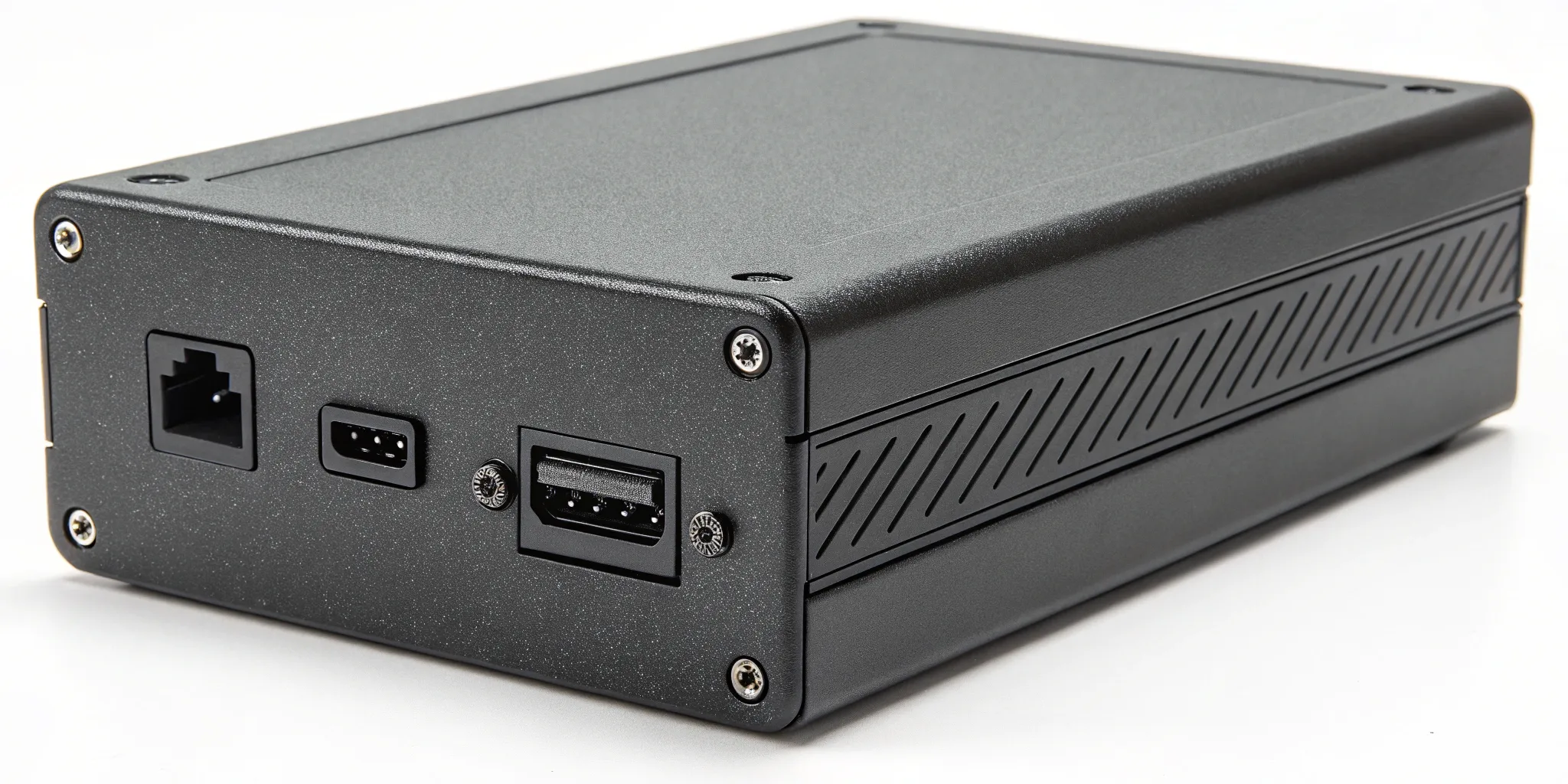
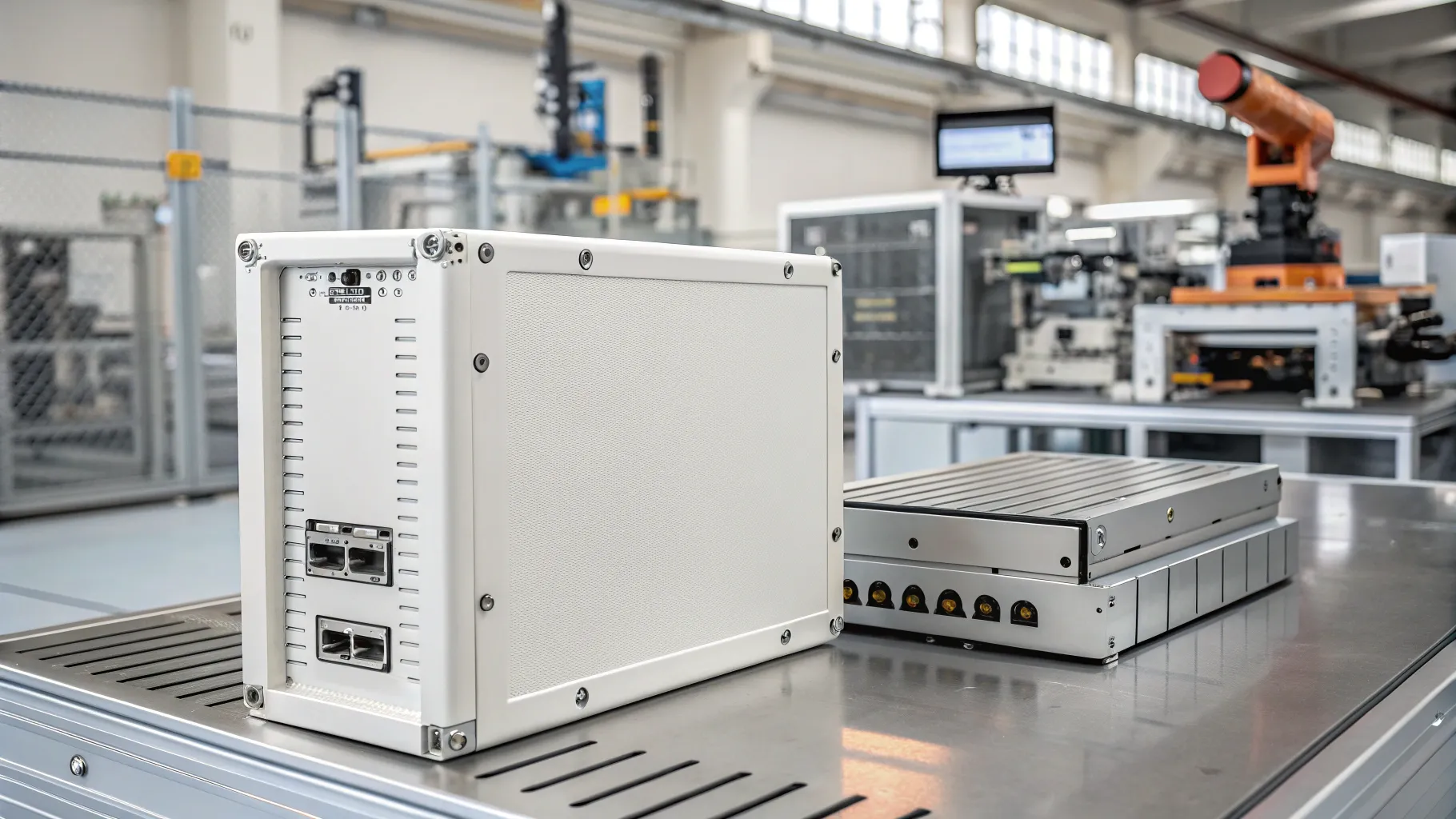
Electronic housings protect critical electrical and control components in EV and ESS systems. They must ensure mechanical protection, environmental sealing, electrical safety readiness, and serviceability/integration compatibility.
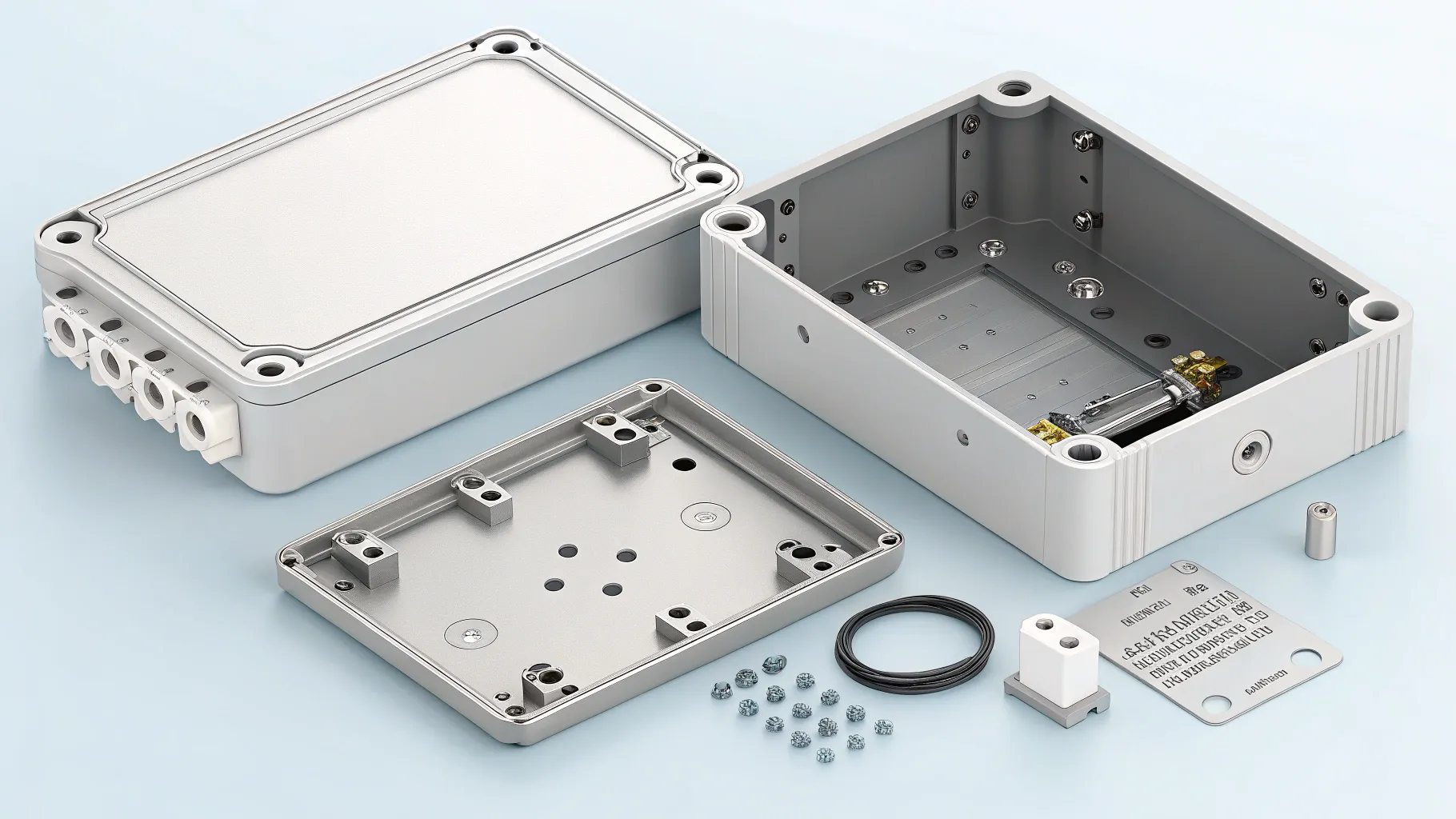
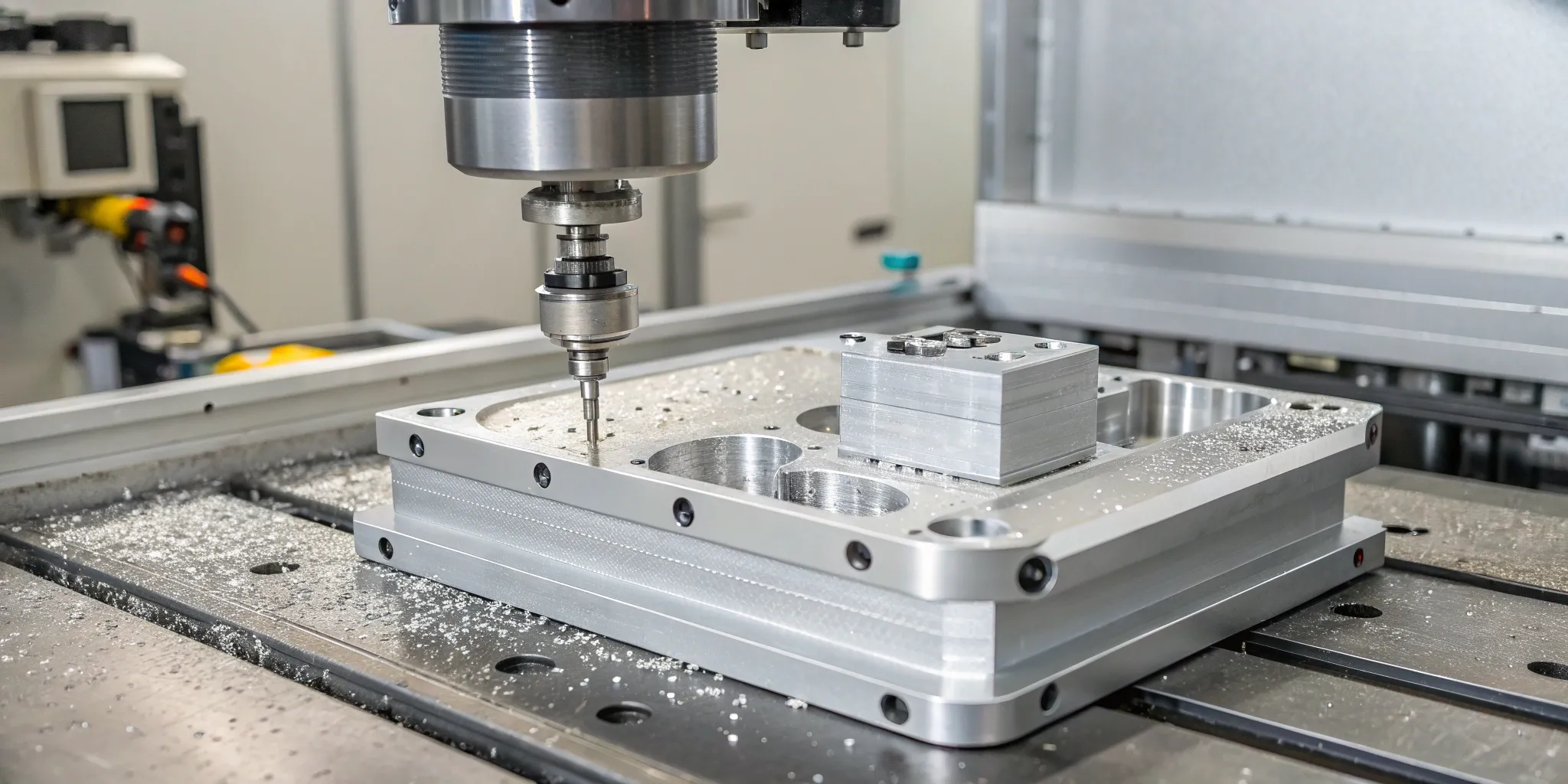
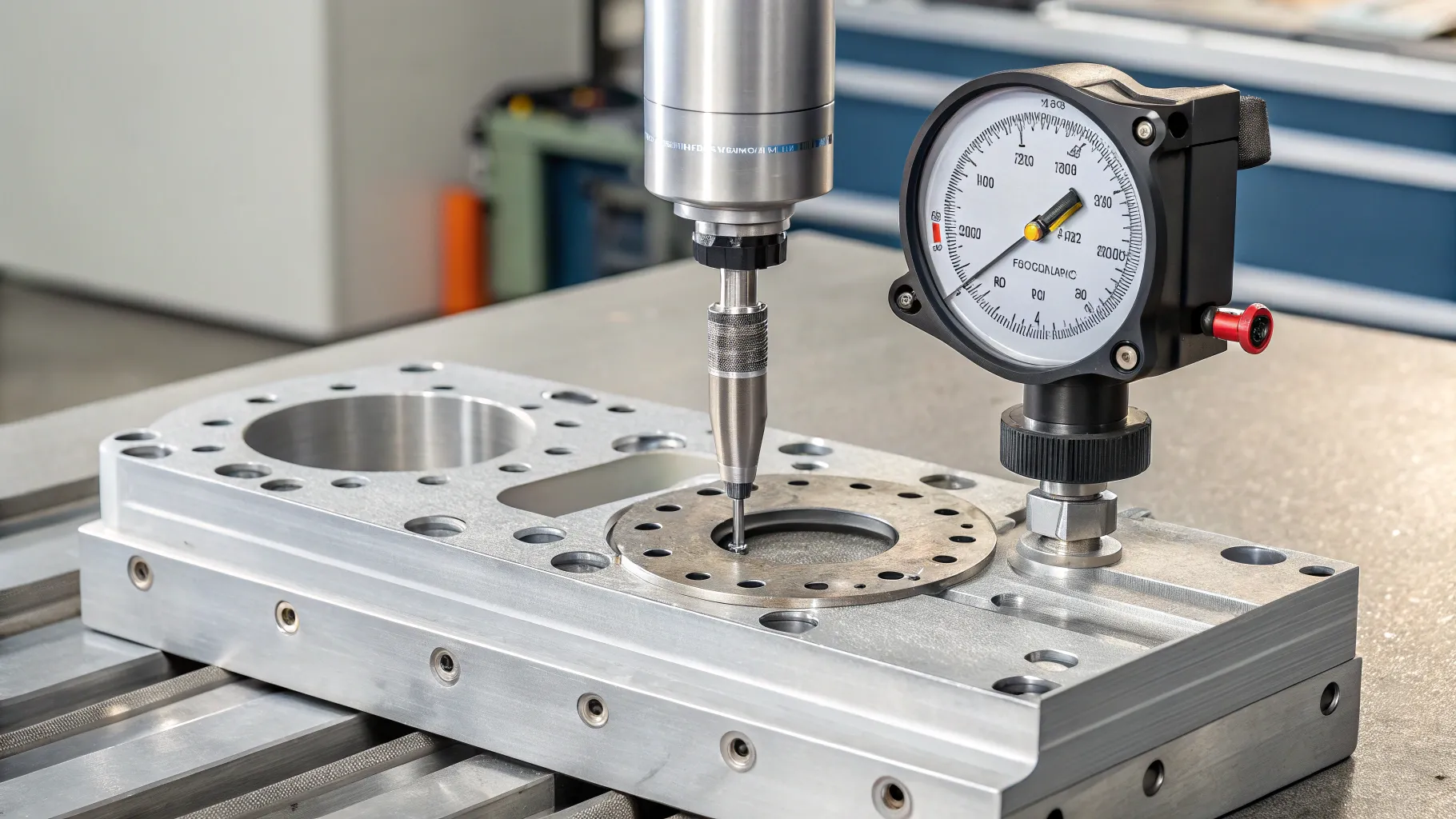
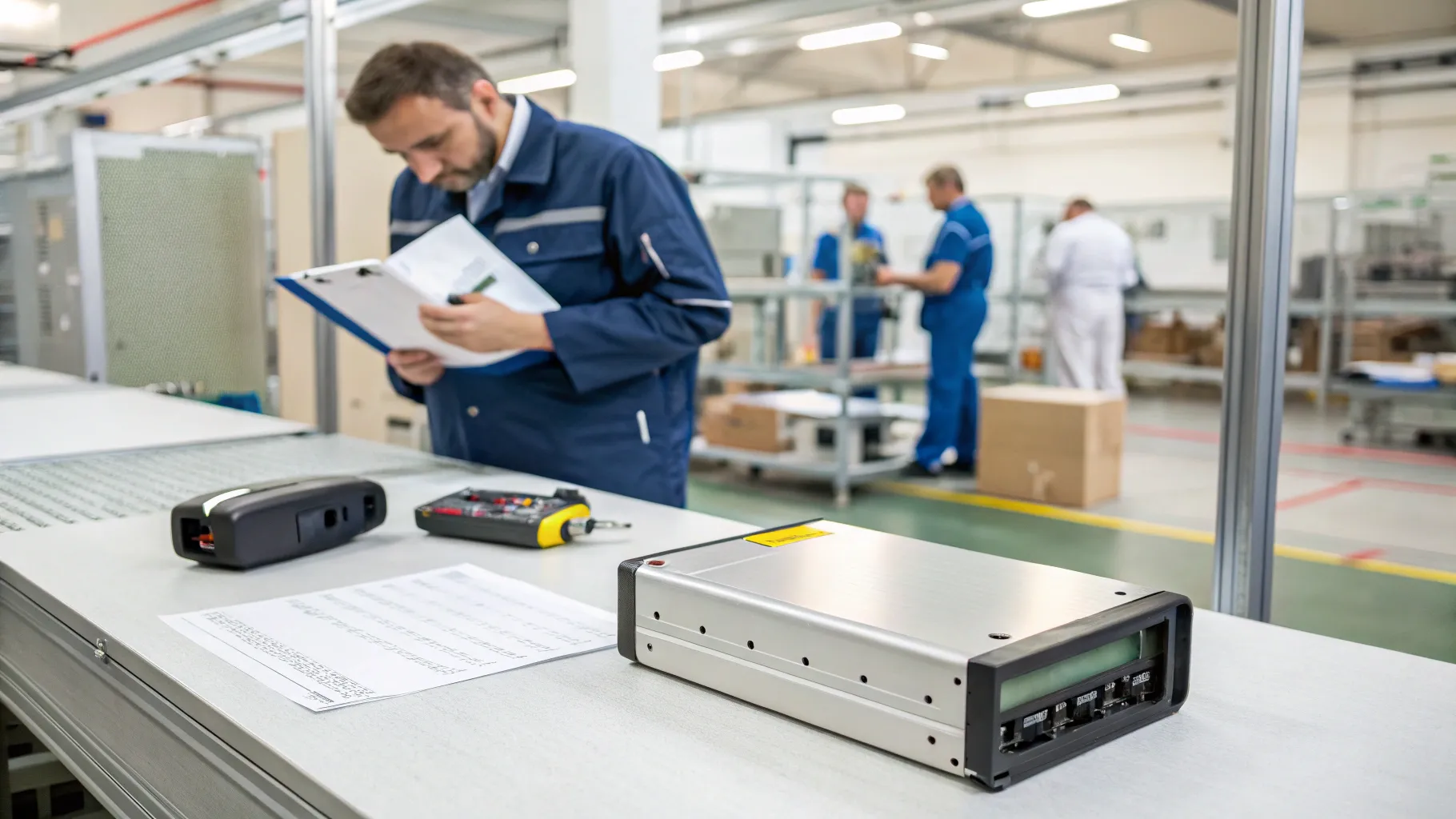
Our Role in Electronic Housing Manufacturing
We manufacture integration-ready housings, focusing on mechanical reliability and production consistency. Our scope includes design-for-manufacturing support, CNC machining and joining coordination, sealing interface readiness, and quality control/traceability.
Typical Housing Types We Support
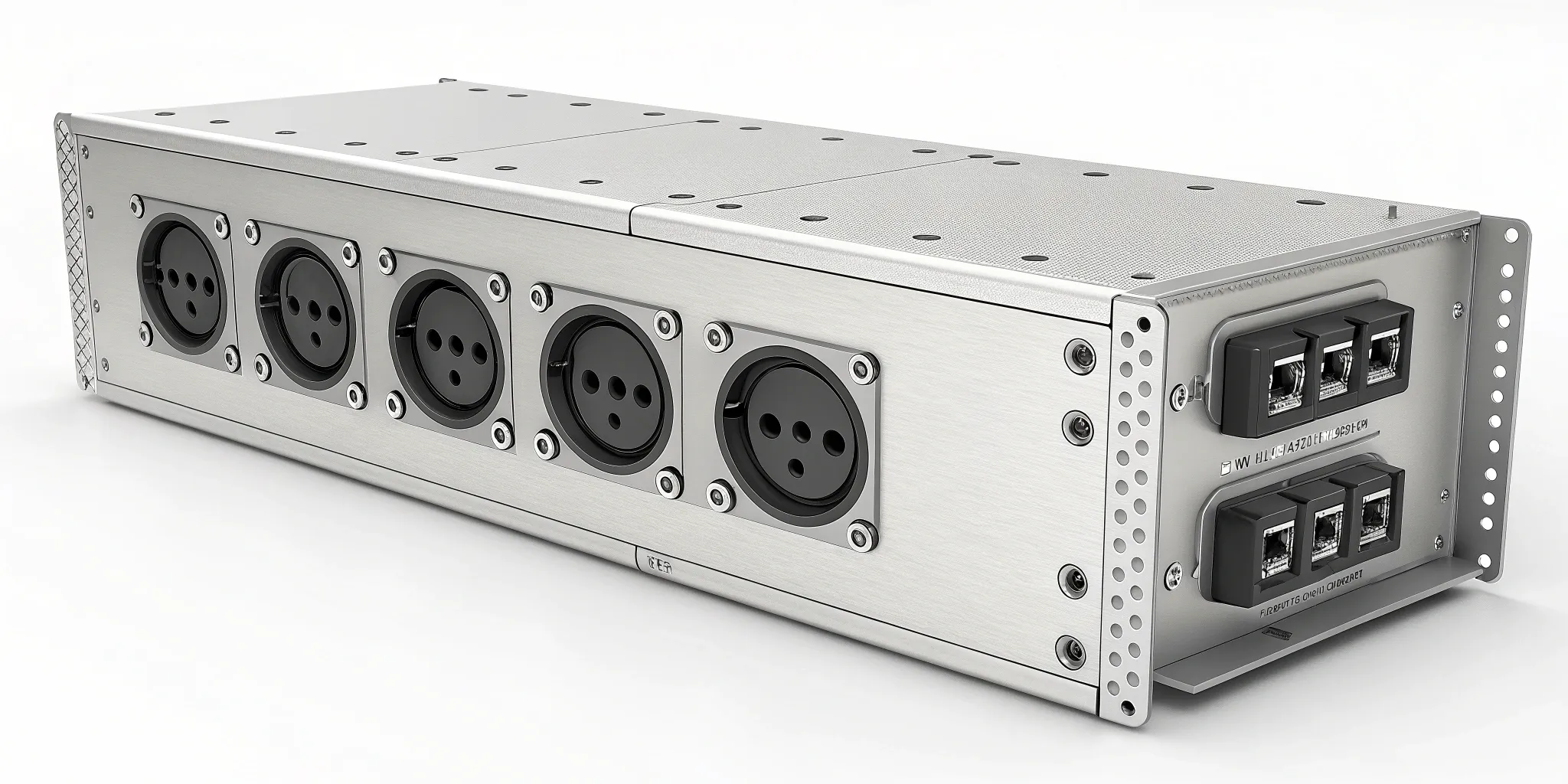
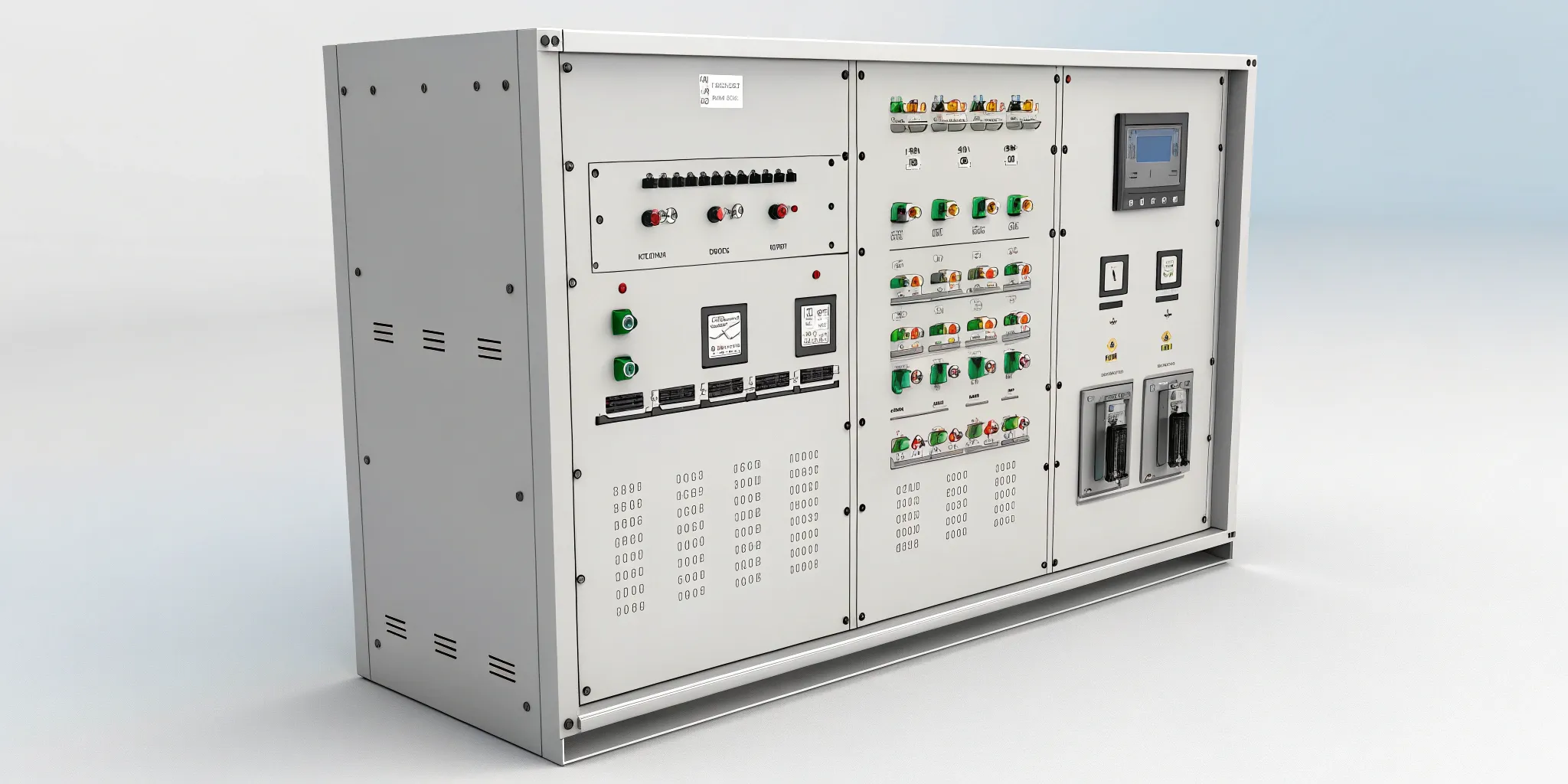
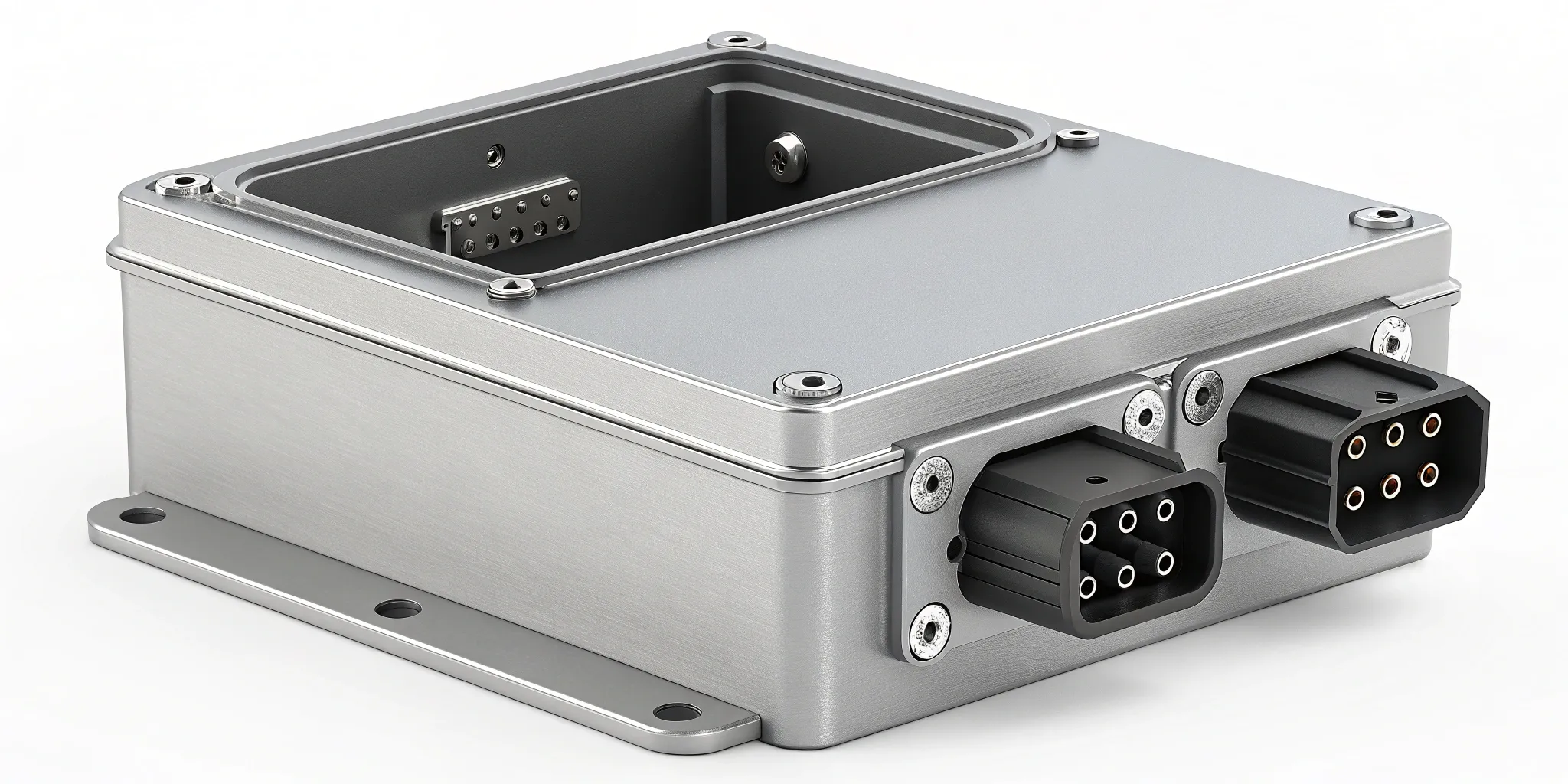
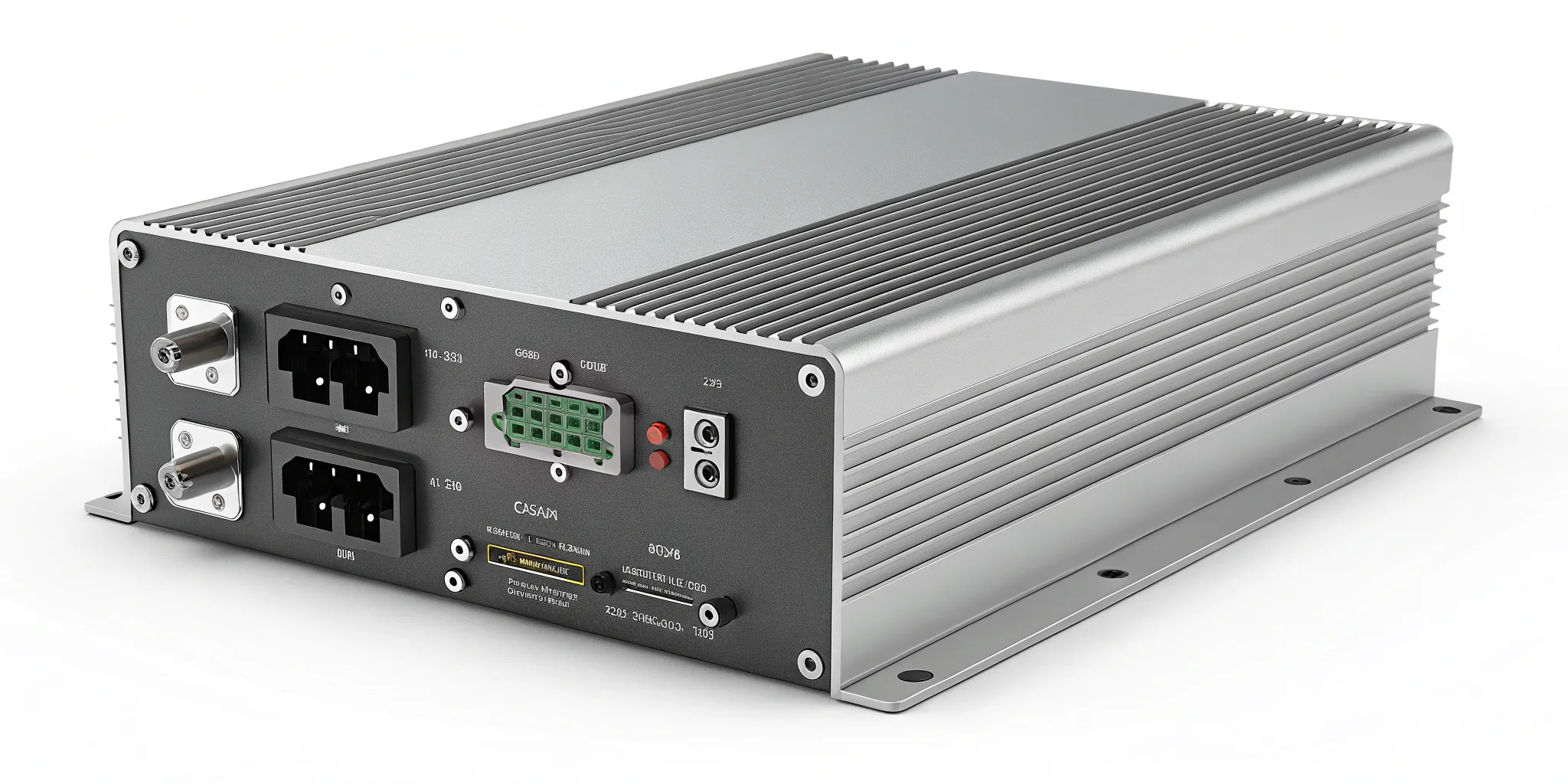
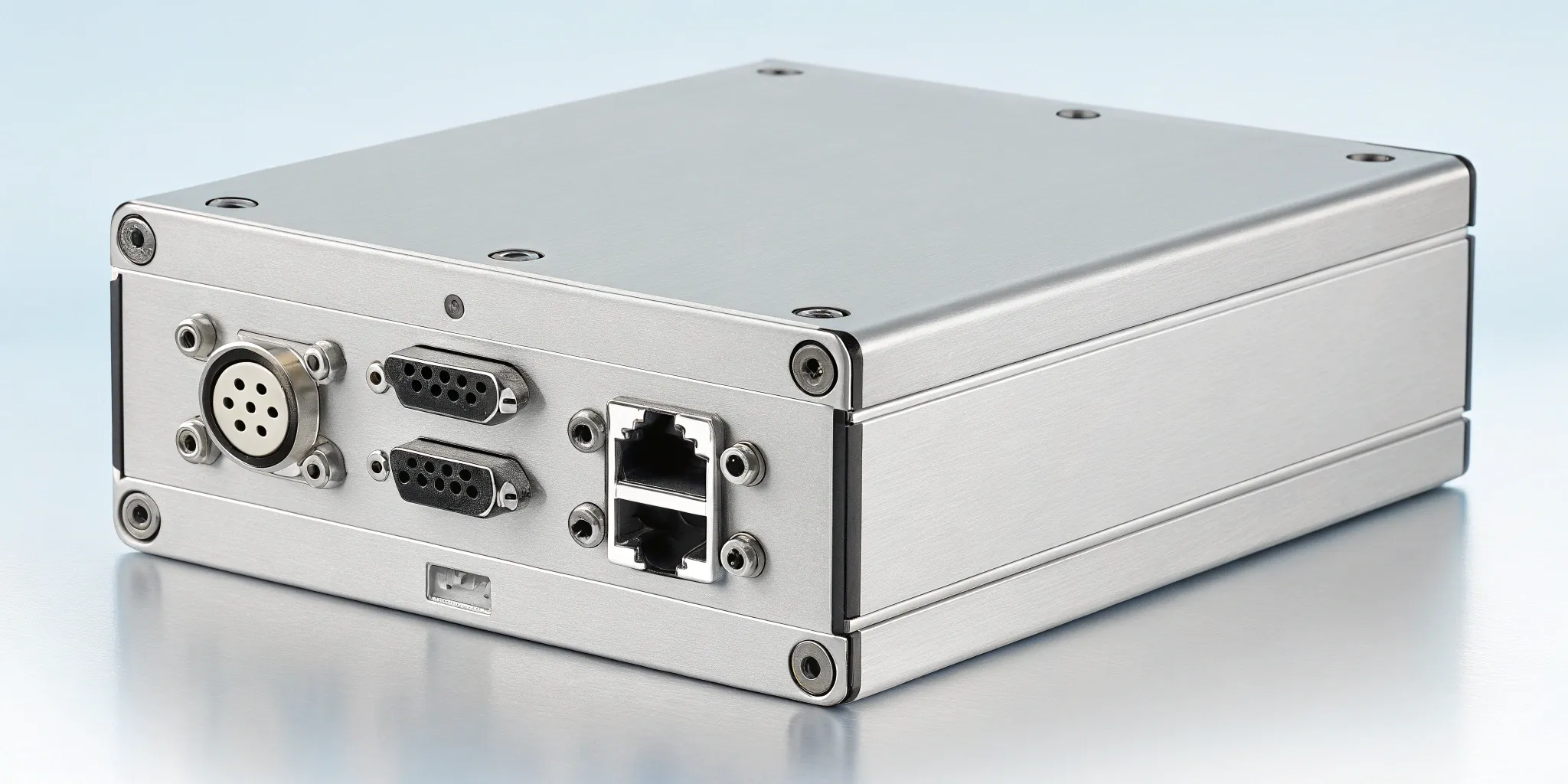
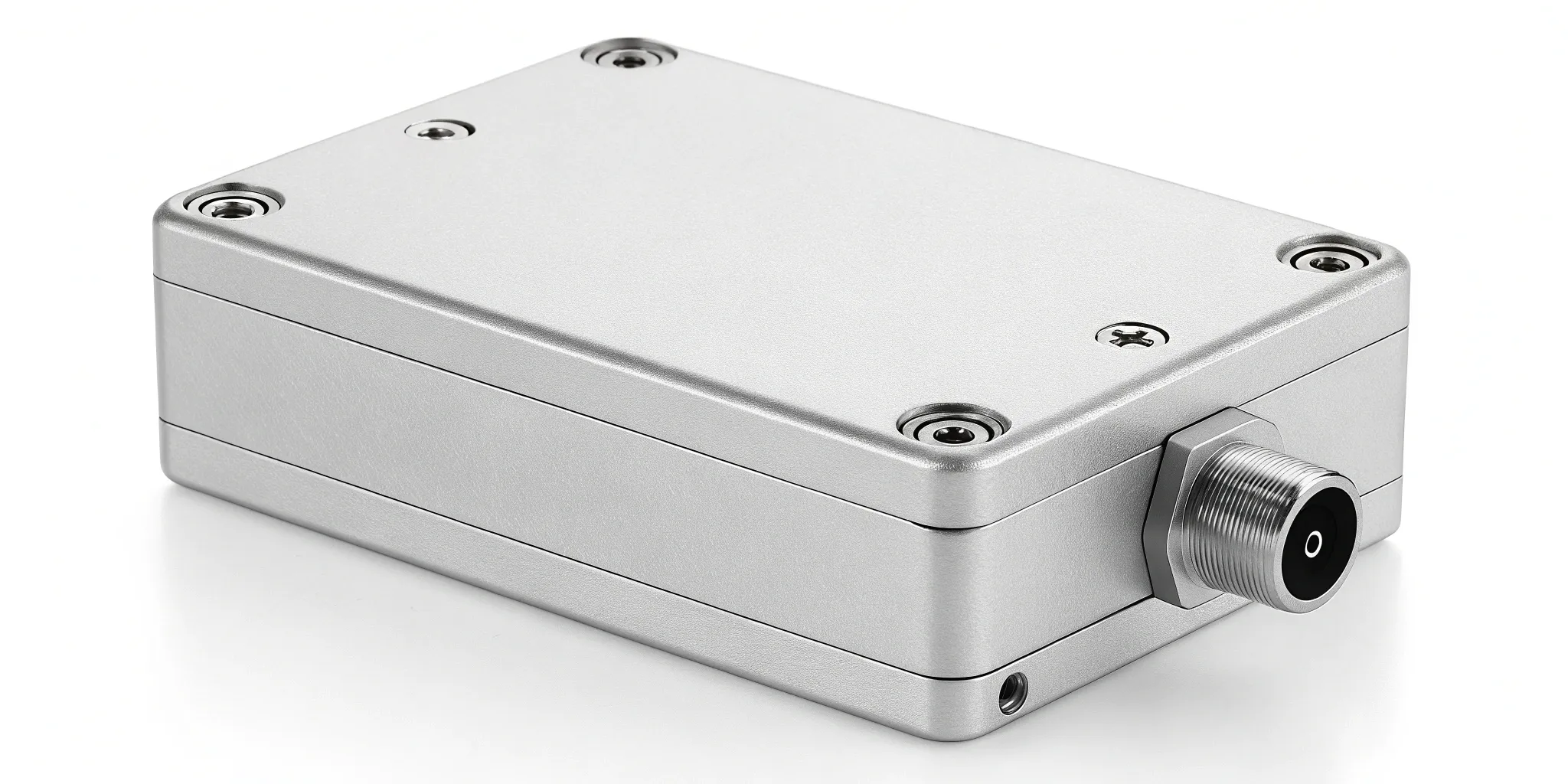
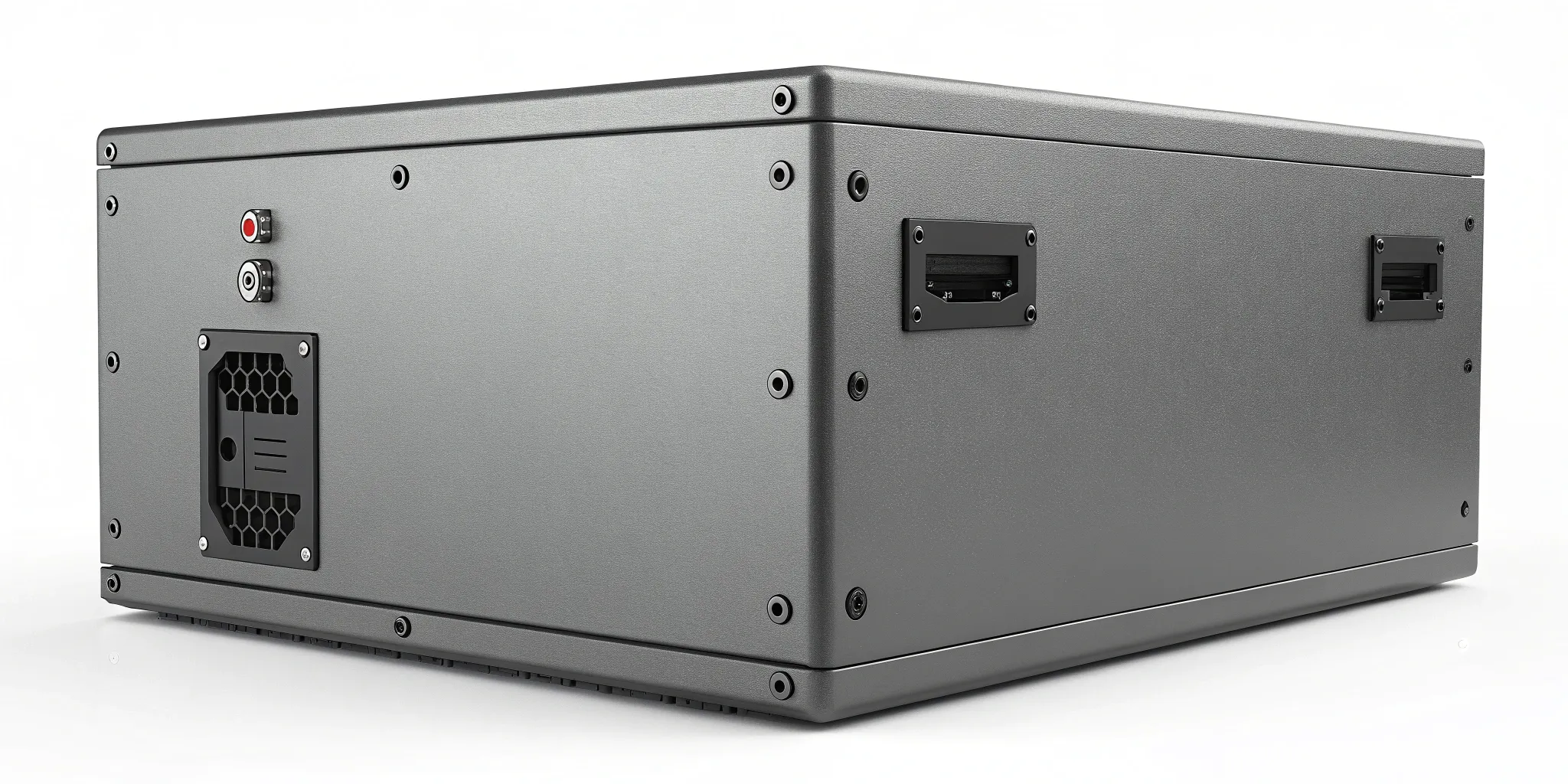
Electronic housings commonly include PDU housings, HV control box housings, HV junction box (HVJB) housings, inverter/converter housings, gateway/control box housings, and sensor/auxiliary electronics enclosures.
Materials and Structural Options
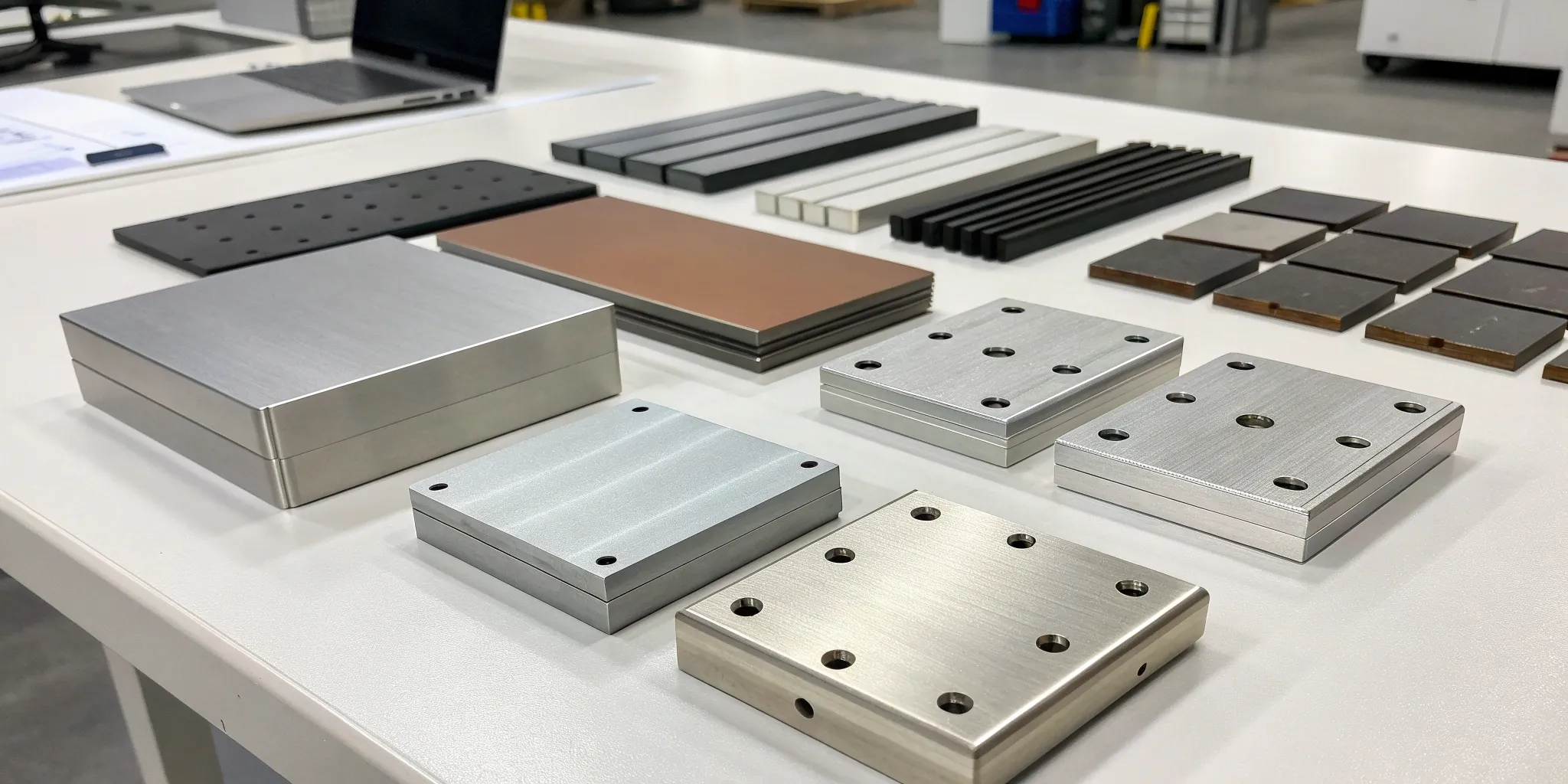
We support housings made from aluminum alloys (6061, 6082, 5052), stainless steel (304/316L), and steel structures with protective coating. Material selection balances strength, weight, corrosion resistance, thermal needs, and electrical grounding strategy.
Precision CNC Machining for Housings
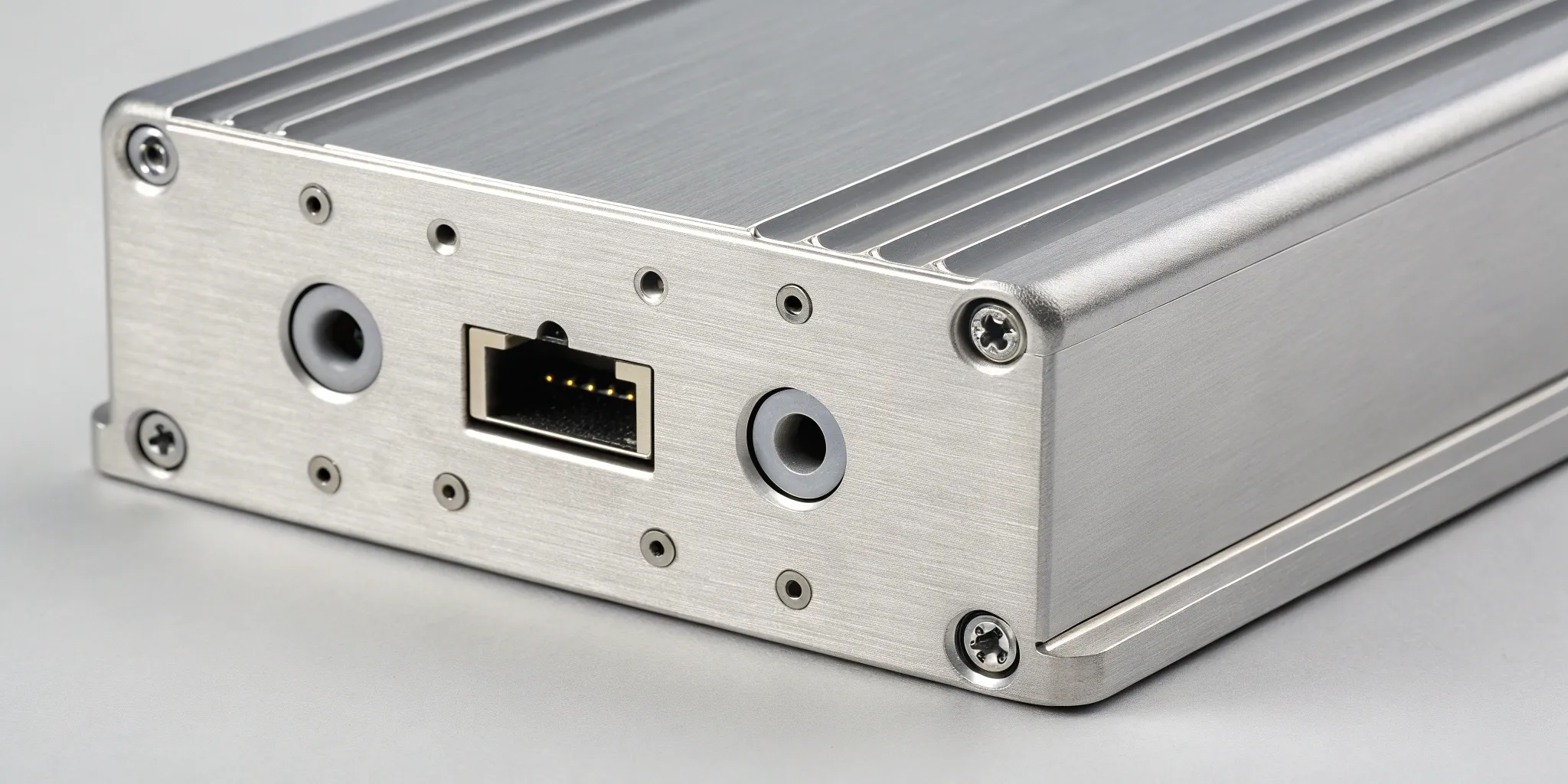
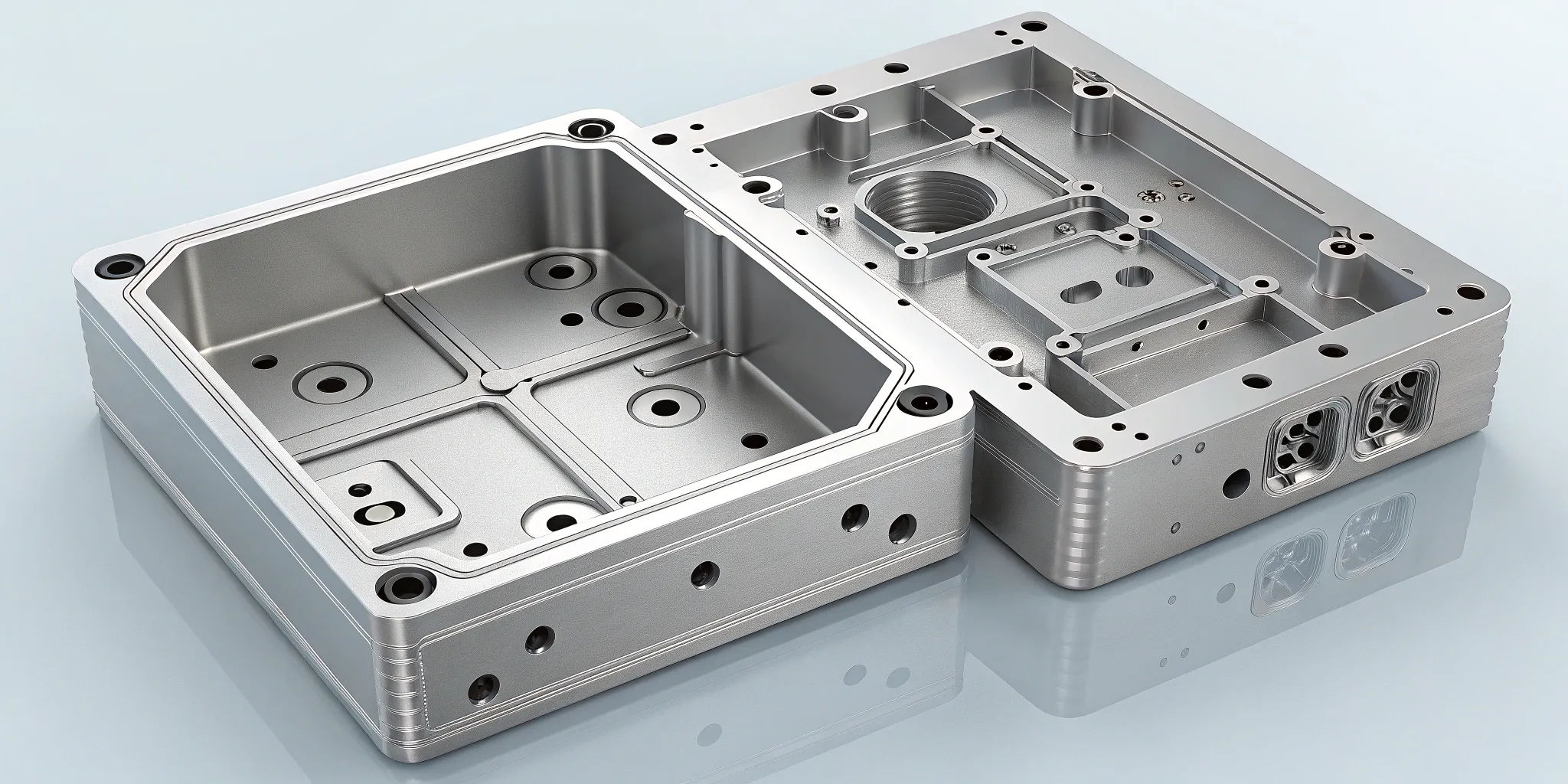
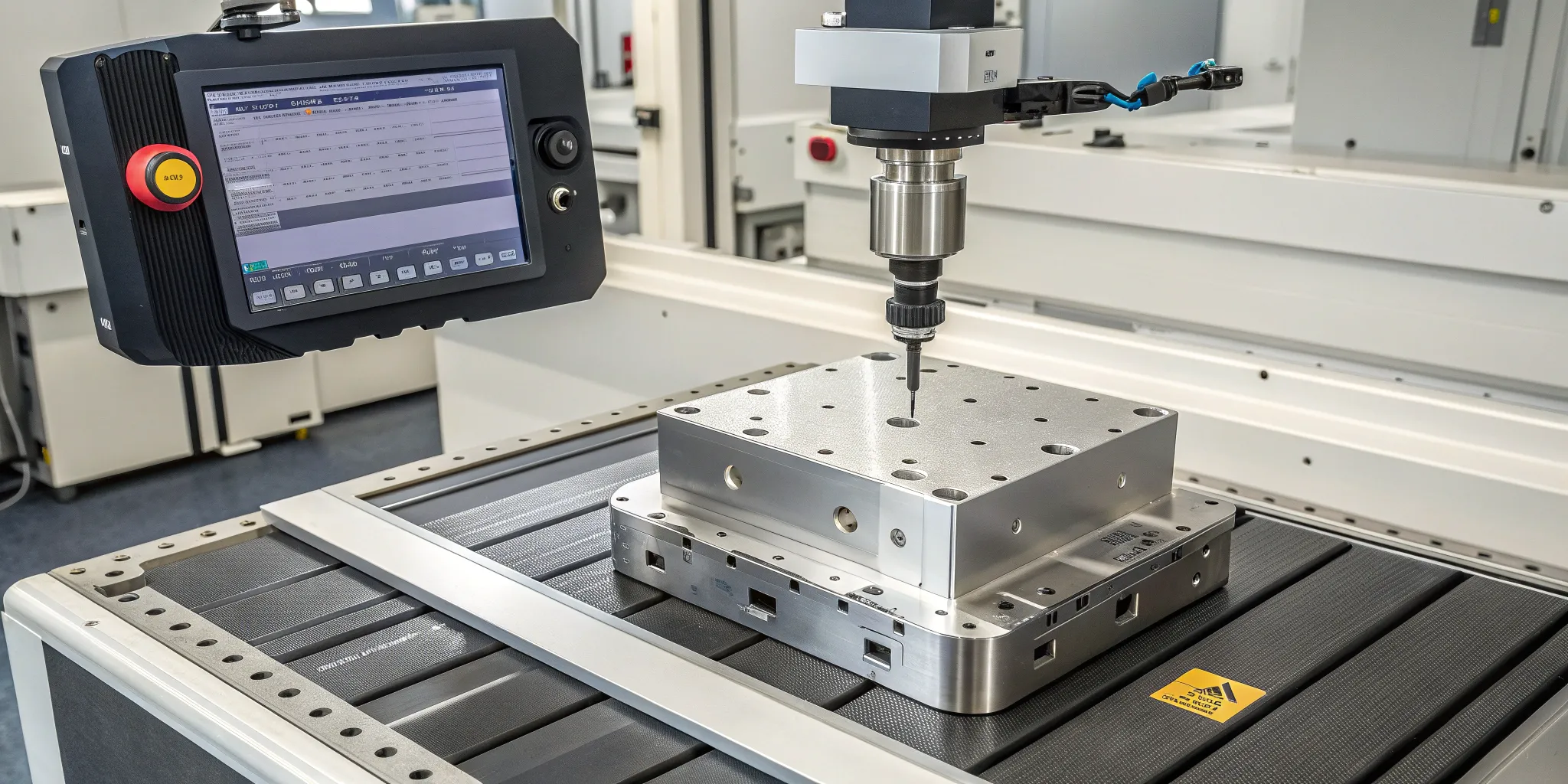
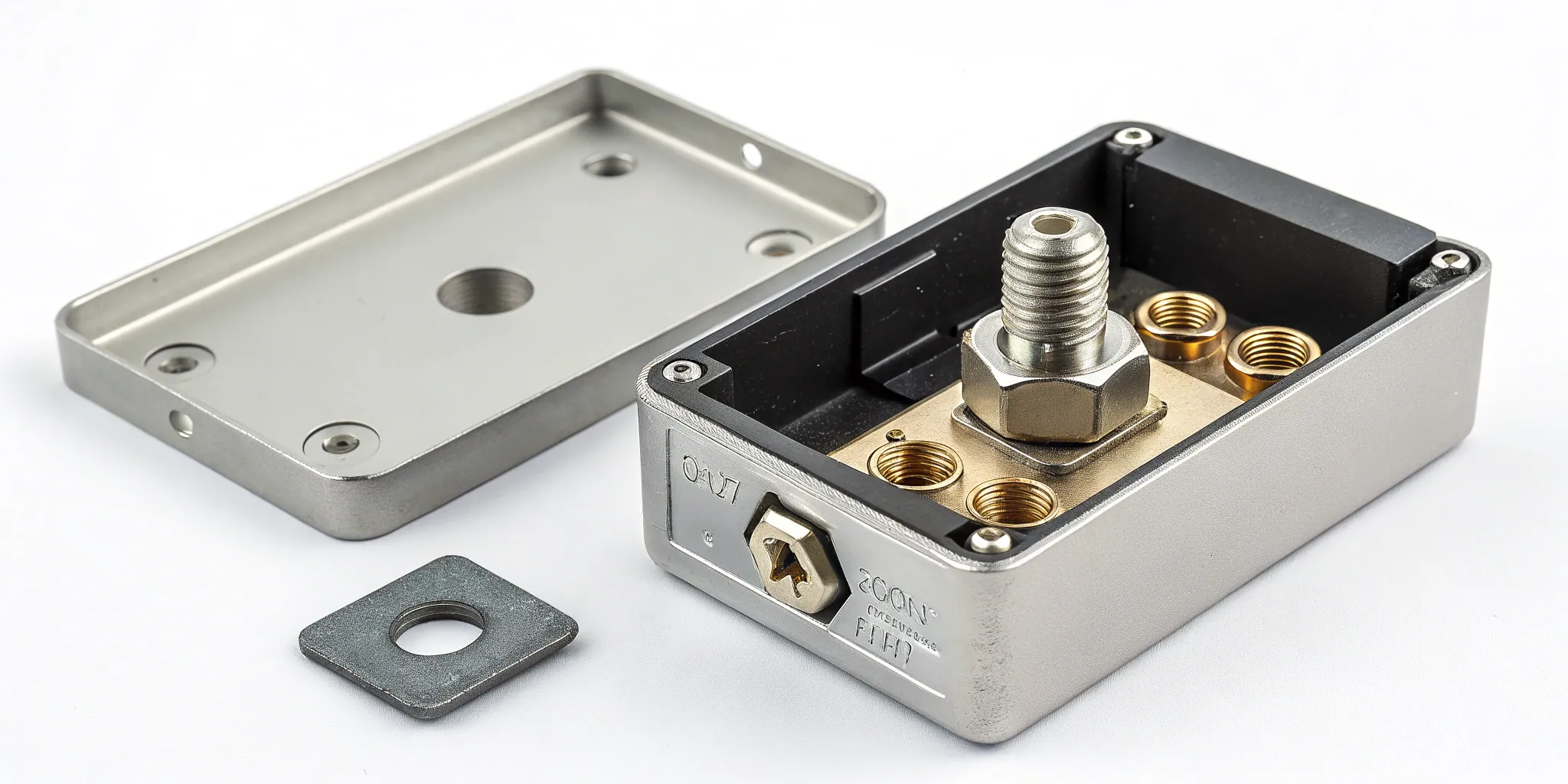
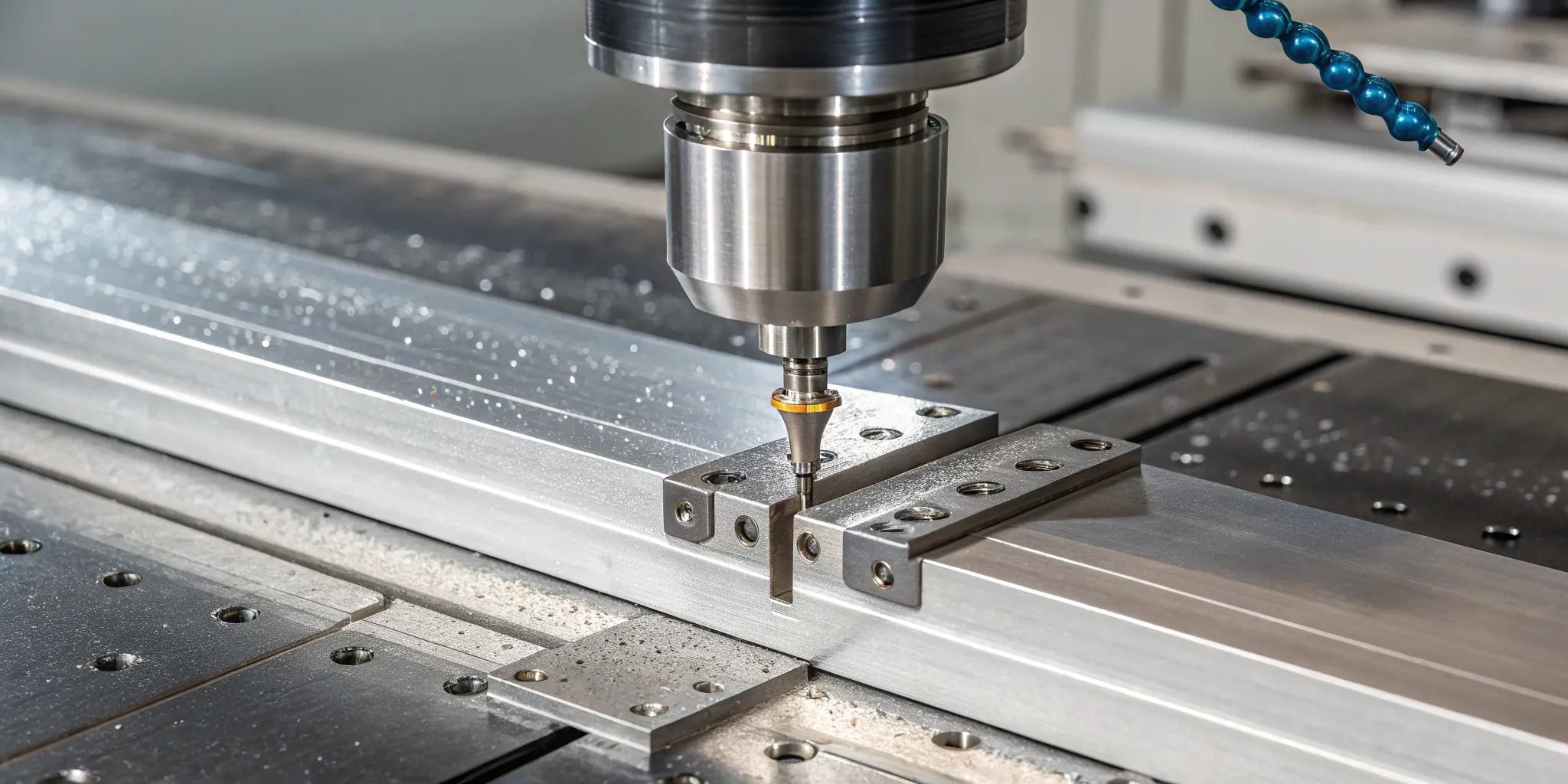
CNC machining ensures dimensional stability for critical interfaces. We support tight tolerance machining, connector mounting features, flat sealing surfaces, and complex internal geometries and pockets.
Sealing Design and IP Protection
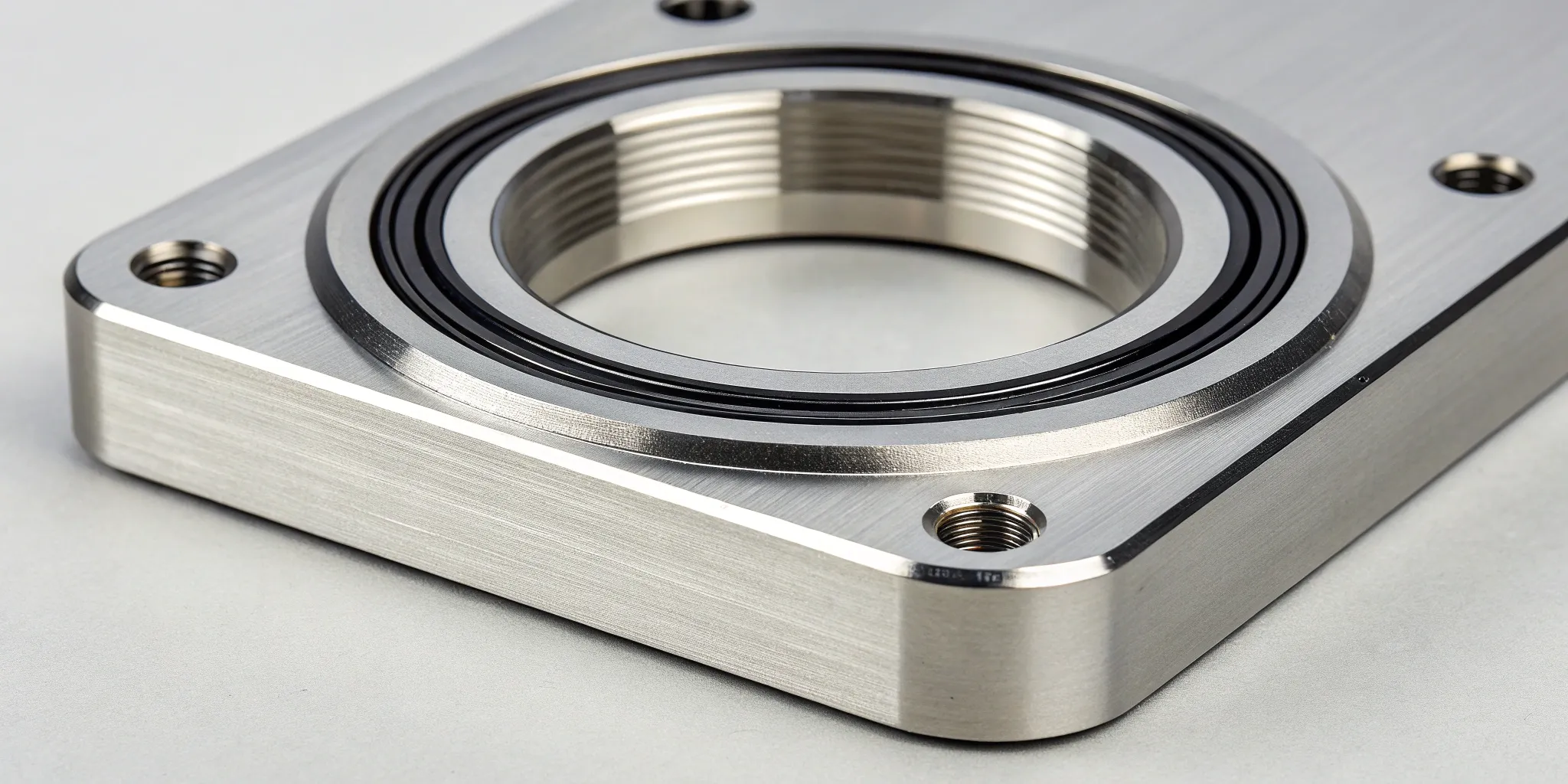
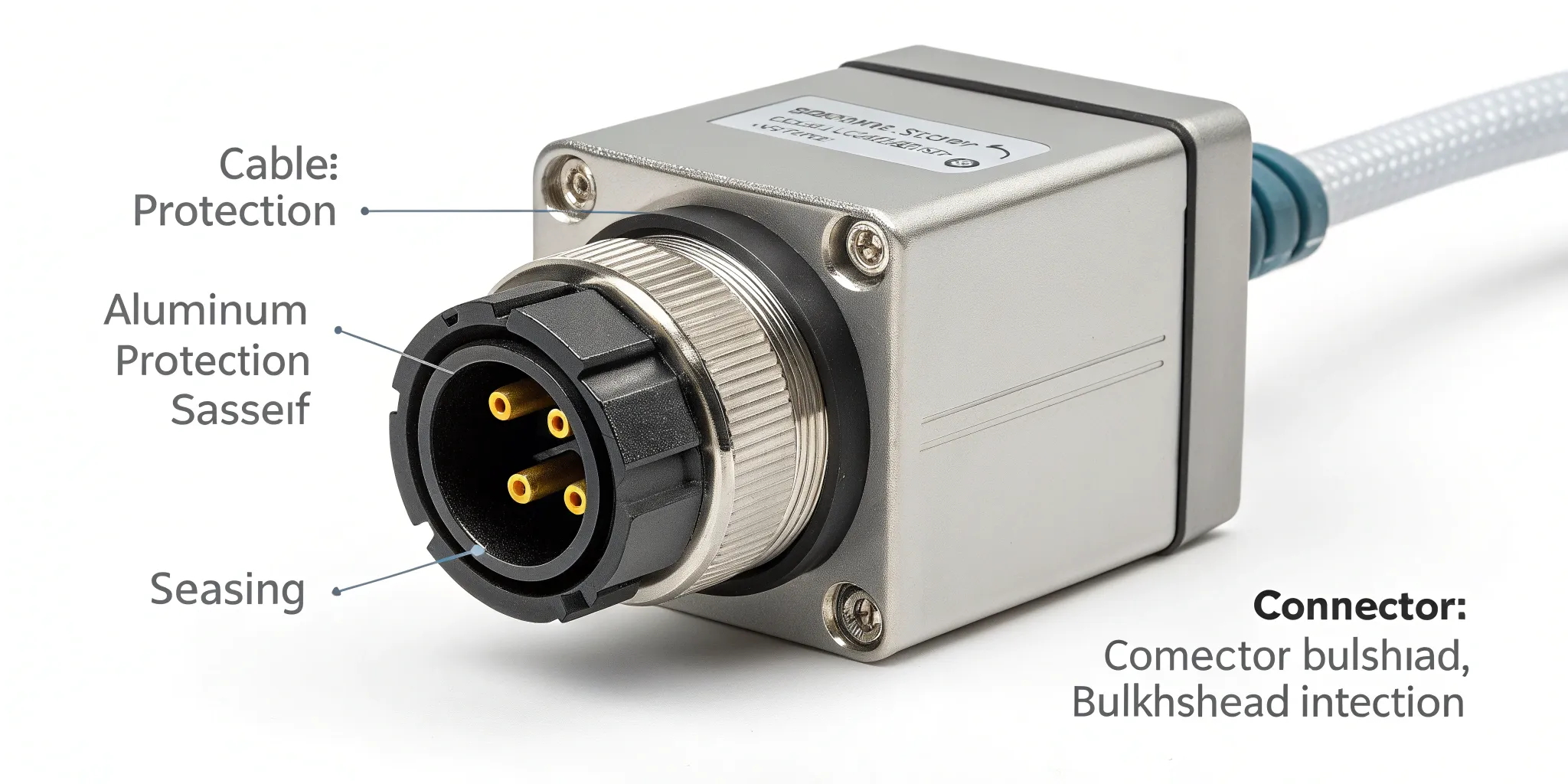
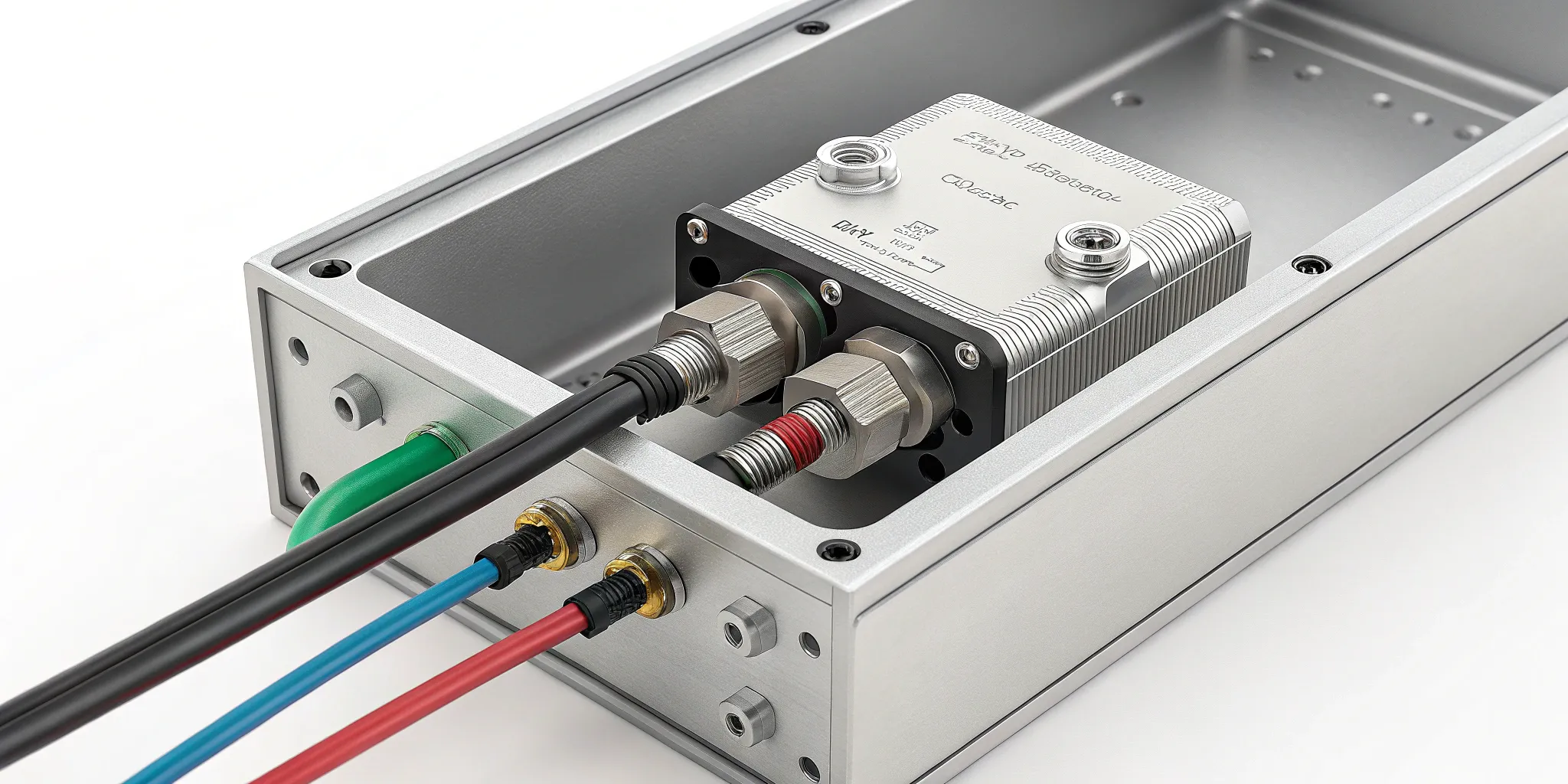
Electronic housings often require IP-rated protection. We support gasket and O-ring groove machining, sealing surface flatness control, and interface management for cables and connectors (project-dependent IP67–IP69K readiness).
Thermal Considerations for Power Electronics
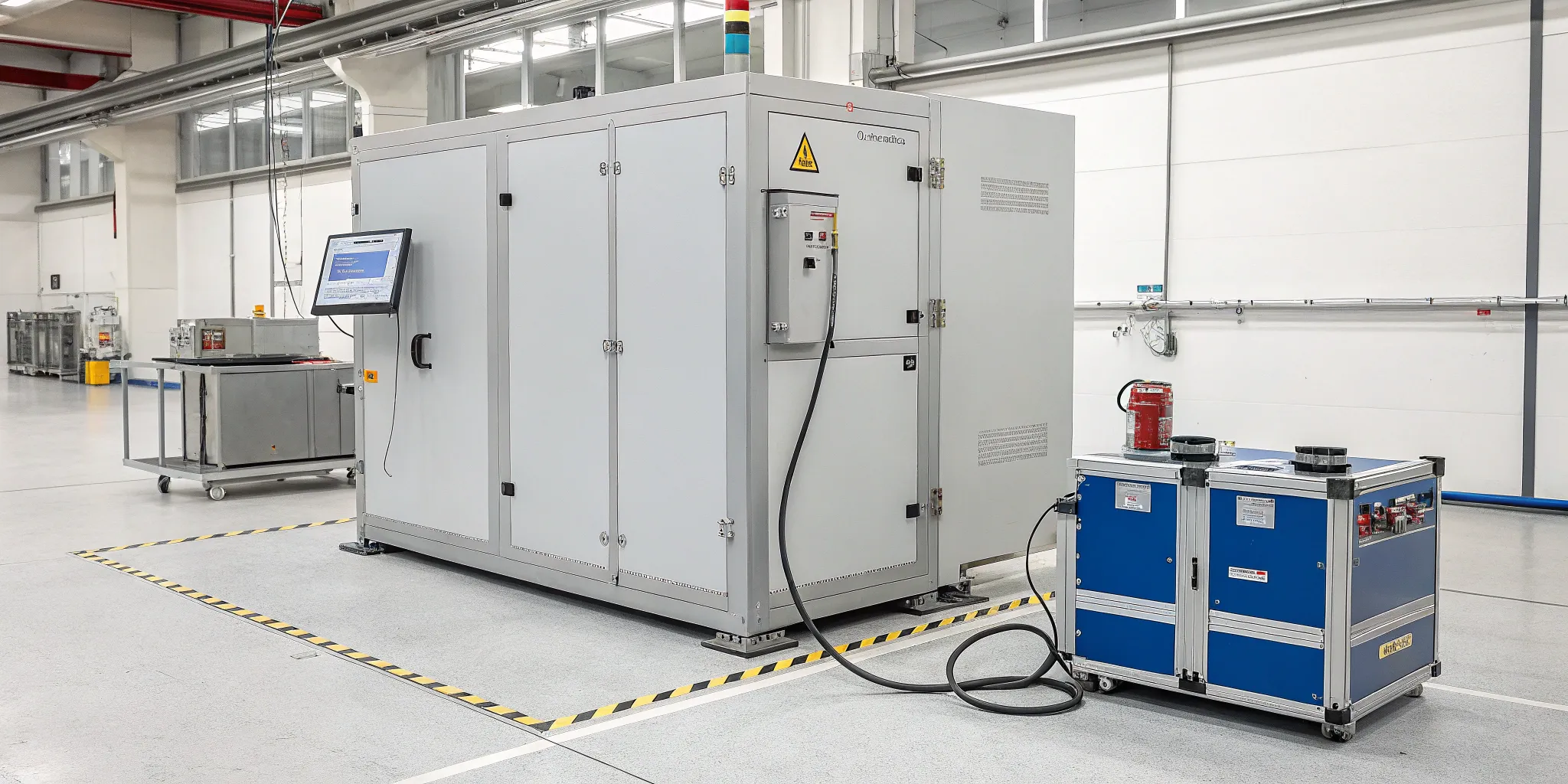
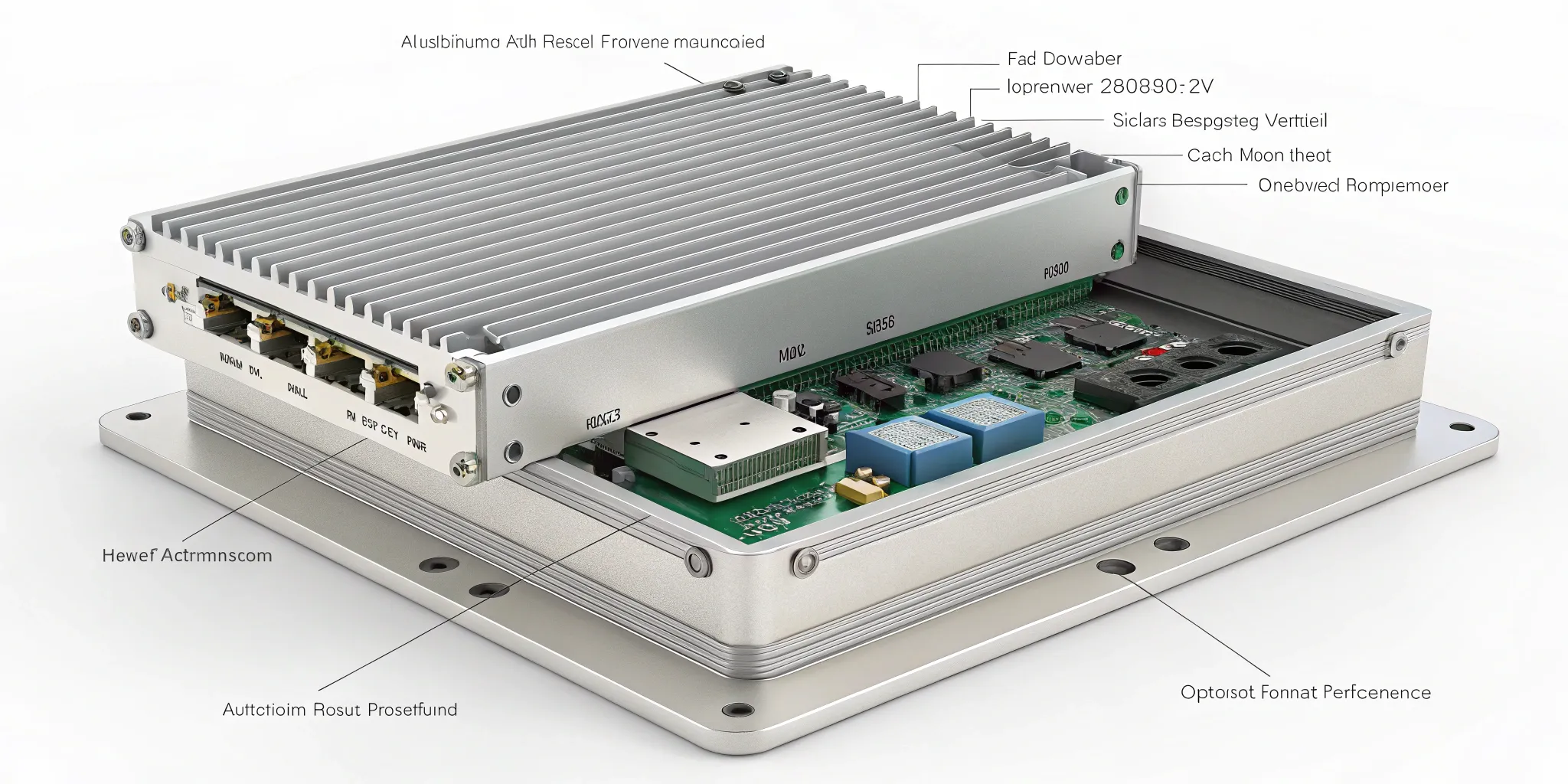
Power electronics generate heat and require thermal management. We support housing designs compatible with heat sinks and cooling plates, thermal pads and interface flatness control, passive dissipation structures, and cooling loop integration readiness.
Electrical Safety Readiness
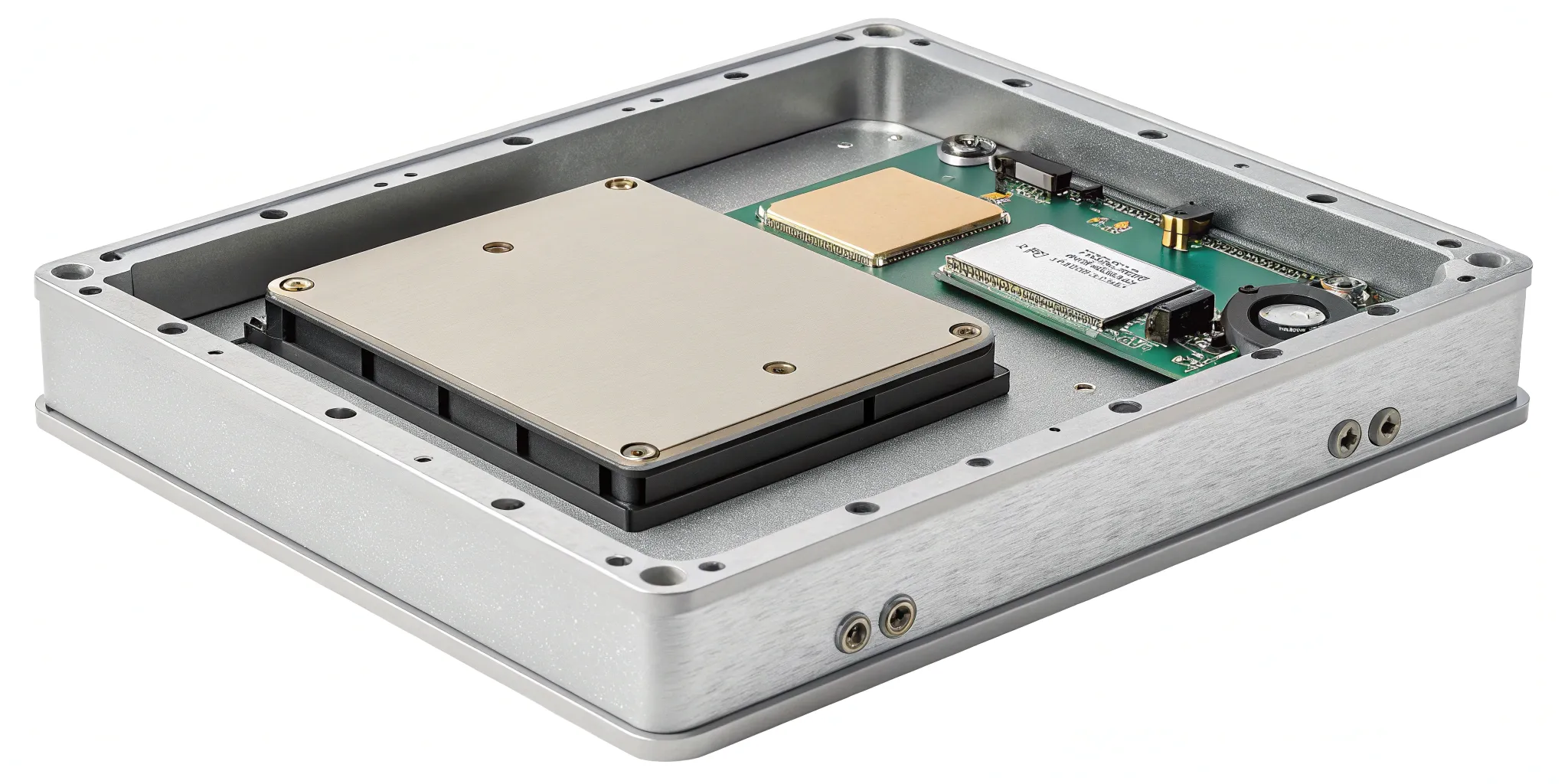
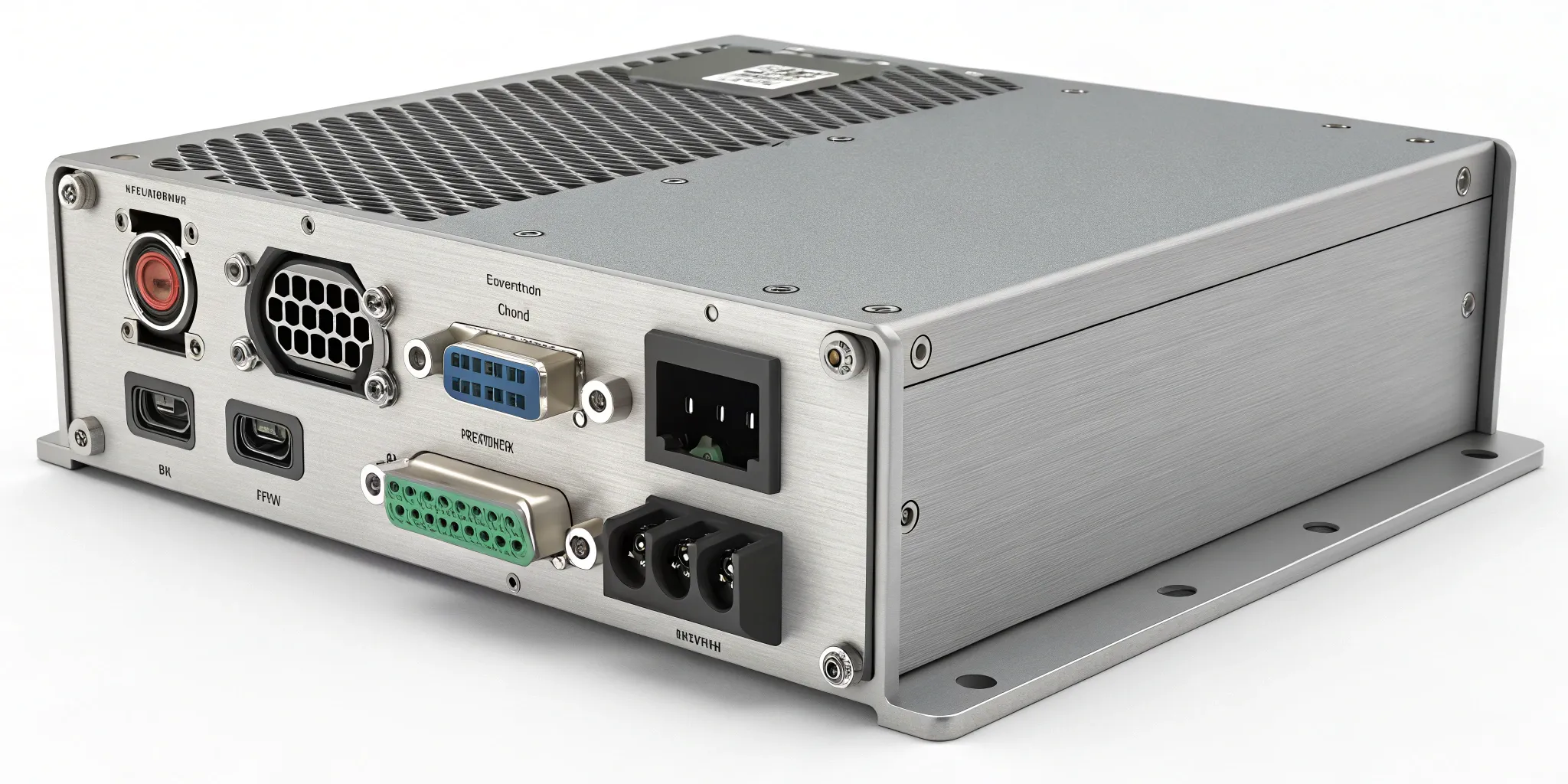
While electrical design may be customer-provided, mechanical readiness is crucial. We support clearance and creepage distance accommodation, HV/LV separation zones (mechanical layout), grounding/bonding interface preparation, and cable routing/strain relief features.
EMI and EMC Structural Readiness
Electronic housings must support EMI/EMC requirements. We consider shielding-friendly structures, grounding interface control, surface treatment compatibility, and consistent closure/sealing interfaces.
Joining and Assembly Options
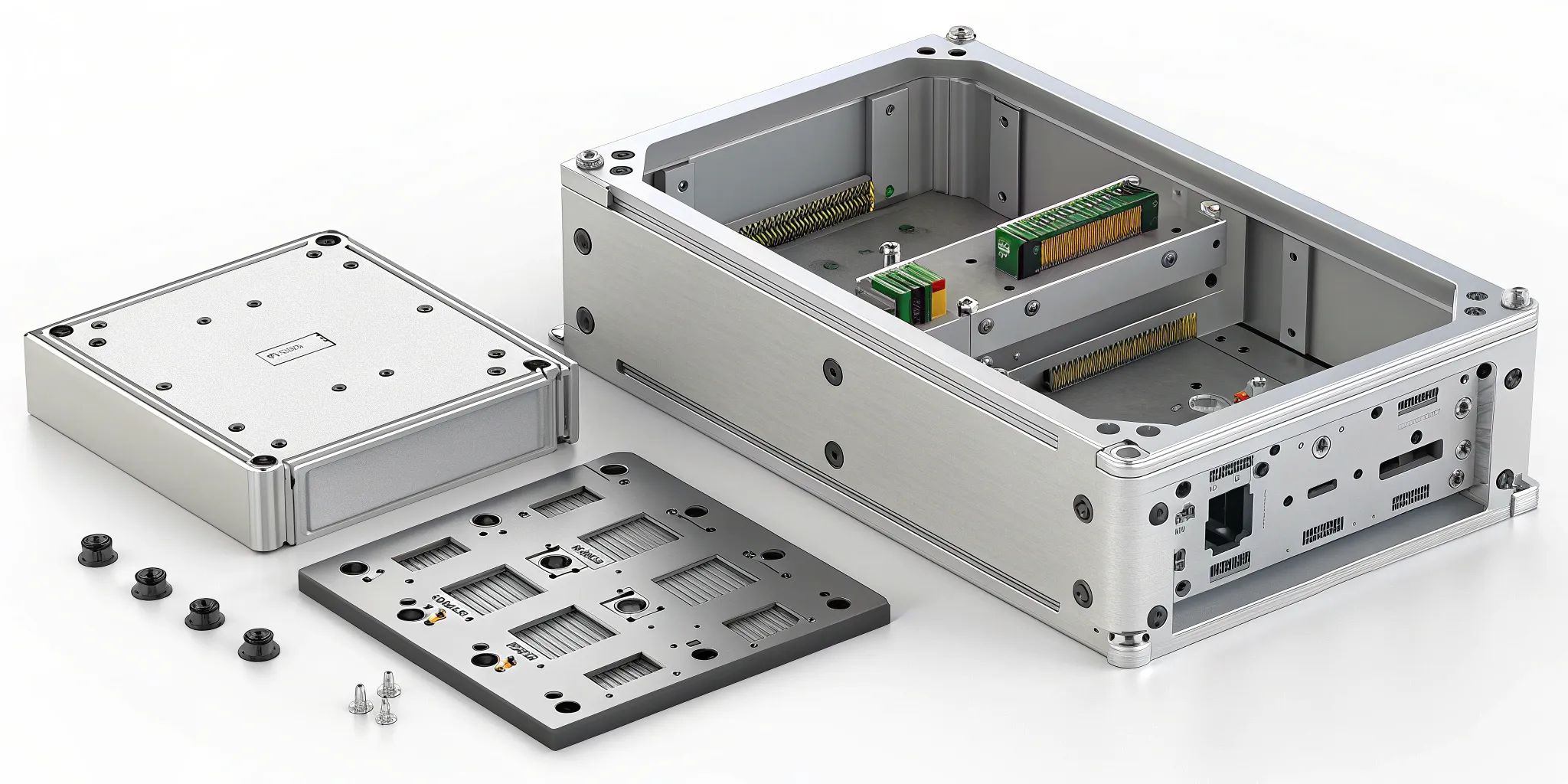
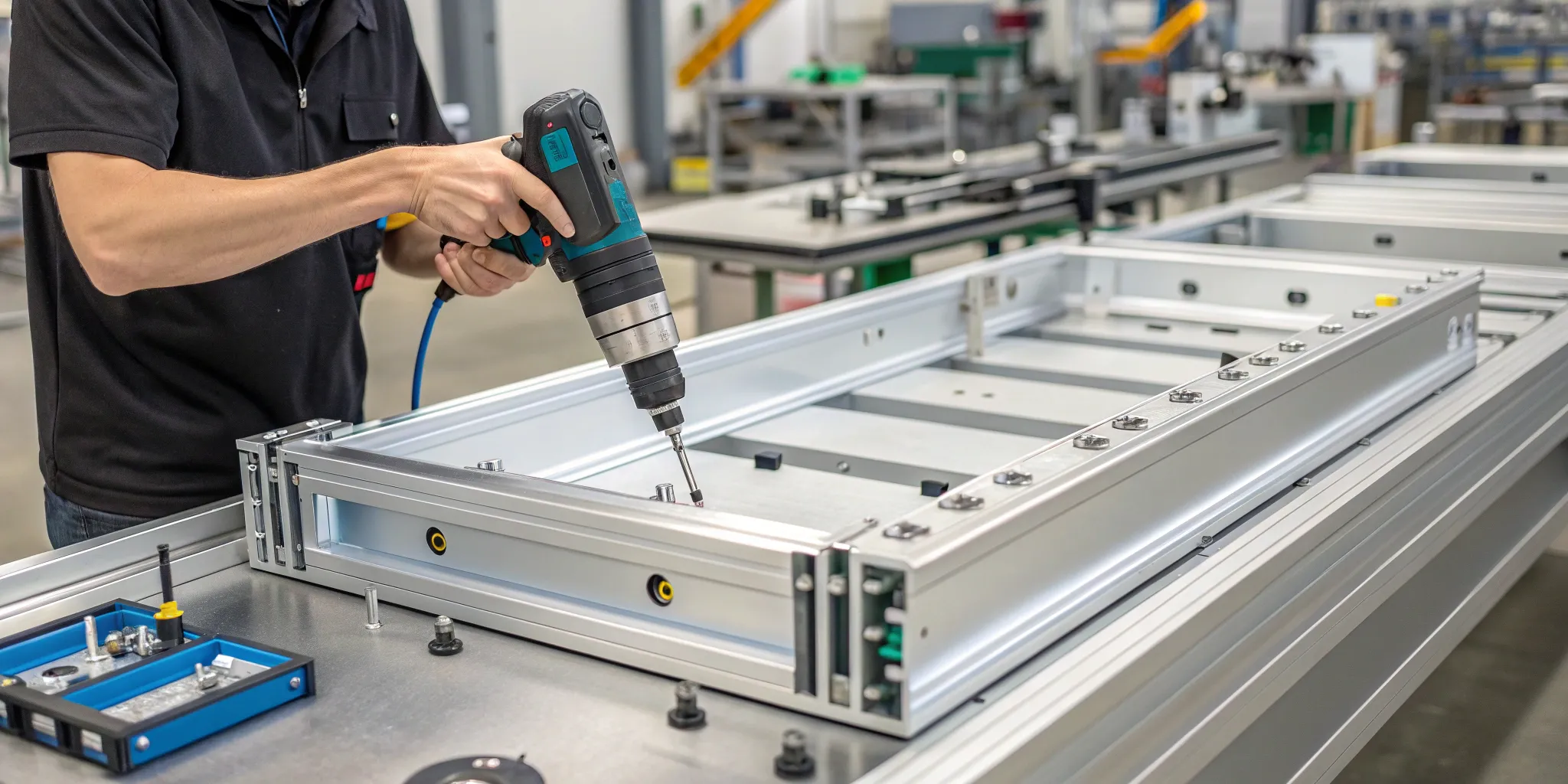
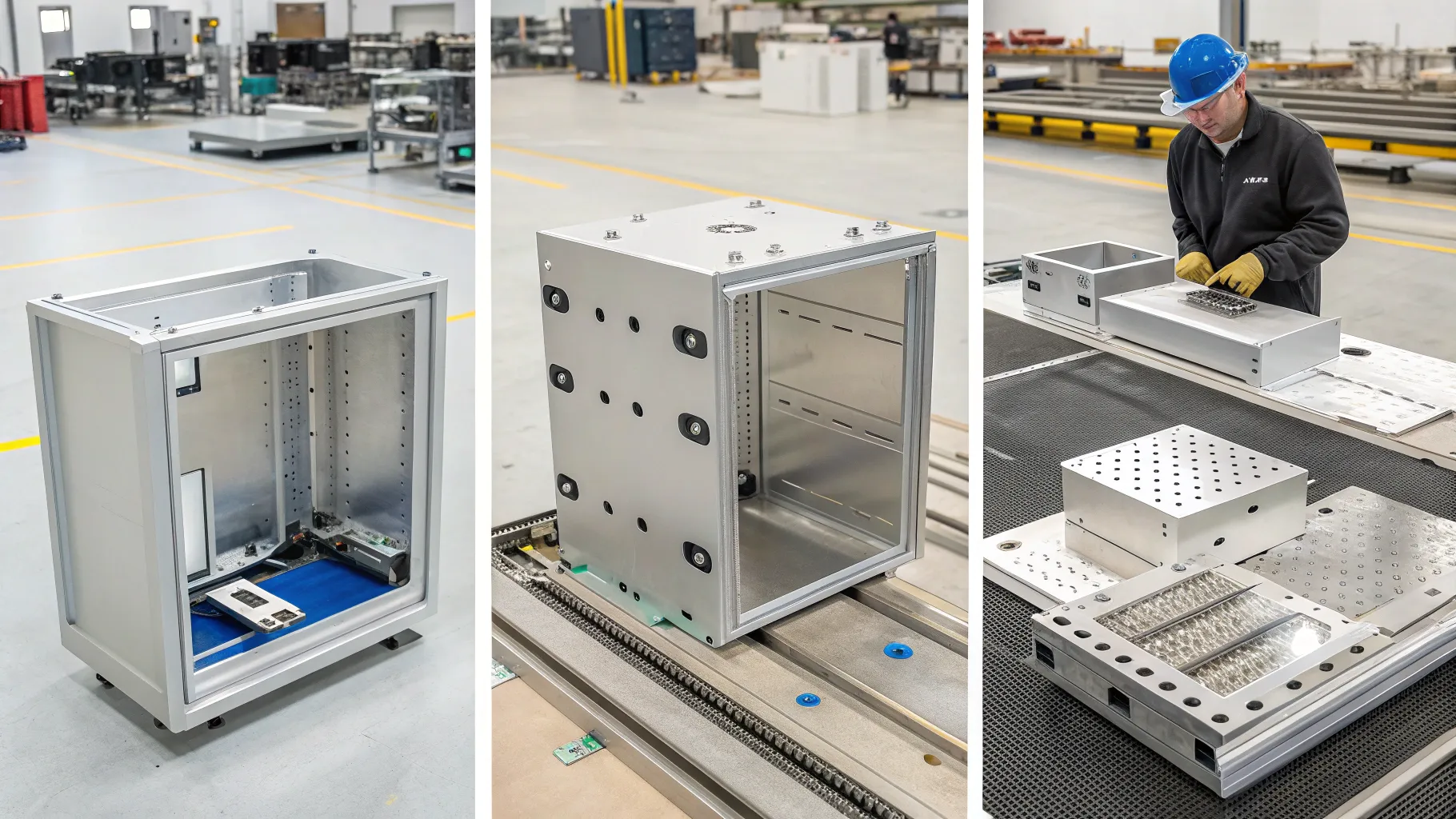
Depending on design requirements, we support CNC-machined monolithic housings, welded housings (FSW/laser/TIG), multi-part assembly for large enclosures, and fastener-ready features for repeatable assembly.
Surface Treatment and Durability
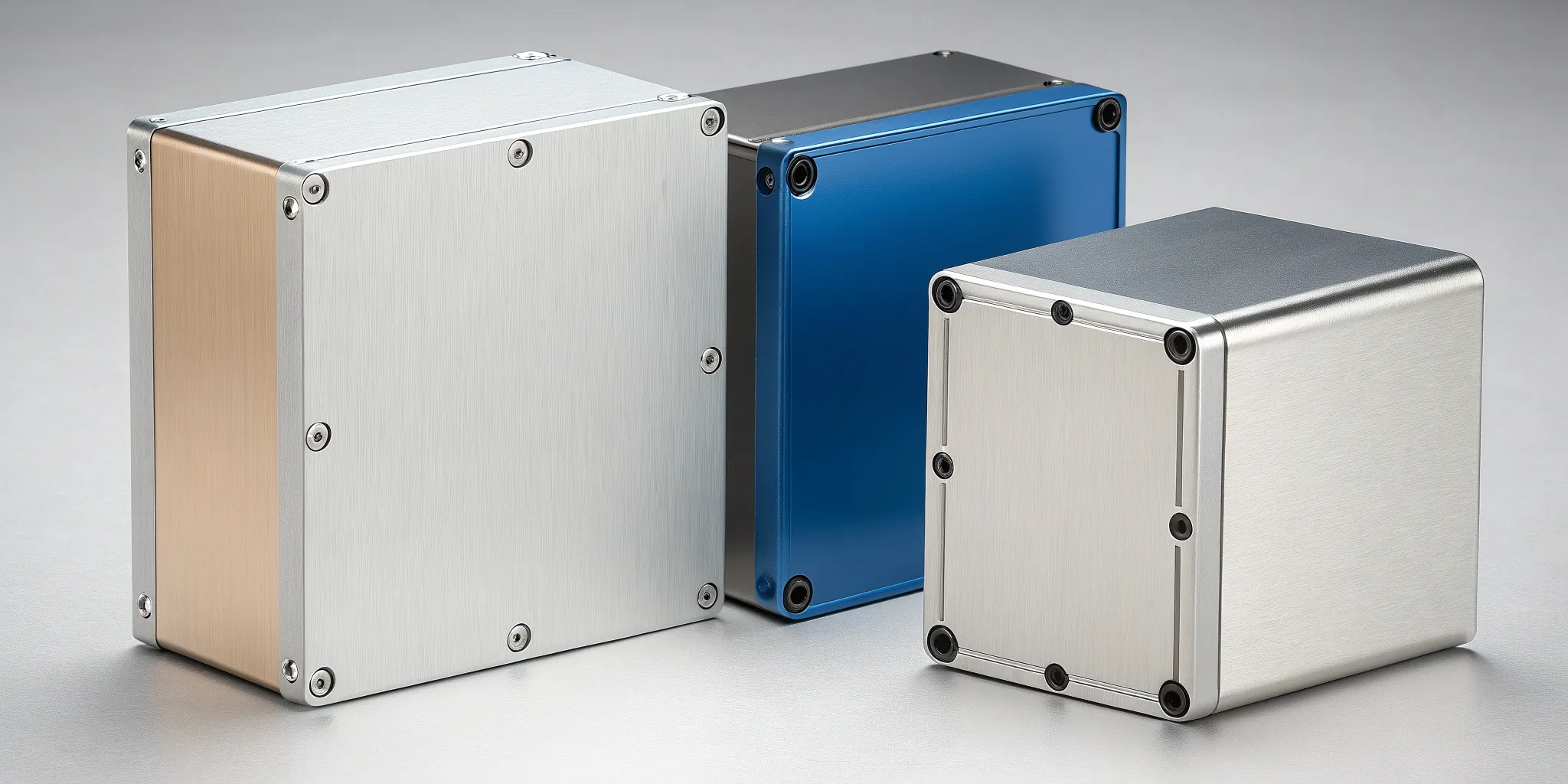
Surface treatment improves environmental reliability. We support anodizing for aluminum housings, powder coating for corrosion resistance, and protective coatings for harsh environments—while ensuring finish compatibility with sealing and grounding requirements.
Quality Control and Inspection
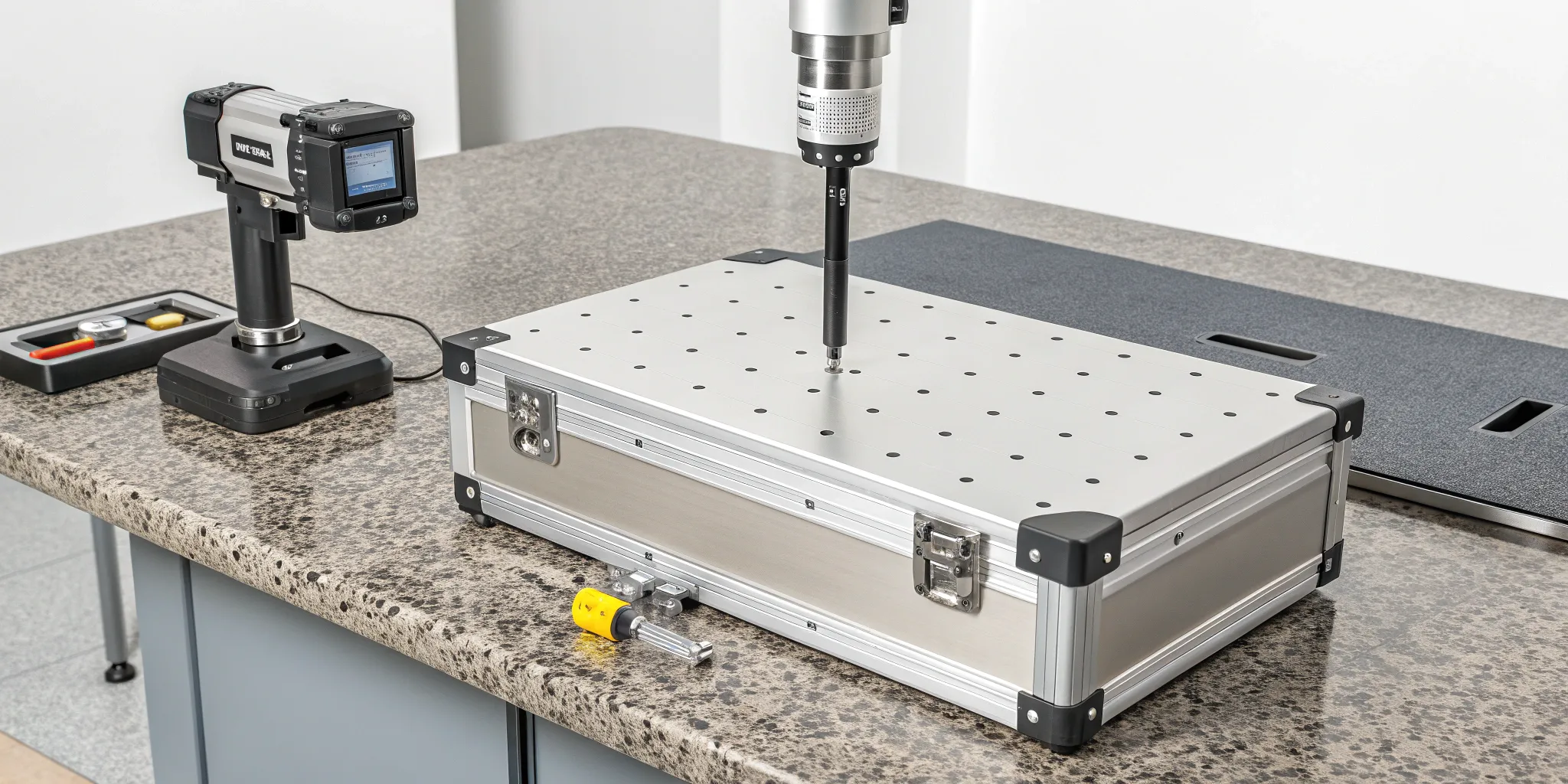
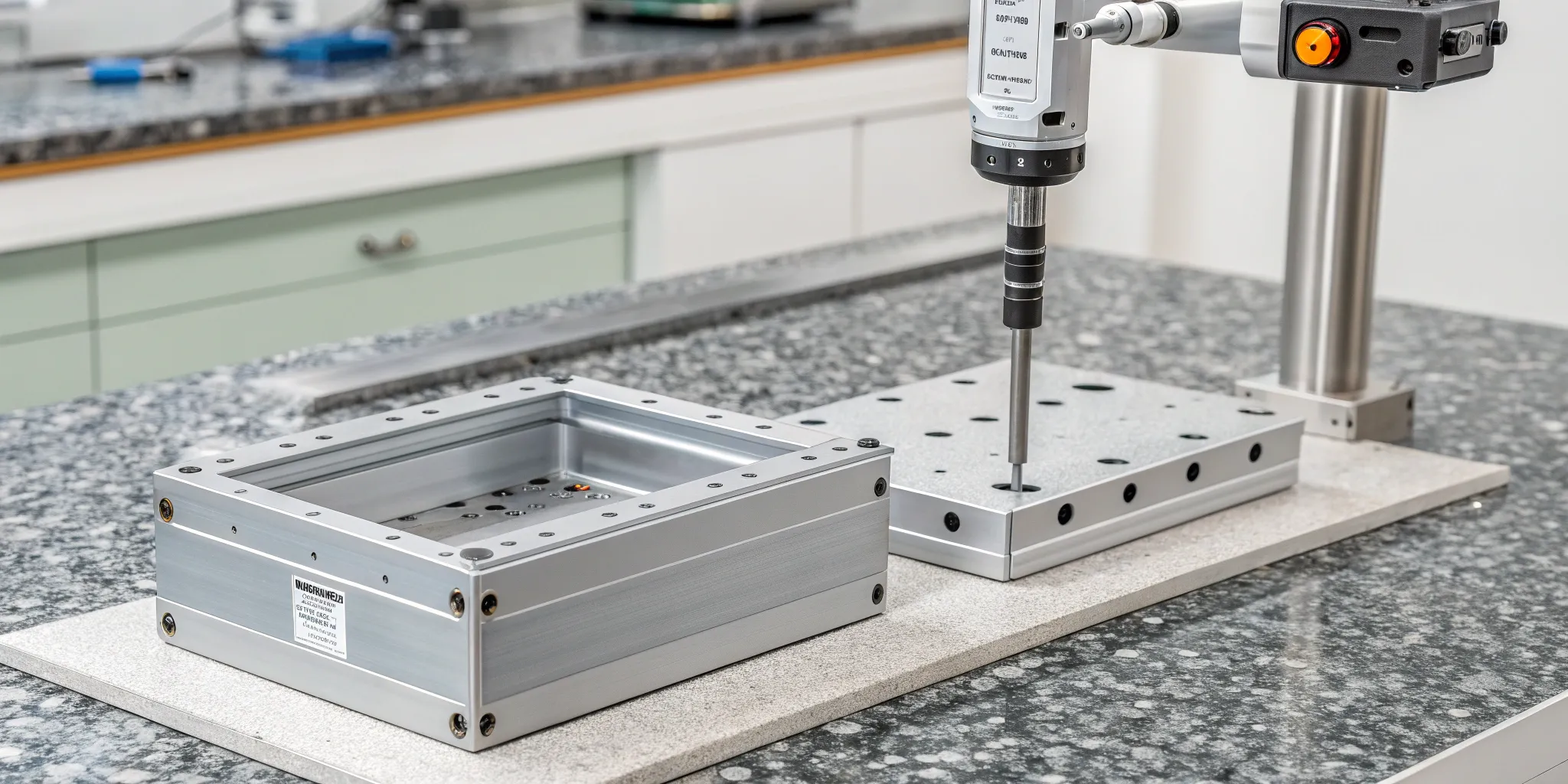
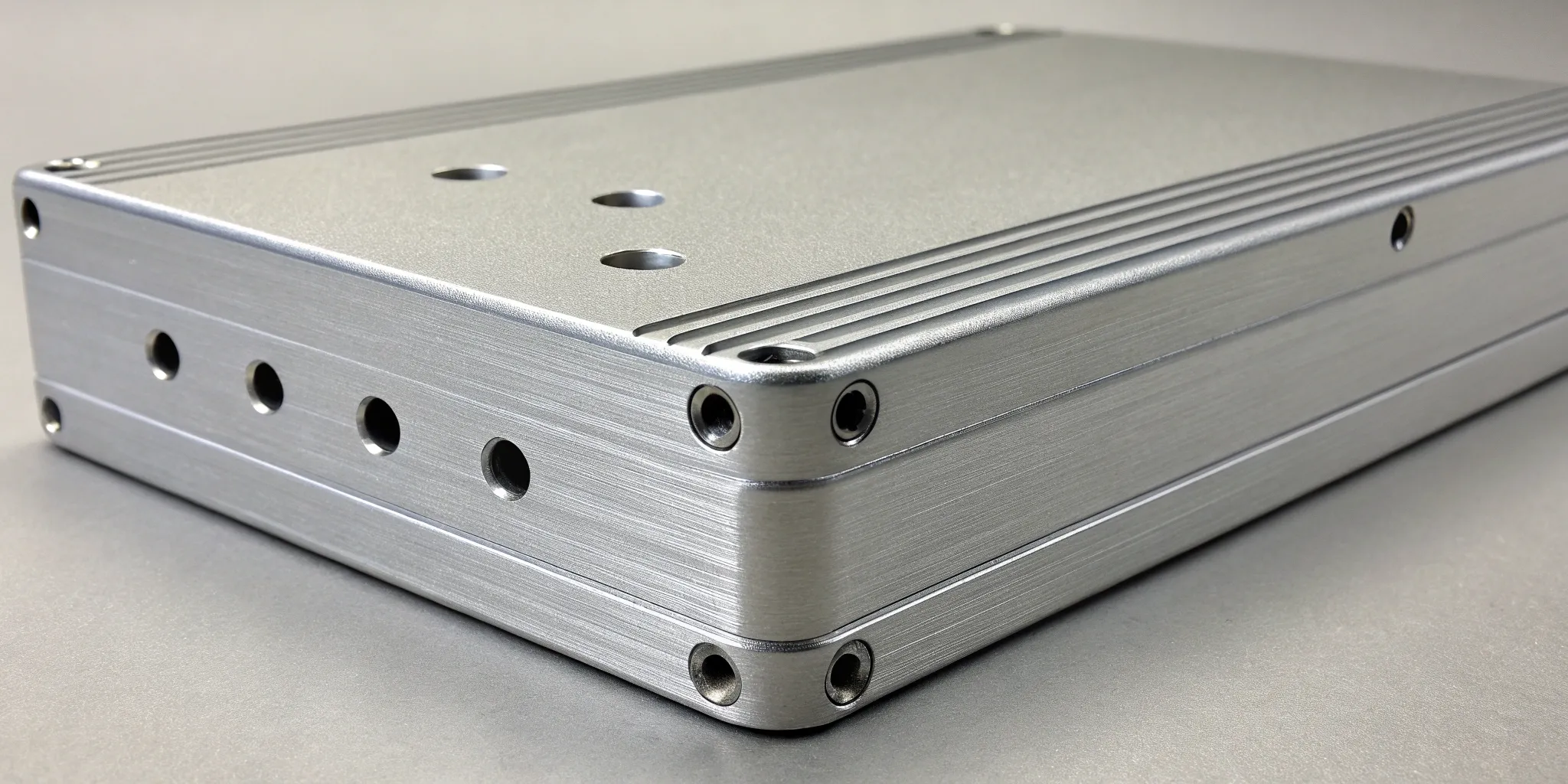
Quality control ensures performance and fit. We support dimensional inspection, sealing interface verification, assembly fit checks, and documentation/traceability records.
Prototype to Mass Production Support
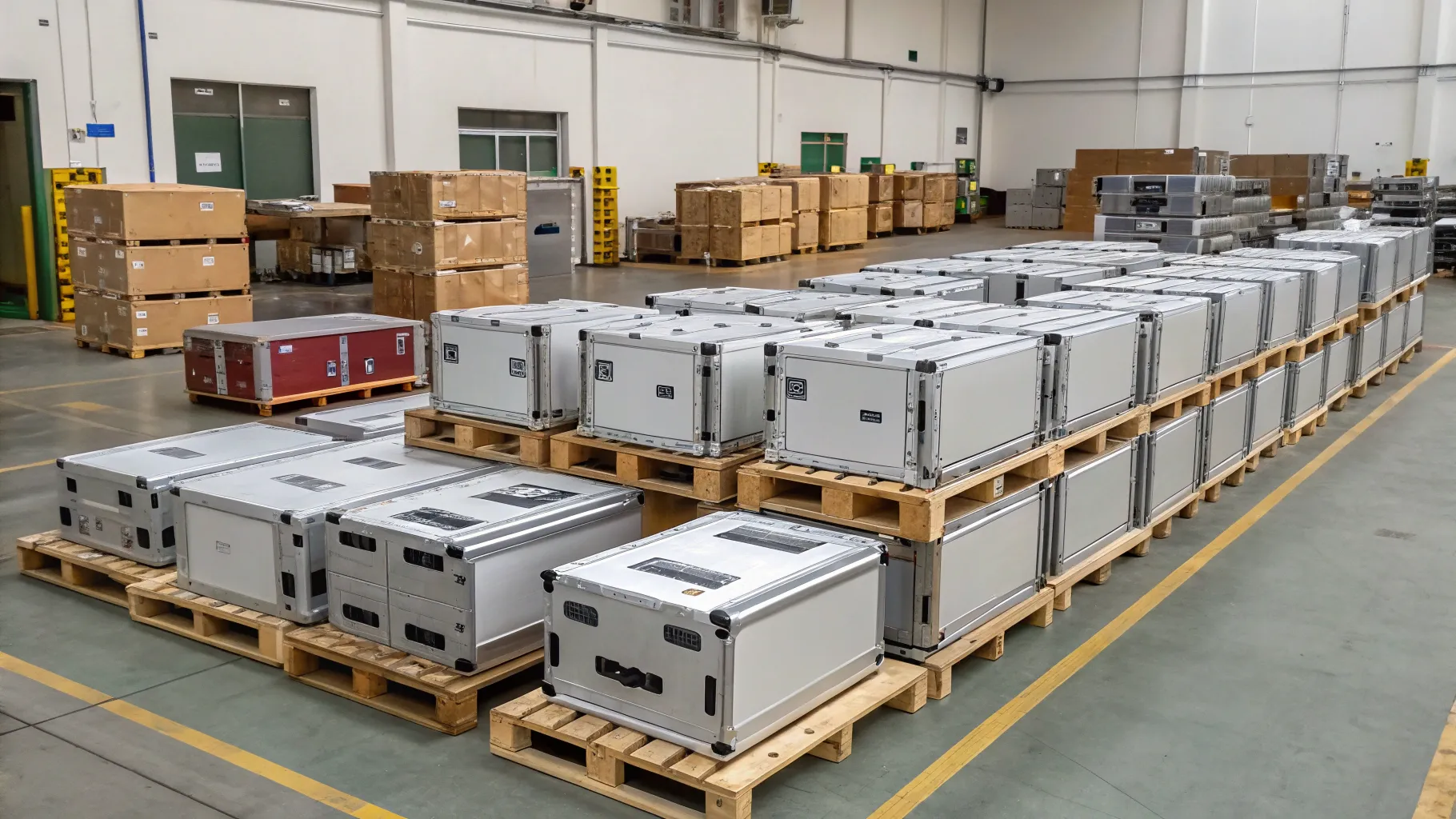
We support full lifecycle manufacturing: prototype samples for validation, pilot production for process verification, and mass production with stable output—reducing risk and shortening project timelines.
Typical Application Scenarios
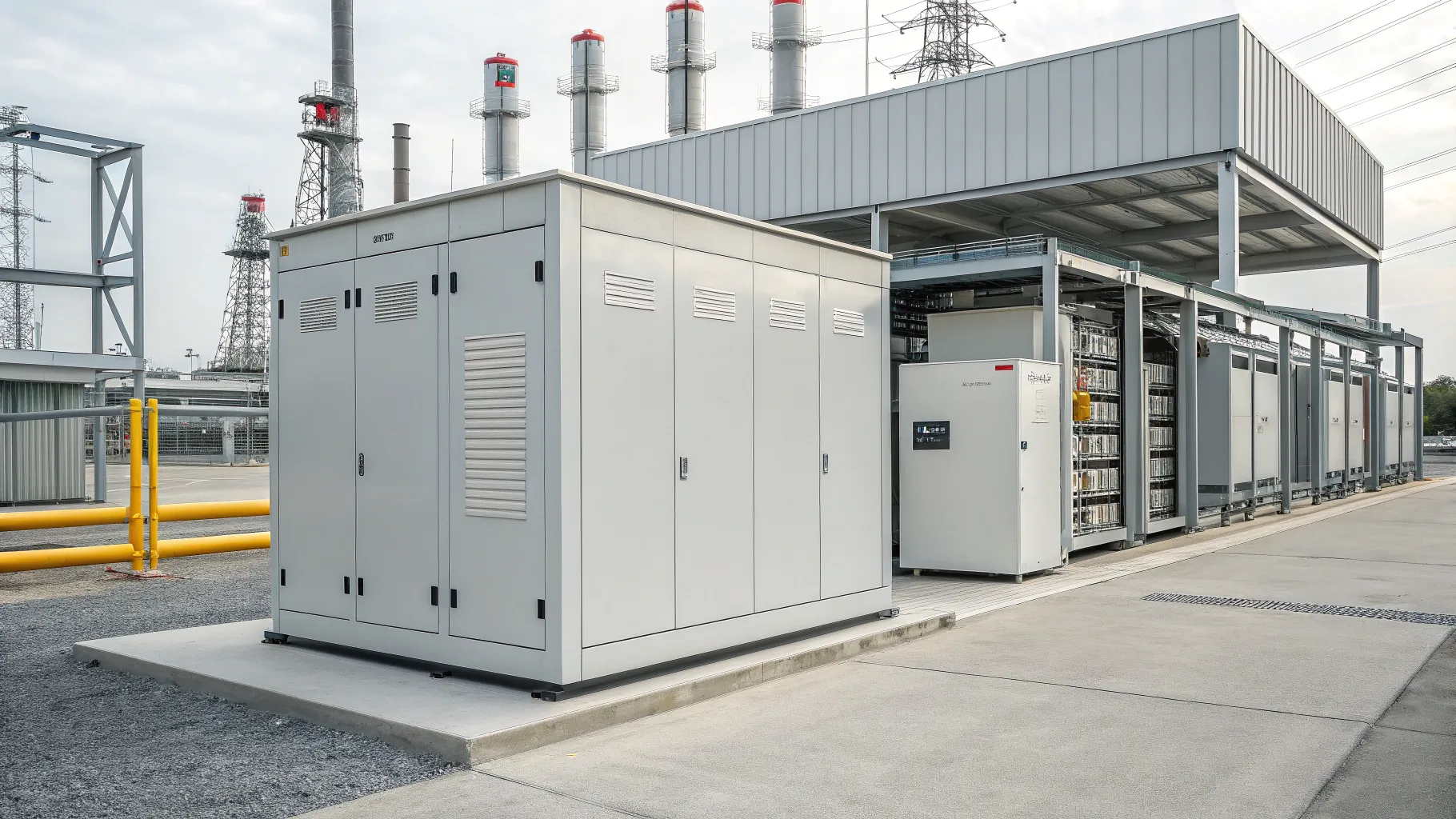
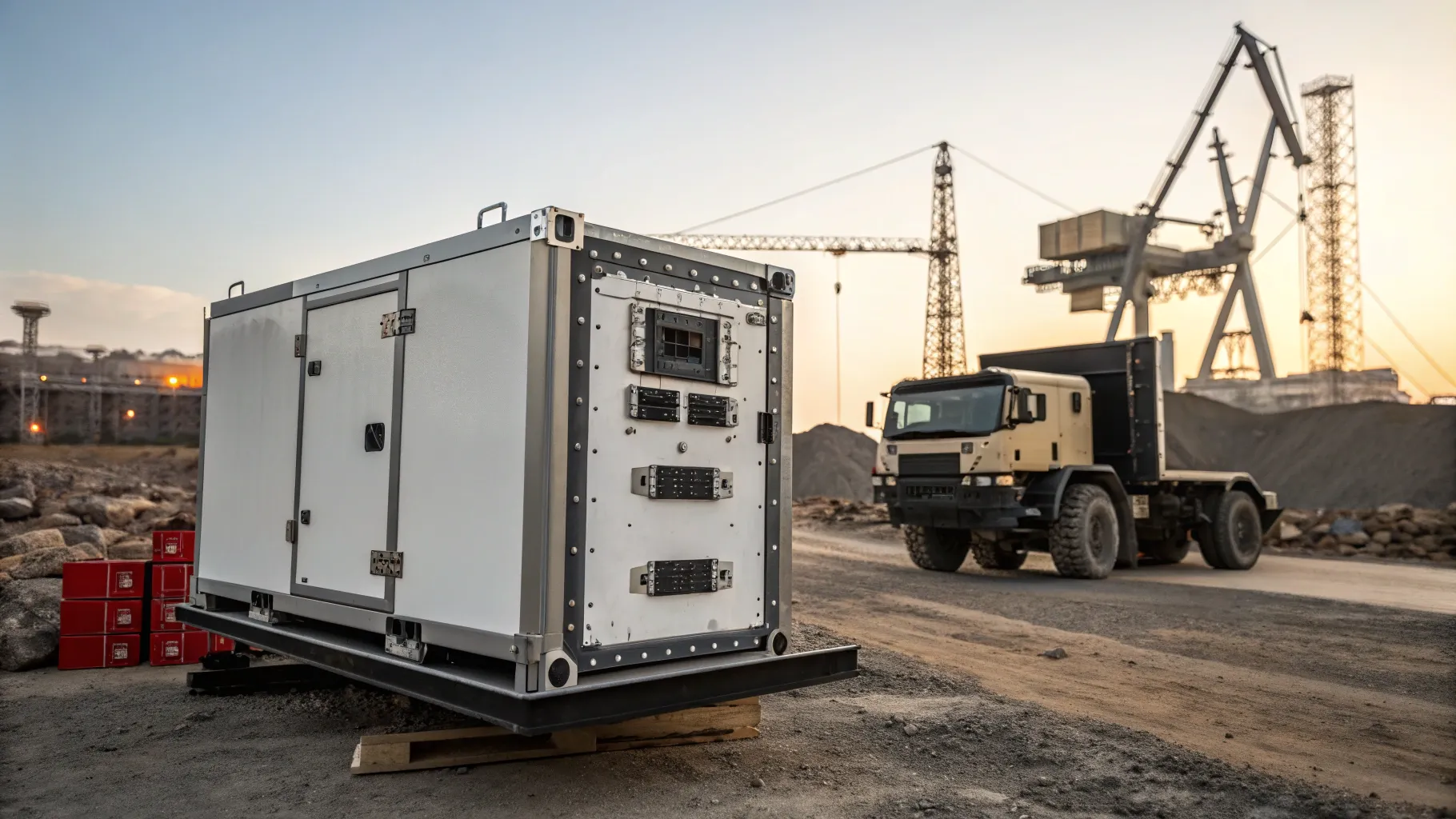
Electronic housings are used in EV battery systems, ESS, heavy-duty/commercial vehicles, industrial power & automation, and marine/outdoor power applications.
Why Choose Us for Electronic Housings
System-level integration mindset, precision machining + sealing readiness, compatibility with thermal needs of power electronics, manufacturing-ready designs from prototype to volume, and reliable documentation/traceability.
Contact & Engineering Consultation
Upload your drawings (STEP / DWG / PDF) and share enclosure type, connectors, sealing target, and thermal interface needs.