Custom PDU (Power Distribution Unit) | EV & Energy Storage
Product · Power Distribution Unit (PDU)

Custom Power Distribution Units

Engineering-driven custom PDU solutions designed for high-voltage safety, system integration, and production-ready manufacturing.
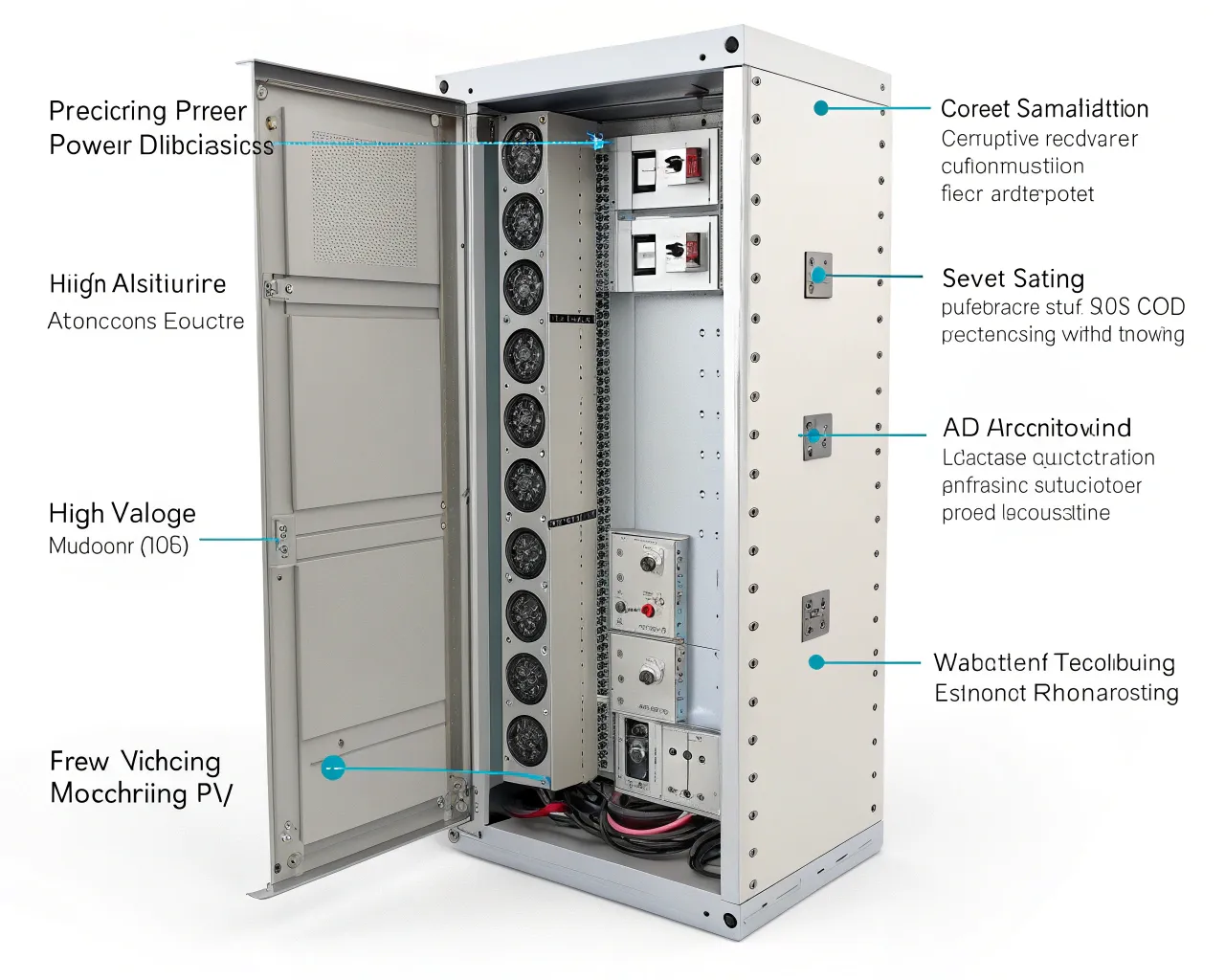
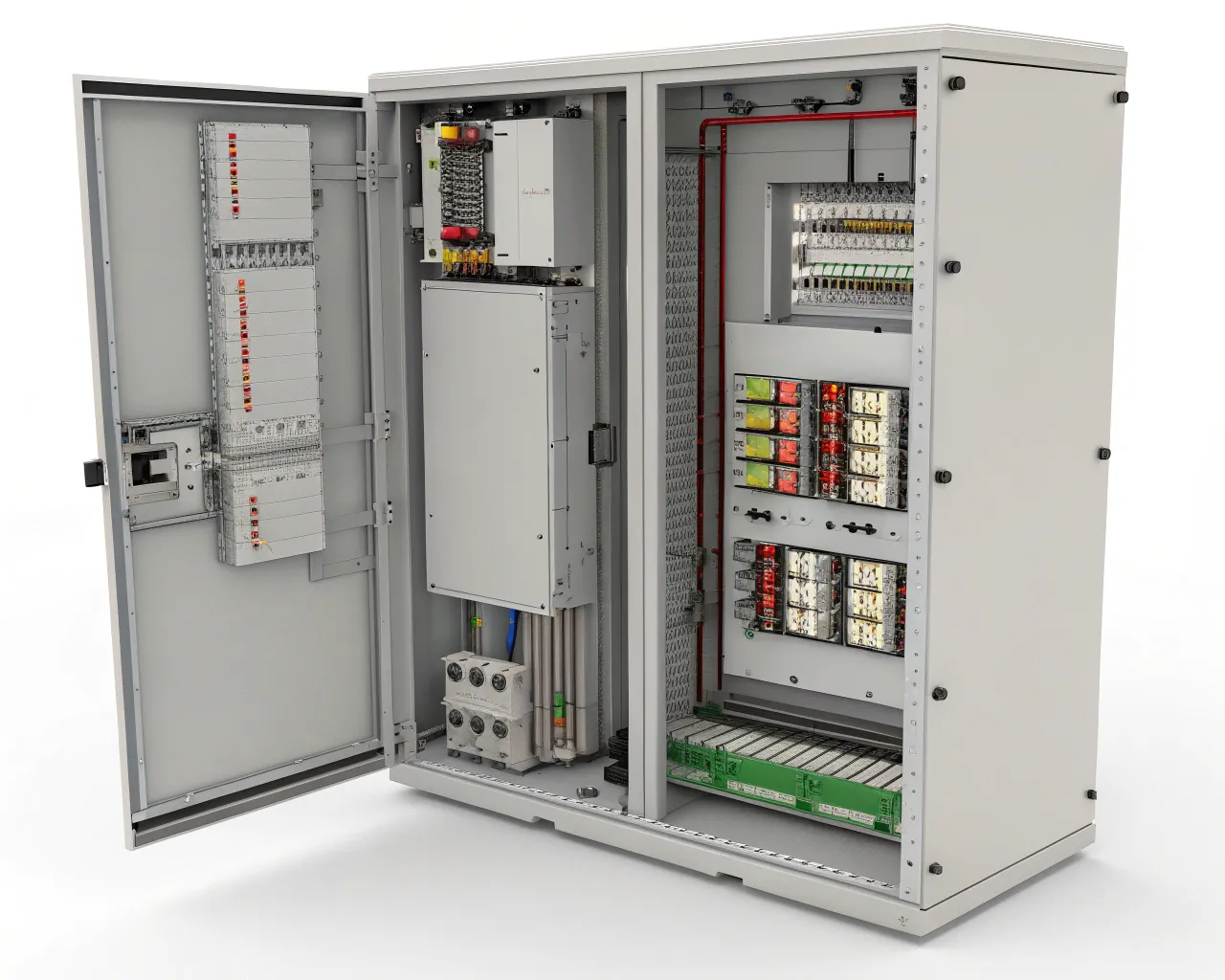
Core
Enclosure Machining
interfaces · flatness · repeatability
Focus
HV Safety Readiness
clearance · creepage · zones
Target
Scalable Production
process control · traceability
Custom PDU
HV-ready · IP-ready · Integration-ready
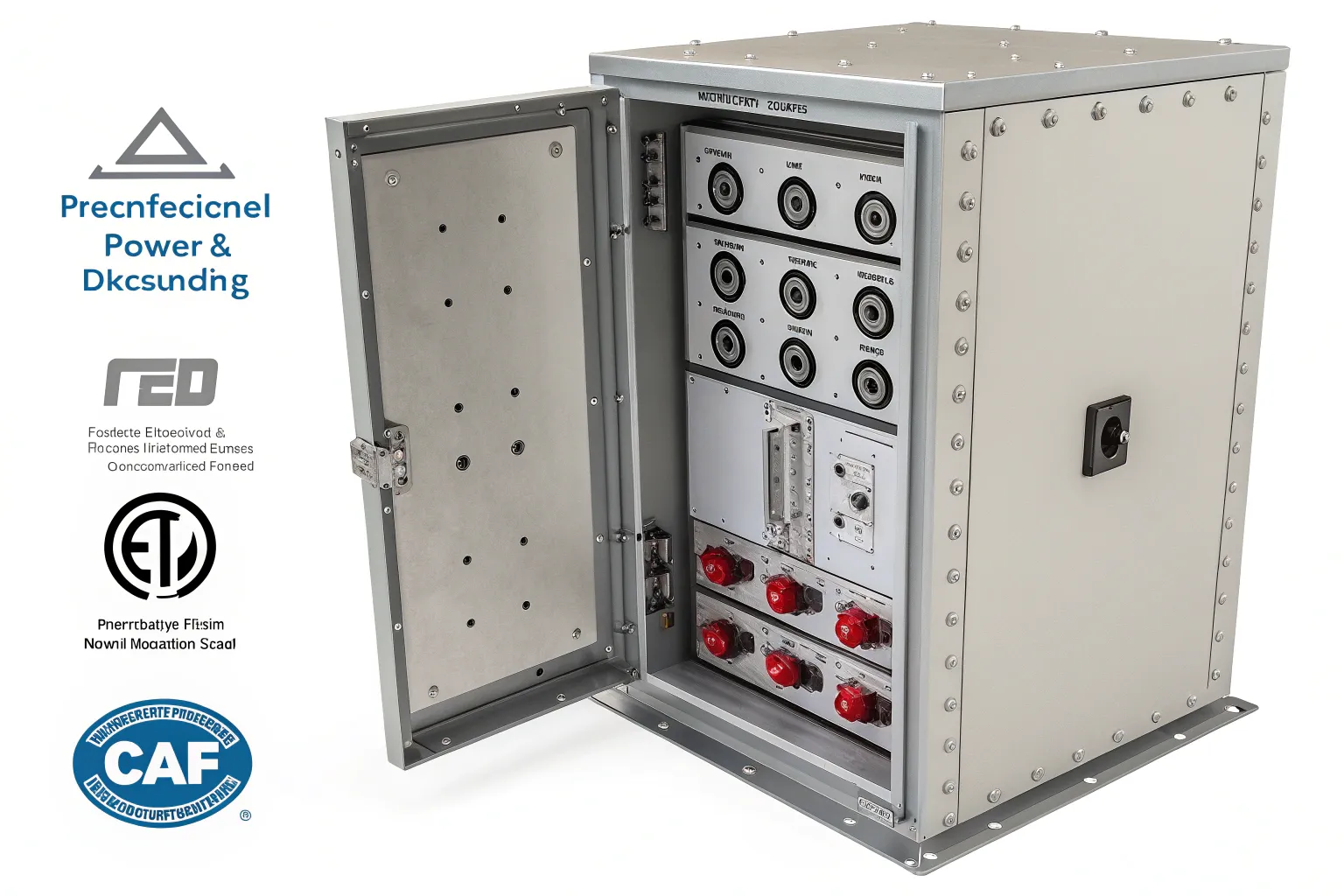
Image · PDU housing exterior
Custom PDU housing exterior
Image · Internal interface layout
PDU internal interface layout
Connector & Busbar Interfaces tolerance control
Sealing & Ingress Control gasket grooves
HV/LV Zone Separation safety layout

What Is a Custom PDU

A Power Distribution Unit (PDU) manages and distributes electrical power within battery and energy systems. A custom PDU is designed to match system requirements such as voltage/current levels, physical layout constraints, integration with battery packs and control systems, and environmental & safety standards.
Power requirements
Voltage & current targets
Packaging constraints
Size · mounting · routing
Integration
Pack · HV box · BMS
Safety
Zones · sealing · EMC
Internal links for context
PDU often integrates near HV distribution: High Voltage Control Box · Sealed structural base: Battery Pack Enclosures & Trays · System wiring planning: BMS Selection & Integration
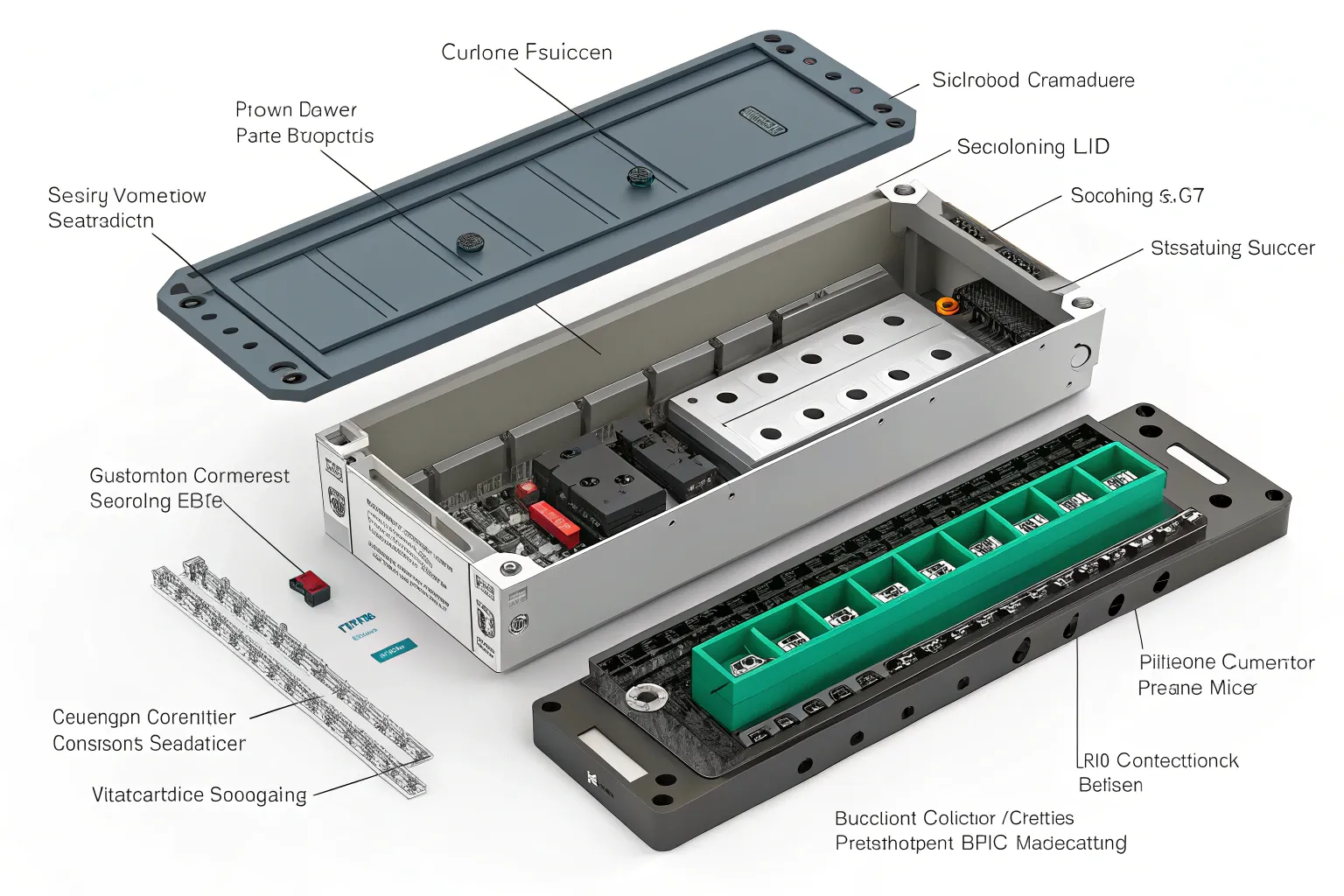
Image / Exploded View Placeholder
All products →
Custom PDU overview
Replace with exploded view: enclosure + lid + connector areas + busbar mounts + sealing.
Design
Compact Layout
Safety
HV/LV Zones
Protection
IP-Ready

Our Role in Custom PDU Manufacturing

We focus on the mechanical and system-level manufacturing of custom PDUs—enclosure machining, sealing design, and integration readiness.

Precision machining
Interfaces · flatness · consistency
Sealing architecture
Gasket/O-ring grooves · ingress
Thermal readiness
Heat paths · cooling options
Scale-up support
Prototype → pilot → mass
Integration-first mindset

We align enclosure design with connector/busbar features, HV routing, sealing targets, and assembly sequence—so the PDU is manufacturable and repeatable.
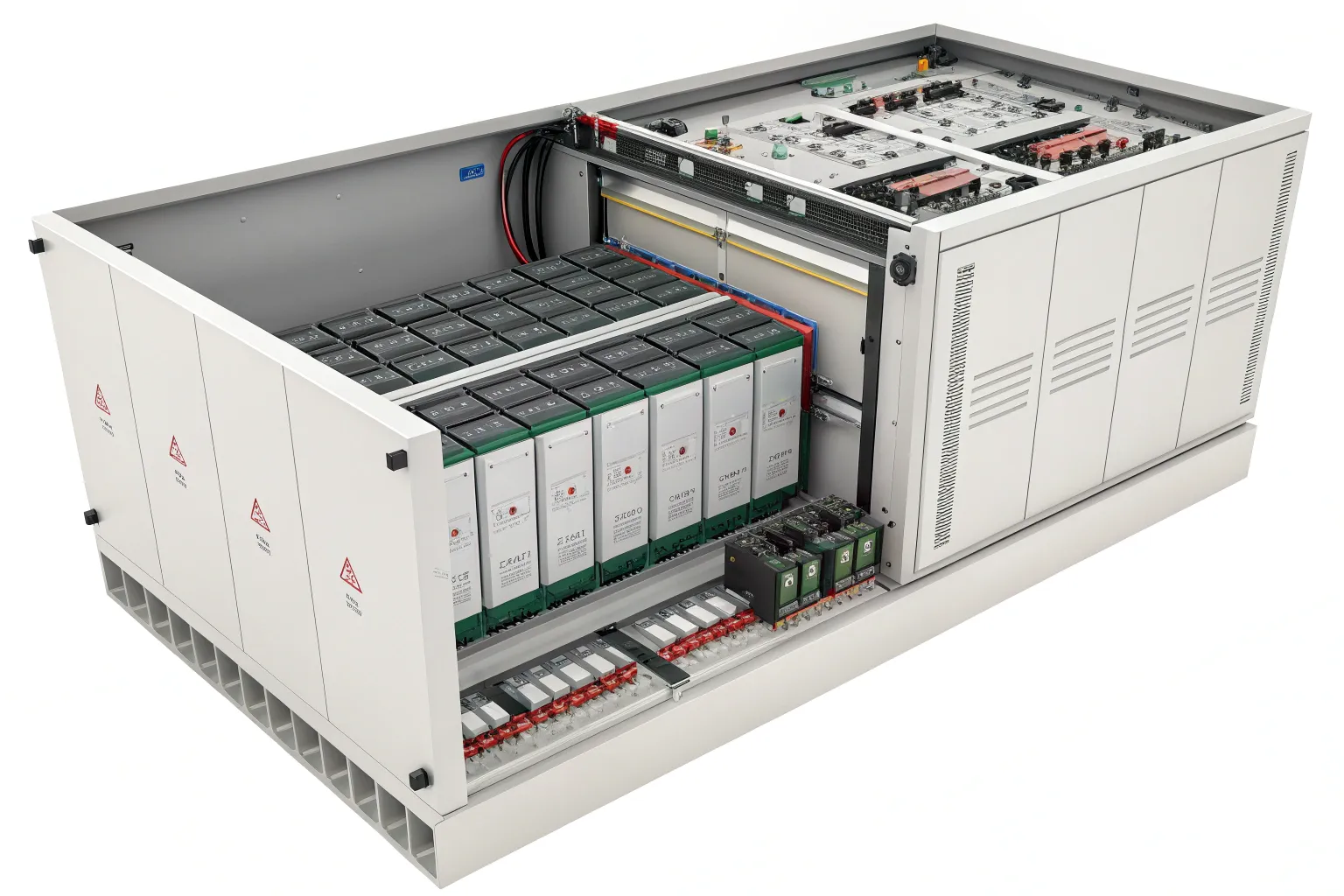
Image · PDU integration in system
Placeholder
PDU integration in battery system

PDU Enclosure Design

The enclosure is critical for safety and reliability. We support reinforced, compact, and manufacturable PDU housings designed to protect internal components.

We support
  • Aluminum and steel PDU housings
  • Reinforced structural designs
  • Compact space-optimized layouts
  • Protection against mechanical stress
Image · PDU enclosure & lid
Custom PDU enclosure and lid
Replace with enclosure + lid photos showing sealing surfaces, ribs, and mounting bosses.
Structure
Ribs · stiffness · flatness
Assembly
Access · fastener strategy

Material Selection and Processing

Material choice balances strength, weight, conductivity strategy, corrosion resistance, and long-term reliability.

Aluminum
6061 · 6082 · 5052
Stainless steel
304 · 316L
Conductive strategy
Grounding interfaces
Insulation strategy
Clearance & isolation
Surface & finishing compatibility

We coordinate machining and surfaces to support sealing, corrosion resistance, and EMC grounding where required.
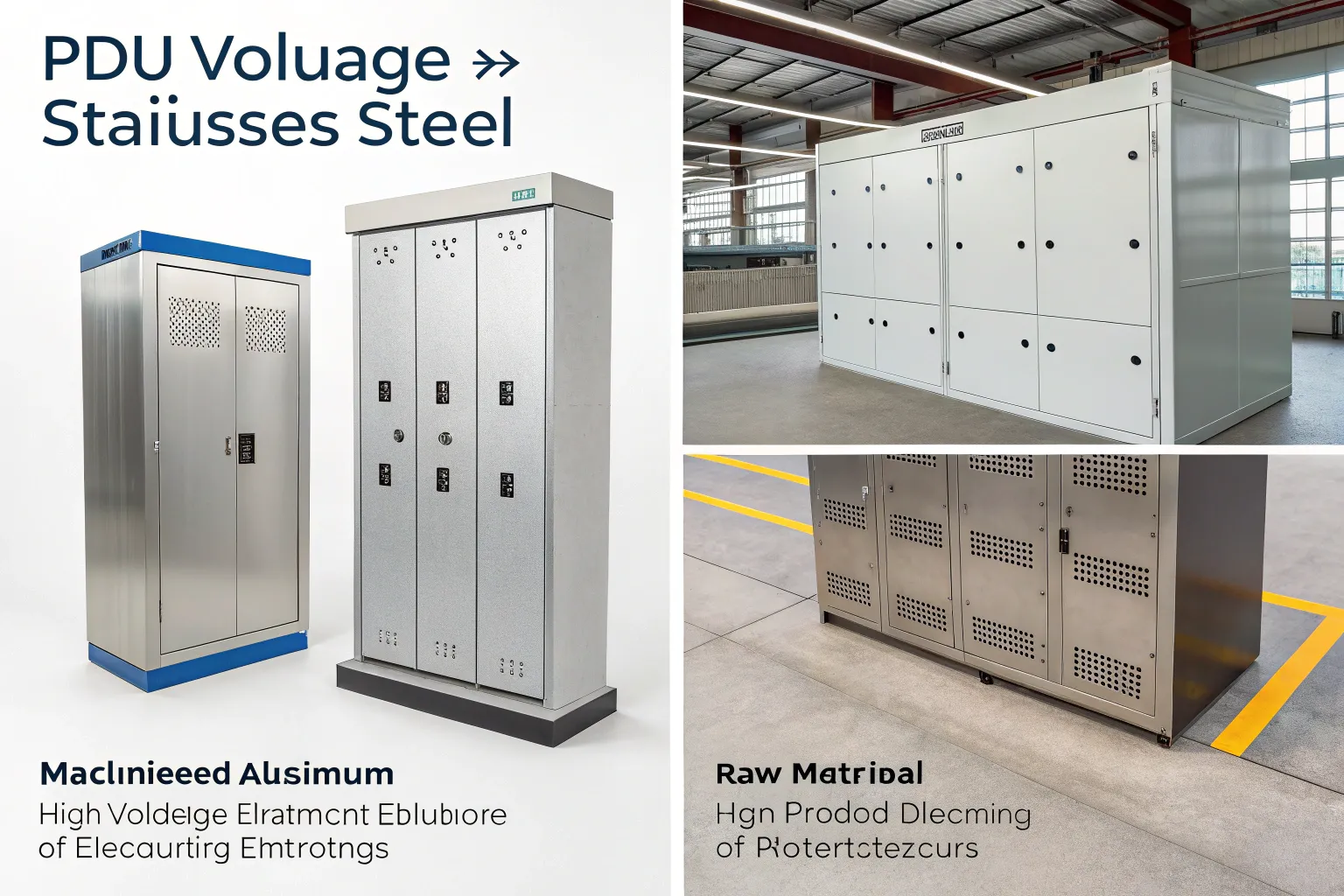
Image · Material & finish samples
Placeholder
Material and surface finish samples

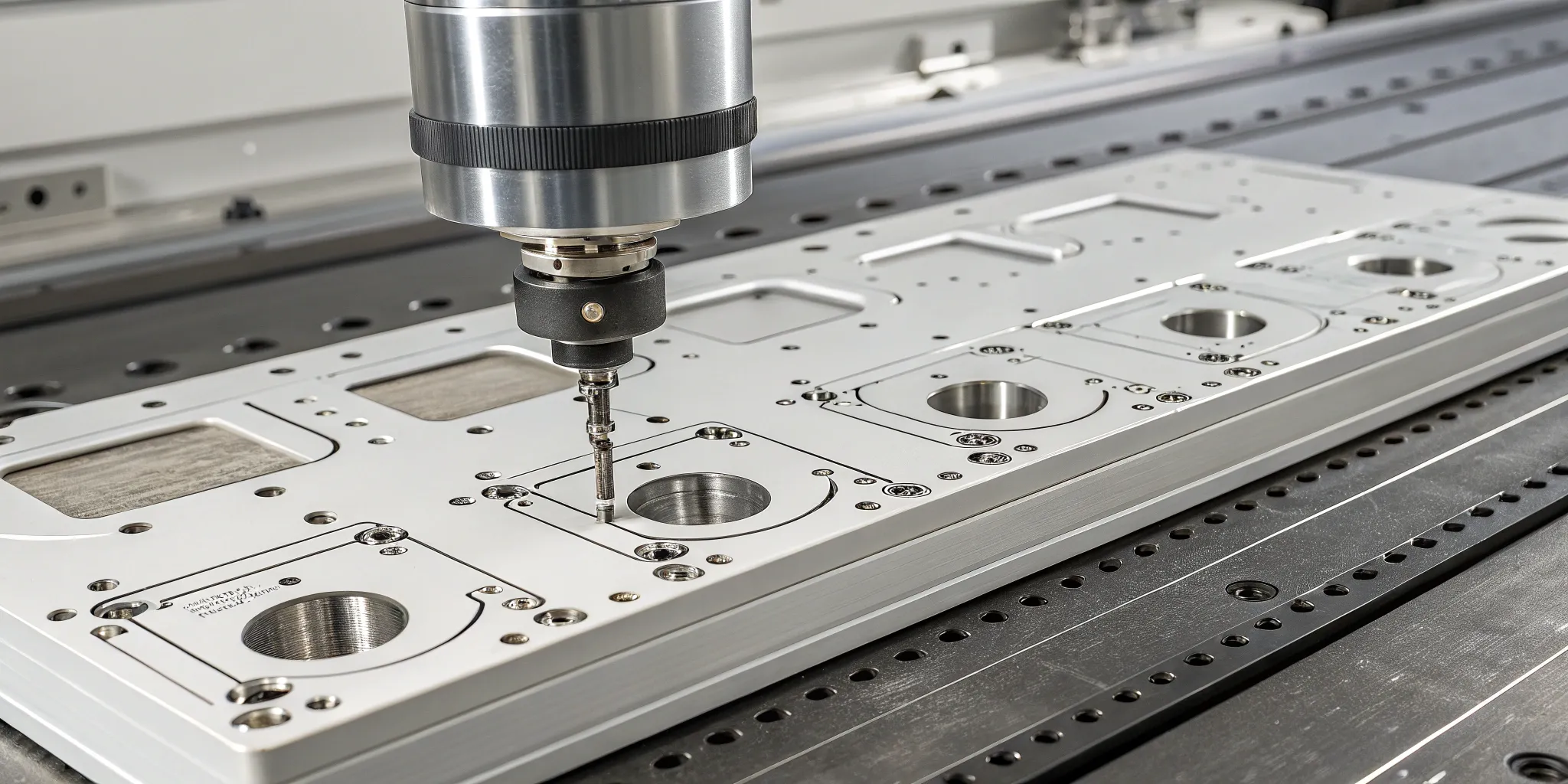
Precision CNC Machining for PDU Housings

High-precision machining ensures stable electrical interfaces and repeatable assembly. We machine connector and busbar mounting features, flat sealing surfaces, and complex internal geometries.

Capabilities include
  • Tight tolerance machining
  • Connector & busbar mounting features
  • Flat sealing surfaces
  • Complex internal geometries
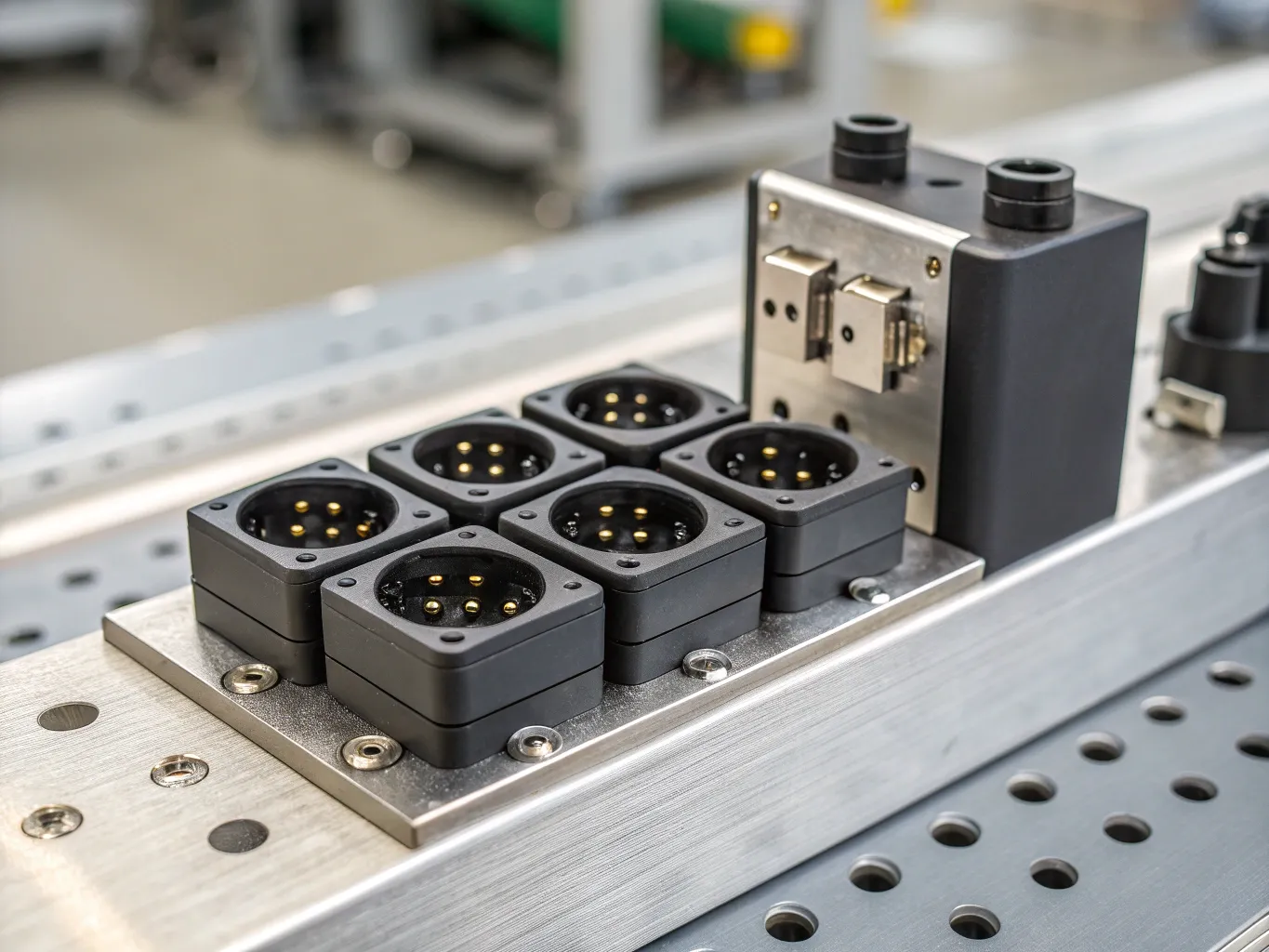
Image · Connector & busbar interfaces
Connector mounting interface
Connector interface
Busbar mounting feature
Busbar mounts
Flat sealing surface machining
Flat sealing surfaces / tolerance detail

Electrical Interface Readiness

Mechanical design is coordinated with electrical system needs to reduce assembly errors and improve serviceability.
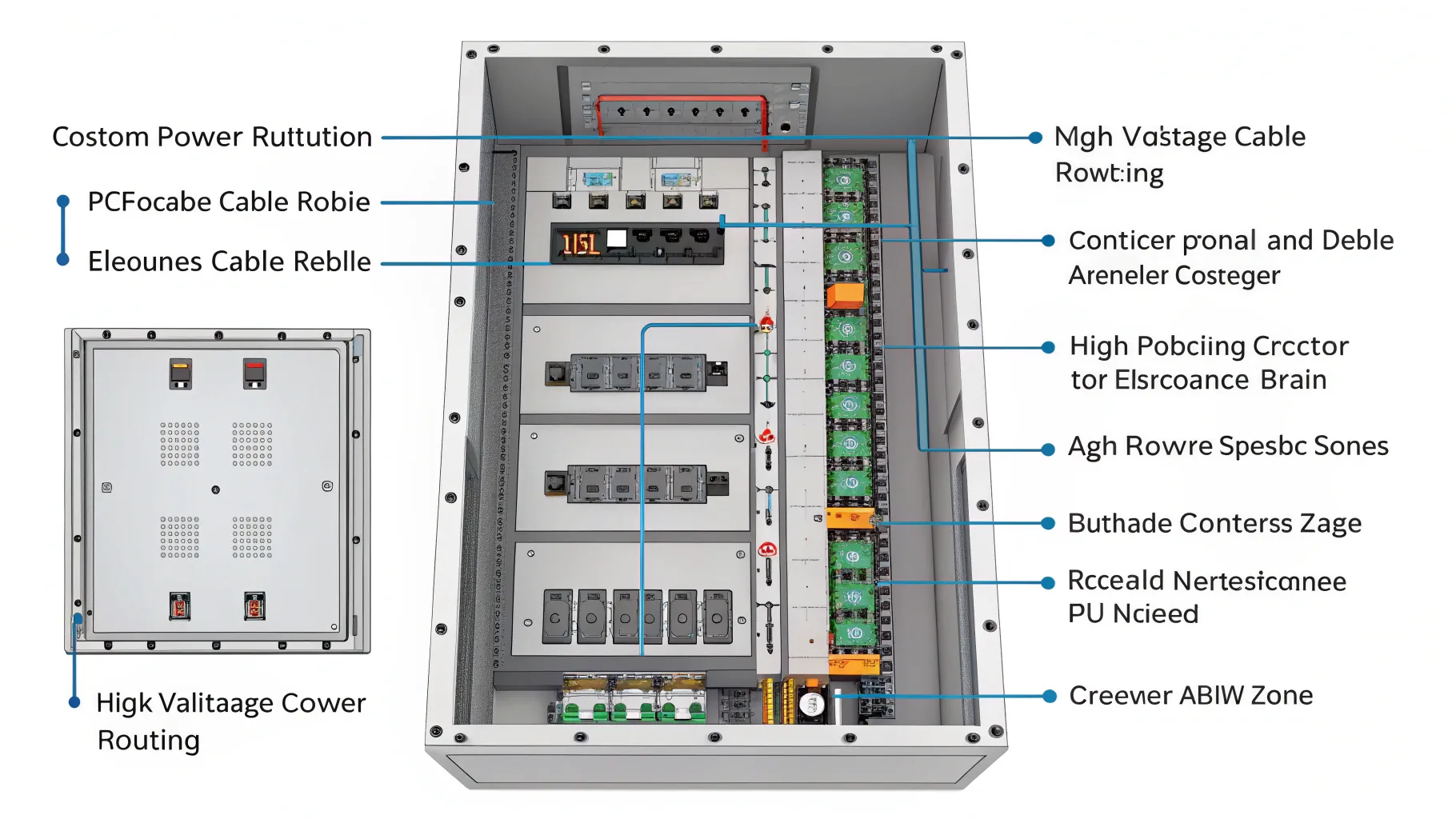
HV cable routing
Space & bending radius control
Fuse interfaces
Mounting zones & access
Creepage & clearance
Safety layout support
Strain relief
Cable management features
Internal links
Integrate with pack structure: Battery Pack Enclosures & Trays →
HV distribution housing: High Voltage Control Box →
System wiring & monitoring: BMS Selection & Integration →
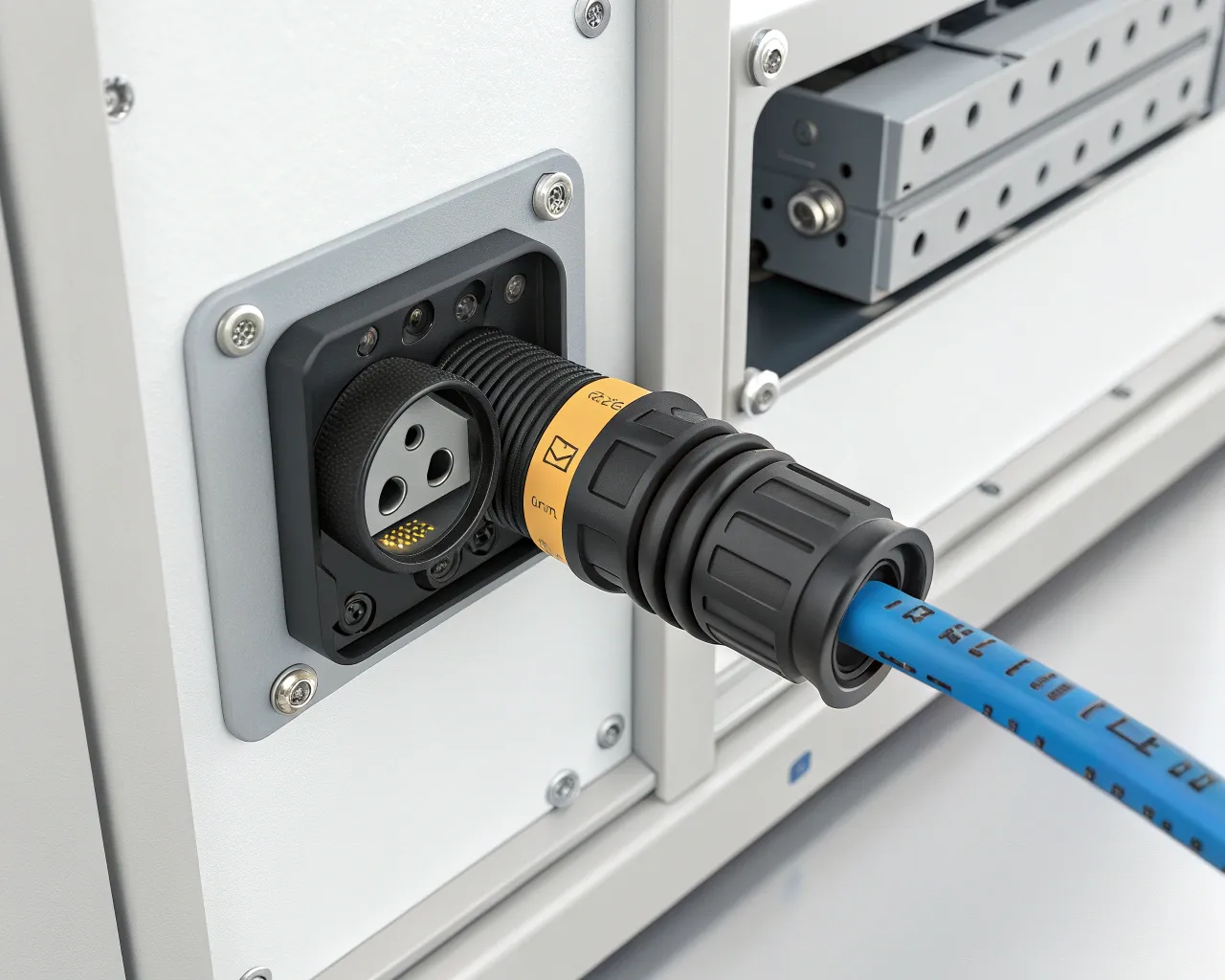
Image · Cable routing / connector zones
Cable routing and connector zones
Replace with internal layout photo showing connector cutouts, harness routing, and strain relief.

Thermal Considerations

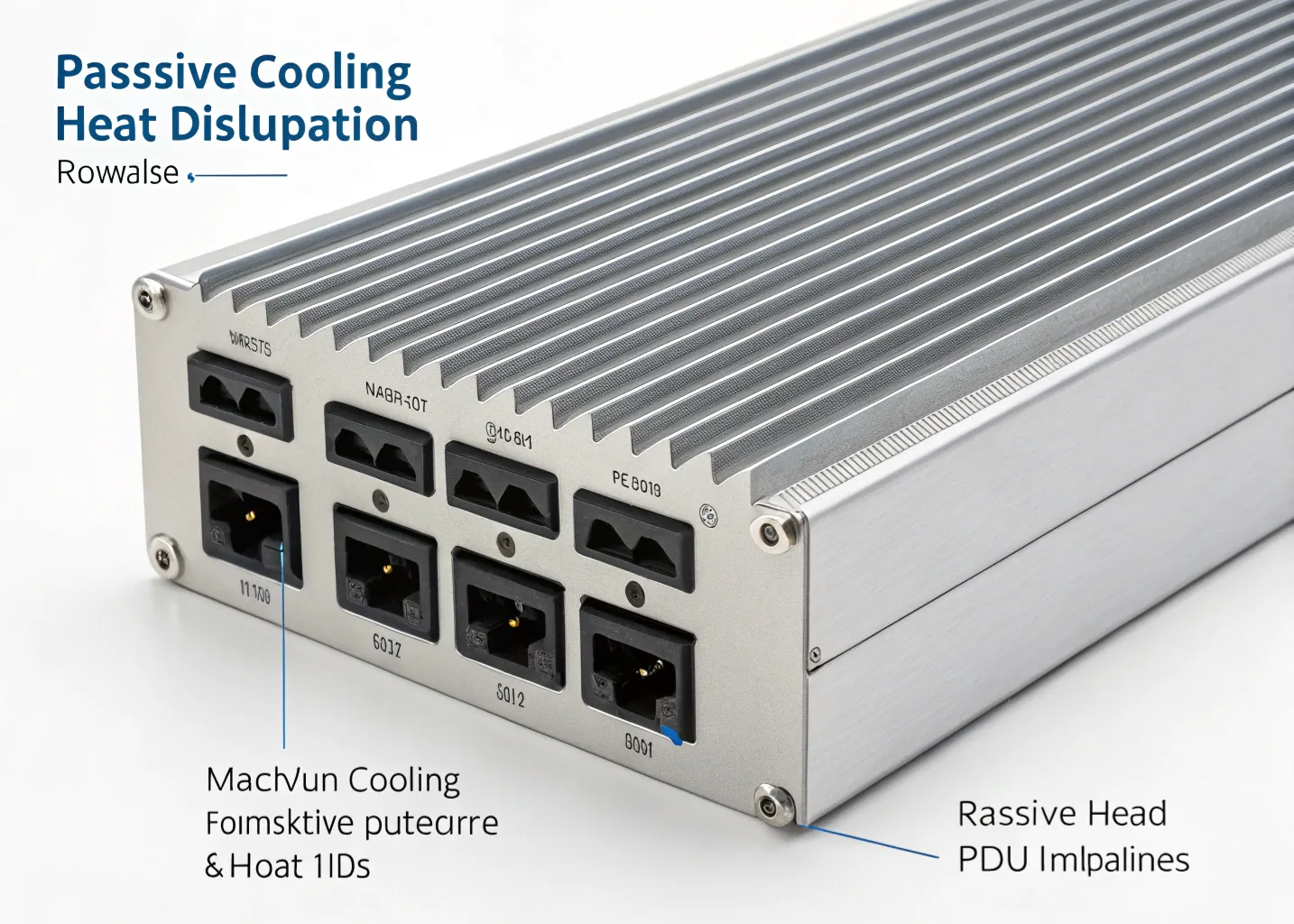
PDUs may contain heat-generating components. We design housings with passive heat paths, integration options for cooling plates/heat sinks, and thermal isolation where required.

Design considerations
  • Passive heat dissipation
  • Cooling plate / heat sink integration
  • Thermal isolation where required
  • Stable operating temperatures
Image · Heat dissipation / heat sink interface
PDU thermal design and heat dissipation
Replace with photo showing ribs/heat sink contact area or cooling plate interface surface.

Sealing and Environmental Protection

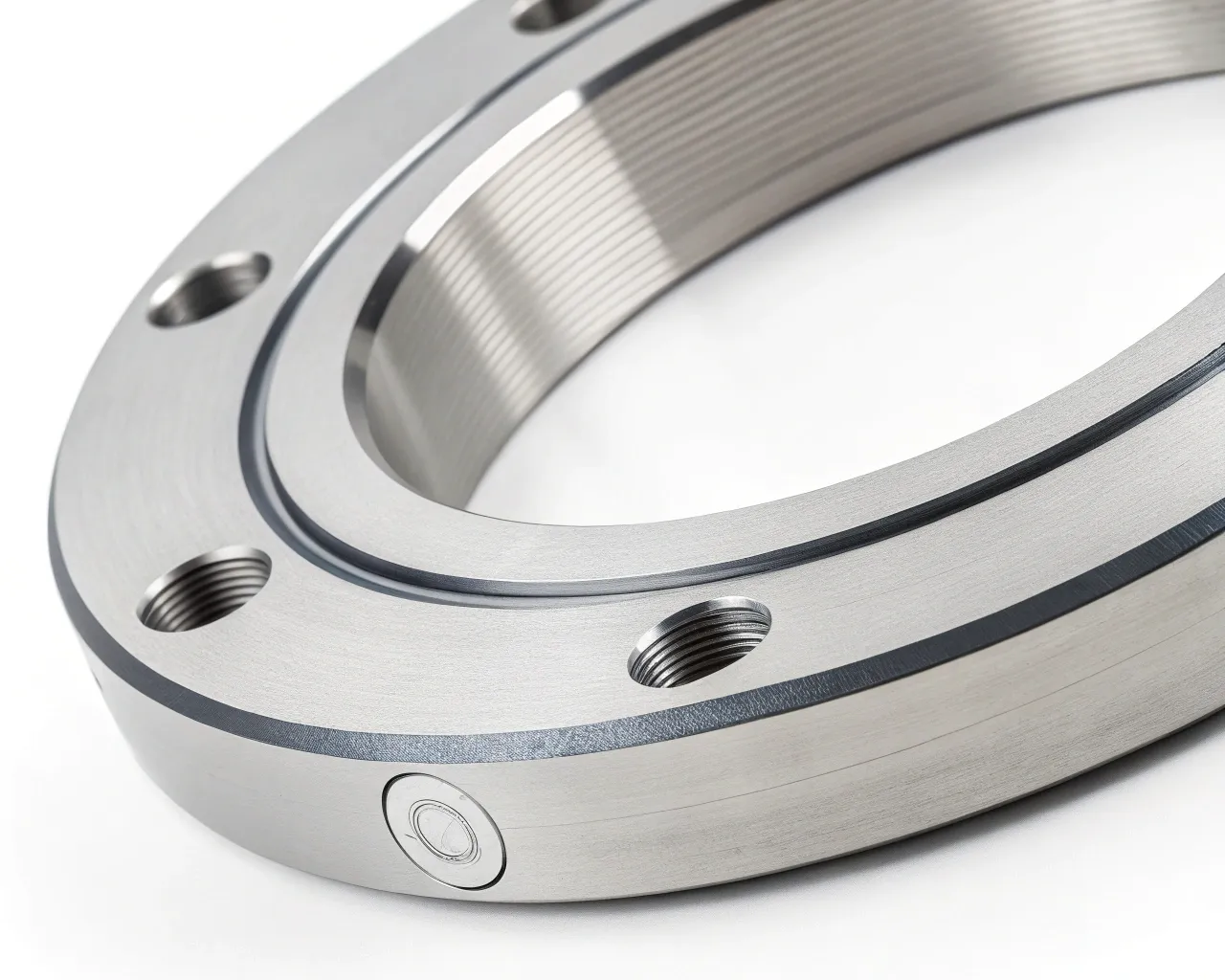
Environmental protection is essential for PDU reliability. We support IP-rated sealing architectures, precision gasket/O-ring grooves, and controlled ingress points for cables and vents.

We support
  • IP-rated sealing architectures
  • Precision gasket and O-ring grooves
  • Controlled ingress points (cables & vents)
  • Protection against dust and moisture
Image · Sealing groove & cable ingress
Gasket/O-ring groove detail
Gasket / O-ring groove
Cable ingress sealing interface
Cable ingress interface
Replace with close-ups showing groove quality and connector/vent sealing features.

EMI and Electrical Safety Design

Custom PDUs must support electrical safety and EMC requirements. We consider enclosure features that support zone separation and grounding.

HV / LV separation
Physical partitions & layout
EMI-friendly design
Shielding-ready enclosure features
Grounding interfaces
Controlled contact surfaces
Insulation support
Clearance & creepage strategy
System integration links

If the PDU integrates within pack-level architecture, explore module-to-pack assembly: Module-to-Pack Assembly →
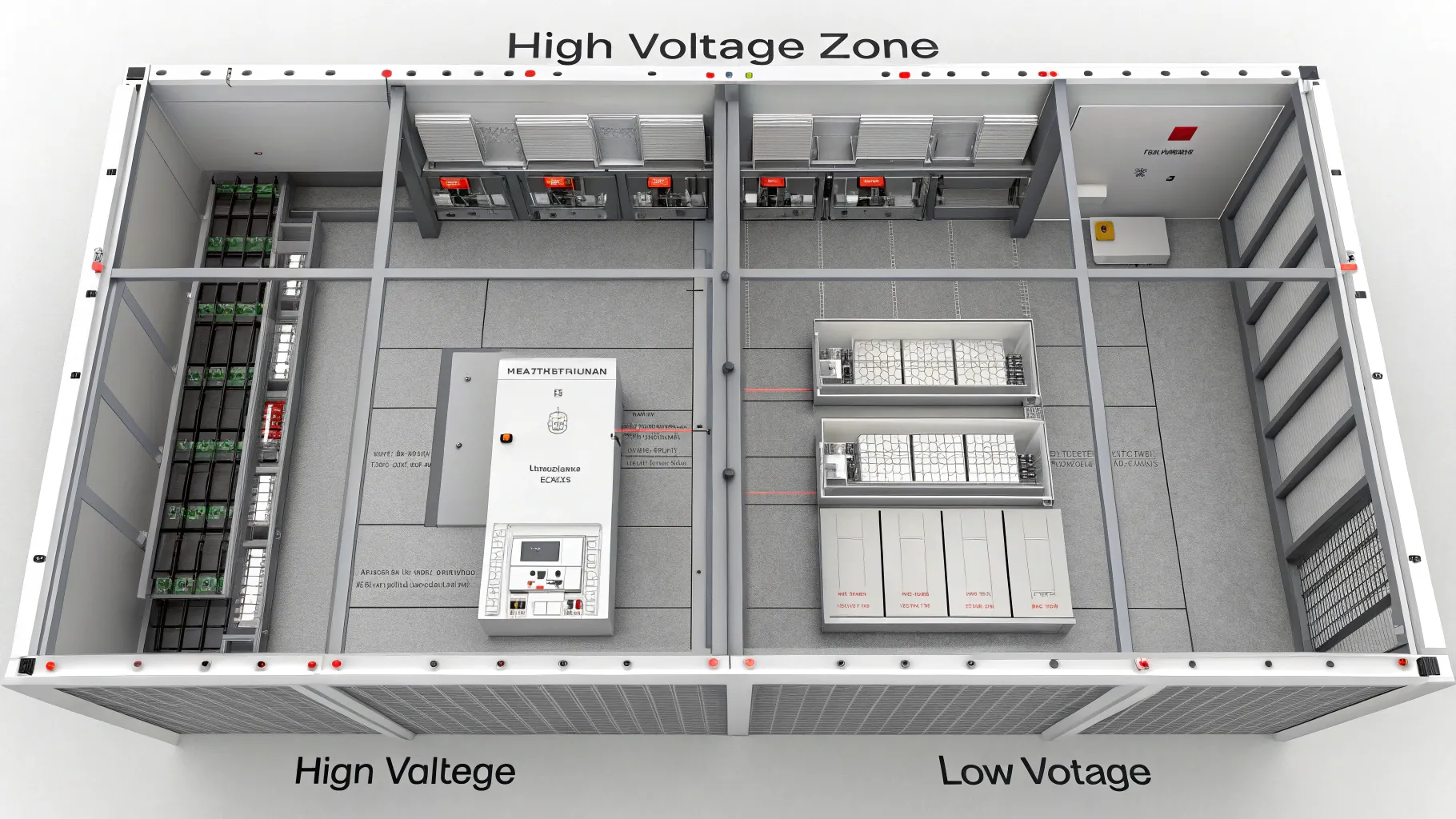
Image · HV/LV zone layout
Placeholder
HV and LV zone separation layout

Assembly-Oriented Design

We design custom PDUs for efficient assembly with clear sequences, accessible mounting features, and compatibility with customer production lines.
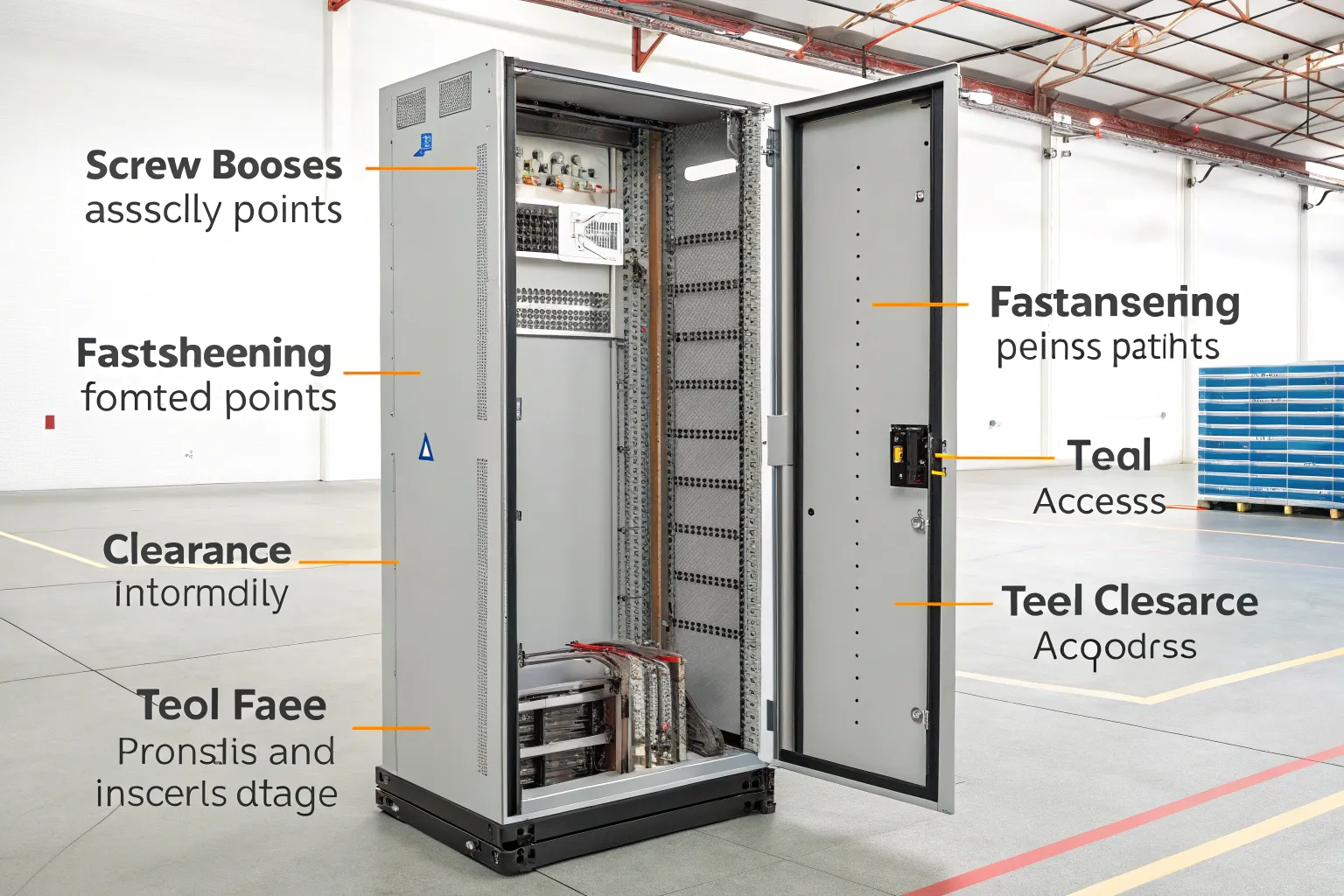
Clear sequences
Fewer rework loops
Accessible interfaces
Tool clearance & reach
Reduced complexity
Design for repeatability
Line compatibility
Fasteners & fixtures
Image · Assembly access & fastening
Assembly access and fastening strategy
Replace with photo highlighting screw bosses, access windows, and fastening patterns.
Related: Prototype → Volume

For projects moving from engineering samples to stable production, see: Prototyping and Mass Production →

Manufacturing Process Control

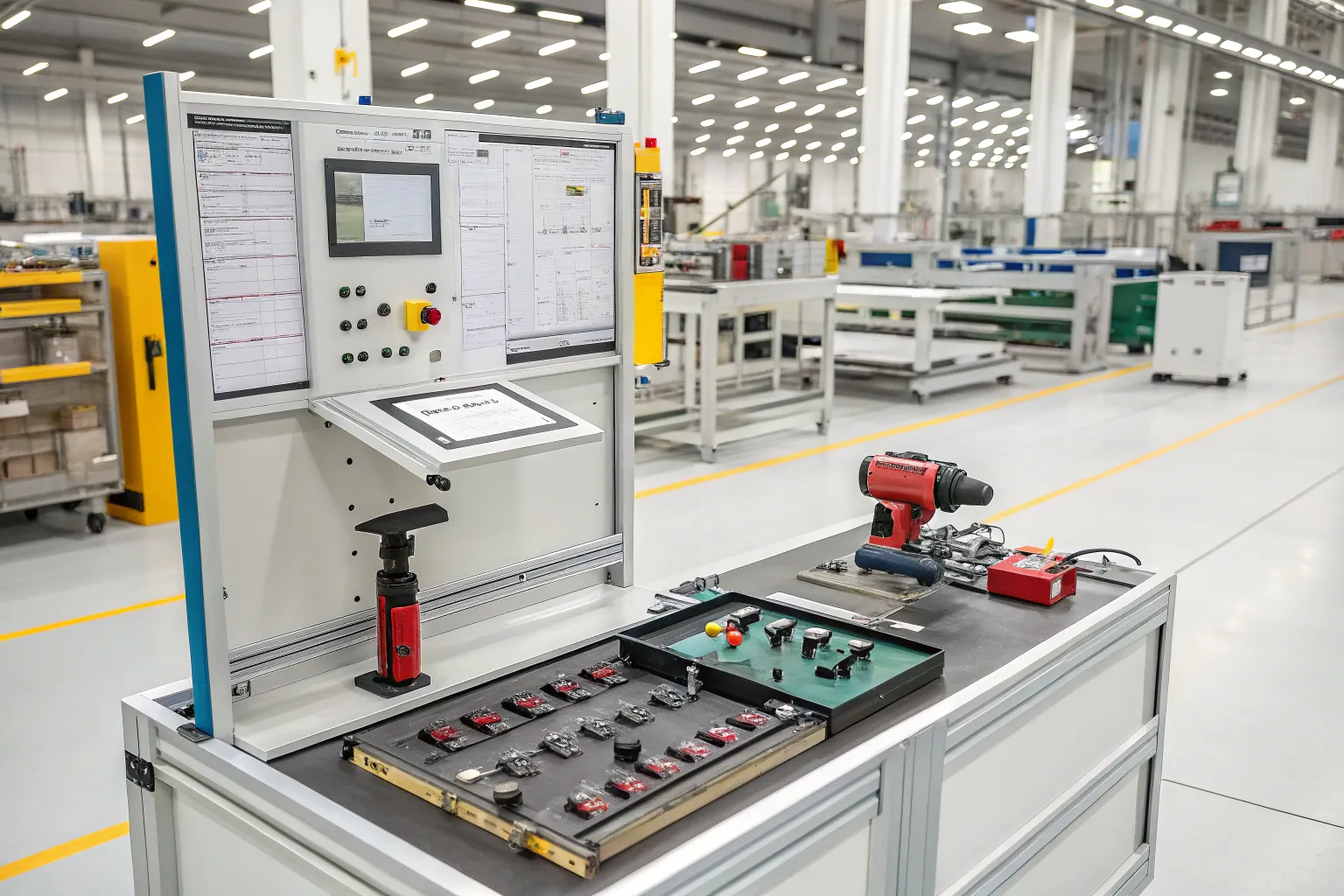
Production consistency is critical. We support CNC process stability, defined assembly workflows, torque control, and in-process inspection steps.

We support
  • CNC process stability
  • Defined assembly workflows
  • Torque and fastening control
  • In-process inspection steps
Image · Work instruction / process control
Work instruction and process control
Replace with photo of assembly SOP board, torque tools, and inspection checkpoints.

Quality Control and Traceability

Quality assurance is integrated throughout production with inspection, sealing verification, documentation, and batch traceability.
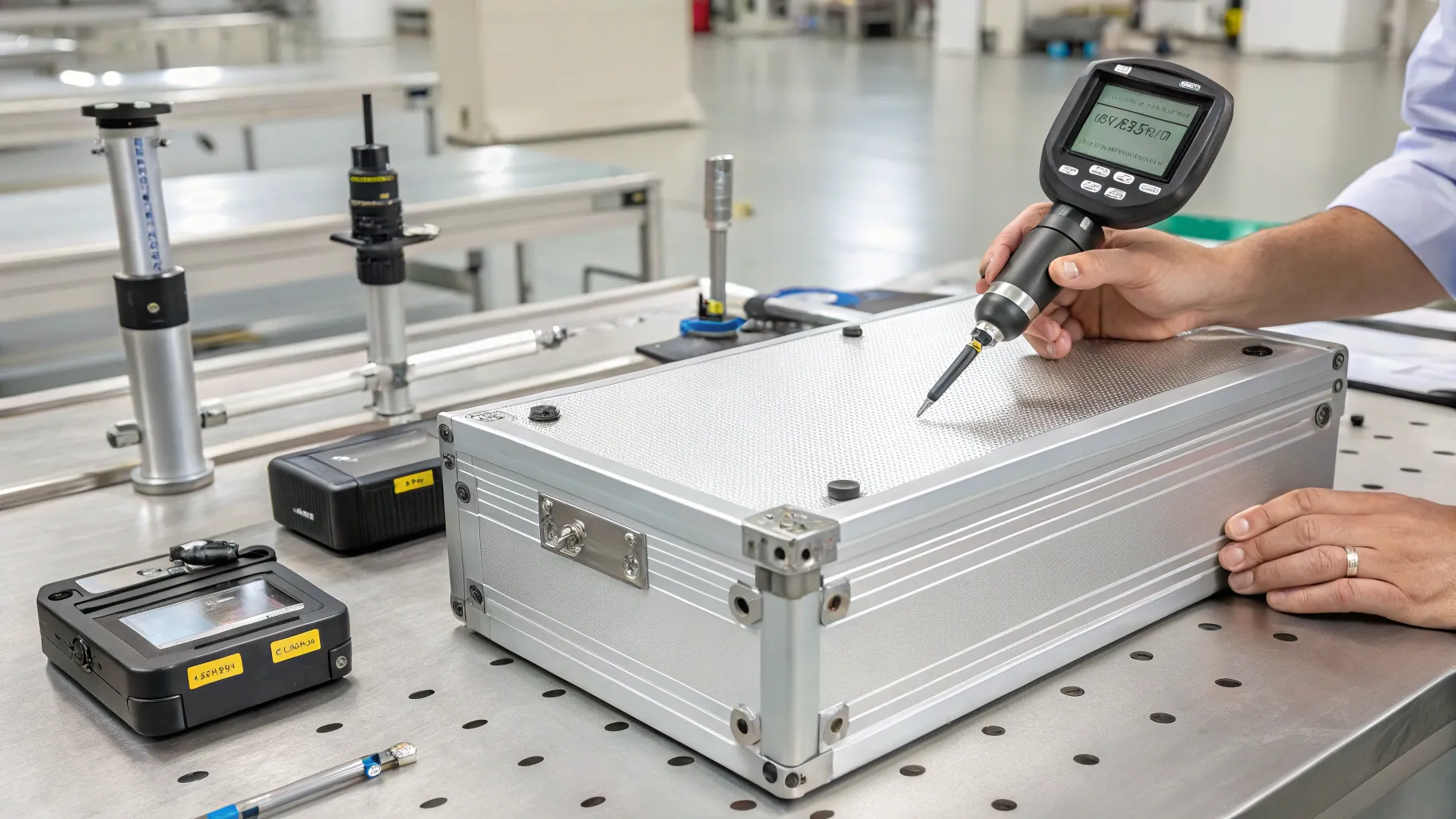
Dimensional inspection
Critical interfaces
Sealing verification
Grooves & surfaces
Process documentation
Records & reports
Batch traceability
Material & process
Image · Inspection station
Inspection station for PDU housings
Replace with QC photo: gauges, CMM, inspection reports (blur sensitive data if needed).
Quality + manufacturing link

For tolerance and sealing features, see: High Precision Hardware Machining →

Application Scenarios

Custom PDUs are used across EV, ESS, and industrial electrification platforms.

Electric vehicles
Passenger & commercial
Energy storage systems (ESS)
Indoor/outdoor solutions
Industrial power systems
Power distribution & control
Agricultural machinery
Dust/vibration environments
Construction machinery
Shock & harsh duty cycles
Marine & off-grid
Corrosion & sealing needs

Integration with Battery and Power Systems

Our custom PDUs are designed to integrate seamlessly with battery pack enclosures, HV control boxes, BMS systems, and thermal management components to reduce integration risk.
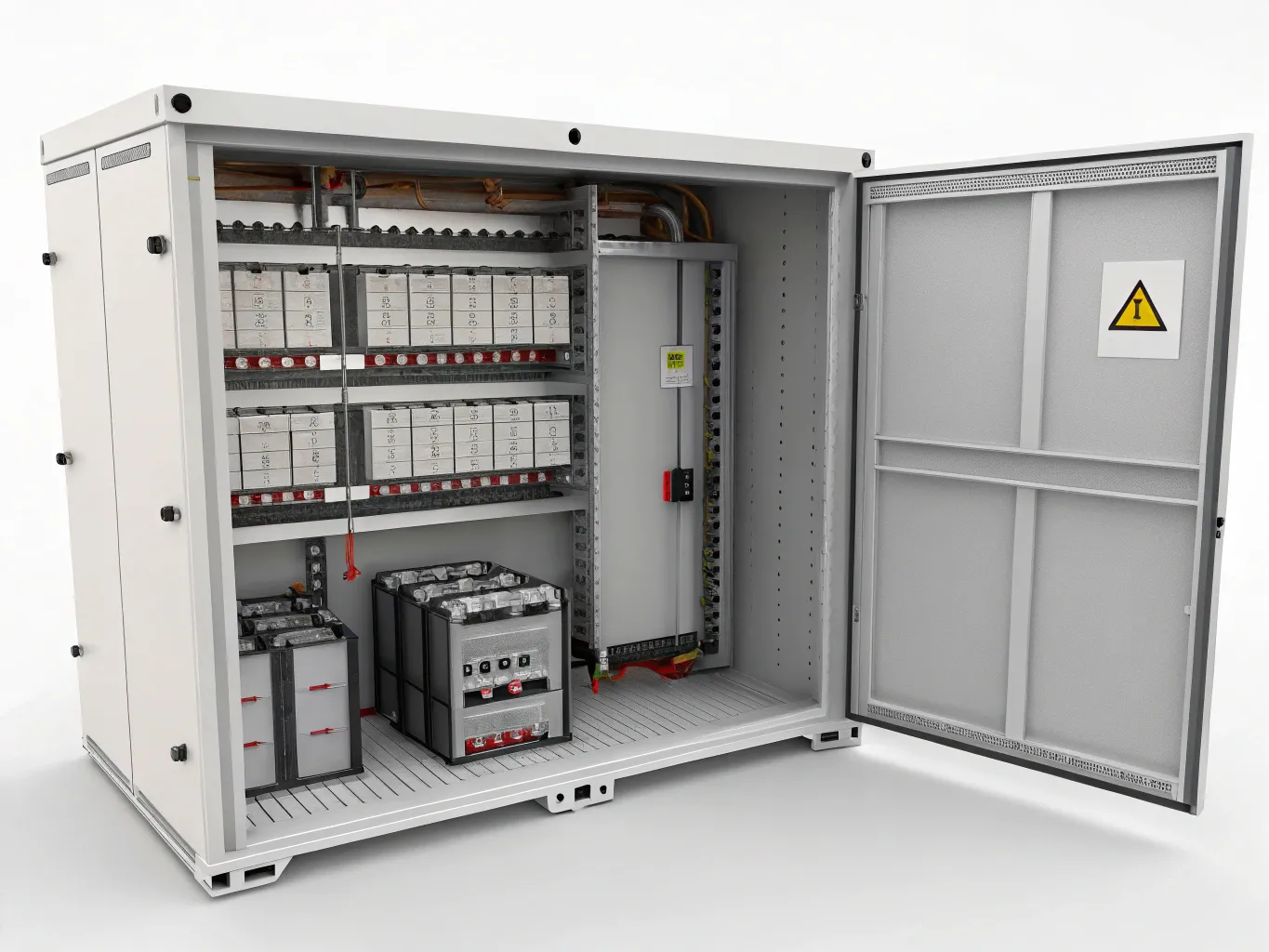
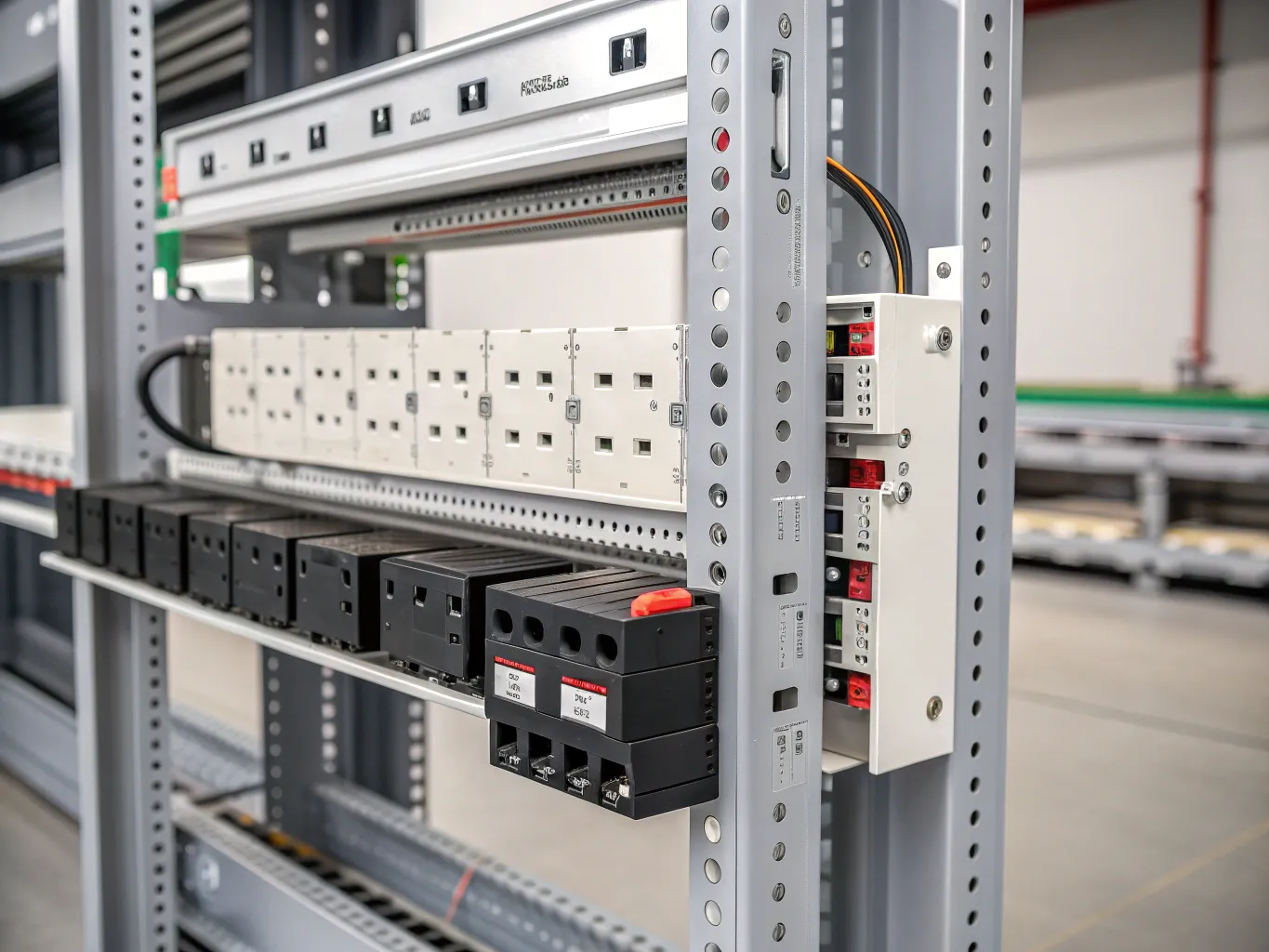
Image · PDU integration (pack level)
PDU integration with battery and power systems
Replace with photo showing PDU installed in enclosure / near HV control components (no sensitive details needed).

Why Choose Us for Custom PDU Manufacturing

We combine machining accuracy, sealing-ready structures, and integration-minded design to deliver manufacturing-ready PDU housings for EV and ESS platforms.

System-level engineering mindset
Integration, assembly, and validation thinking
Expertise in sealed metal enclosures
IP-ready grooves and controlled ingress
Precision machining & integration capability
Connector/busbar features and stability
Prototype to volume support
Stable processes and scalable output
Fast RFQ Checklist
Send these to speed up engineering review
1) Voltage/current targets
HV range · peak current
2) Interface requirements
Connectors · fuses · busbars
3) IP / sealing target
IP rating · ingress points
4) Drawings
STEP / DWG / PDF

Contact & Engineering Consultation

Discuss your custom PDU requirements with our engineering team. Upload your drawings (STEP / DWG / PDF) for technical review.

Email
andrew@sannytelecom.com
Fast response for PDU RFQs
Send Your RFQ
Attach: STEP / DWG / PDF · Include: voltage/current, connector/busbar plan, IP target, quantities, and timeline.
Tip: Include “connector cutouts + busbar mounts + IP target” in your email to speed up review.