
Vacuum Brazing
High-integrity vacuum brazing for aluminum cooling plates and sealed metal structures—enabling leak-tight performance and stable thermal efficiency in EV and energy storage systems.
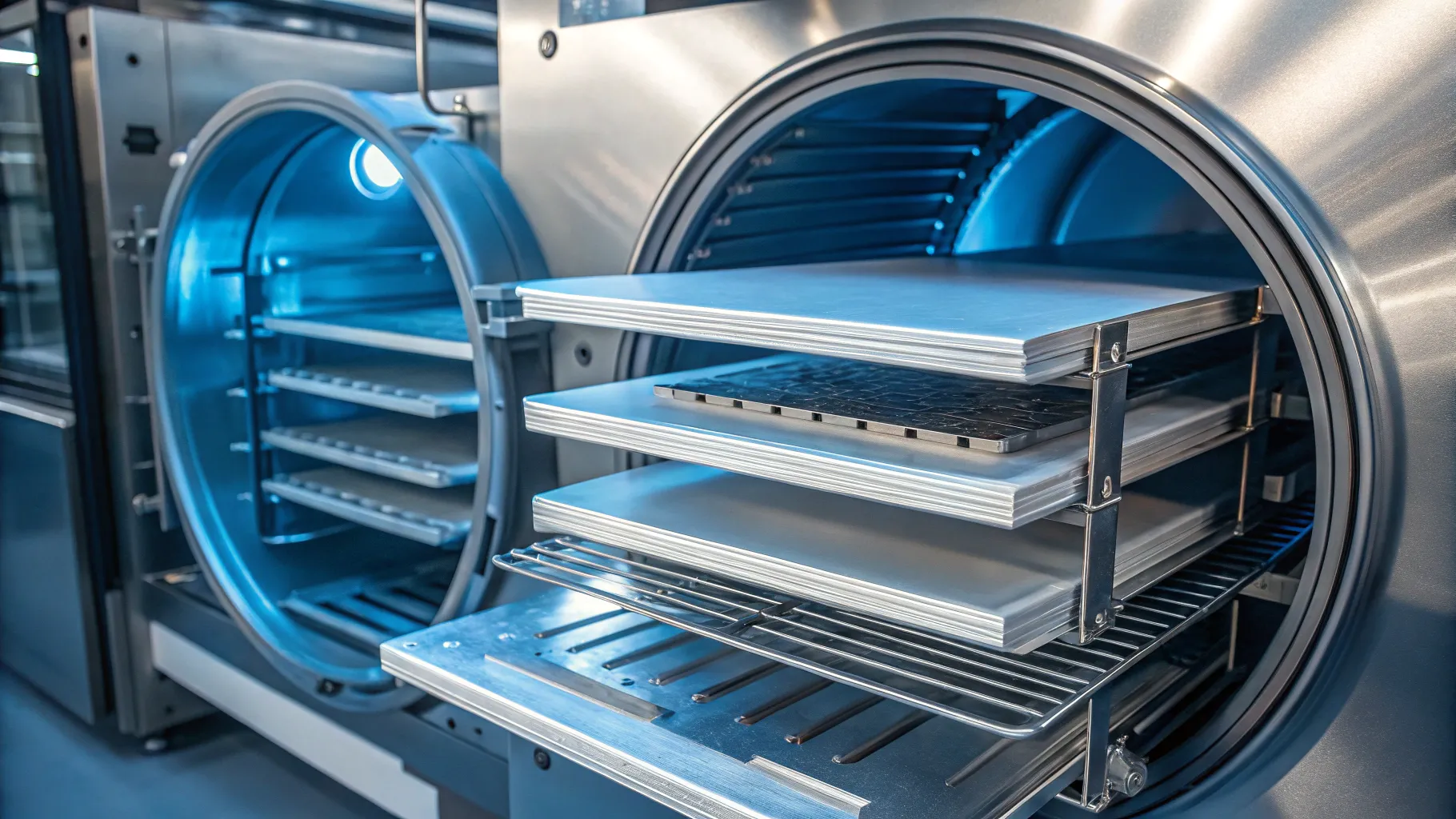
What Is Vacuum Brazing
Vacuum brazing is a joining process performed in a controlled vacuum environment, allowing metal components to be bonded without flux or oxidation. This produces clean, oxide-free joints with uniform bonding across large areas.
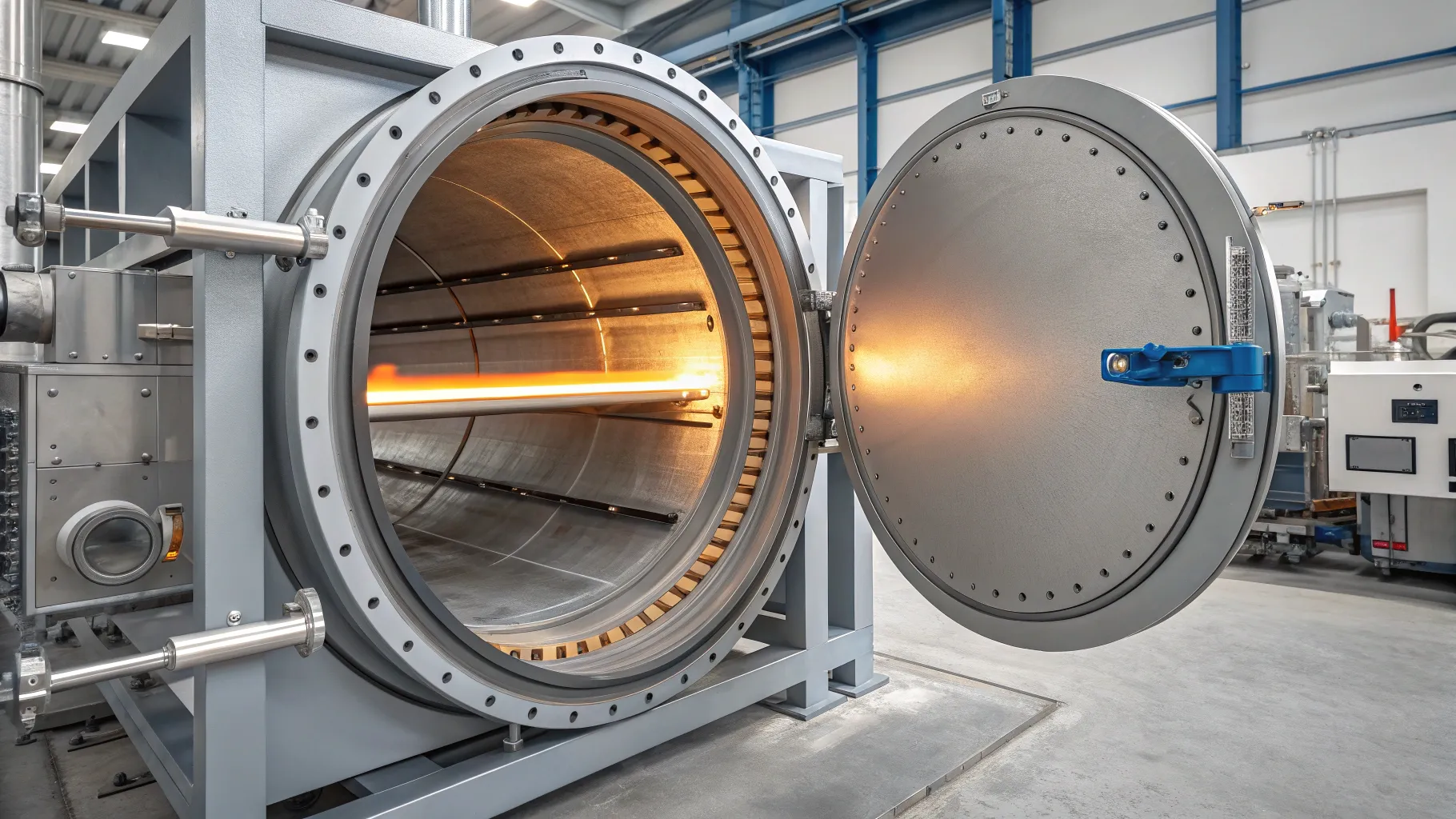
Why Vacuum Brazing Is Critical for Cooling Plates
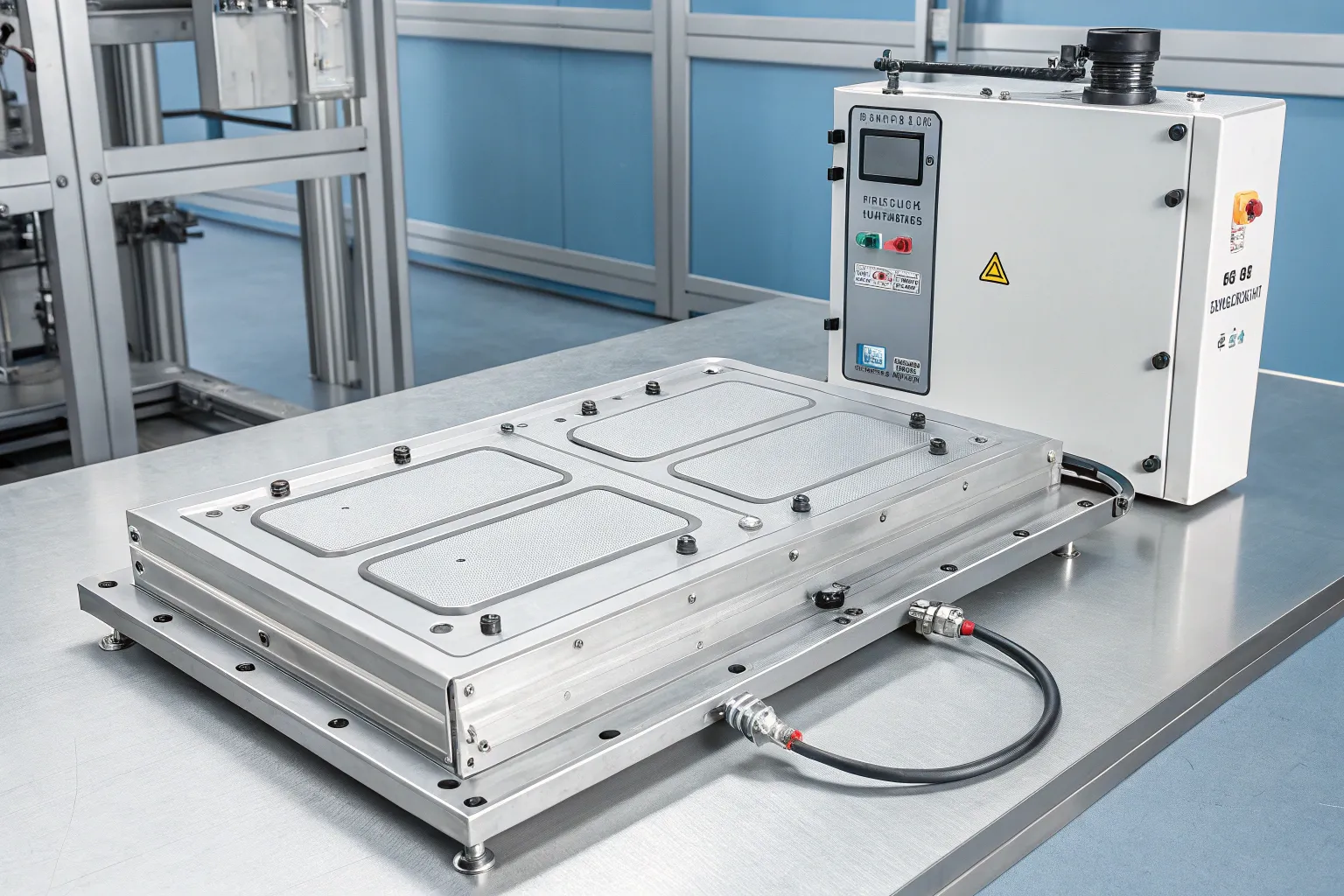
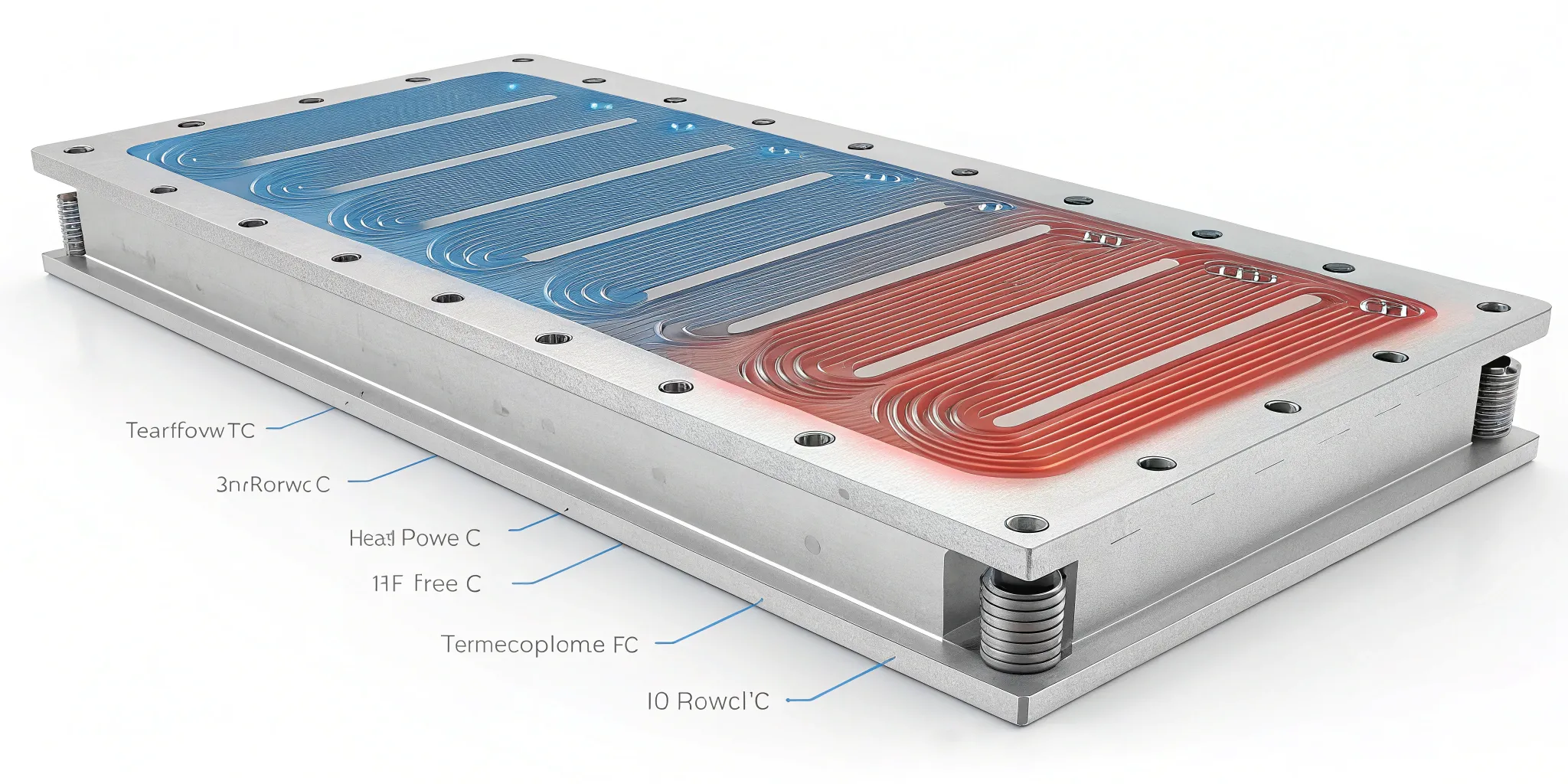
Liquid cooling plates contain internal flow channels that must remain sealed over long service life. Vacuum brazing enables reliable sealing of internal channels, uniform heat transfer paths, minimal joint contamination, and high pressure/temperature resistance.
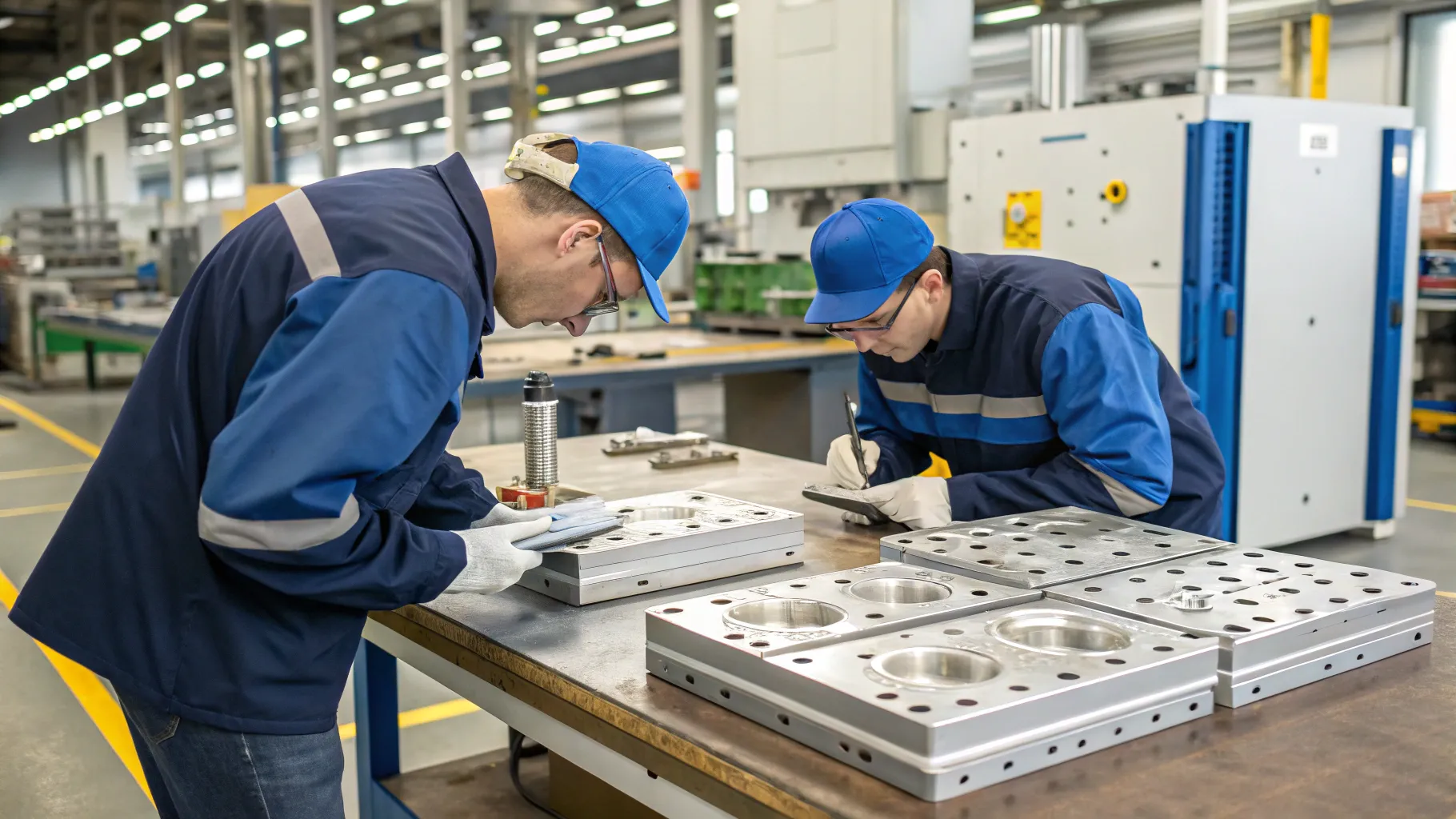
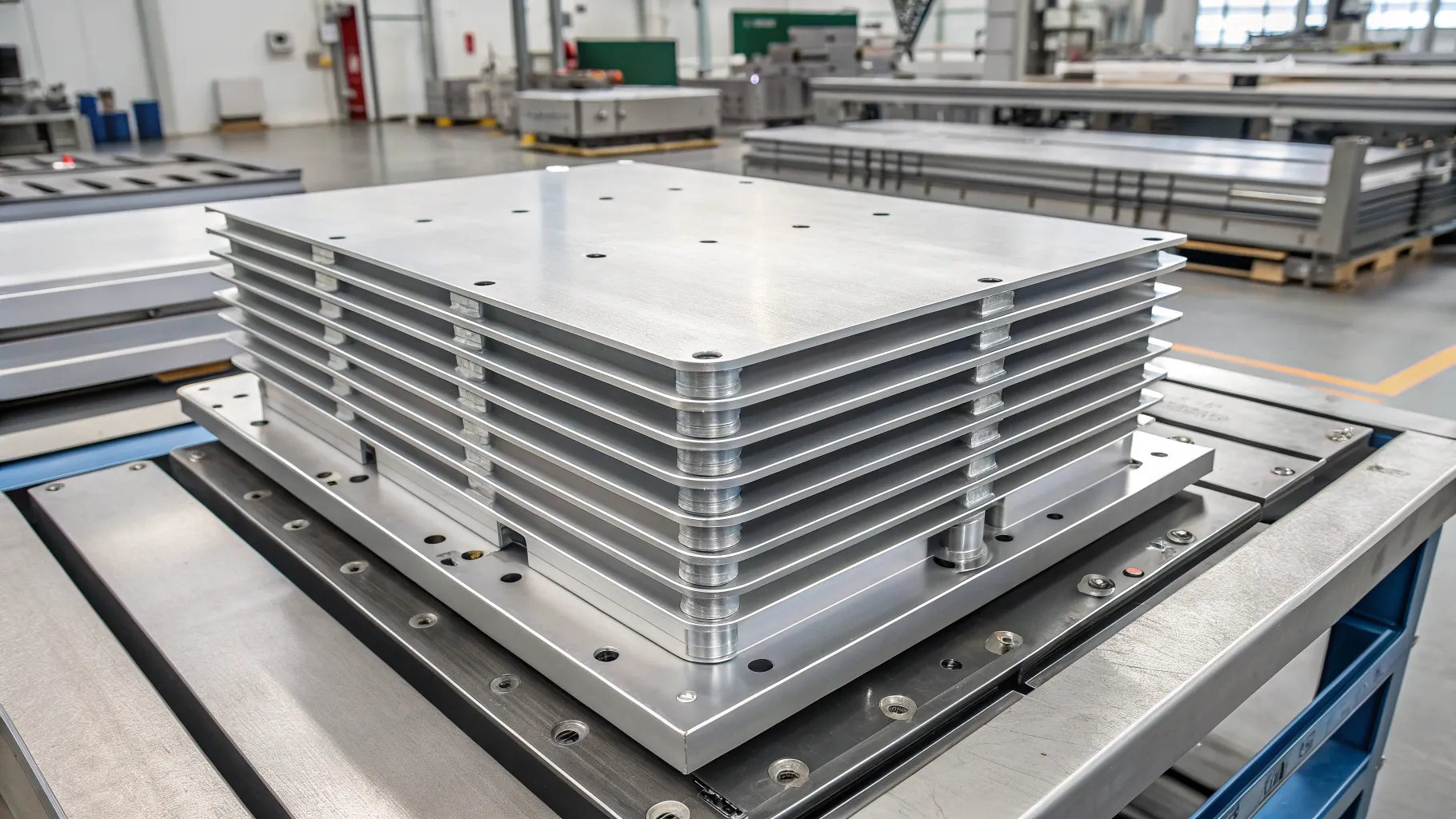
Our Role in Vacuum Brazing Manufacturing
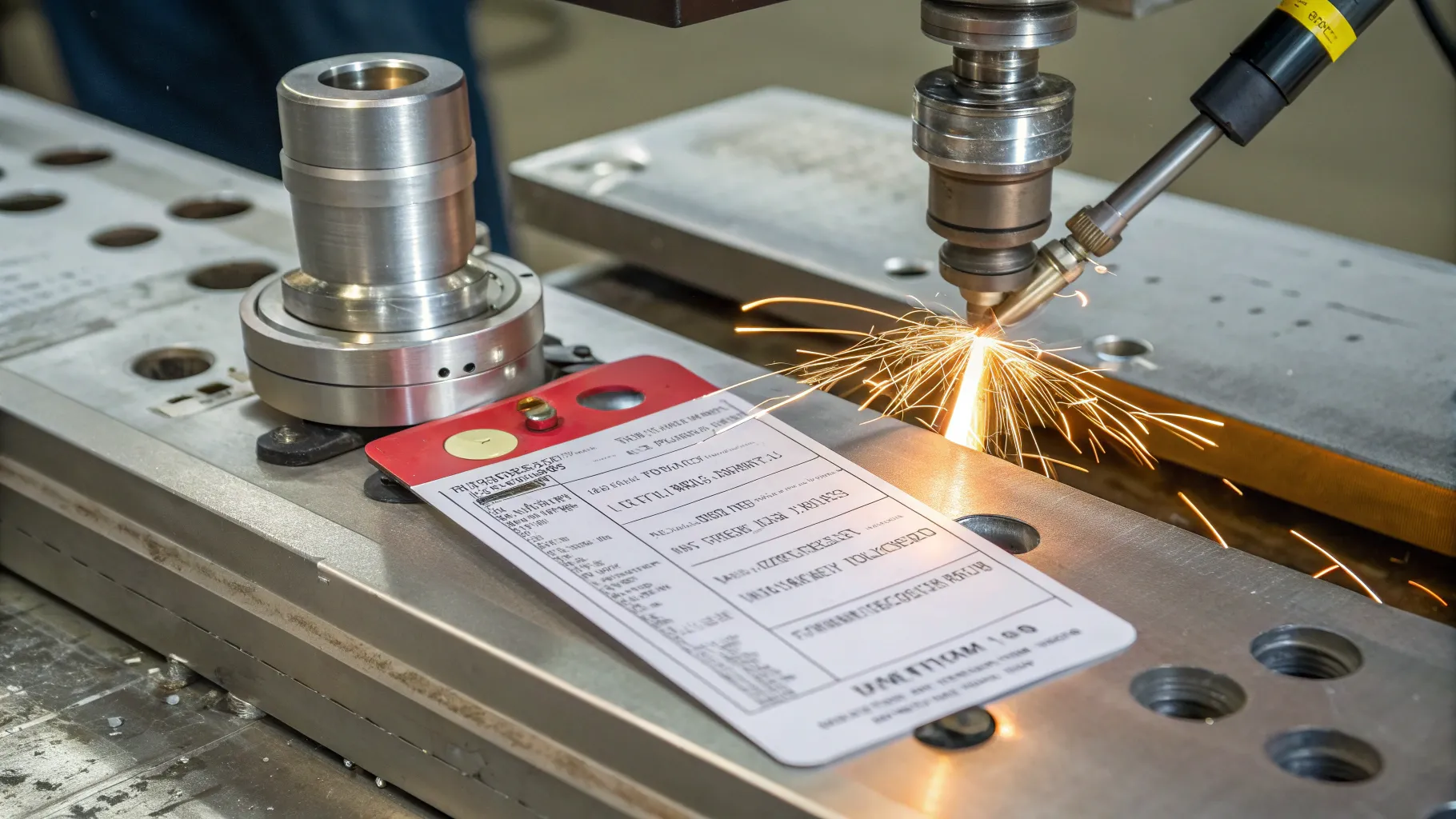
We integrate vacuum brazing as part of a complete manufacturing workflow, not as an isolated step. Our role includes design-for-brazing evaluation, process parameter control, integration with machining and testing, and production consistency management.
Typical Products Manufactured by Vacuum Brazing
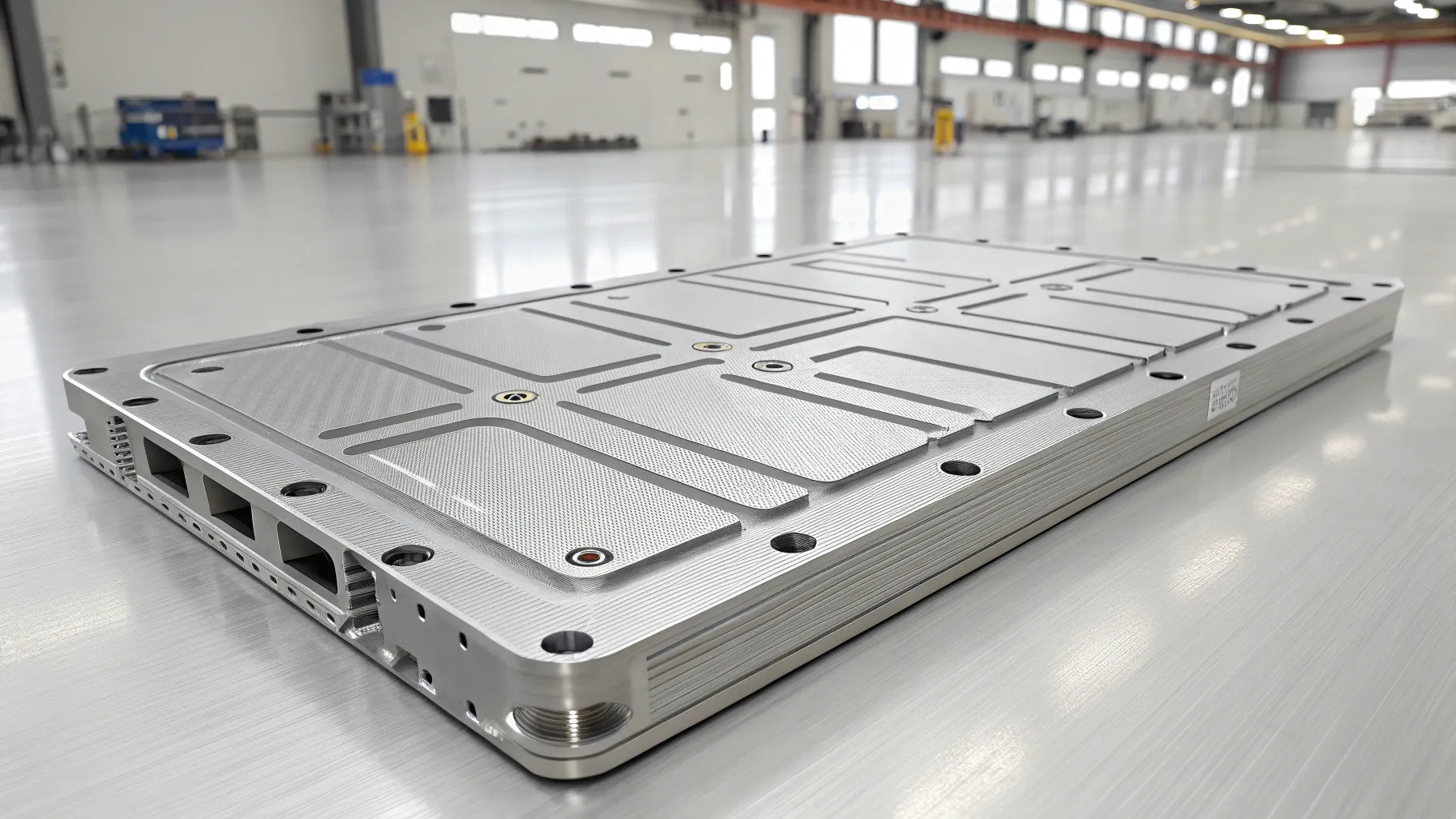
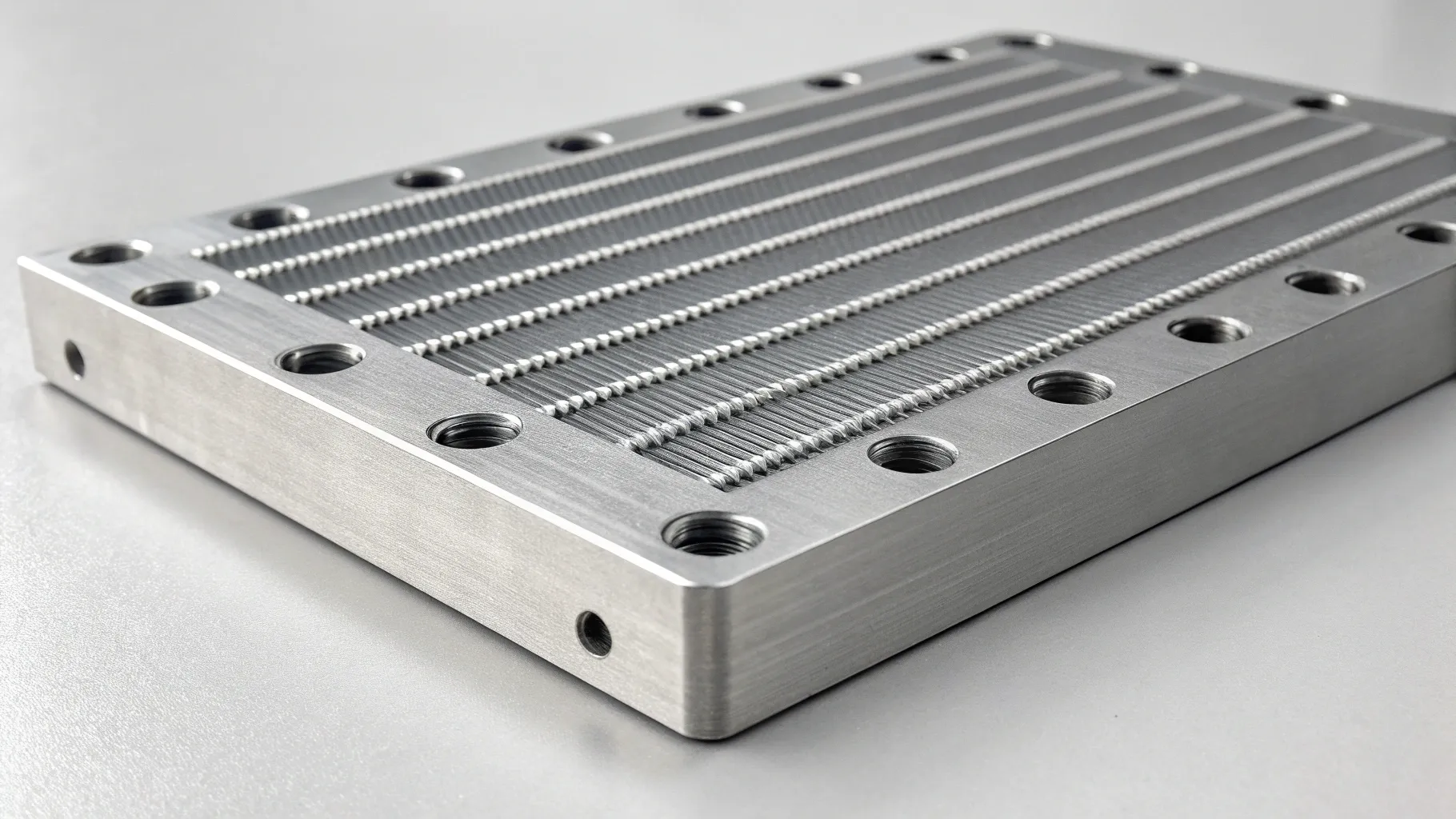
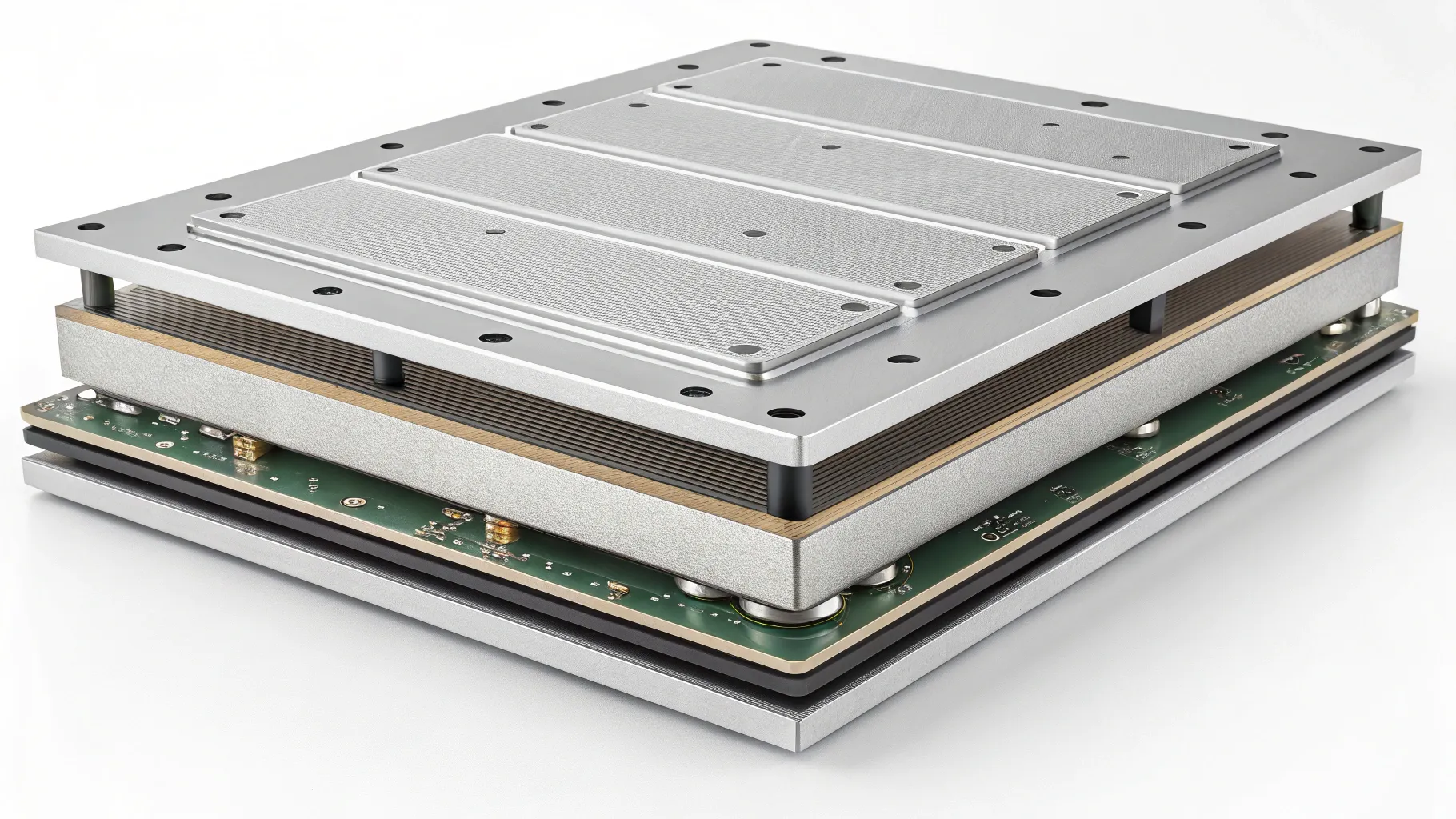
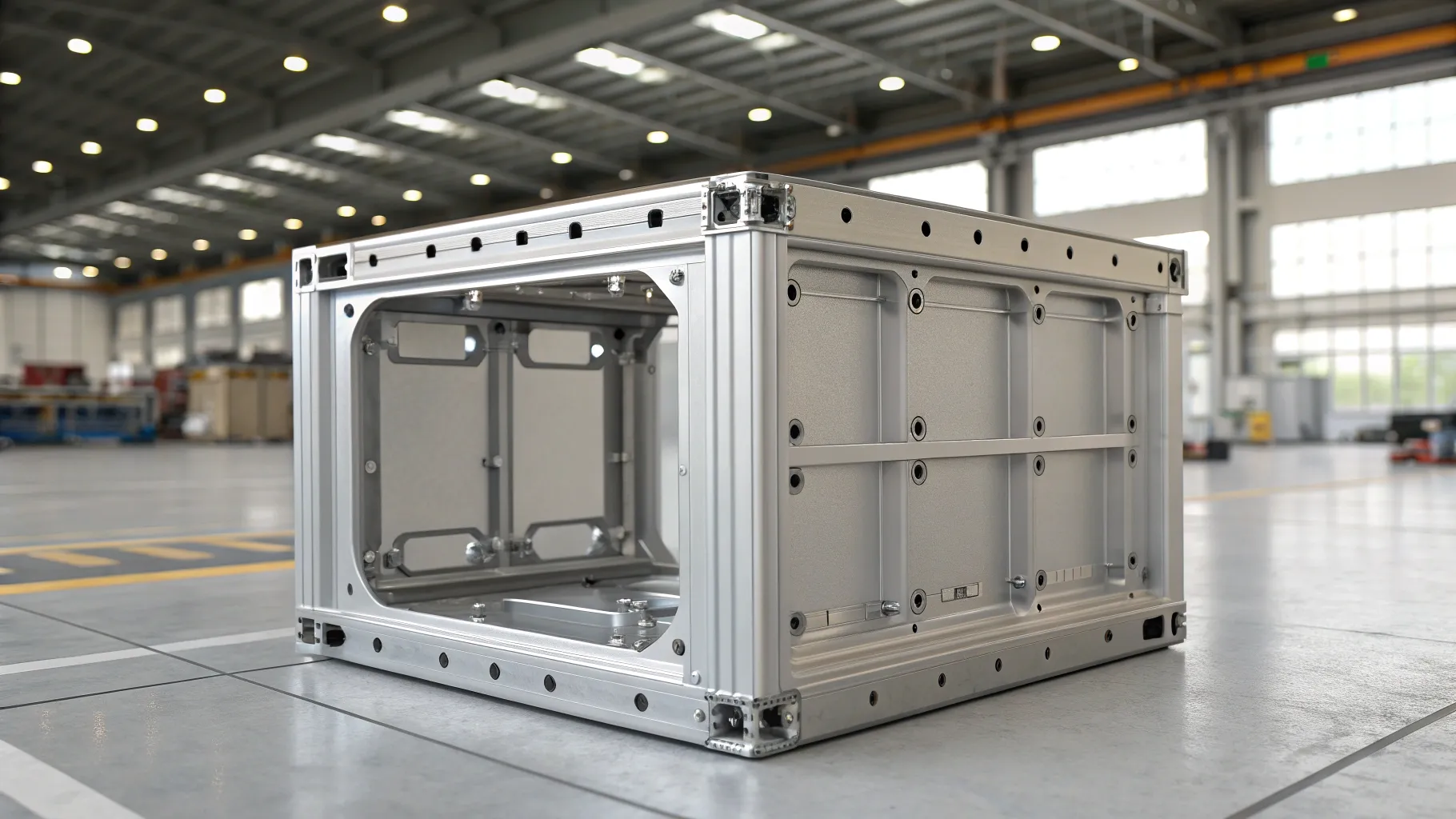
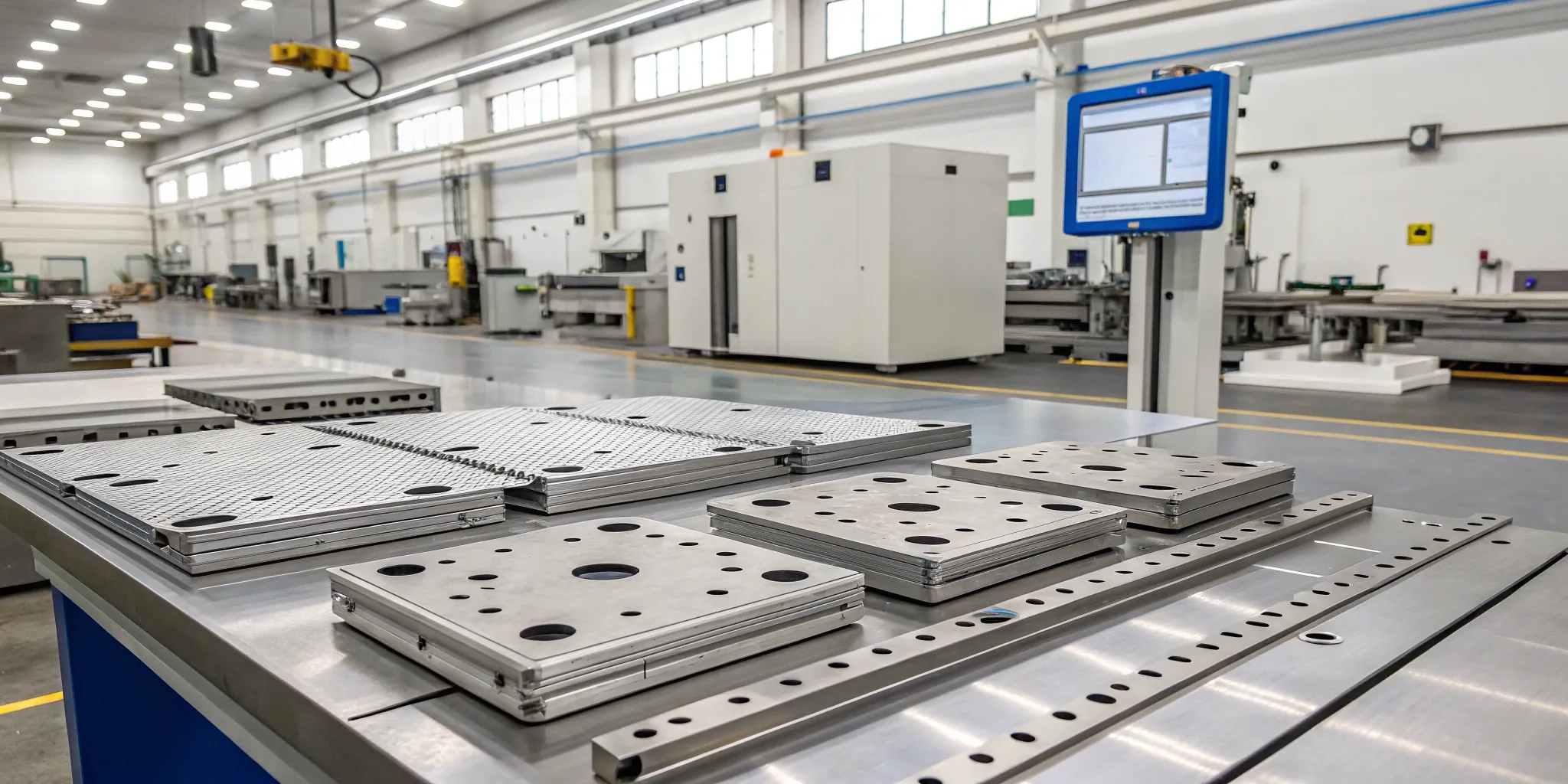
Vacuum brazing is commonly applied to aluminum liquid cooling plates, micro-channel cold plates, multi-layer thermal plates, and sealed aluminum assemblies requiring both precision and sealing reliability.
Materials Suitable for Vacuum Brazing
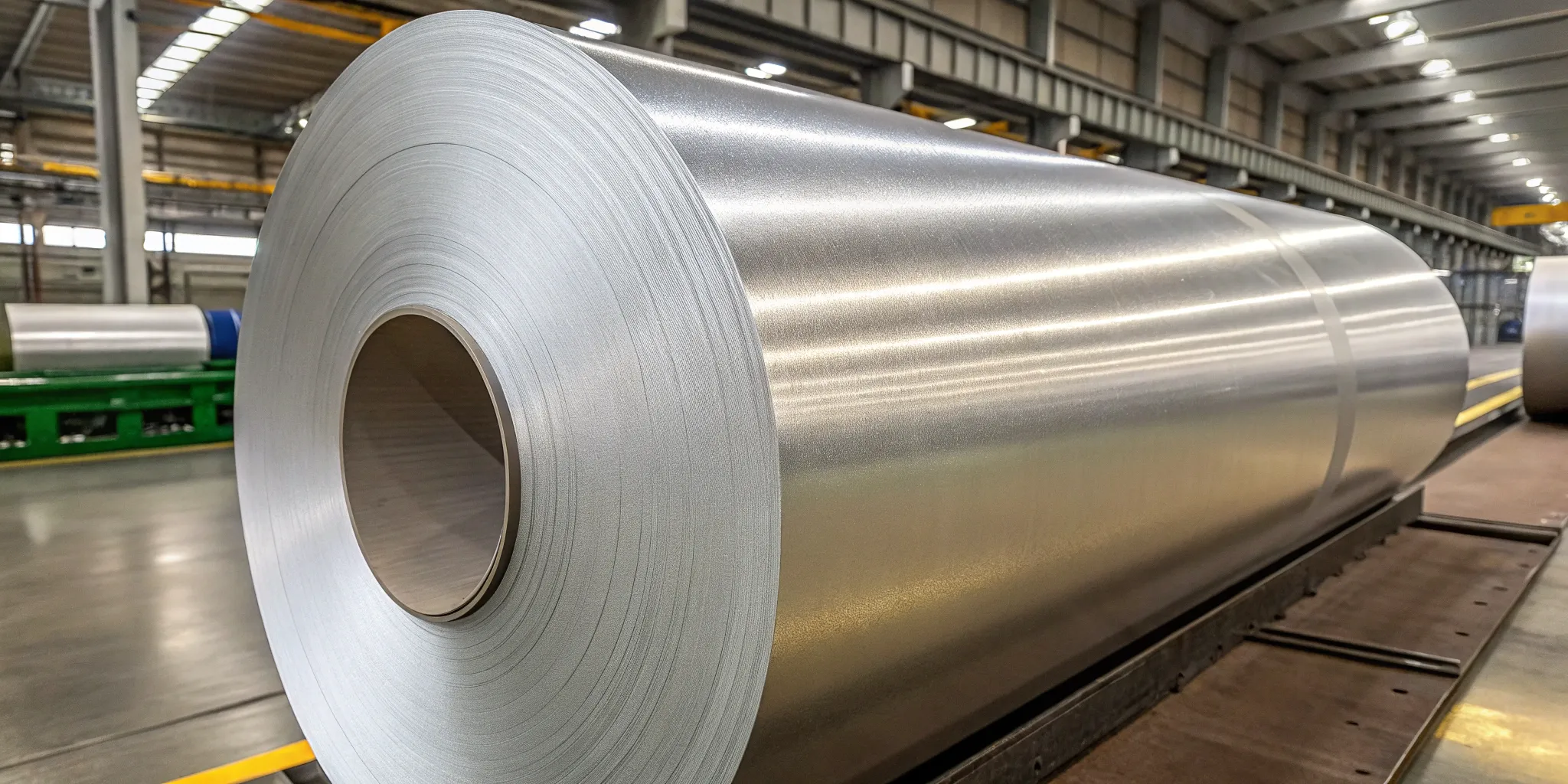
We support vacuum brazing for aluminum alloys commonly used in cooling plates, multi-layer aluminum structures, and compatible brazing filler materials. Material selection is critical for joint strength and long-term reliability.
Design Considerations for Vacuum Brazing
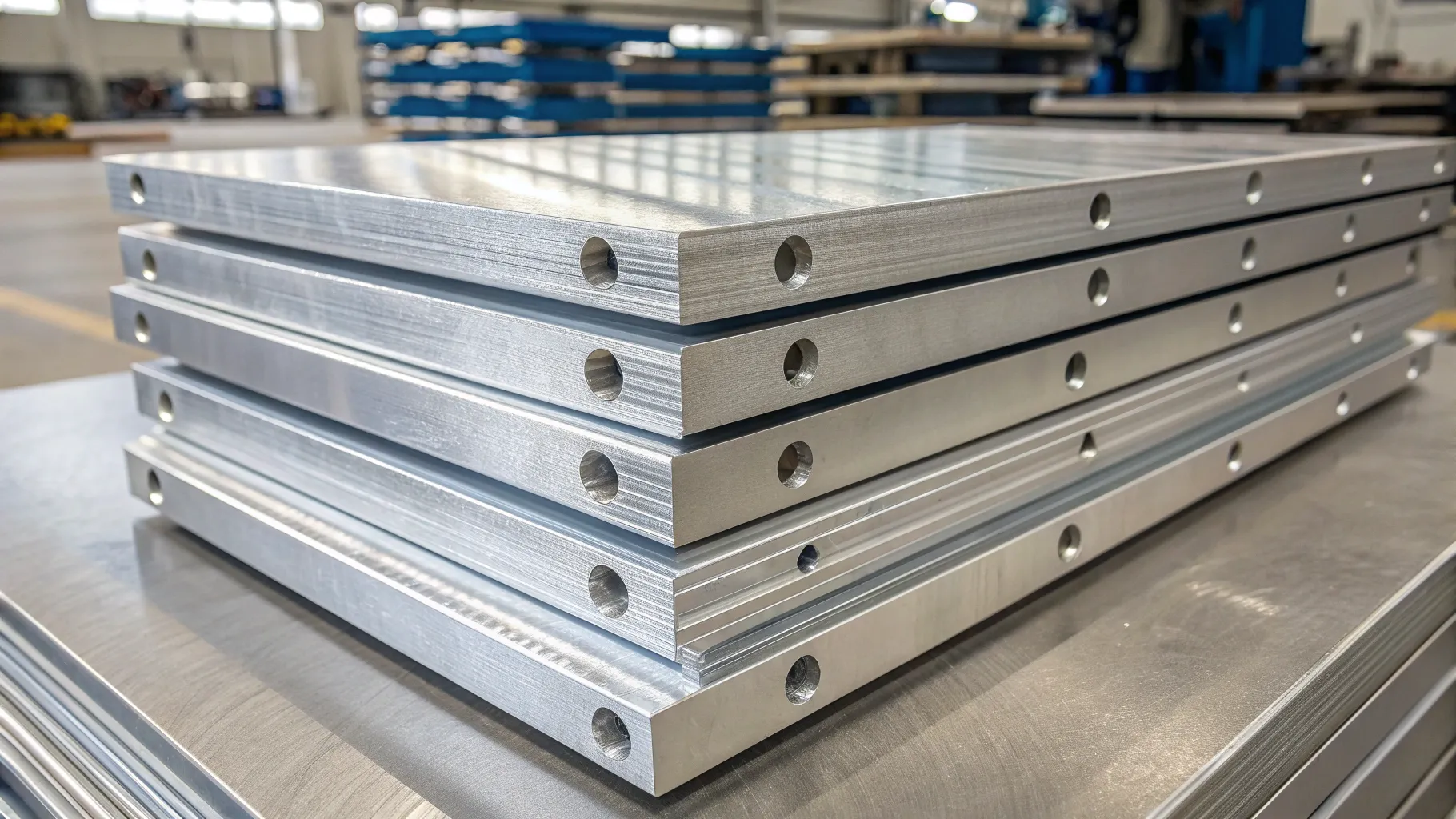
Successful vacuum brazing starts at the design stage. Key considerations include channel geometry and wall thickness, joint gap control, uniform heating requirements, and avoidance of trapped volumes.
Good design reduces trapped voids and uneven heating risk, improving batch consistency and reducing rework.
Machining Preparation Before Brazing
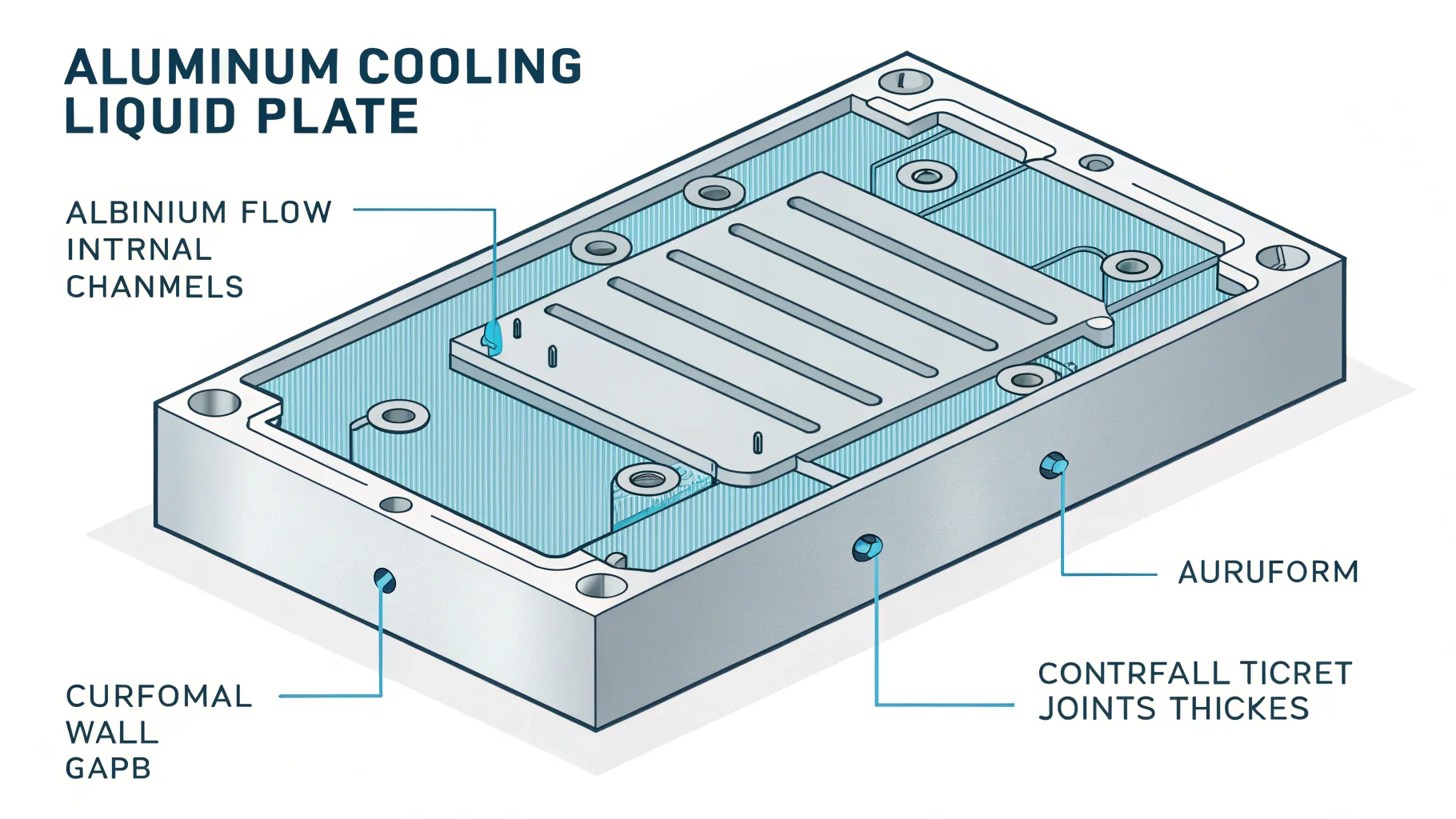
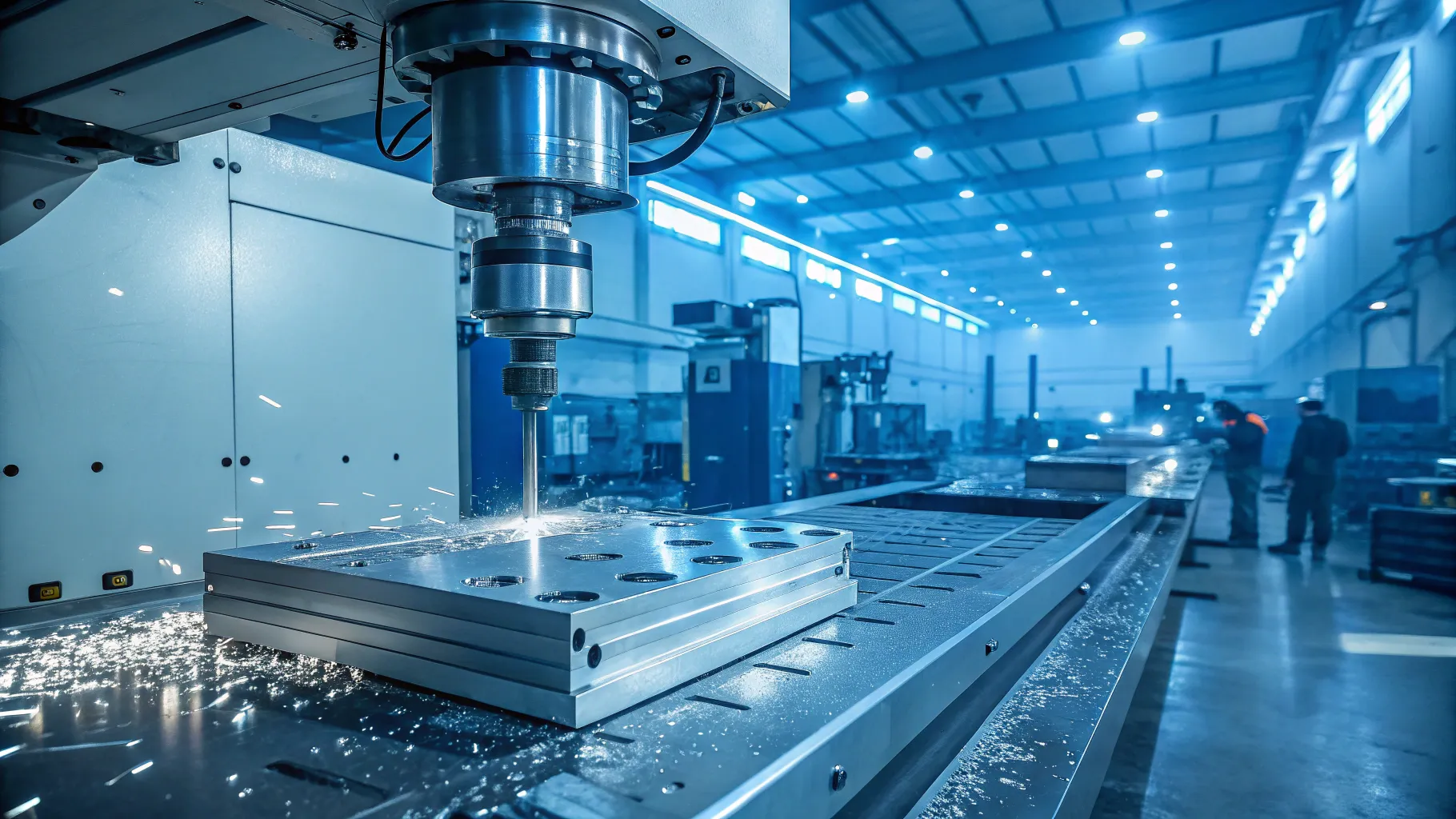
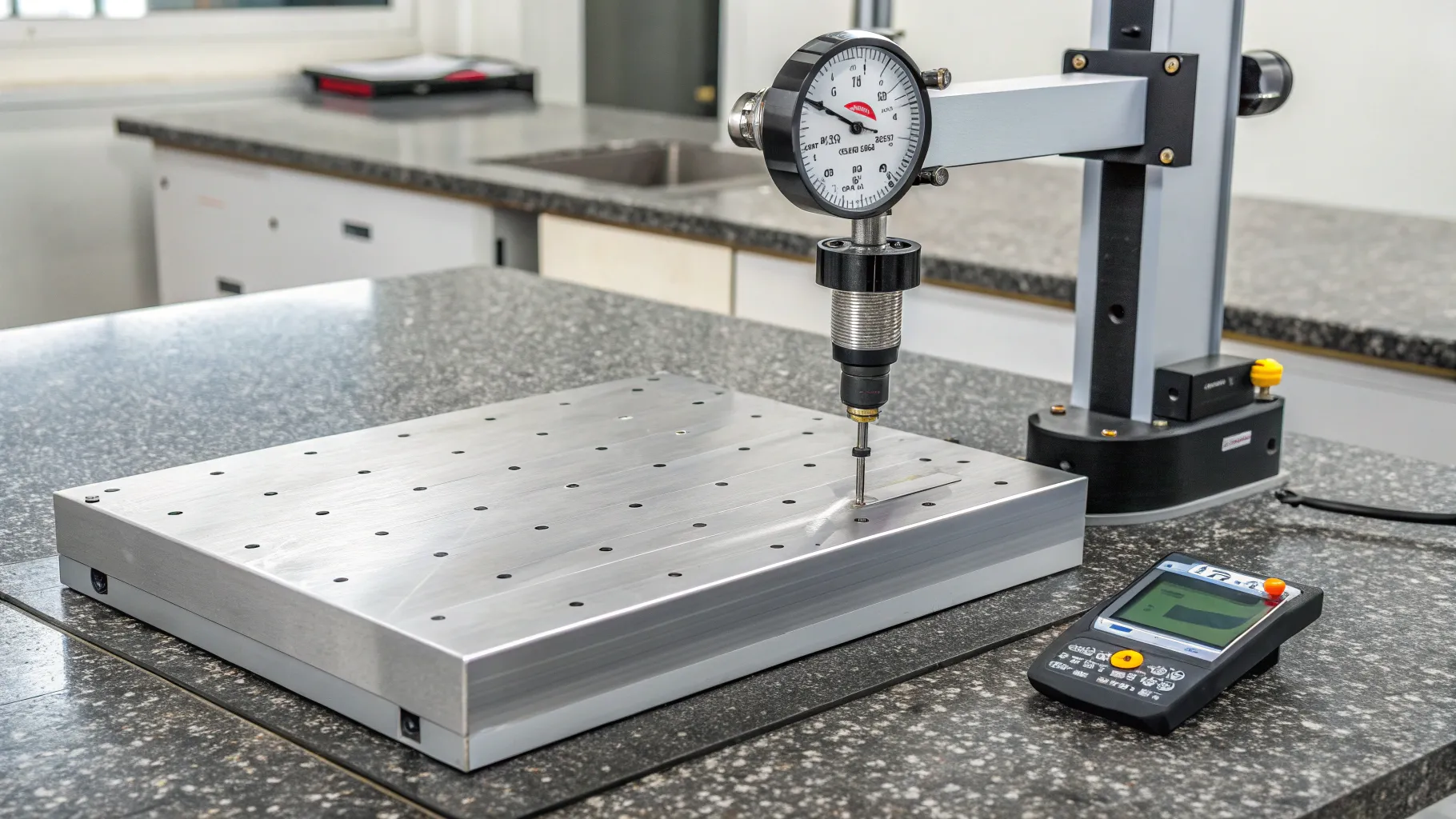
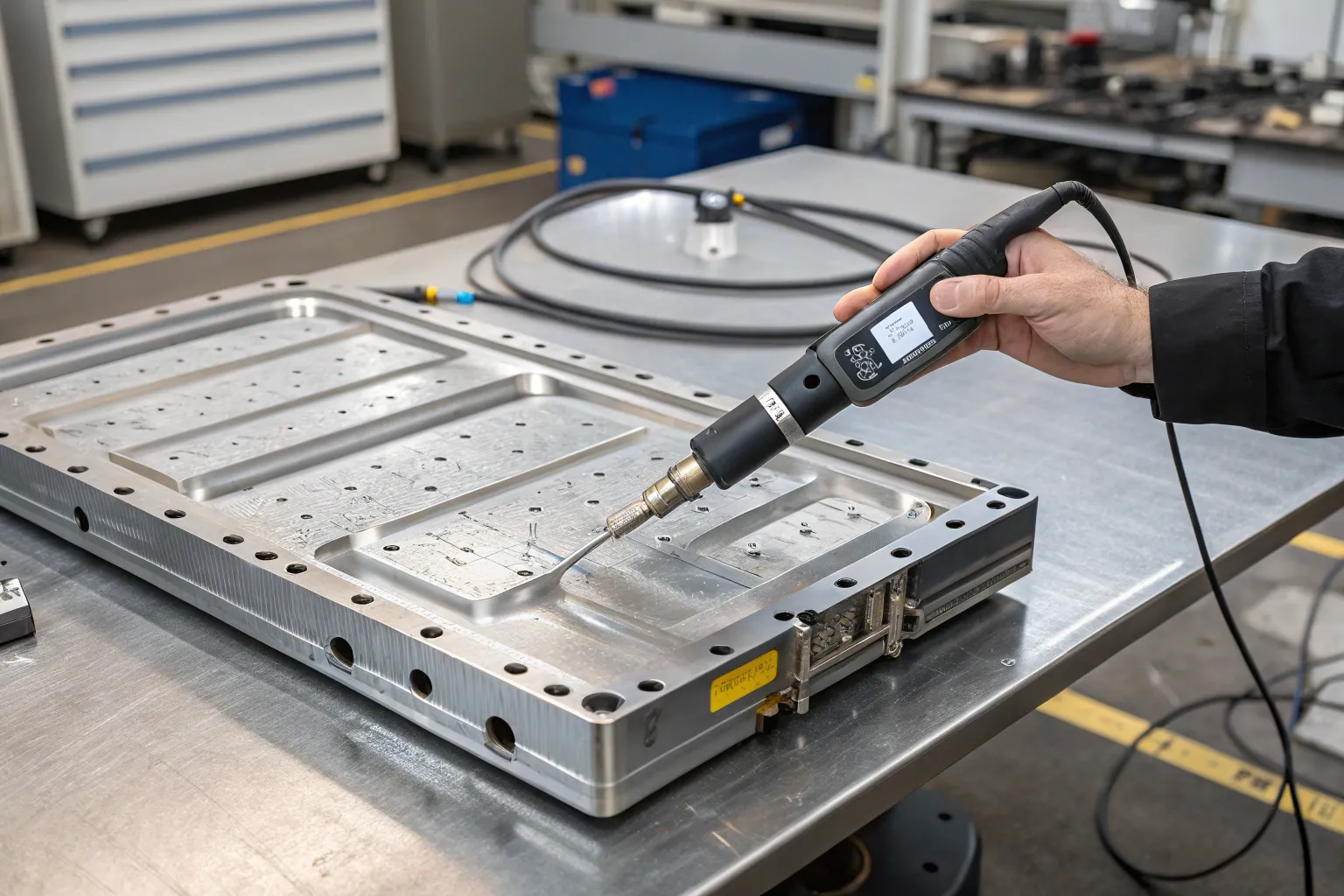
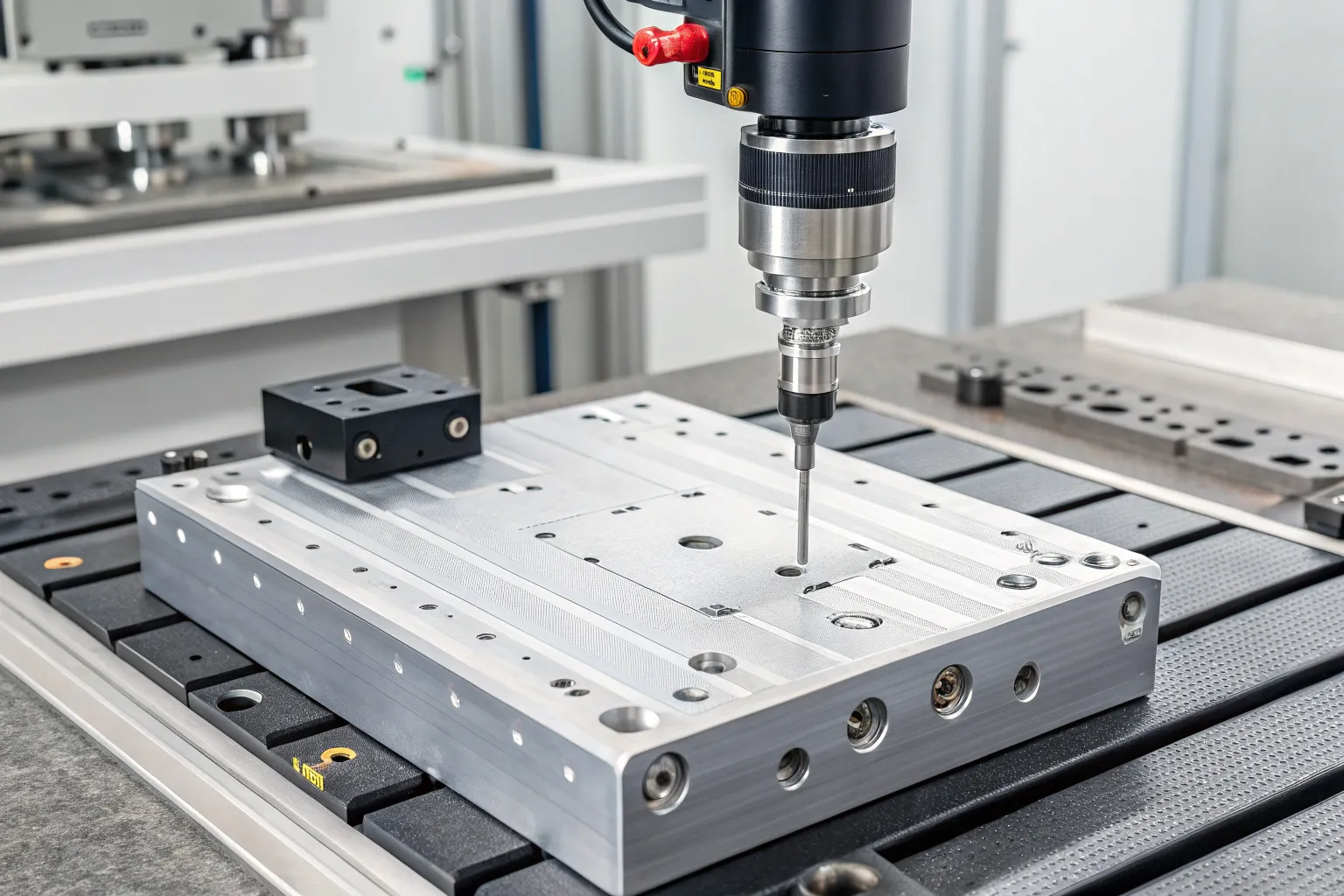
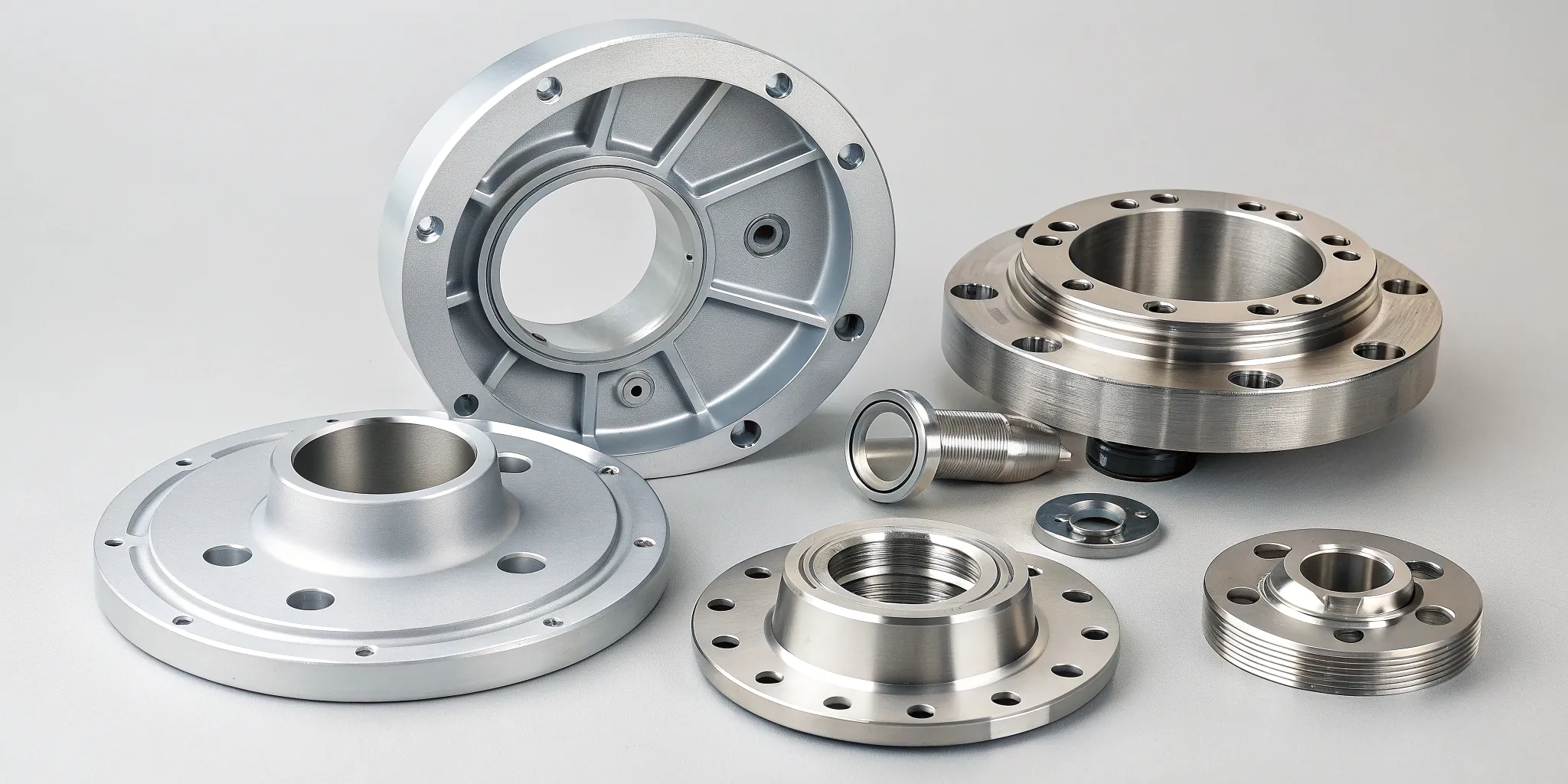
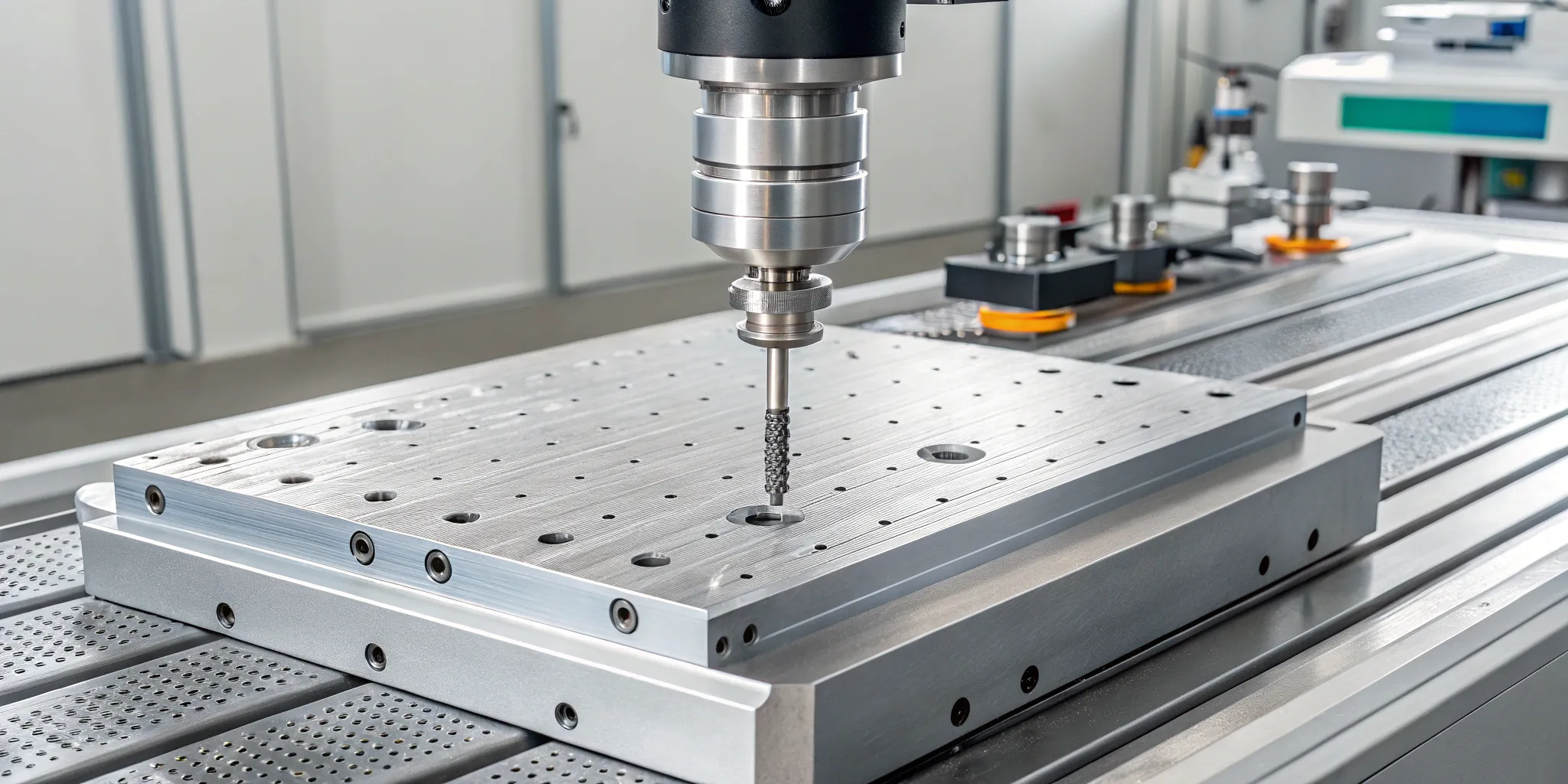
Precision machining is essential before brazing. We ensure flatness and surface finish control, accurate channel geometry, clean joint interfaces, and dimensional stability after machining—directly impacting brazing quality.
Vacuum Furnace Process Control
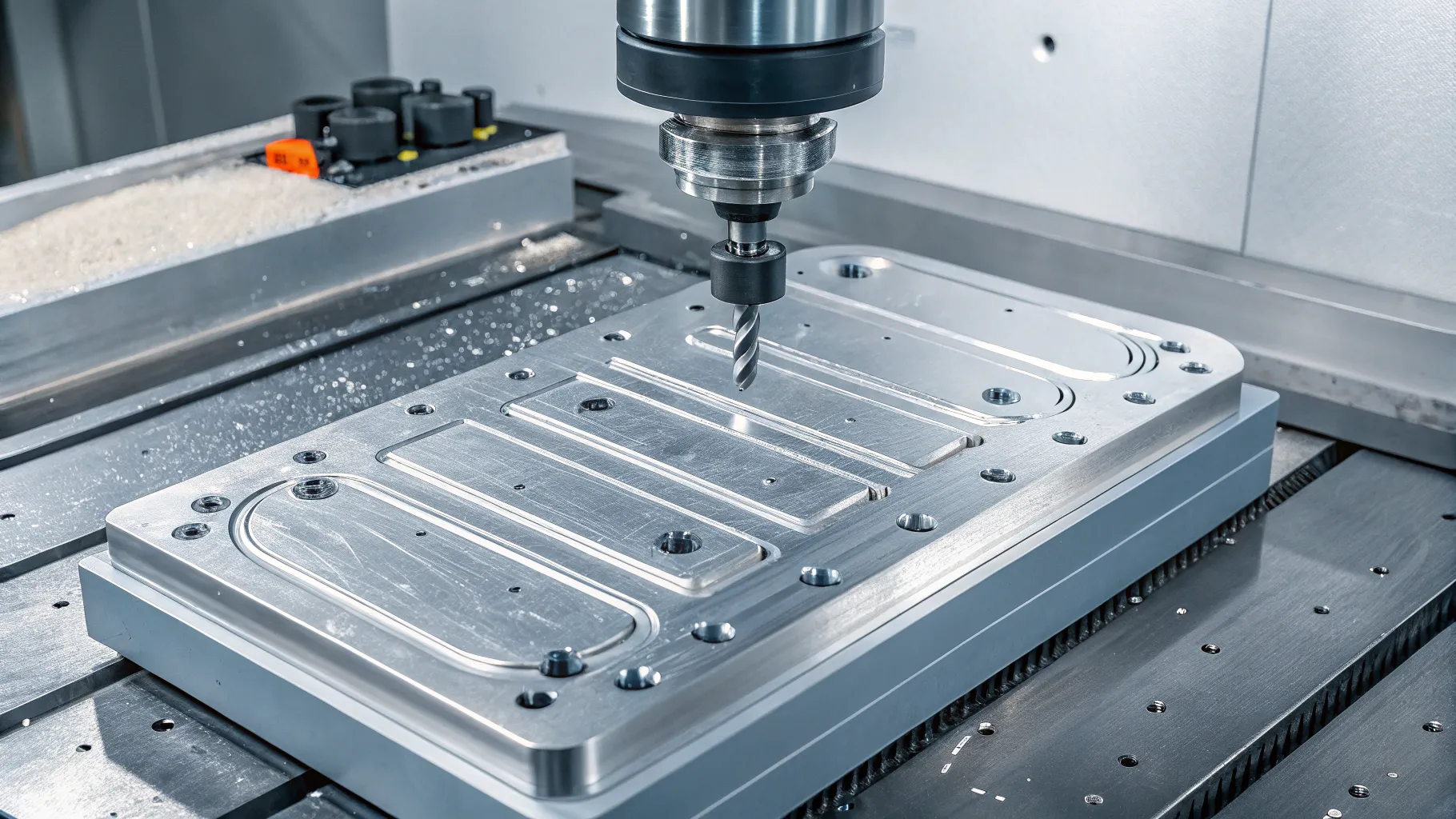
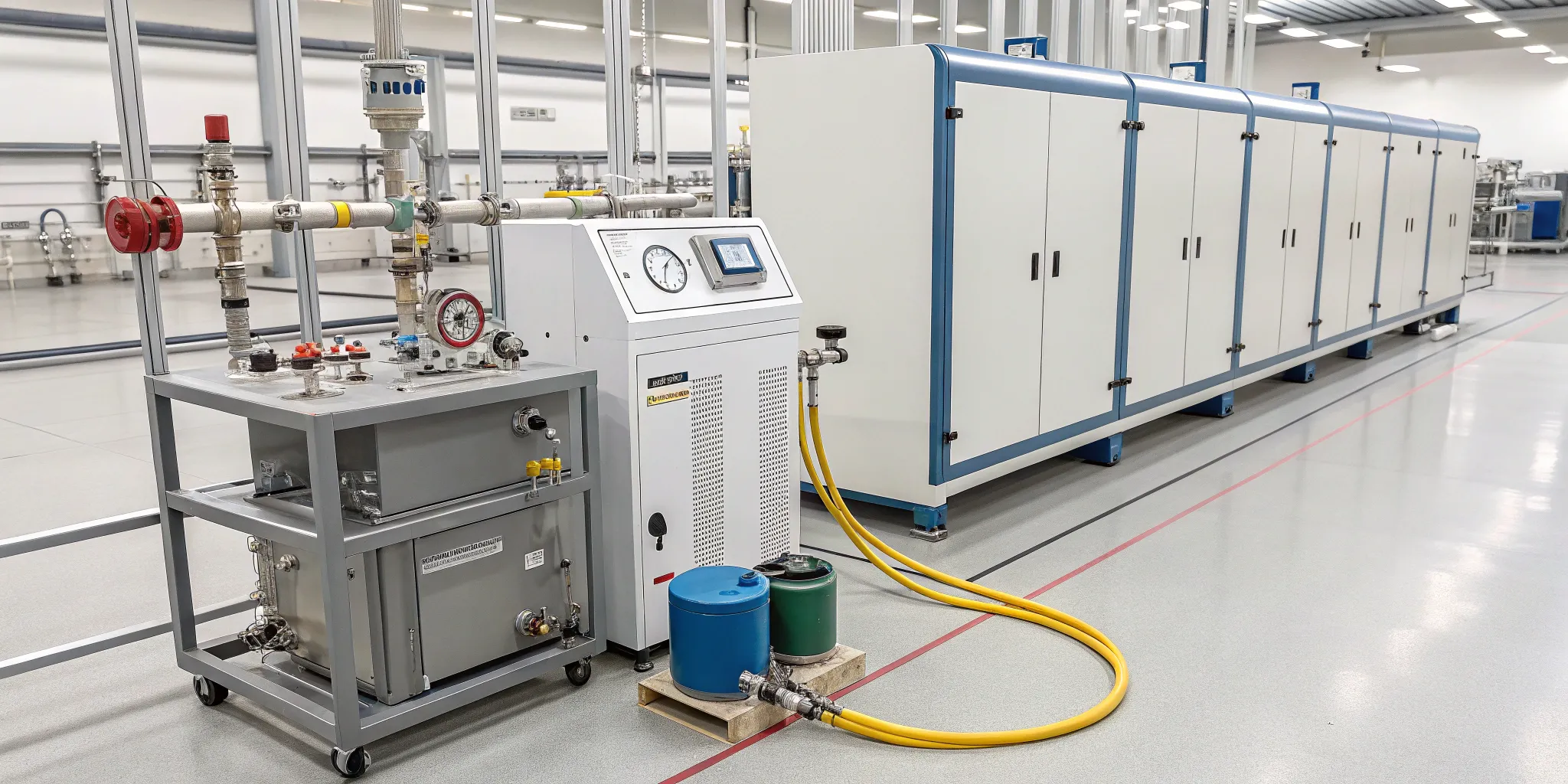
Vacuum brazing is performed under tightly controlled conditions. We manage vacuum level/atmosphere, heating and cooling profiles, temperature uniformity, and process repeatability for consistent outcomes.
Stable furnace control reduces variation, improves yield, and supports scalable manufacturing.
Structural Integrity of Brazed Joints
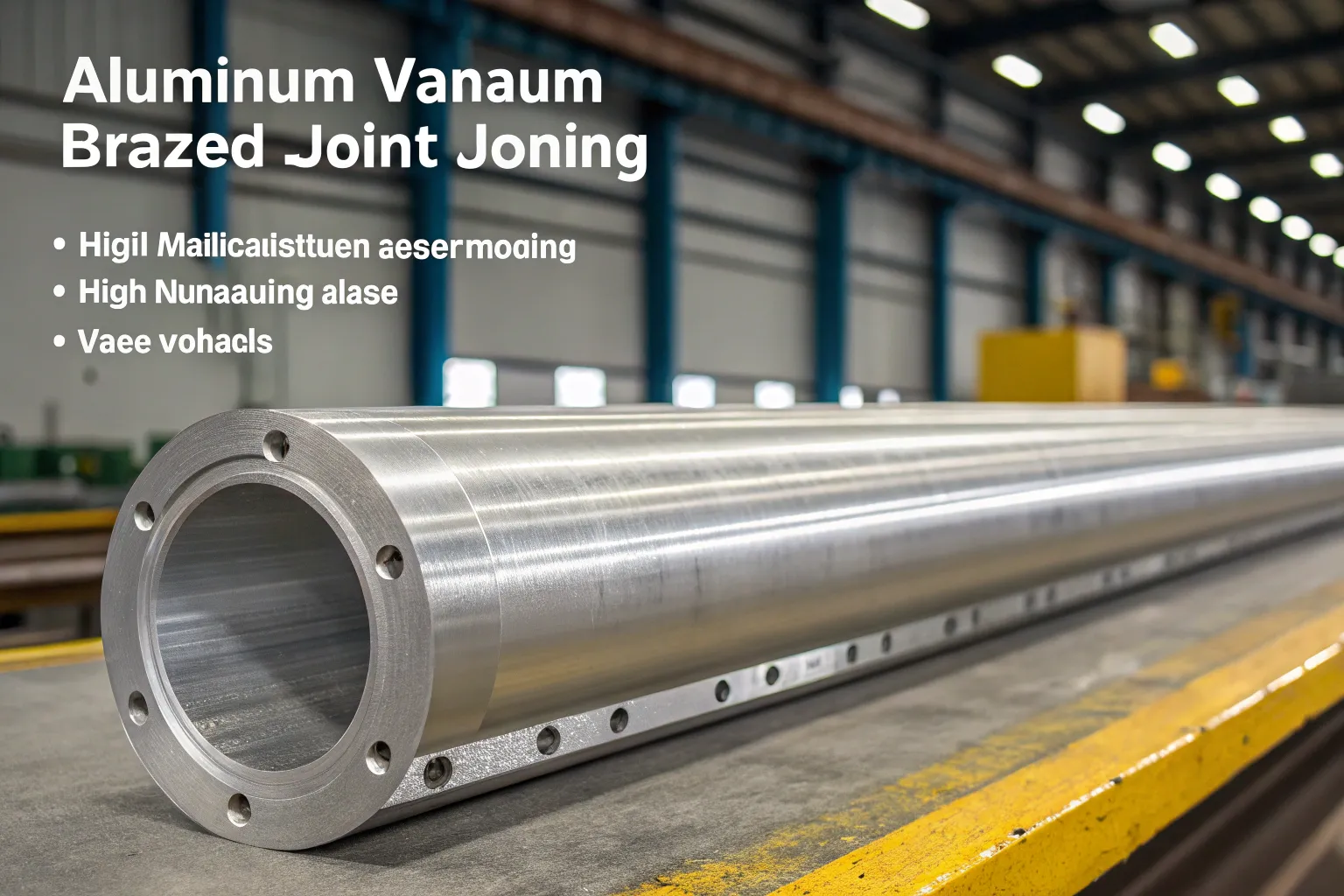
Vacuum-brazed joints provide strong metallurgical bonding, uniform joint strength, and resistance to vibration and fatigue, making vacuum brazing suitable for automotive and industrial thermal management applications.
Leak-Tight Performance and Validation
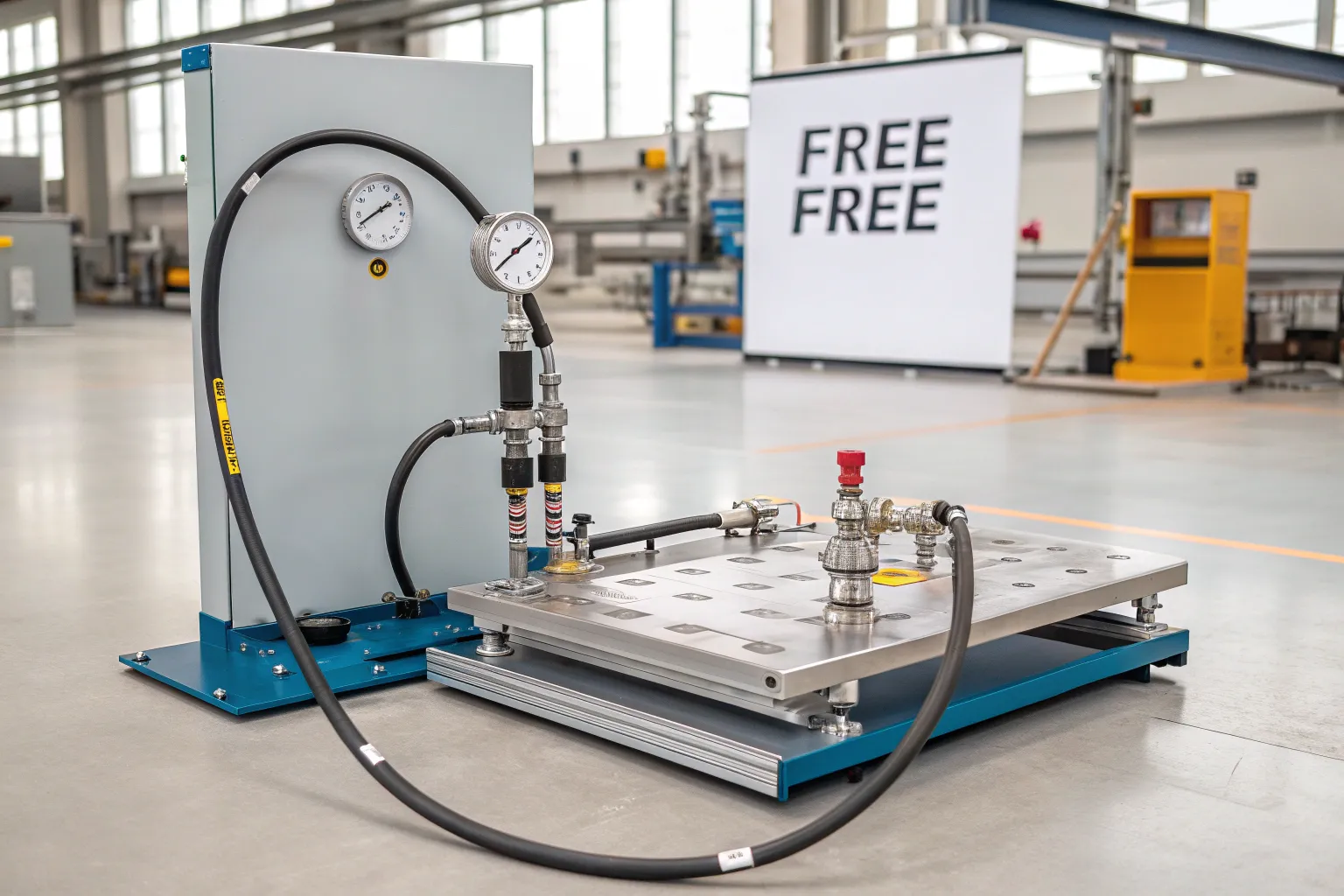
Sealing reliability is critical for cooling plates. Vacuum-brazed components are typically verified by helium leak testing, pressure testing, and visual/dimensional inspection—validated before delivery.
Thermal Performance Advantages
Vacuum brazing creates excellent thermal paths. Benefits include low thermal resistance at joints, uniform heat distribution, and stable performance under thermal cycling—critical for battery and power electronics cooling.
Integration with Surface Treatment
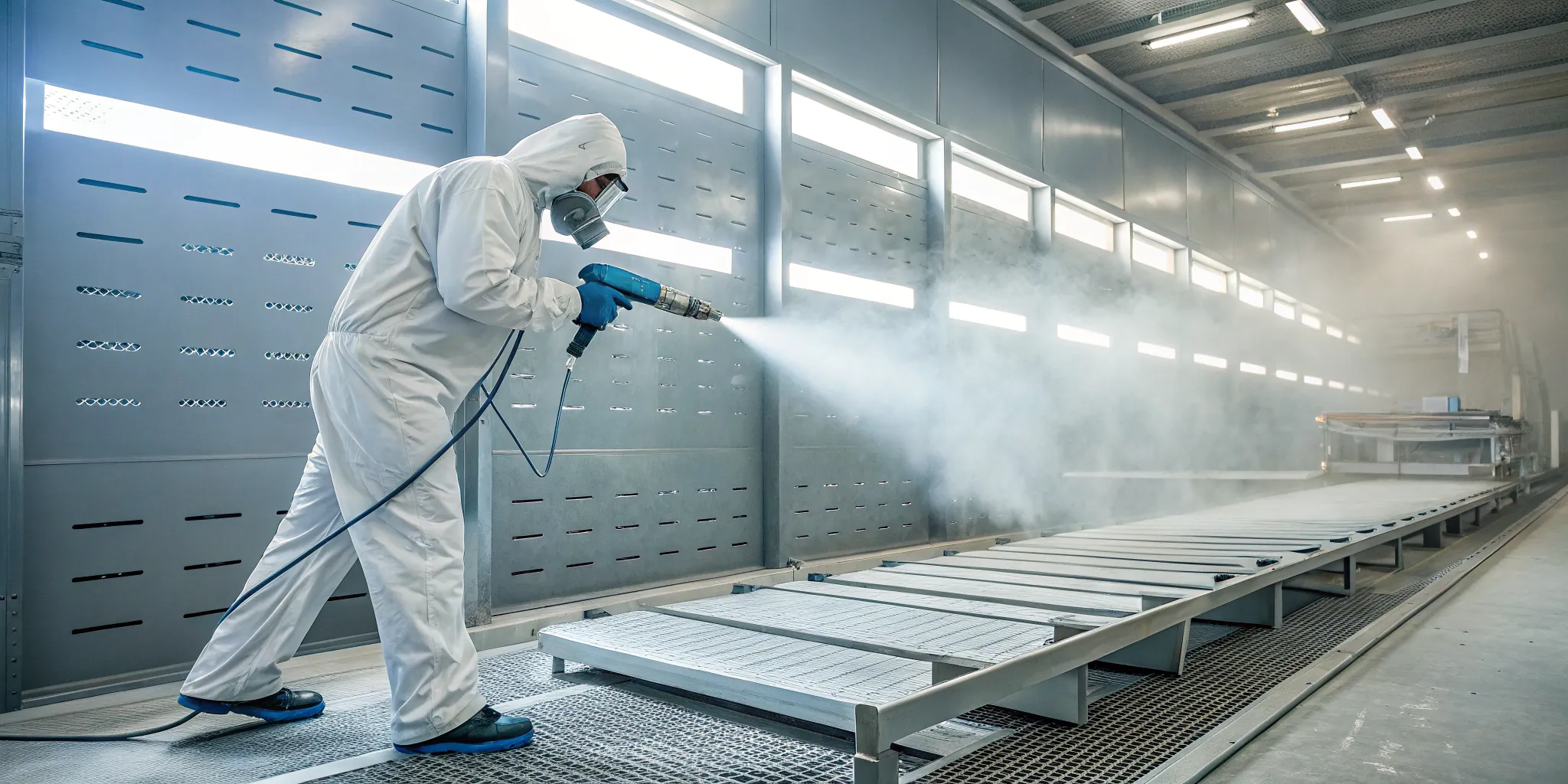
After brazing, surface treatment may be required. We ensure compatibility with anodizing, protective coatings, and corrosion-resistant finishes—selected to avoid compromising brazed joints.
Quality Control and Inspection
Quality control is applied throughout the brazing process. Typical inspections include dimensional checks, joint integrity evaluation, leak testing results, and process traceability records—supporting production-grade quality.
Prototype and Pilot Production Support
We support vacuum brazing from early development: prototype brazed samples, pilot production runs, process optimization feedback, yield and risk assessment.
Mass Production Readiness
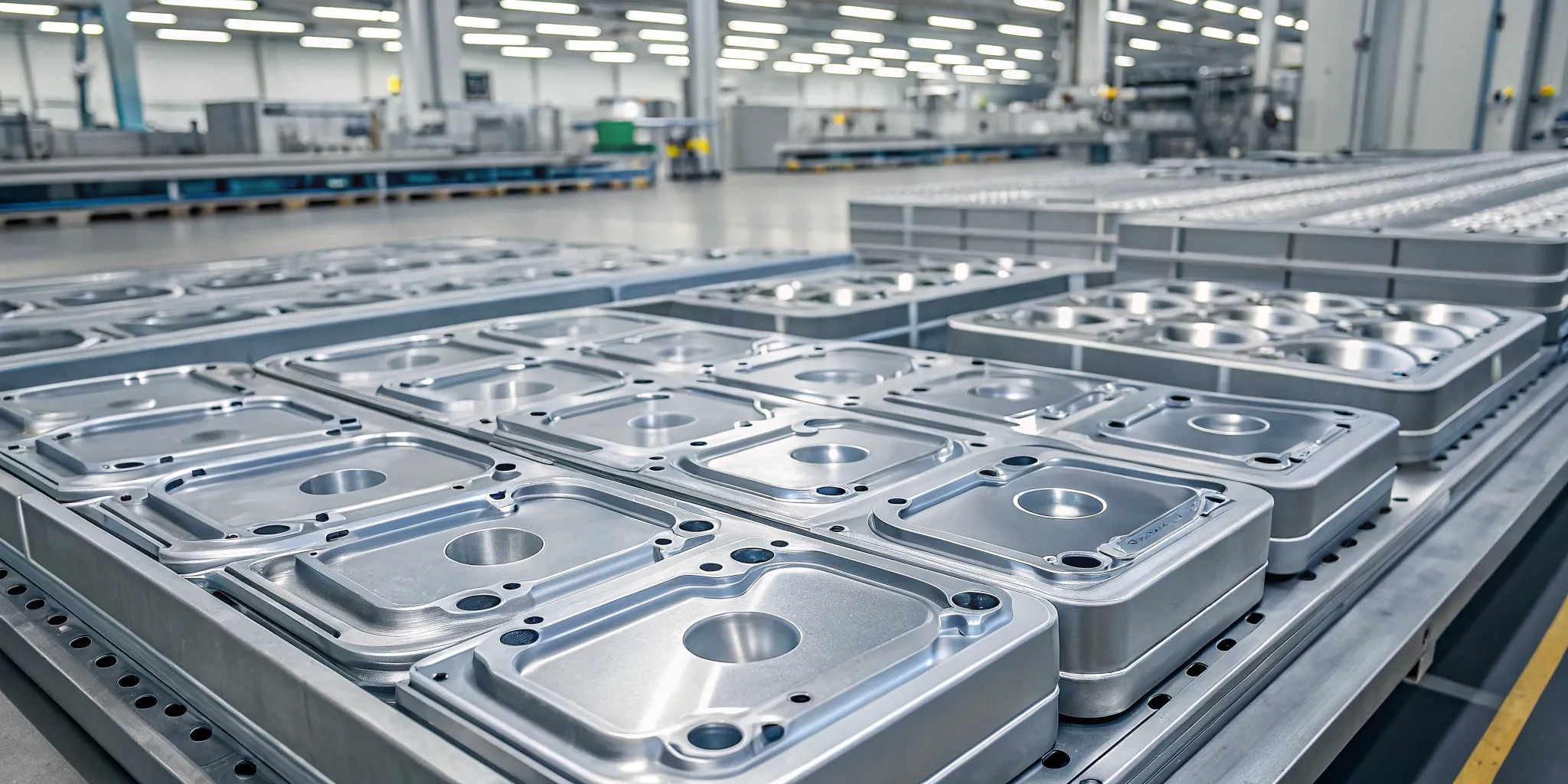
Vacuum brazing processes are designed for scalability. We support stable batch production, consistent quality across volumes, and capacity planning for series production—ensuring long-term supply reliability.
Typical Application Scenarios
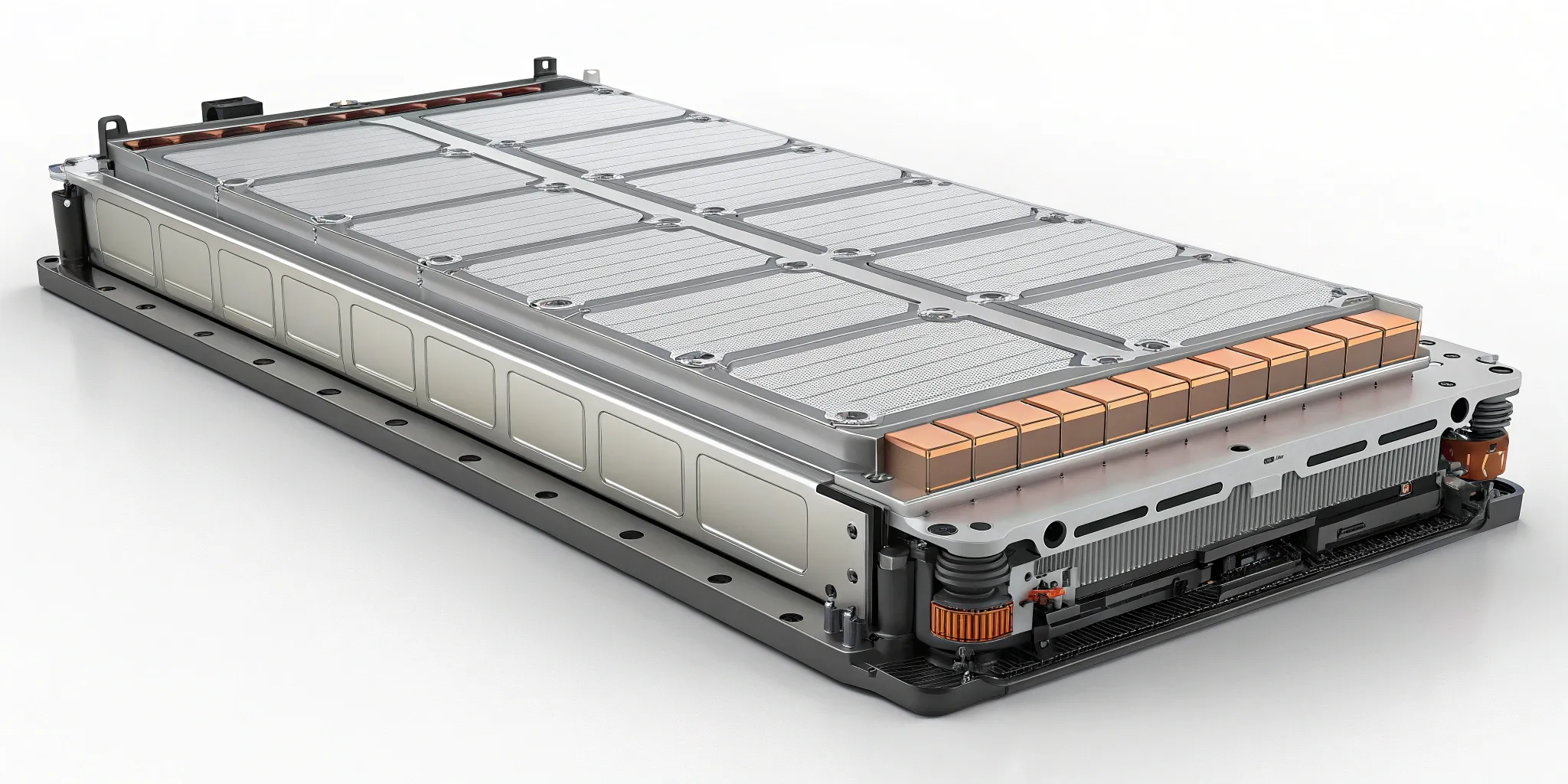
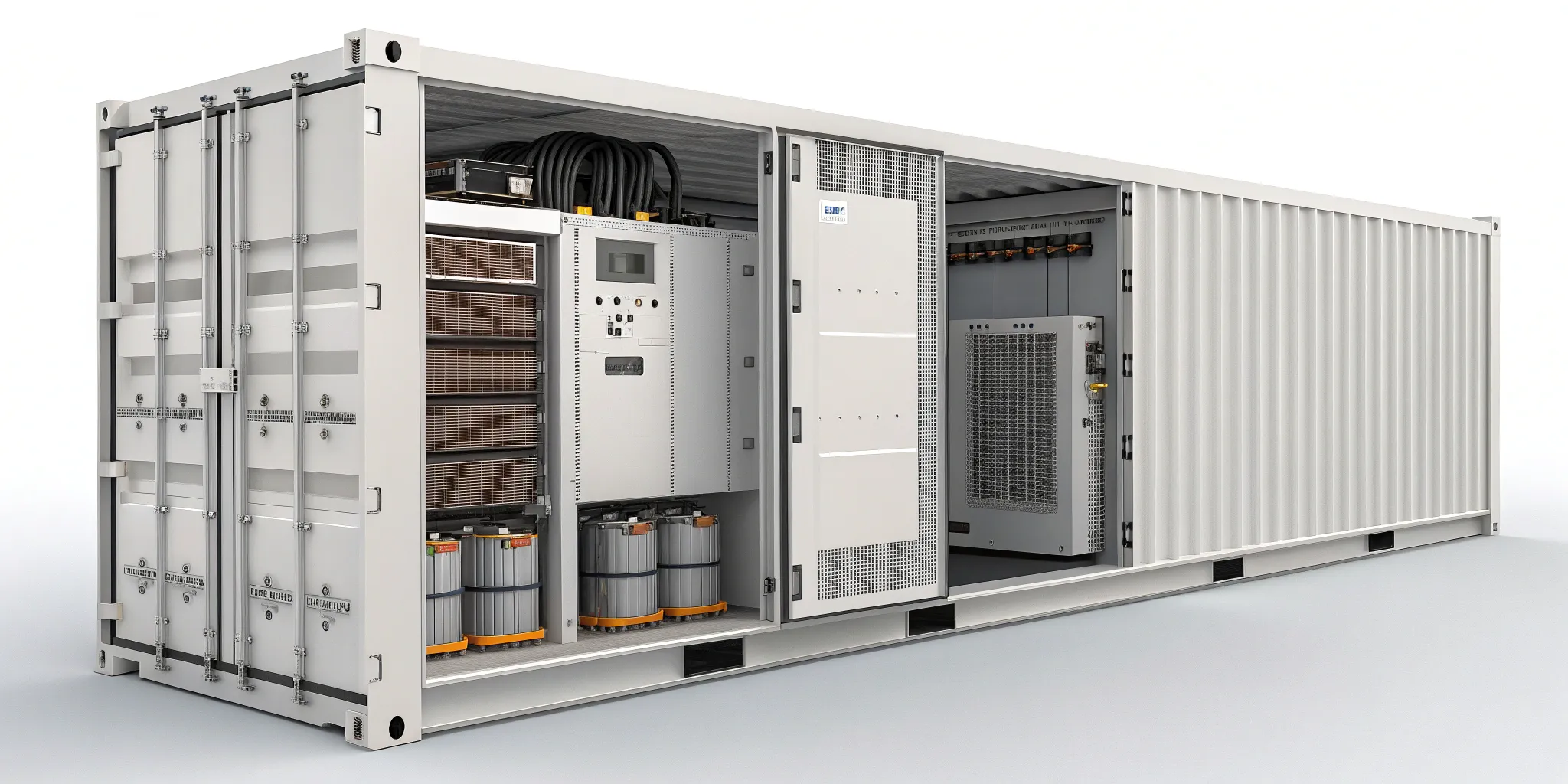
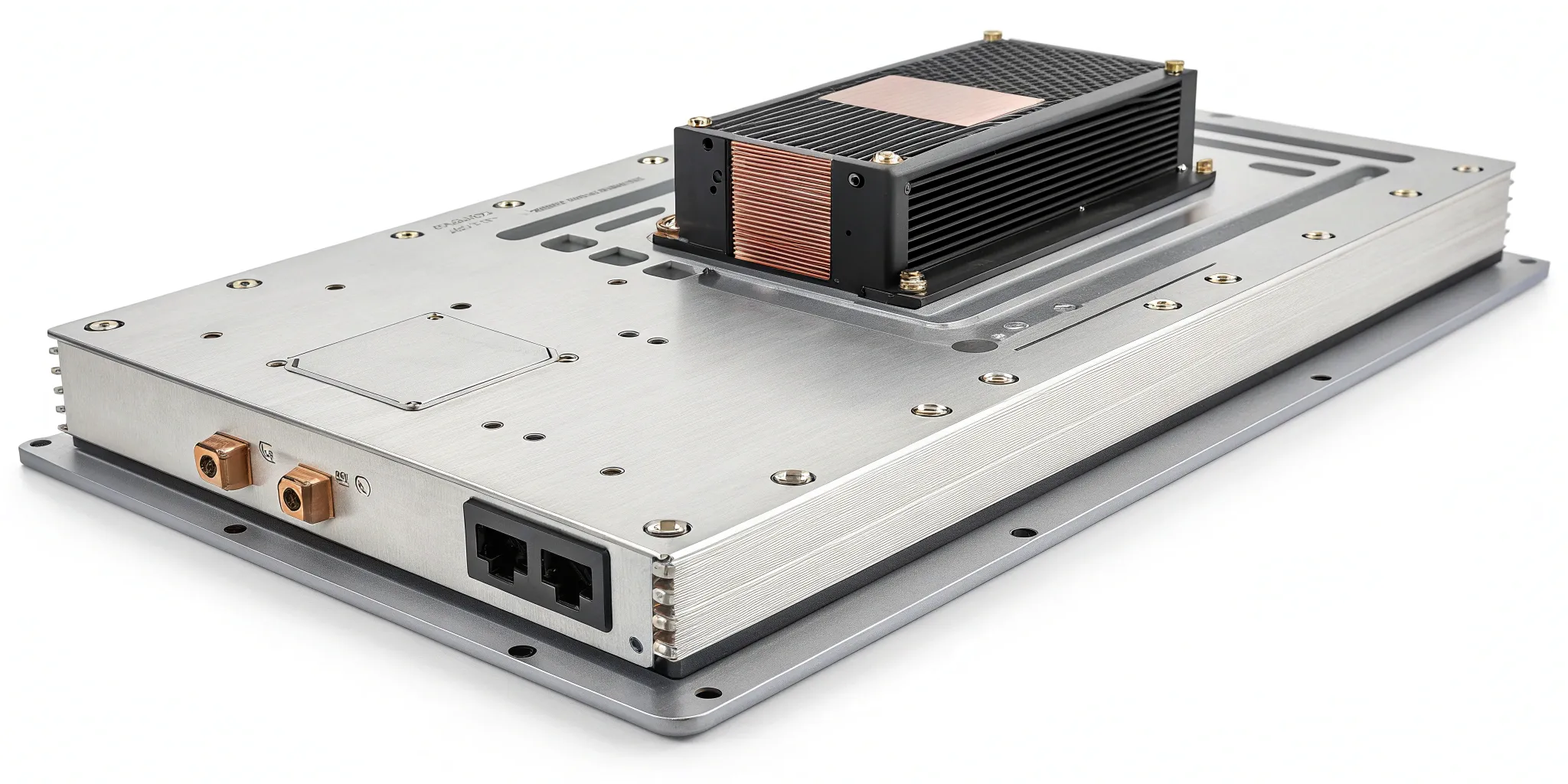
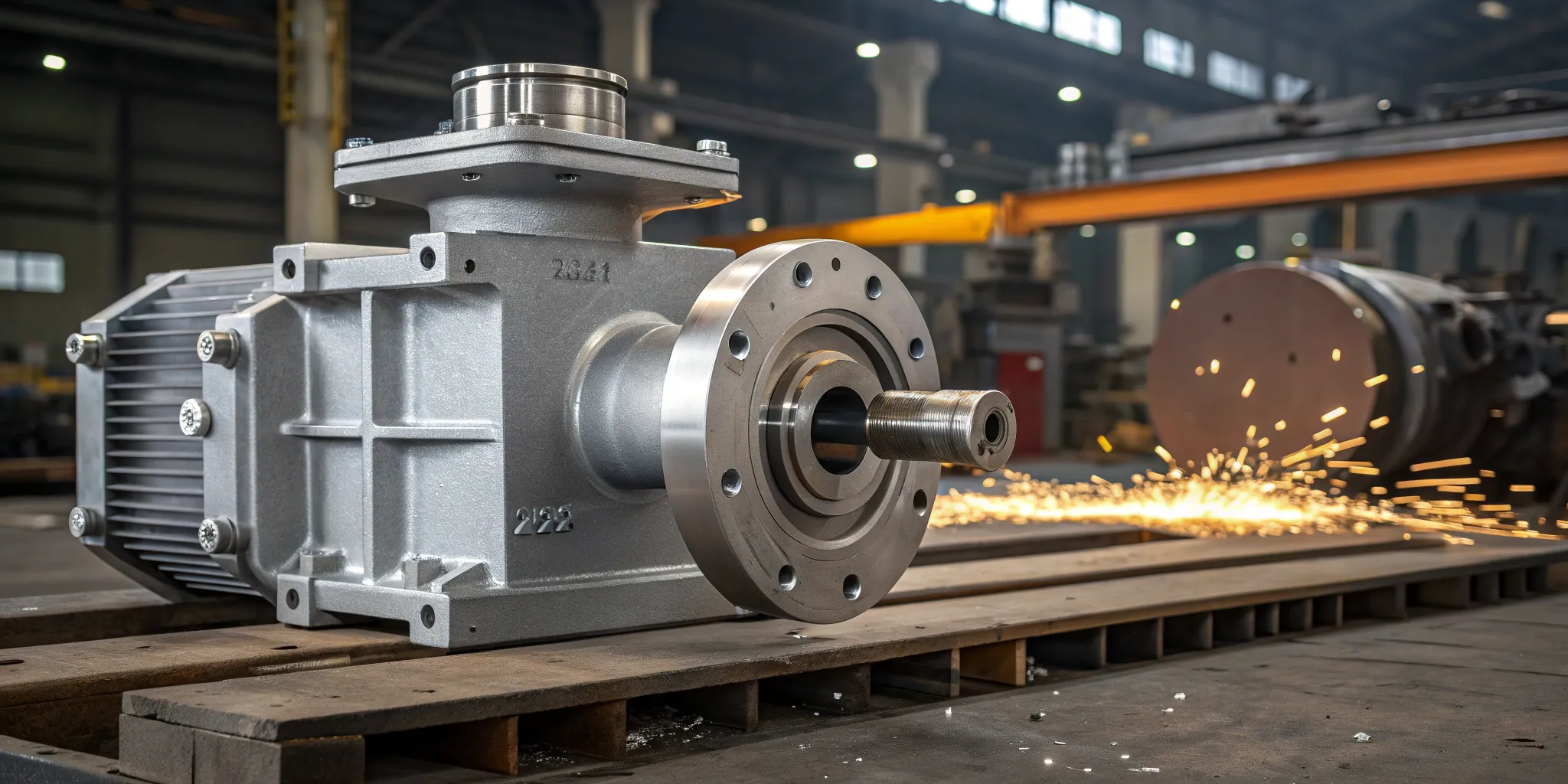
Vacuum brazing is widely used in EV battery liquid cooling plates, energy storage thermal systems, power electronics cooling solutions, and industrial thermal management components.
Why Choose Us for Vacuum Brazing
Deep understanding of cooling plate structures, integration with CNC machining and testing, high sealing reliability and thermal performance, and production-ready quality control from prototype to mass production.
Contact & Vacuum Brazing Consultation
Upload drawings (STEP / DWG / PDF). If available, include operating pressure/temperature, coolant type, target leak rate, and annual volume.